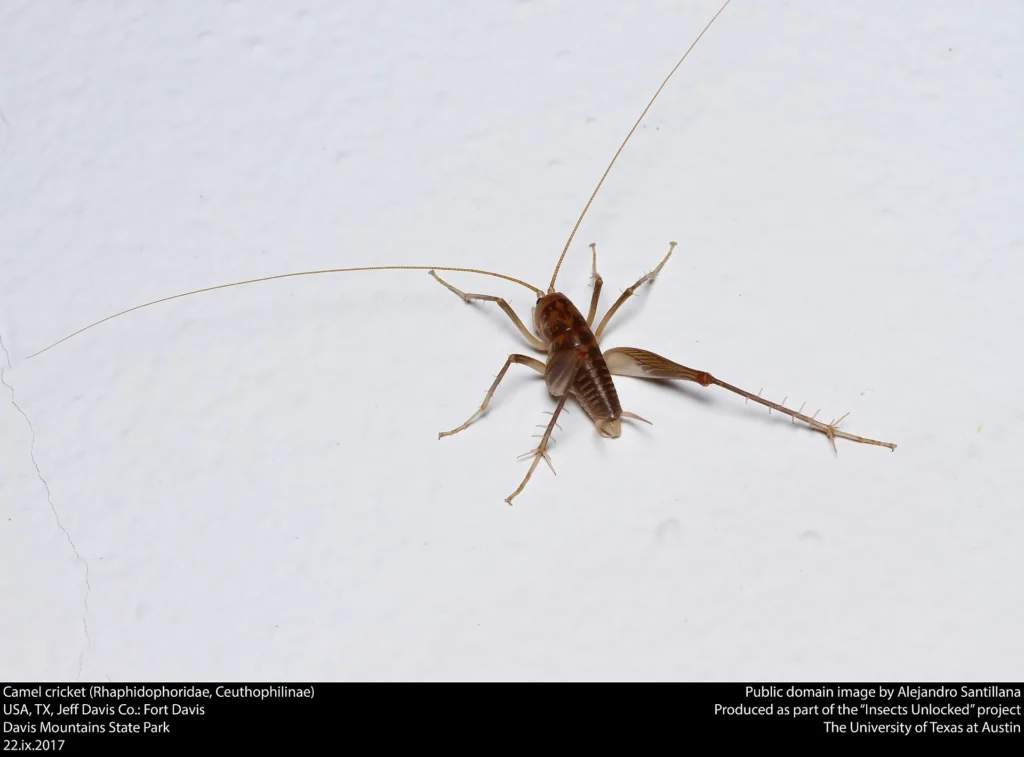
Camel crickets, also called spider crickets, cave crickets or “sprickets,” are humpbacked, long-legged, wingless insects that wander into cool, damp basements, crawlspaces and garages. They are nuisance pests rather than serious ones, and they do not chirp. The most effective fix is to remove moisture and seal entry points rather than to spray, because NC State Extension says pesticides are not a long-term fix.
| Attribute | Camel / spider / cave cricket |
|---|---|
| Family | Rhaphidophoridae |
| Body | Slightly humpbacked, with long legs giving a spider-like look |
| Wings | None in adults |
| Sound | Do not chirp |
| Preferred habitat | Cool, dark, damp, humid places |
| Indoor hot spots | Basements, crawlspaces, garages, storage buildings, laundry rooms and bathrooms |
| Main risk | Nuisance; may damage stored garments and linens |
What are camel crickets?
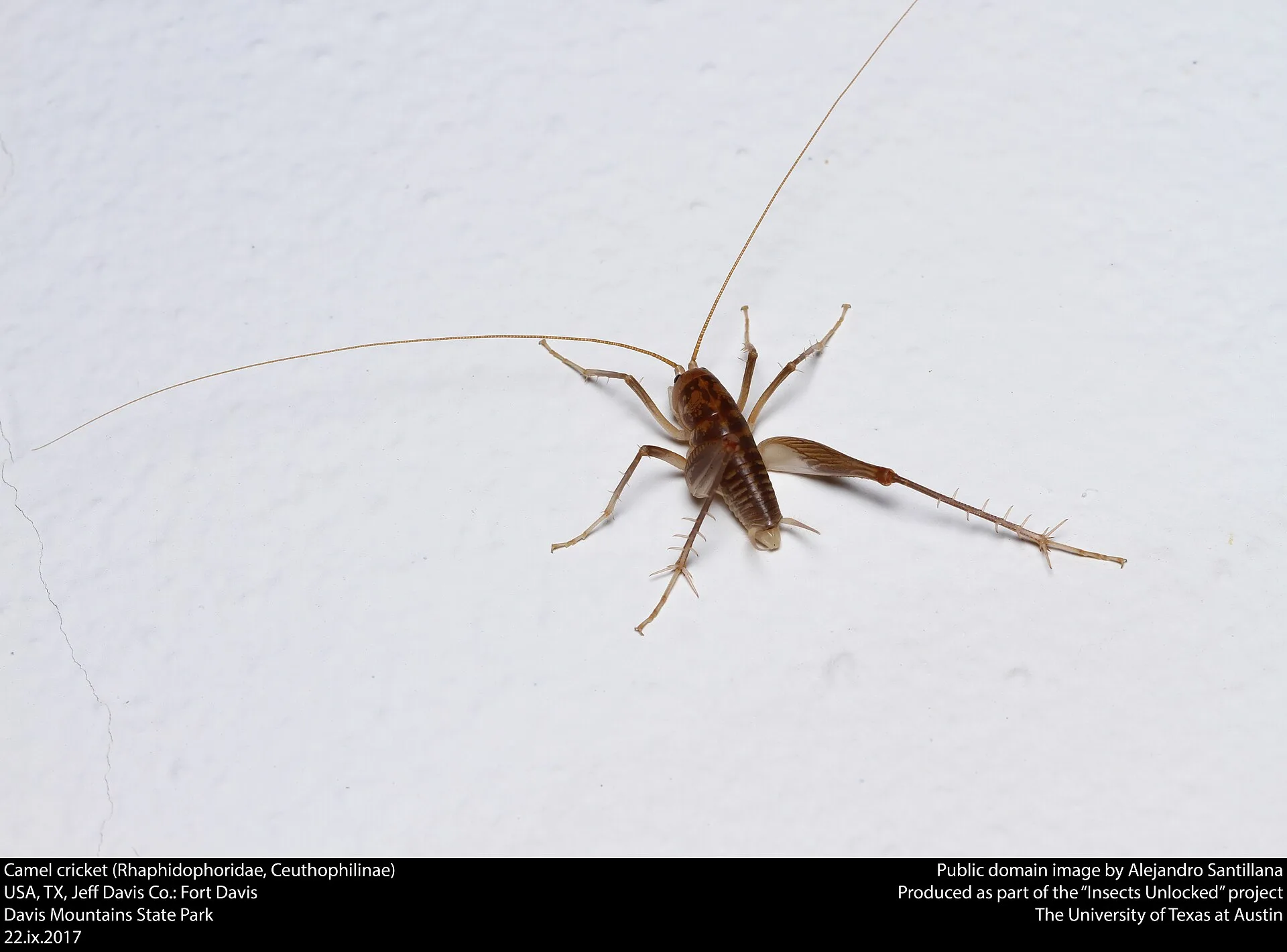
Camel crickets belong to the family Rhaphidophoridae. NC State Extension describes them as slightly humpbacked with long legs that give them a spider-like appearance, which is why people call them spider crickets. Adults have no wings. Several species share the name, and the one NC State highlights as an indoor nuisance is the greenhouse stone cricket, Tachycines asynamorus. Nymphs look almost identical to adults but are smaller.
Are camel crickets and spider crickets the same thing?
Yes, in everyday use. “Camel cricket,” “cave cricket” and “spider cricket” (and the joking name “spricket”) all refer to members of the same group of insects. The names describe different features: the hump of the back, the cave-like habitat and the spidery legs. Do not confuse them with field or house crickets, which chirp. NC State notes that chirping indoors points to field crickets, which can be controlled in the same way.
Why are there camel crickets in my house?
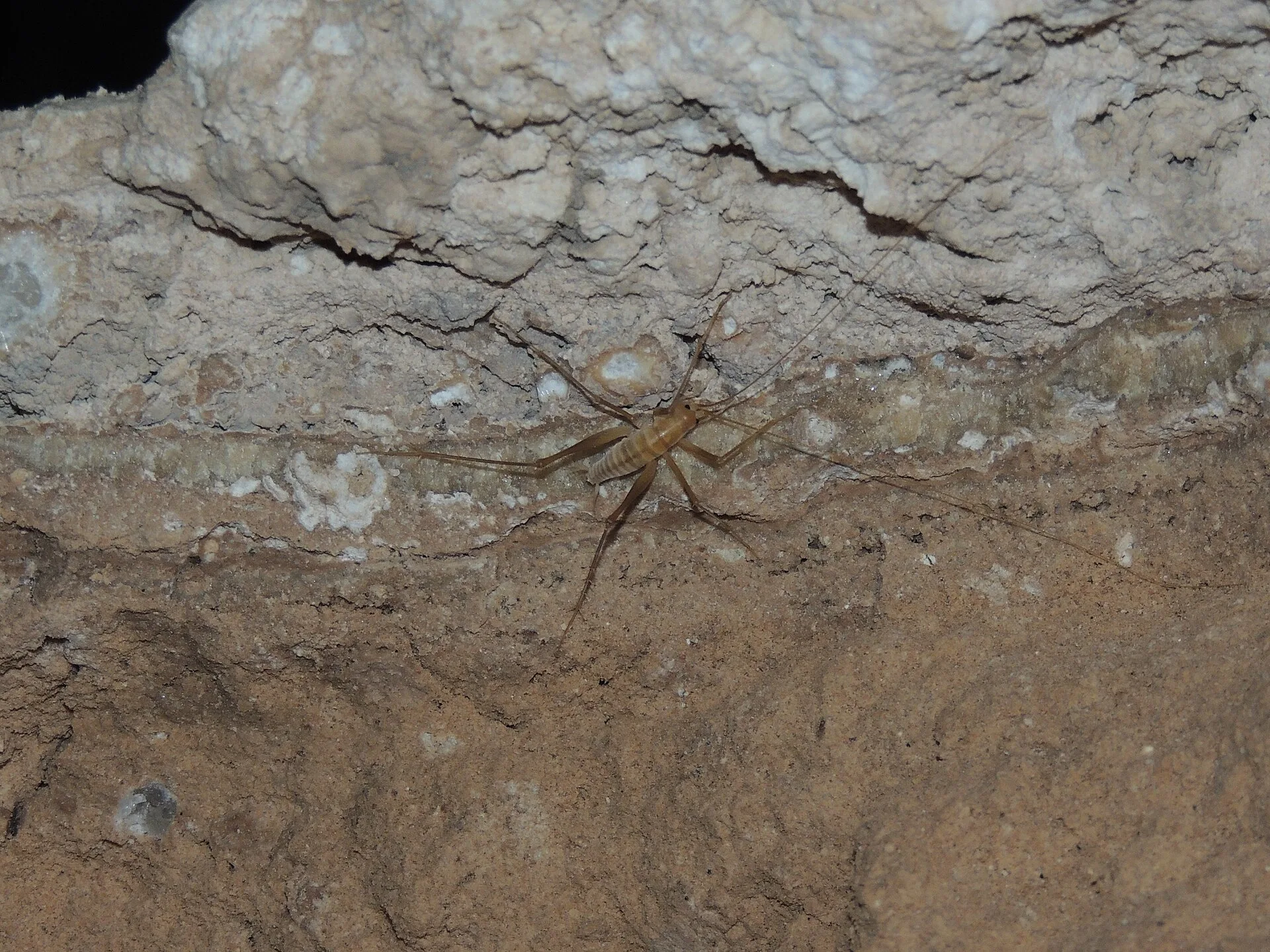
University of Maine Extension calls them “accidental invaders” that wander in from a suitable habitat nearby, and says they are attracted to cool, dark, moist and humid areas. NC State adds that extreme weather, such as heavy rain or long stretches of hot, dry weather, drives them toward cool, moist shelter near homes. A damp crawlspace or basement offers exactly that.
| Where they live outdoors | Where they hide indoors |
|---|---|
| Under stones and logs | Crawlspaces |
| In firewood stacks | Basements |
| In dense ground cover such as ivy | Garages and storage buildings |
| Under decks and debris | Bathrooms and laundry rooms |
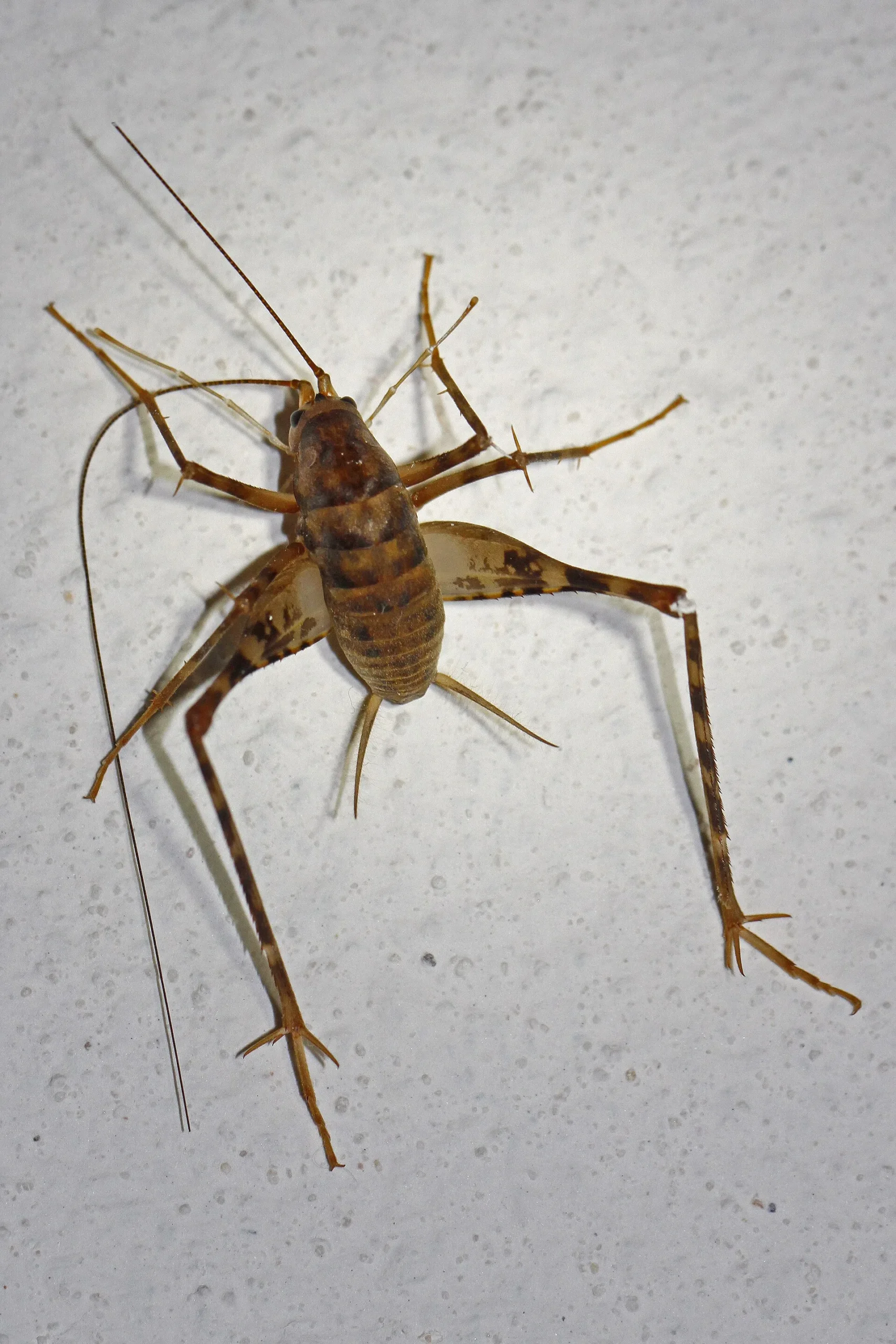
What is their life cycle?
According to NC State Extension, they overwinter as nymphs or adults. In early spring, females lay eggs in soil, and the nymphs hatch a few weeks later. A heavy infestation can show up as dark fecal smears on surfaces such as floor joists.
Are camel crickets harmful?
Extension sources describe camel crickets as nuisance pests. NC State says that if they cannot find suitable food over a long period they may damage stored items, and it names garments and linens stored in boxes. Neither the NC State nor the University of Maine fact sheet describes bites or health risks. They are a problem mainly because many people find them unpleasant and because they signal excess moisture.
How do you get rid of camel crickets?
Start with prevention. NC State Extension recommends these non-chemical steps:
- Seal entry points around windows, doors, vents, crawlspace doors, soffits and utility line entries.
- Add weather-stripping to the bottoms of house and garage doors.
- Reduce moisture, especially in basements and crawlspaces.
- Elevate and space out stored items in garages and storage buildings, so crickets have fewer places to hide.
- Clear the outdoor edge. Keep mulch and ground cover at least 12 inches from the foundation, and use gravel near it where possible. Keep shrubs away from the house, do not stack firewood against it and clear debris from under decks.
- Use sticky traps in corners and behind appliances to catch wanderers and see how many you have.
Do pesticides work on camel crickets?
NC State says pesticides are not a long-term fix. For outdoors, it lists barrier sprays on the foundation, vents, crawlspace access points and doors and windows, plus perimeter baits, and notes that heavy rain reduces effectiveness. In crawlspaces, baits can go in corners or along the sill plate, and spraying in confined spaces needs proper equipment and caution, so a licensed pest control company can help. Indoors, common household insecticides can be applied to baseboards and behind appliances, but exclusion measures should reduce the need. For specific products, NC State refers readers to the local Cooperative Extension office or the state’s chemicals manual.
Safety note: Read and follow every pesticide label, keep products away from children and pets, and ventilate enclosed spaces. This page does not recommend specific products or rates; ask your local extension office or a licensed pest professional.
How do you prevent camel crickets in the first place?
| Action | Why it helps |
|---|---|
| Fix leaks and run a dehumidifier | Removes the damp, cool conditions they seek |
| Ventilate the crawlspace | Reduces humidity |
| Store boxes on shelves | Gives them fewer hiding spots and protects clothing and linens |
| Move firewood away from the house | Removes an outdoor hiding place |
| Keep a clear gravel strip at the foundation | Creates a dry barrier |
| Check gutters and downspouts | Directs water away from the foundation |
Watch: how to deal with cave and camel crickets
This video from The Bugs Stop Here walks through five ways to reduce cave, camel and spider crickets.
Related guides
Free printable: the Year-Round Garden & Preserving Planner
Planting dates for 24 crops, monthly tasks, blanching times, canning safety numbers and a winter storage chart in one 8-page PDF. Enter your email to download it instantly and get our seasonal garden newsletter.
No spam. Unsubscribe any time. We never sell your email.
Frequently asked questions
Are spider crickets and camel crickets the same?
Yes, the names are used for the same group, family Rhaphidophoridae.
Do camel crickets bite?
The NC State and University of Maine fact sheets do not describe bites; they call them nuisance pests.
Why are they in my basement?
Basements are cool, dark and humid, which camel crickets seek, especially during extreme weather.
Do camel crickets chirp?
No. Chirping indoors points to field crickets.
Will pesticides get rid of them?
Not in the long term, per NC State Extension. Moisture control and sealing gaps work better.
Can camel crickets damage my belongings?
They may damage stored garments and linens in boxes if food is scarce for a long period.
Reviewed November 2026. Sources: NC State Extension, Camel Crickets; University of Maine Cooperative Extension, Camel Cricket.
Photo: Insects Unlocked, CC0, via Wikimedia Commons (resized)