Food Preserving
Practical, well-tested advice for home gardeners: soil, planting, watering and planning, with the numbers to back it up.

Food Preserving
Many garden vegetables keep for months without canning or freezing if you store them under the right conditions. Root crops such as carrots, beets, parsnips, turnips and rutabagas, along with…
9 min read
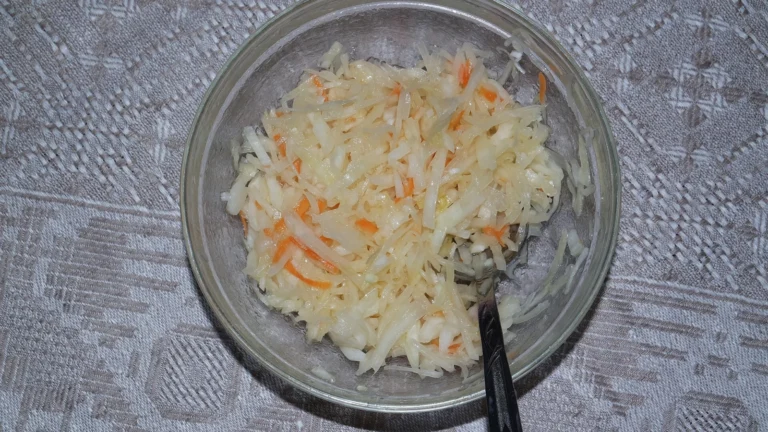
Food Preserving
To make sauerkraut, finely shred fresh, firm cabbage, mix 5 pounds of cabbage with 3 tablespoons of canning or pickling salt (about a 2 to 2.5 percent salt-to-cabbage ratio by…
9 min read

Food Preserving
To dehydrate fruits and vegetables, wash and slice them into thin, even pieces (1/4 to 1/2 inch), pretreat light-colored fruits such as apples, pears and peaches with an ascorbic acid…
9 min read

Food Preserving
To freeze vegetables, harvest them at peak quality, wash and cut them, then blanch them, either in boiling water or steam, for the exact time each vegetable needs (for example…
9 min read
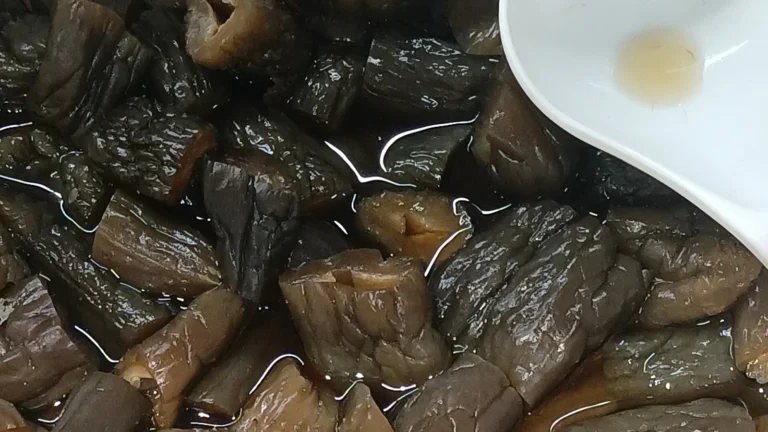
Food Preserving
There are three main ways to make pickles at home. Quick refrigerator pickles are made by pouring a hot vinegar brine over fresh vegetables in a jar and refrigerating them;…
9 min read
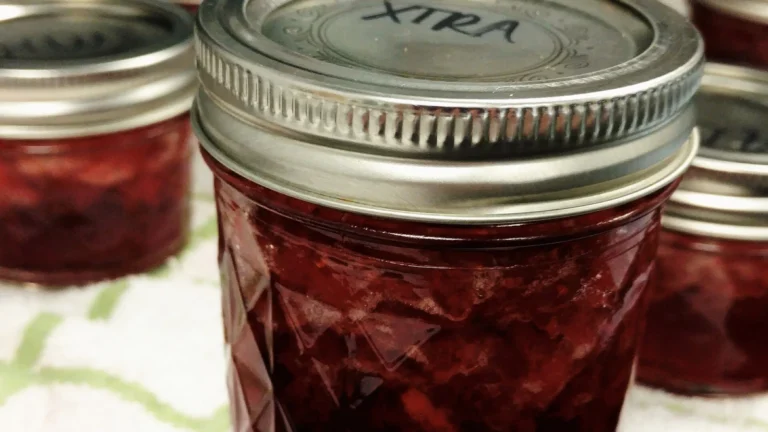
Food Preserving
To make jam, crush or chop ripe fruit, combine it with sugar and usually pectin and acid in the exact amounts a tested recipe gives, and boil it hard, stirring,…
10 min read

Food Preserving
To can tomatoes safely at home, always add acid to every jar, even for tomatoes labeled as high-acid: 1 tablespoon of bottled lemon juice or 1/4 teaspoon of citric acid…
9 min read

Food Preserving
Pressure canning is the only safe home method for low-acid foods: plain vegetables such as green beans, corn, carrots, potatoes, peas and beets, as well as dried beans, meat, poultry,…
9 min read

Food Preserving
Water bath canning (boiling water canning) is the safe home method for high-acid foods only: fruits, jams and jellies, fruit juices, properly acidified tomatoes, pickles, relishes, salsas and chutneys made…
9 min read