Few things are more discouraging than walking out to the garden and finding your lettuce mowed to the ground, your tomatoes bitten, or your bean seedlings gone overnight. Deer, rabbits, squirrels and groundhogs are the most common culprits, and each one needs a different approach. A fence that stops rabbits will not stop deer; a deer fence will not stop squirrels.
This guide shows you how to work out which animal is causing the damage, then the methods that actually work for each one, starting with physical barriers, which are the most reliable, and including repellents, garden design and the popular home remedies that tend to disappoint.
Step 1: Identify the culprit
Before you buy anything, look closely at the damage, the height it occurs at, and any tracks or droppings.
| Animal | Damage | Height | Other clues |
|---|---|---|---|
| Deer | Ragged, torn leaves and stems | Up to about 6 feet | Pointed, split hoof prints; clusters of pellet droppings |
| Rabbits | Clean, angled cuts, as if snipped with scissors | Low, under about 2 feet | Small round droppings; seedlings vanish overnight |
| Squirrels | Holes dug in beds; fruit bitten and abandoned | Anywhere; they climb | Daytime activity; dug-up bulbs and seeds |
| Groundhogs (woodchucks) | Plants eaten to the ground, often whole rows | Low | Large burrow entrances nearby |
| Voles | Gnawed roots and stems at soil level | Ground level | Narrow surface runways in grass or mulch |
| Raccoons | Sweet corn ears pulled down and stripped | Low to mid | Nighttime damage; hand-like tracks |
| Birds | Pecked fruit; pulled seedlings | Anywhere | Daytime damage |
Deer lack upper front teeth, so they tear plants; rabbits and groundhogs clip them cleanly. Purdue Extension’s guide to what is eating your garden plants covers more signs, and a trail camera is an inexpensive way to settle the question.
Not sure the damage is from animals at all? Insects, slugs and diseases cause many of the same symptoms. The pest identifier and plant problem identifier help rule them in or out.
Why fences beat everything else
Repellents, scare devices and home remedies can help for a while, but animals get used to them, especially when food is scarce. A properly built barrier is the only method that works night after night, season after season. The University of Arizona Extension’s guide to managing critters in vegetable gardens (PDF) gives fence specifications for many animals, and its figures appear throughout this guide.
| Animal | Fence height | Material | Below ground |
|---|---|---|---|
| Rabbits | About 2 ft | Poultry wire or hardware cloth, 1-inch mesh or smaller | Pinned tight to the ground or buried a few inches |
| Groundhogs | 3 to 4 ft | Sturdy woven wire, with a loose, floppy top | Buried or a horizontal apron, as they dig |
| Deer | About 8 ft | Woven wire, high-tensile wire or UV-stable deer mesh | Not needed |
| Squirrels and birds | Enclose fully | Hardware cloth, netting or cages, including a roof | Not usually needed |
| Voles, gophers | — | Galvanized hardware cloth | Under raised beds, or buried around them |
How to keep rabbits out of your garden
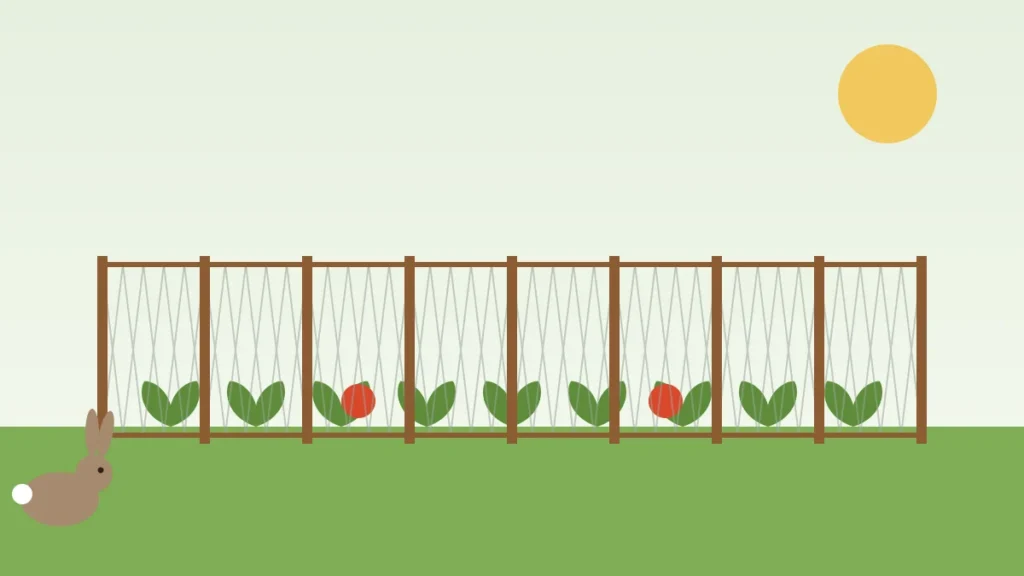
Rabbits are usually the easiest animal to exclude, because they rarely climb or jump high.
Build a low wire fence
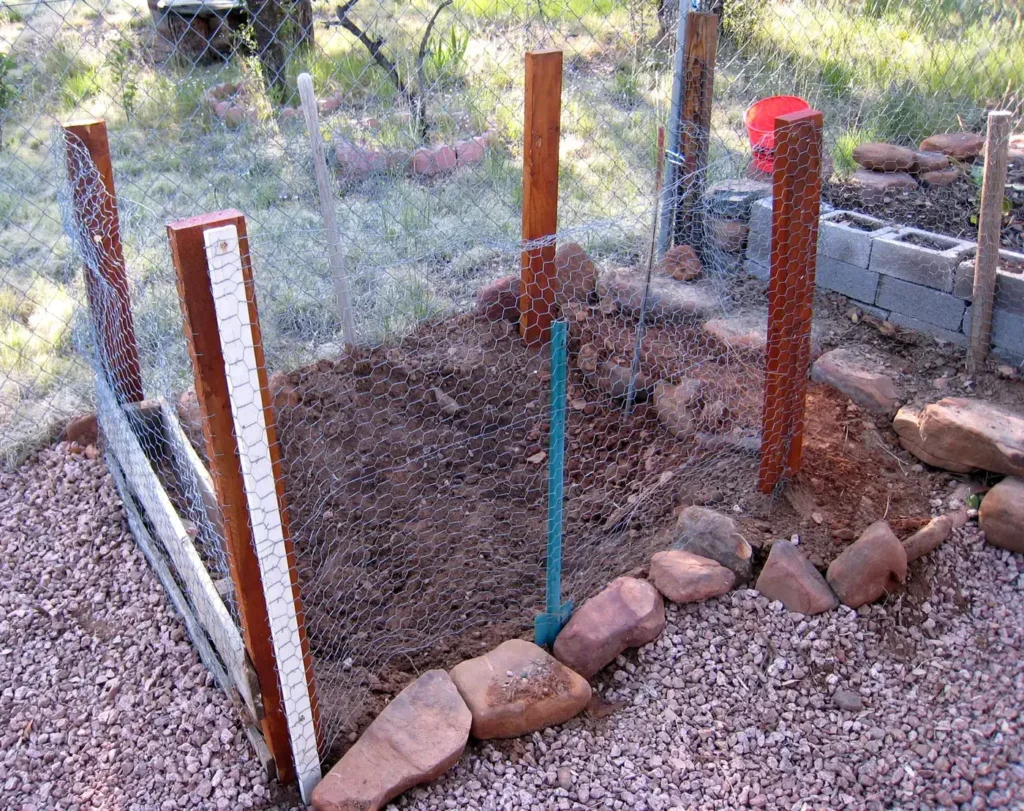
- Height: the University of Arizona Extension recommends a sturdy, 2-foot-tall poultry wire fence for cottontails, stretched tight to the ground. Taller fencing helps where snow piles up against it in winter.
- Mesh size: 1 inch or smaller, so young rabbits cannot squeeze through.
- The bottom: pin it tightly to the ground with landscape staples, or bury the bottom few inches, so rabbits cannot push underneath.
- The gate: make sure it closes tightly, with no gap at the bottom.
Protect individual beds and plants
- Raised bed fences: a ring of hardware cloth or chicken wire screwed to the outside of a raised bed is quick and tidy.
- Row cover and hoops: lightweight fabric over hoops protects young greens and beans, which rabbits love most.
- Wire cloches: small cages over individual seedlings until they are larger and less attractive.
Make the area less appealing
Rabbits like to stay close to cover. Clear brush piles, tall weeds and spaces under decks and sheds near the garden, and they will feel exposed when feeding there.
How to keep deer out of your garden
Deer are the hardest large animal to exclude, because they jump so well. They also eat a huge variety of plants, and they return to reliable food sources night after night.
An 8-foot fence is the reliable answer
The University of Arizona Extension advises that a deer fence should be at least 8 feet tall, because deer can and will jump lower fences. University of Georgia Extension’s garden fencing guide suggests a minimum of 6 to 8 feet, with 8 feet where deer pressure is heavy. Good materials include:
- Woven wire or welded wire on wooden or metal posts: very durable.
- Black polypropylene deer mesh on tall posts: less visible and much cheaper, though it can be chewed by rabbits at the base, so add wire along the bottom.
- High-tensile or electric wire: effective and economical for larger areas, but check local rules and use a proper fence charger.
Shorter fences around small spaces
Deer are reluctant to jump into small, enclosed spaces where they cannot see a safe landing. The Arizona guide notes that small areas can sometimes be protected with fences 4 to 6 feet tall for this reason. This works best for small, narrow vegetable plots, not large open gardens.
What about double fences?
Some gardeners use two shorter, parallel fences a few feet apart, on the idea that deer will not jump into the gap. Results vary, and Cooperative Extension experts asked about the approach on Ask Extension still recommend a fence at least 8 feet high for reliable protection. If deer pressure is heavy, build tall.
Protect beds directly
- Netting or mesh over hoops on raised beds keeps deer from reaching plants without a full perimeter fence.
- Wire cages around individual plants such as young fruit trees and tomatoes.
Repellents for deer
Commercial deer repellents work by taste, odor or both. They can reduce damage, especially on ornamental plants, but they have limits:
- Reapply often, particularly after rain and as new growth appears.
- Rotate products, because deer can get used to one.
- Check the label before using any repellent on food crops. Many are labeled only for ornamentals.
- Do not rely on them when deer are hungry: in hard winters and droughts, deer eat almost anything.
The Arizona guide notes that home remedies such as soap, hair and homemade sprays are typically less reliable than products labeled as deer repellents.
How to keep squirrels out of your garden
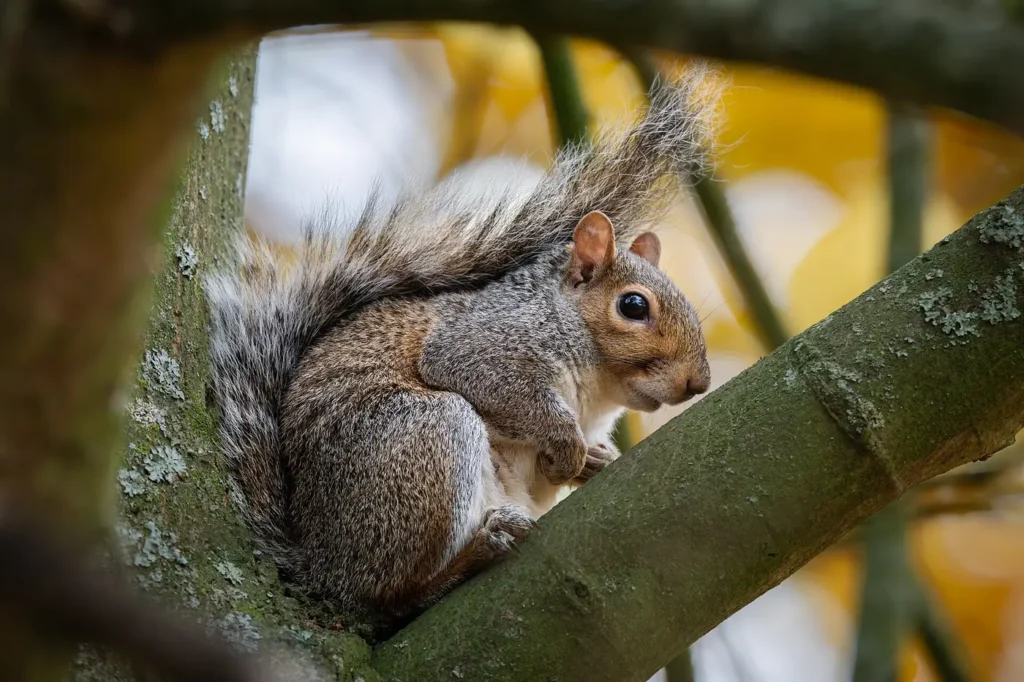
Squirrels climb, jump and dig, so fences that stop rabbits and deer do not stop them. The answer is to cover plants completely, or to make the garden less rewarding.
Cover beds and crops
- Hardware cloth over newly planted beds: lay it flat on the soil after sowing or planting bulbs. Squirrels cannot dig through it, and seedlings grow up through the gaps or you remove it once they are established.
- Cages with a roof: a simple wooden frame covered in hardware cloth or bird netting protects a whole bed of strawberries, tomatoes or corn.
- Bags over individual fruit: mesh or organza bags protect ripening tomatoes, peaches and other fruit.
Harvest smarter
Squirrels often target tomatoes as they ripen. Pick tomatoes as soon as they show the first blush of color and let them finish ripening indoors at room temperature. They ripen with good flavor, and the squirrels lose interest. Our guide to common tomato problems covers other causes of damaged fruit.
Reduce the attraction
- Move bird feeders away from the vegetable garden, as spilled seed draws squirrels in.
- Clear up fallen fruit and nuts promptly.
- Some gardeners find that a shallow dish of water away from the garden reduces fruit damage in dry weather, on the theory that squirrels bite fruit partly for moisture. It does not always work, but it costs nothing to try.
Groundhogs, voles and other diggers
Groundhogs (woodchucks)
Groundhogs dig and climb, and can clear a row of beans in an evening. A fence of sturdy woven wire about 3 to 4 feet tall works when the bottom is secured against digging and the top is left loose and floppy, bent outward, so it folds back when the animal tries to climb. To stop digging, University of Georgia Extension recommends a horizontal wire apron about 24 inches wide, buried a few inches deep on the outside of the fence. An electric wire a few inches above the ground and outside the fence adds extra protection.
Voles and gophers
These rodents eat roots and stems from below. Line the bottom of raised beds with galvanized hardware cloth before filling them, or bury a hardware cloth barrier around in-ground beds. Keep mulch pulled back a few inches from stems, and mow grass near the garden short, since voles shelter in long grass and thick mulch. Our guide to building a raised garden bed shows where the hardware cloth goes.
Moles
Moles mostly eat insects and earthworms, not plants. Their tunnels can disturb seedlings, but they are rarely the animal eating your vegetables; voles often use mole tunnels, and get the blame mixed up.
Raccoons
Raccoons climb almost anything and also dig. The University of Arizona Extension suggests adding an electric wire to the top of a fence and burying wire to stop digging. For sweet corn, an electric fence is often the only reliable defense.
Birds
Birds pull up pea and corn seedlings and peck ripening berries and tomatoes. Bird netting over hoops or a frame is the most reliable answer. Secure the edges so birds cannot get trapped underneath, and remove netting when it is not needed.
Garden design that helps
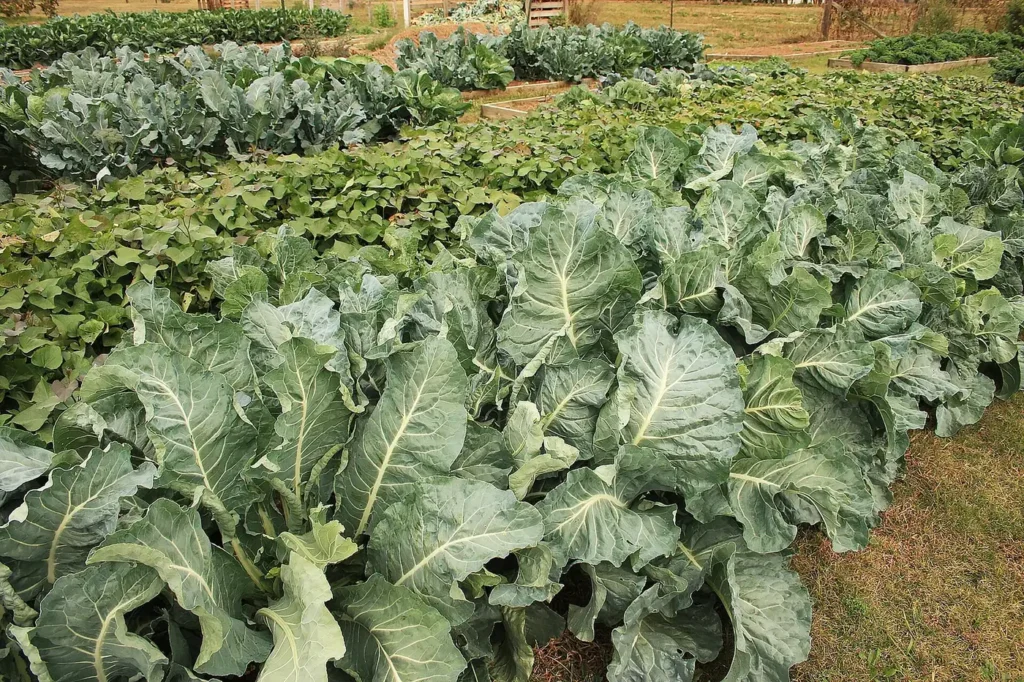
- Grow the most-loved crops inside the best protection. Lettuce, beans, peas, strawberries and sweet corn are the most targeted.
- Use raised beds with built-in fences, hoops and covers, which are far easier to protect than open ground.
- Plant less-favored crops on the edges. Strongly scented herbs such as rosemary, sage and thyme, and onions and garlic, are less often eaten by deer and rabbits, though no plant is truly deer-proof.
- Keep the garden close to the house, where activity, pets and lights discourage some visitors.
The garden layout generator and raised bed planner help you plan beds you can protect easily, and the garden cost estimator includes fencing in a full project budget.
Methods that rarely work
| Method | The reality |
|---|---|
| Marigolds around the garden | No reliable evidence they keep rabbits or deer away |
| Human hair, bars of soap, cayenne in water | May work briefly; less reliable than labeled repellents |
| Plastic owls and snakes | Animals quickly learn they do not move |
| Ultrasonic devices | Results are inconsistent |
| Mothballs | Do not use. Mothballs are pesticides registered only for use in sealed containers; using them in the garden is against the label and can contaminate soil and harm pets, wildlife and people |
Motion-activated sprinklers are one of the more effective deterrents for deer, rabbits and squirrels, especially if you move them around occasionally, though they still work best alongside barriers.
A note on trapping and relocating
It is tempting to trap a problem animal and release it elsewhere, but in many states it is illegal to relocate wildlife without a permit, and relocated animals often do not survive. Rules differ by state and species, so check with your state wildlife agency or local Cooperative Extension office before trapping. Exclusion is usually the more effective long-term answer anyway, because another animal will move into the empty territory.
Quick plan by animal
| Problem | Best first step | Back-up |
|---|---|---|
| Rabbits | 2 ft wire fence pinned or buried at the base | Row cover over young plants |
| Deer | 8 ft fence | Netting over beds; rotated repellents |
| Squirrels | Hardware cloth over beds; roofed cages | Pick tomatoes early |
| Groundhogs | 3 to 4 ft wire with floppy top and buried apron | Electric wire outside |
| Voles, gophers | Hardware cloth under beds | Keep grass short and mulch back from stems |
| Birds | Netting over hoops | Harvest promptly |
Frequently asked questions
How do I keep animals out of my vegetable garden?
Identify the animal first, then use the matching barrier: a low wire fence for rabbits, a fence about 8 feet tall for deer, and hardware cloth or netting covers for squirrels and birds. Barriers are far more reliable than repellents.
How tall does a fence need to be to keep deer out?
About 8 feet. Deer can jump lower fences, although smaller enclosed plots can sometimes be protected with fences 4 to 6 feet tall because deer avoid jumping into confined spaces.
How do I keep rabbits out of my garden?
Use a fence about 2 feet tall made of poultry wire or hardware cloth with mesh 1 inch or smaller, pinned tight to the ground or buried a few inches, with a tightly closing gate.
How do I stop squirrels digging in my garden?
Lay hardware cloth flat over newly planted beds, cover crops with roofed cages or netting, and move bird feeders away from the garden.
Do marigolds keep rabbits away?
There is no reliable evidence that marigolds deter rabbits or deer. A wire fence is far more effective.
What smells keep animals away from gardens?
Commercial repellents with egg, garlic or capsaicin can reduce damage for a time, but animals get used to them and they need reapplying after rain. Check the label before using any repellent on food crops.
Is it legal to trap and relocate garden animals?
Rules vary by state and species, and relocation without a permit is illegal in many places. Check with your state wildlife agency first.