Metal raised garden beds have become one of the most popular ways to grow vegetables at home. They go together in minutes, come in tall sizes that save your back, never rot, and give the garden a clean, modern look. But they also raise common questions: are galvanized beds safe for growing food, do they get too hot, and are they worth the higher price compared with wood?
This guide answers those questions with what Extension experts actually say, compares the different types of metal beds, weighs the pros and cons against wood and other materials, and covers choosing, assembling, filling and maintaining metal beds so they last for many years.
Are galvanized metal raised beds safe for vegetables?
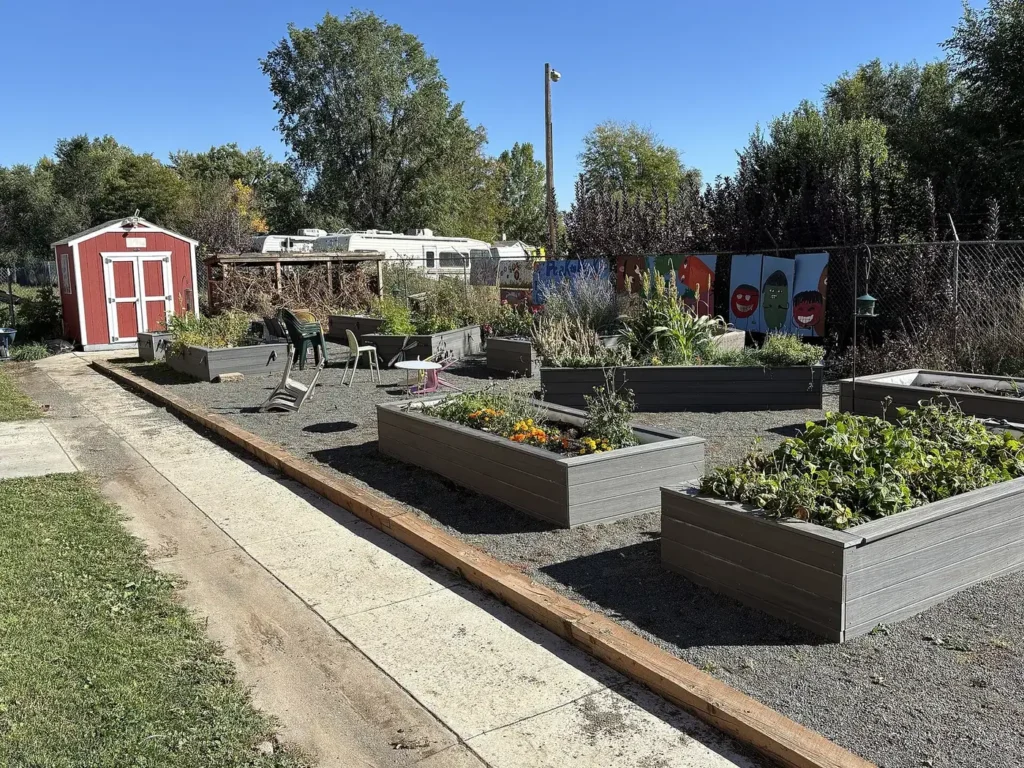
This is the question most gardeners ask first. Galvanized steel is steel coated with zinc to stop it rusting. The concern is whether zinc, or trace metals in the coating, could move into the soil and into food.
The short answer from Extension experts is that galvanized beds are generally considered safe, with a few sensible precautions. An Ask Extension expert answering this question for an Oregon gardener explained that galvanized metal raised beds are generally considered safe: zinc can leach into soil under acidic conditions, below about pH 6, but most garden soils are around pH 6 to 7, which limits zinc release, and because zinc is a plant micronutrient, small amounts are beneficial and rarely toxic.
Another Ask Extension response, to a New York gardener, noted that galvanized metal raised beds are considered generally safe for food crops, that very small amounts of zinc released through weathering would not be a risk for soil or human health, that more could be released if soil pH drops below 6.0, and that powder coating is a polymer considered non-toxic to plants and people. Experts also point out that there is little definitive research on the question, so these precautions are sensible rather than urgent.
Precautions that make metal beds safer
| Precaution | Why |
|---|---|
| Keep soil pH around 6 to 7 | Zinc release increases in acidic soil |
| Test soil pH every year or two | Compost and rain gradually change pH; see our guide to garden lime |
| Buy beds made for gardening | Modern garden beds use cleaner coatings than old or industrial metal |
| Avoid old or repurposed metal of unknown origin | Older galvanized metal may contain traces of lead or cadmium |
| Consider powder-coated beds | The coating separates soil from bare metal |
| Replace beds that rust through | Corroded metal is weaker and less predictable |
A third Ask Extension answer adds that some galvanized materials may contain trace amounts of lead and cadmium, and suggests liners to reduce soil contact for gardeners who want extra caution. Plastic liners are optional; if you use one, choose a food-safe material and make sure water can still drain from the bottom.
Do metal beds get too hot?
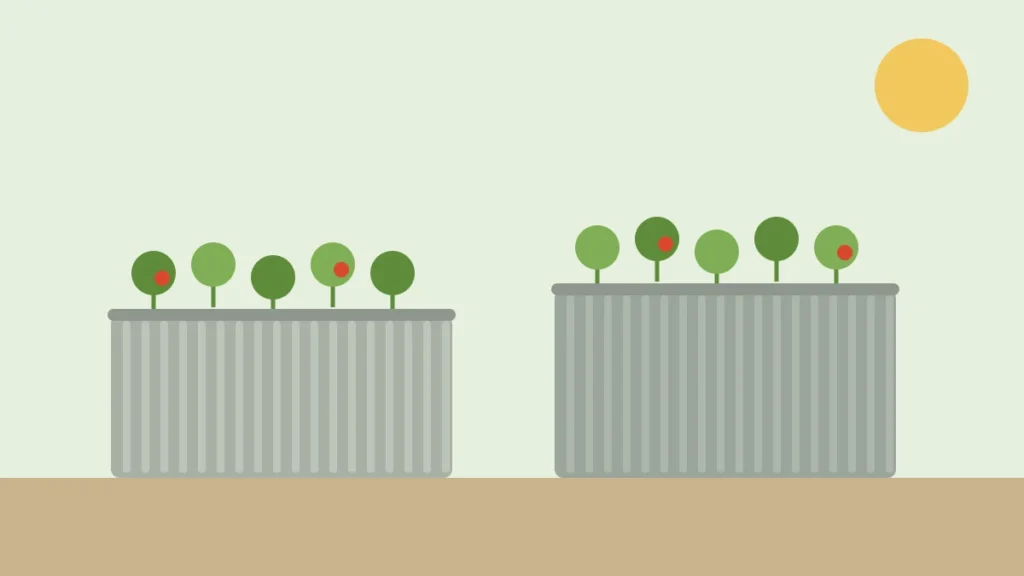
Metal walls warm up in the sun, which worries many gardeners. In practice, Extension experts note that while metal conducts heat, damp soil moderates temperature spikes, making metal beds safe for most plants. Lighter colors reflect more heat than dark ones. In very hot climates:
- Mulch the soil surface 2 to 3 inches deep.
- Keep soil evenly moist, ideally with drip irrigation.
- Choose light-colored or galvanized finishes rather than dark powder coats.
- Plant trailing herbs or flowers along the edges to shade the walls.
In cool climates, the extra warmth can actually help, warming the soil earlier in spring.
Types of metal garden beds
| Type | What it is | Pros | Cons |
|---|---|---|---|
| Galvanized steel | Steel coated with zinc | Durable, affordable, classic look | Zinc coating wears over many years |
| Aluminum-zinc coated steel | Steel with an aluminum-zinc alloy coating | Very corrosion-resistant; common in modern kits | Costs more than basic galvanized |
| Powder-coated steel | Steel with a baked-on polymer finish | Many colors; coating separates soil from metal | Chips can rust; dark colors absorb heat |
| Corrugated metal panels (DIY) | Roofing panels on a wooden frame | Cheap, rustic, customizable | Sharp edges; check the coating |
| Livestock stock tanks | Galvanized water troughs | Instant, very sturdy, tall | Must drill drainage holes; heavy |
| Weathering (corten) steel | Steel that forms a stable rust layer | Striking modern look; very strong | Expensive; rust can stain paving |
Metal vs. wood vs. other materials
| Material | Lifespan | Relative cost | Assembly | Notes |
|---|---|---|---|---|
| Metal kits | Long | Medium to high | Quick, bolt together | No rot; tall sizes; modern look |
| Cedar | Long | Medium to high | Moderate | Natural look; rot-resistant |
| Untreated pine | Short | Low | Moderate | Cheapest; rots in a few years |
| Composite boards | Long | Medium to high | Quick | Low maintenance; check materials |
| Concrete blocks | Very long | Low to medium | Heavy | Permanent; cores can be planted |
| Fabric beds | Several seasons | Low | Instant | Portable; dry out quickly |
For a full comparison of materials and designs, see our 25 raised garden bed ideas, and if you prefer to build your own wooden bed, follow our guide to building a raised garden bed. The raised bed cost calculator compares costs for your size.
Pros and cons of metal raised beds
Advantages
- Long-lasting: no rot, and termites cannot eat them.
- Fast assembly: most kits bolt together in under an hour.
- Tall sizes: waist-high beds reduce bending and suit gardeners with limited mobility.
- Thin walls: more growing space inside than thick timber for the same footprint.
- Clean, modern look.
- Some deter burrowing pests when combined with a hardware cloth base.
Drawbacks
- Higher upfront cost than basic wood.
- Sharp edges on some kits; choose rolled or capped edges.
- Tall beds need a lot of soil, which can cost more than the bed.
- Long walls can bow outward under the weight of wet soil unless braced.
- Heat in very hot, sunny sites, managed with mulch and watering.
What to look for when buying
- Coating type: galvanized, aluminum-zinc or powder-coated, and whether it is made for growing food.
- Metal thickness: thicker panels resist denting and bowing.
- Rolled or capped top edges for safety, especially with children.
- Internal braces on beds longer than about 6 feet to stop walls bowing.
- Height: 11 to 17 inches suits most vegetables on decent ground; 24 to 32 inches for gardening without bending.
- Width: no more than about 4 feet if you can reach from both sides, 2 to 3 feet against a wall.
- Modular design, so you can change the shape later.
How to set up a metal raised bed
- Choose a sunny, level spot with at least six to eight hours of sun. The sunlight requirement finder helps.
- Clear and level the ground. On lawn, mow short and lay cardboard inside the bed to smother the grass.
- Add hardware cloth under the bed if gophers, voles or moles are a problem.
- Assemble the bed, wearing gloves, and tighten all bolts. Fit the internal braces.
- Check it is level before filling; soil and water will settle unevenly in a sloping bed.
- Fill the bed (see below), water thoroughly, and let the soil settle for a few days.
- Add drip irrigation before planting; see our comparison of drip irrigation and soaker hoses.
How to fill a tall metal bed without overspending
A 32-inch-tall bed holds far more soil than most vegetables need. Oregon State University Extension’s raised bed gardening fact sheet explains how bed depth and the soil underneath work together; most vegetables root mainly in the top foot or so. To save money:
- Bottom layer (tall beds only): logs, branches and woody prunings, which break down slowly. This is the hugelkultur approach described in our permaculture guide.
- Middle layer: leaves, grass clippings and rough compost.
- Top 12 to 18 inches: a quality blend of roughly 60 percent topsoil, 30 percent compost and 10 percent perlite or fine bark, or a premixed raised bed soil.
Expect the bed to settle as the lower layers break down, and top it up with compost each year. Use the raised bed soil calculator to work out how much soil you need, and see our guide to how much soil a raised bed needs for charts by size.
What to grow in metal beds
Anything you would grow in a wooden raised bed grows well in a metal one. Deep beds are excellent for root crops such as carrots, parsnips and potatoes, while tall beds put salad greens, herbs and strawberries at a comfortable picking height. Plant intensively using square foot spacing; the square foot gardening calculator shows how many plants fit, and the raised bed planner helps you lay out each bed.
Metal beds for accessible gardening
Tall metal beds are one of the easiest ways to make vegetable gardening comfortable for people with bad backs, knees or limited mobility. Beds 24 to 32 inches tall let you plant, weed and harvest standing up or sitting on a stool. For wheelchair users, a narrower bed that can be reached from one side, with firm, level paths at least 3 to 4 feet wide, works best. A wide wooden cap fixed to the top rim of a metal bed doubles as a comfortable seat and covers the edge.
Building a DIY corrugated metal bed
- Build a frame of rot-resistant wood posts at the corners and every 4 feet along long sides.
- Cut corrugated panels to length with tin snips or a metal-cutting blade, wearing gloves and eye protection.
- Screw the panels to the inside of the posts with roofing screws that have rubber washers.
- Cap the top edge with wooden boards to cover sharp metal edges.
- Check the coating on any panels you buy, and choose new material made for outdoor use rather than old roofing of unknown origin.
Metal beds through the seasons
Metal beds warm up quickly in spring, giving early crops a head start. In summer, mulch and steady watering keep roots cool. In fall, they make an easy frame for row cover hoops to extend the harvest. In cold winters, soil in raised beds of any material freezes faster than the ground, so tender perennials such as some herbs may need extra mulch or a move to a sheltered spot.
Maintaining metal beds
- Check bolts each spring and tighten as needed.
- Touch up chips in powder coating with a suitable outdoor paint to prevent rust.
- Test soil pH every year or two and keep it near neutral.
- Top up with compost each year as soil settles.
- Keep mulch on the surface in hot weather.
- Replace beds if they rust through or the walls become unstable.
Common mistakes with metal beds
- Using old, rusty or industrial metal of unknown origin for food crops.
- Skipping the braces on long beds, so the walls bow.
- Filling a tall bed entirely with bagged soil, which is very expensive.
- Letting soil become very acidic.
- Siting beds in shade.
- Forgetting drainage in stock tanks and lined beds.
Frequently asked questions
Are galvanized raised beds safe for vegetables?
They are generally considered safe. Zinc leaching increases in acidic soil, so keep pH around 6 to 7, buy beds made for gardening, and avoid old metal of unknown origin.
Do metal raised beds get too hot?
Damp soil buffers heat, so roots rarely overheat. In hot climates, mulch the soil, keep it evenly moist, and choose light-colored finishes.
How long do metal raised beds last?
Well-made galvanized or aluminum-zinc coated beds typically last many years, often much longer than untreated wood.
Should I line a metal raised bed?
It is optional. Some gardeners use a food-safe liner for extra caution, but make sure water can still drain freely from the bottom.
How do I fill a tall metal raised bed cheaply?
Fill the bottom with logs, branches and leaves, then add 12 to 18 inches of quality soil and compost on top.
Are metal beds better than wood?
They last longer, assemble faster and come in taller sizes, but cost more upfront. Cedar is a good natural alternative; untreated pine is cheapest but rots sooner.
Can I use a stock tank as a raised bed?
Yes. Drill plenty of drainage holes in the bottom, and use a new tank rather than an old, rusty one.