A clean edge is the quickest way to make any garden look cared for. Even a simple bed of vegetables or perennials looks sharper and more intentional when there is a crisp line between the bed and the lawn or path. Good edging is not just about looks, though: it keeps grass from creeping into beds, holds mulch in place, and makes mowing and weeding easier.
This guide covers garden edging ideas for every style and budget, from a free spade-cut edge to brick, stone, steel and wood, with the pros and cons of each, step-by-step installation, and tips for vegetable gardens, raised beds and paths.
Why edge your garden beds?
LSU AgCenter’s guide to landscape edging concepts explains that edging around mulched beds prevents lawn grass from growing into the bed, reducing maintenance, and that a hard barrier helps stop mulch washing out of the bed, so it needs replenishing less often. The main benefits:
- Keeps grass out of beds, so you spend less time pulling runners.
- Holds mulch and soil in place after heavy rain.
- Makes mowing easier, especially with a flat mowing strip.
- Defines the design, giving beds strong lines and curves.
- Separates paths from planting areas, so feet stay off the soil.
University of Illinois Extension’s article on bed edges sums it up: well-installed edging forms a clean, neat line between planting areas and turf, blends into the landscape, minimizes hand trimming and helps contain mulch.
Garden edging materials compared
| Material | Cost | Lifespan | Look | Notes |
|---|---|---|---|---|
| Spade-cut (natural) edge | Free | Needs recutting a few times a year | Natural, informal | Easy to change as beds evolve |
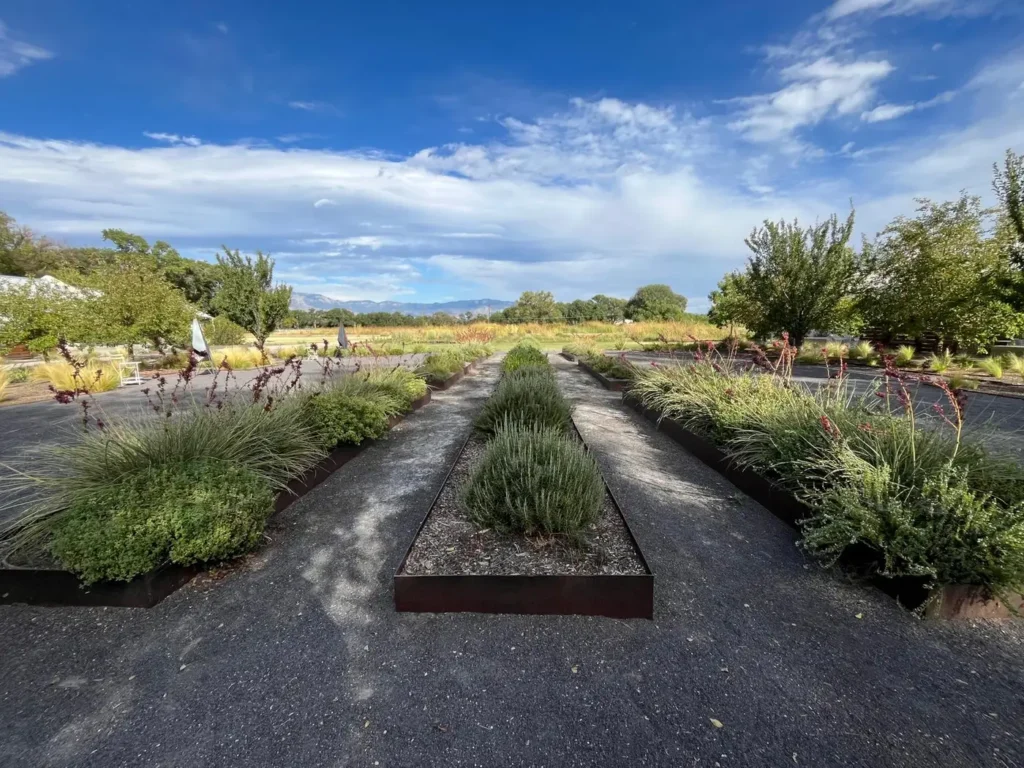
| Steel edging | Medium | Very long | Thin, nearly invisible line | Durable; good for curves |
| Aluminum edging | Medium | Long | Clean, modern | Easier to bend; silver color can look unnatural |
| Brick | Medium to high | Very long | Classic, traditional | Can double as a mowing strip |
| Natural stone | Medium to high | Very long | Rustic, cottage, naturalistic | Heavy; irregular shapes |
| Concrete pavers and curbing | Medium | Very long | Neat, formal | Poured curbing is permanent |
| Wood (timbers, boards) | Low to medium | Medium | Warm, natural | Eventually rots; choose wood carefully near edibles |
| Plastic edging rolls | Low | Short | Artificial | Tends to heave out of the ground |
| Living edges (herbs, low plants) | Low | Ongoing | Soft, lush | Needs trimming; no barrier against grass |
Illinois Extension notes that metal edging, including steel and aluminum, is the longest lasting, while plastic edging has poor durability, an artificial appearance, and is probably the hardest material to install as a lasting, stable edge.
Edging ideas
1. The spade-cut edge (free)
The simplest, cheapest and often most effective edge needs only a sharp, flat spade. Mississippi State University Extension describes the method: cut straight down into the ground along the bed line, then make a 45-degree cut from the bed side toward the first cut. The small trench that results holds mulch and creates a crisp line between lawn and bed. Illinois Extension suggests an edge about 4 inches deep and wide is enough to contain bluegrass.
Illinois Extension also recommends a simple spade-cut edge for new beds, because bed shapes often change over the first few seasons, and it is easy to move a cut edge but not a brick one. Its advice on edging and mulching beds also suggests leaving a little open soil where mulch meets the lawn edge, which makes touching up the edge easy and keeps grass from creeping into the mulch.
2. Steel edging
Thin steel strips driven into the soil create an almost invisible, very durable line, and they bend smoothly into curves. Steel weathers to a dark rust or comes powder-coated in black or brown. LSU AgCenter describes steel edging as a durable barrier to keep mulch in and grass out.
3. Brick edging
Bricks set on end, at an angle in a sawtooth pattern, or laid flat in a mowing strip are a timeless choice. A flat strip of bricks set level with the lawn lets the mower wheel run along it, eliminating hand trimming.
4. Natural stone
Fieldstone, flagstone or river rock suits informal, cottage and woodland gardens. Larger stones can form a low dry-stacked wall that also slightly raises the bed.
5. Concrete pavers and curbing
Rectangular pavers laid end to end make a neat ribbon of edging; Mississippi State Extension notes that placing them on end creates a taller, more formal edge. Poured concrete curbing, usually professionally installed, is very durable and continuous.
6. Wood edging
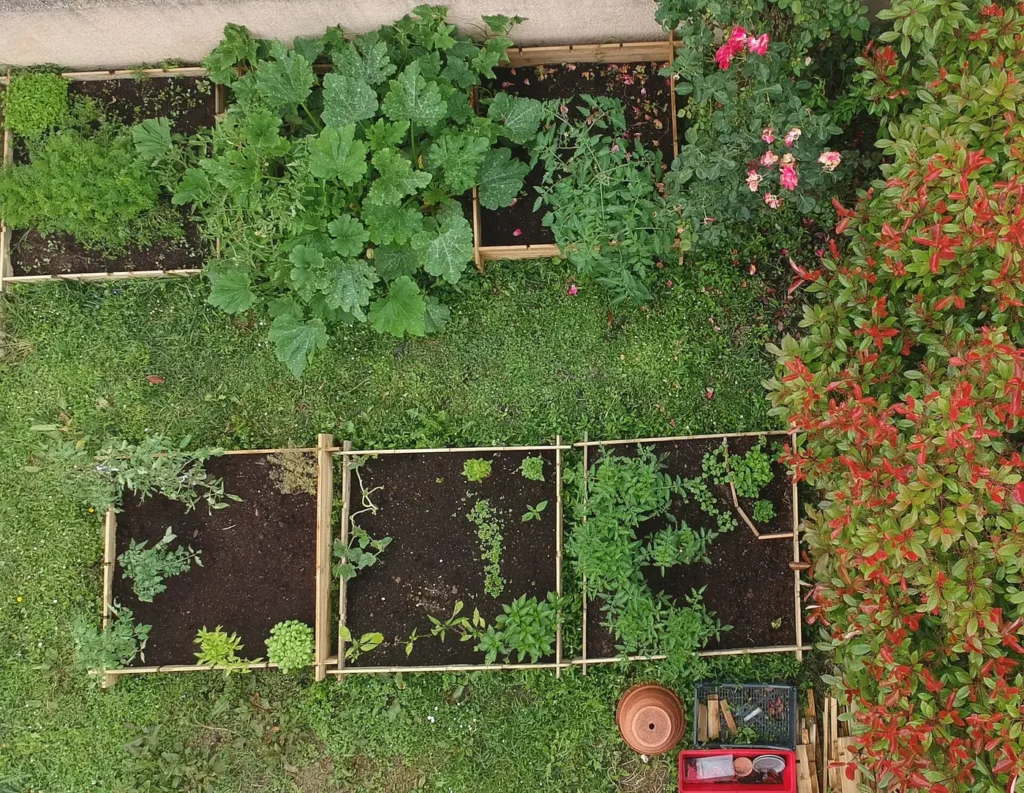
Landscape timbers, boards and logs give a warm, natural look. LSU AgCenter notes that a 4-by-4 post or landscape timber laid at the bed edge provides a rustic restraint to keep mulch in place. Around vegetable beds, choose untreated, naturally rot-resistant wood such as cedar, or modern treated lumber if you are comfortable with it; avoid old railroad ties, which are often treated with creosote, near food crops. Our guide to building a raised garden bed discusses wood choices in detail.
7. Woven willow or wattle
Low fences of woven willow or hazel stems suit cottage and potager gardens and look beautiful, though they last only a few seasons.
8. Living edges
Low, tidy plants make a soft, productive edge. In vegetable and herb gardens, chives, parsley, thyme, lavender, marigolds and alyssum are popular edging plants. Traditional French potagers use low clipped hedges. Living edges look lovely but do not stop grass, so combine them with a spade-cut or hard edge where beds meet lawn. Our guide to potager gardens covers edging plants, and starting an herb garden covers growing them.
9. Gravel or mulch strips
A narrow strip of gravel or mulch between lawn and bed creates a buffer that makes mowing easier and keeps soil off paths. Use a hard edge on the lawn side to keep gravel in place.
10. Upcycled edging
For a quirky, budget-friendly look, gardeners use old bricks, roof tiles, upturned glass bottles, or even plates set on edge. Mississippi State Extension notes that breakable edges make trimming harder, so they suit areas away from the mower.
How to install garden edging
Spade-cut edge
- Mark the line with a garden hose or rope for curves, or string and stakes for straight lines.
- Cut straight down about 4 inches deep along the line with a sharp, flat spade, standing in the lawn and facing the bed.
- Make an angled cut from the bed side down to the bottom of the first cut, and lift out the wedge of soil and grass.
- Clean up loose soil and fill the bed side with mulch, leaving the trench partly open.
- Recut the edge a few times each season to keep it crisp.
Steel or aluminum edging
- Cut a narrow trench along the bed line with a spade or edging tool.
- Set the edging in the trench, with the top about half an inch above soil level so the mower can pass over it.
- Drive in the stakes supplied with the edging, and join sections securely.
- Backfill and firm the soil on both sides.
Brick or paver mowing strip
- Dig a trench slightly wider than the bricks and a few inches deeper than their thickness.
- Add a base of compacted gravel and a layer of sand.
- Set the bricks level with the lawn surface, tapping them into the sand.
- Fill the gaps with sand and water it in.
Edging for vegetable gardens and raised beds
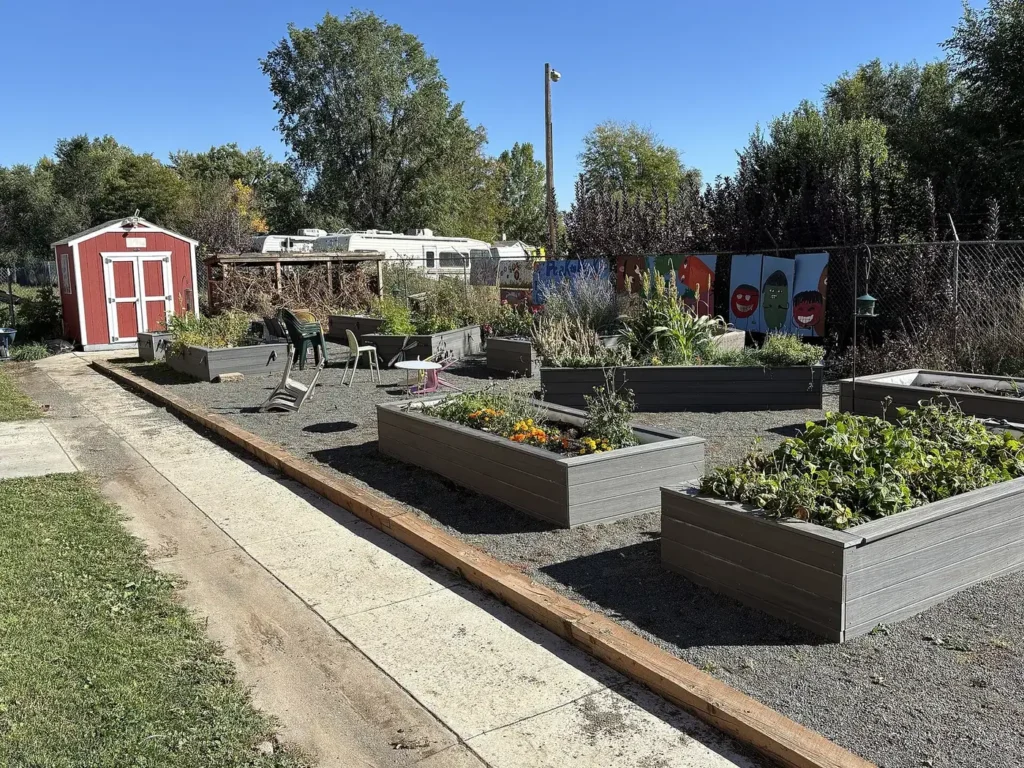
- Raised beds have built-in edges. Focus instead on the paths between them: wood chips, gravel or grass with a hard edge. Our raised garden bed ideas show many options.
- In-ground vegetable beds benefit from a hard edge where they meet lawn, which stops grass runners invading the growing area.
- Keep edges low near paths to avoid tripping when carrying harvests.
- Use food-safe materials next to edible crops.
- Mulch the beds inside the edge; the mulch calculator works out how much you need.
Edging ideas by garden style
| Style | Edging that suits it |
|---|---|
| Formal | Clipped low hedges, brick, cut stone, concrete curbing |
| Cottage | Natural stone, woven willow, flowing living edges |
| Modern | Steel or aluminum strips, concrete pavers, gravel strips |
| Naturalistic or woodland | Spade-cut edges, logs, fieldstone |
| Kitchen garden or potager | Brick, timber, herb edging, low hedges |
Budget edging ideas
- A spade and a few hours: the spade-cut edge is free.
- Salvaged brick and stone from building sites, community marketplaces or your own yard.
- Logs and branches from pruning or tree work.
- Edging plants grown from seed, such as alyssum, marigolds and parsley.
Our guide to starting a vegetable garden on a budget has more money-saving ideas, and the garden cost estimator helps you price a larger project.
Maintaining edges
- Recut spade edges in spring, early summer and fall.
- Trim along hard edges with shears or a string trimmer as needed.
- Reset heaved edging after winter frost.
- Top up mulch inside the edge each spring.
- Pull grass runners that sneak under or over edging before they root into the bed.
Common edging mistakes
- Edging too shallow, so grass roots pass underneath.
- Edging set too high, creating a tripping hazard and catching the mower.
- Installing permanent edging on a new bed before its shape has settled.
- Tight bed lines close to plants, which Illinois Extension notes can make a bed look confined.
- Choosing plastic for a long-term edge.
- Using treated railroad ties next to vegetables.
Edging around trees
A mulched ring around a tree protects the trunk from mower and string trimmer damage, holds moisture and reduces competition from grass. Edge the ring with a spade cut or a low, simple border, and follow a few rules:
- Make the ring wide: at least 3 feet across for young trees, and wider as the tree grows.
- Keep mulch away from the trunk: spread 2 to 3 inches of mulch but leave a few inches of bare space around the base, rather than piling mulch against the bark.
- Do not build raised edging over roots: adding soil or stacking heavy stones over a tree’s roots can harm it.
- Avoid deep trenching close to mature trees, where you may cut major roots; a shallow spade edge is enough.
How deep and high should edging be?
| Situation | Depth below ground | Height above ground |
|---|---|---|
| Bed next to lawn grass | About 4 in, enough to stop most grass runners | About ½ in, so the mower can pass |
| Bed next to an aggressive spreading grass | 6 in or more | About ½ to 1 in |
| Mulch or gravel path | 2 to 4 in | 1 to 2 in, enough to hold the material |
| Mowing strip | Set on a compacted base | Level with the lawn |
| Decorative border away from the mower | Enough to sit firmly | Any height you like |
Spreading grasses such as Bermuda grass can travel under shallow edges, so go deeper and check the edge regularly in warm climates.
Paths and edges together
Paths and edges work as a pair. A defined path keeps feet off growing beds, which protects soil structure, and the edge holds the path material in place. In vegetable gardens, paths of 18 to 24 inches with at least one wider route for a wheelbarrow work well. Oregon State University Extension’s guide to raised bed gardening explains why keeping foot traffic out of beds matters, and the University of Maryland Extension’s vegetable garden planning resources cover laying out beds and paths. Plan your own with the garden layout generator.
Frequently asked questions
What is the best edging for garden beds?
Steel and brick are among the most durable and attractive, while a spade-cut edge is free and easy to change. Plastic edging is cheap but tends to heave out of the ground.
How deep should garden edging be?
About 4 inches deep is enough to stop most lawn grasses from creeping into beds.
What is the cheapest garden edging?
A spade-cut edge costs nothing. Salvaged brick, stone and logs are other low-cost options.
How do I make a spade-cut edge?
Cut straight down about 4 inches along the bed line, then cut at a 45-degree angle from the bed side to remove a wedge of soil, leaving a small trench that holds mulch.
Is it safe to use railroad ties around vegetable gardens?
It is best to avoid them. Old railroad ties are often treated with creosote. Use untreated, rot-resistant wood, brick or stone near food crops.
What plants make good garden edging?
Low, tidy plants such as chives, parsley, thyme, lavender, alyssum and marigolds make attractive living edges, especially in vegetable and herb gardens.
How do I keep grass out of my garden beds?
Install a physical edge about 4 inches deep, such as steel, brick or a spade-cut trench, and pull any runners promptly.