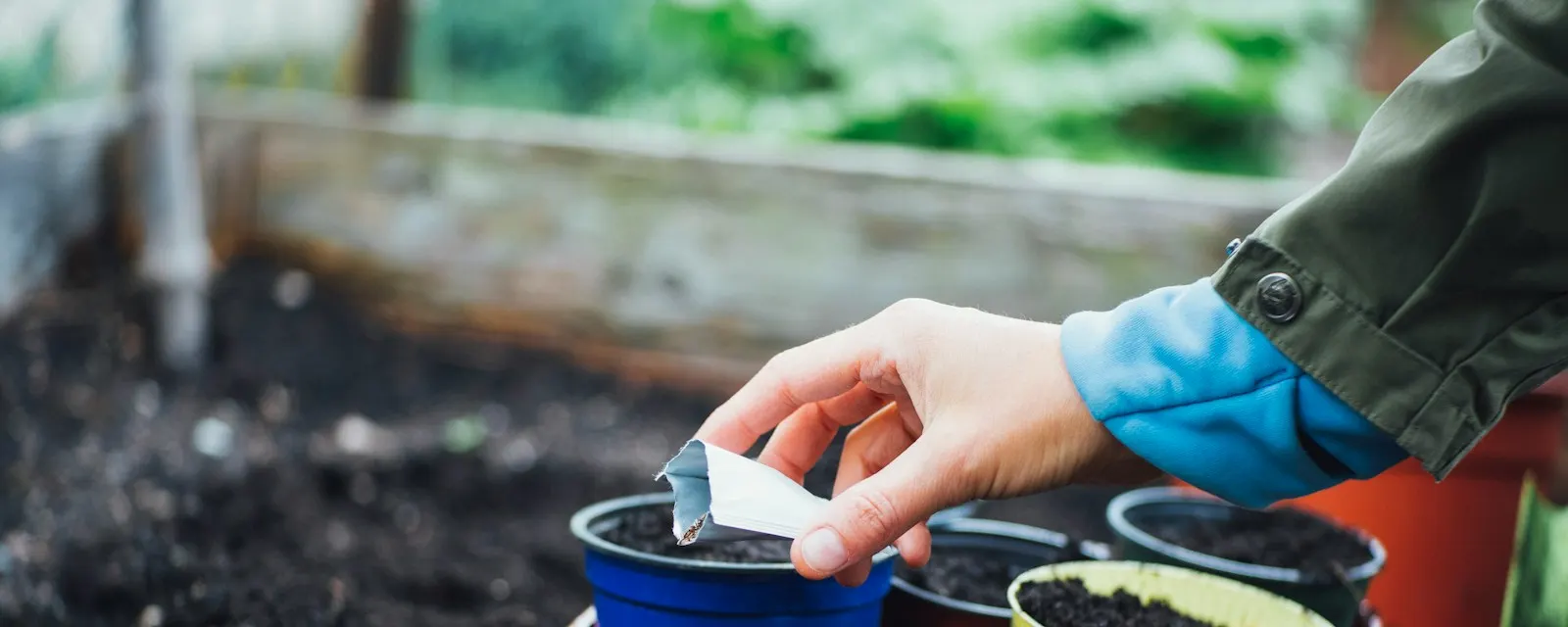
Good planting decisions set up the whole season: the right crops for your sun and space, the right spacing so plants are neither crowded nor wasted, and the right depth so seeds actually come up. These free tools cover every step, backed by our database of common vegetables, herbs and fruit.
Each tool uses typical figures from seed catalogs and university Cooperative Extension guidance, and explains how it works so you can adjust for your own varieties.
Planting tools
- Plant DatabaseSpacing, planting depth, sun, season and days to maturity for common vegetables, herbs and fruit, in one searchable chart.Open tool →
- Plant FinderFilter plants by sun, season and space to see what suits your garden.Open tool →
- Plant Spacing CalculatorSee how many plants fit in your space using square, row or triangular spacing.Open tool →
- Square Foot Gardening CalculatorSee how many of each plant fit per square, and totals for your bed size.Open tool →
- Seed Quantity CalculatorEstimate how many seeds to sow, allowing for germination rate and thinning.Open tool →
- Garden Size CalculatorMeasure the usable growing area of your garden in square feet, with paths taken out.Open tool →
- Garden Row CalculatorCalculate how many rows fit and how many plants each row holds.Open tool →
- Planting Depth CalculatorFind how deep to sow seeds and set bulbs and transplants.Open tool →
- Companion Plant FinderLook up good and bad neighbors for common vegetables and herbs.Open tool →
- Sunlight Requirement FinderMatch plants to the hours of sun your garden actually gets.Open tool →
- Growing Zone FinderChoose your USDA hardiness zone to see what it means for your garden.Open tool →
Planting guides
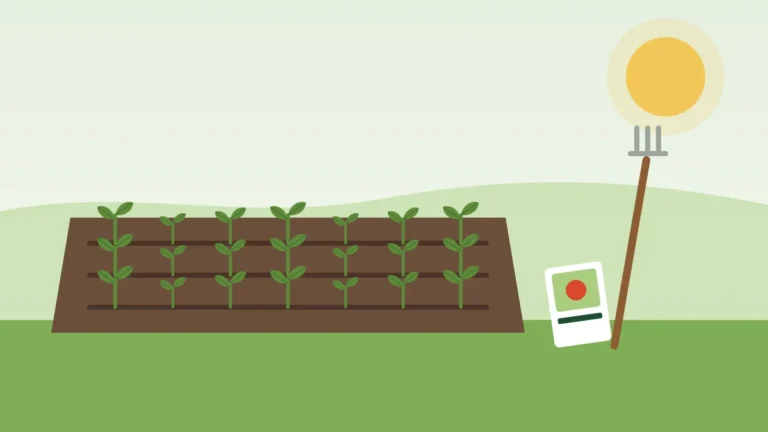
Planting & Seeds
How to Start a Vegetable Garden: A Step-by-Step Beginner’s Guide
Start your first vegetable garden with confidence: choose the right spot, prepare the soil, pick easy crops, plant at the right time and care for it until harvest.
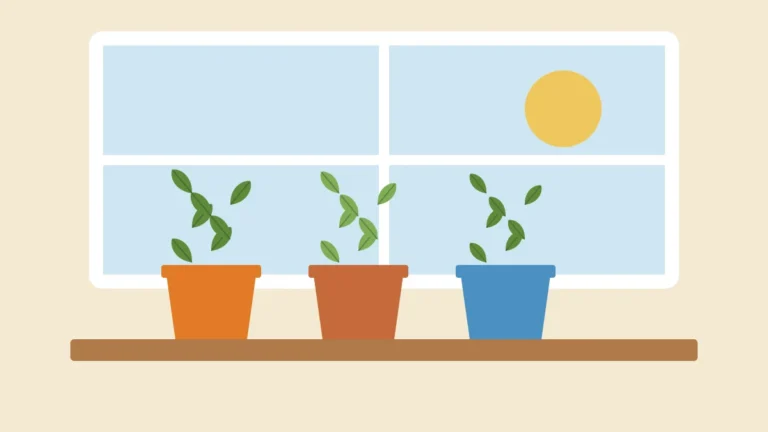
Planting & Seeds
How to Start an Herb Garden (Indoors & Outdoors)
Start an herb garden indoors or outdoors: the best herbs for beginners, sun and soil needs, planting, harvesting, preserving and fixing common problems.
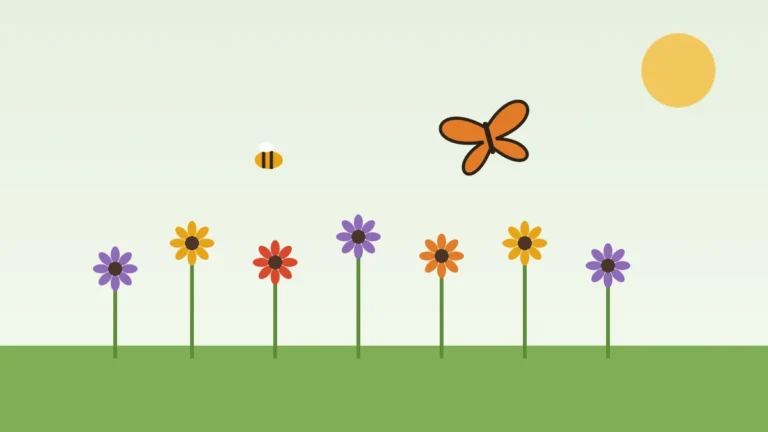
Planting & Seeds
How to Plant a Pollinator Garden (and Butterfly Garden)
Plan and plant a pollinator garden for bees and butterflies: native plants, caterpillar host plants, bloom from spring to fall, a sample bed plan and simple care.
Planting & Seeds
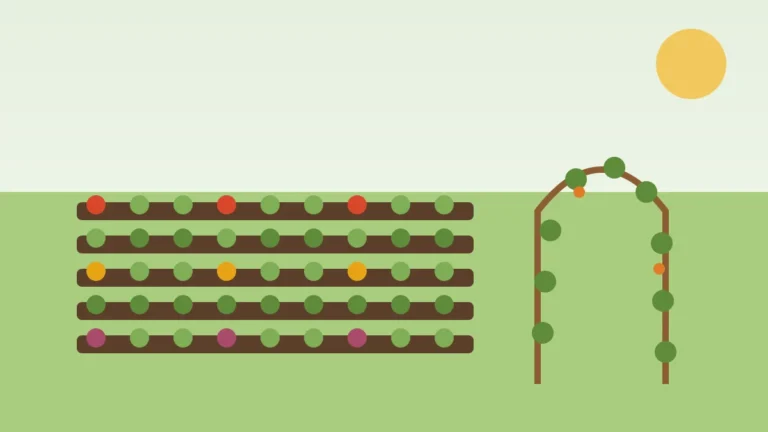
20 Vegetable Garden Ideas for Every Size of Garden
20 practical vegetable garden ideas: layouts, trellises and teepees, themed beds like salsa and pizza gardens, succession planting, season extension and easy-care setups.
Planting & Seeds
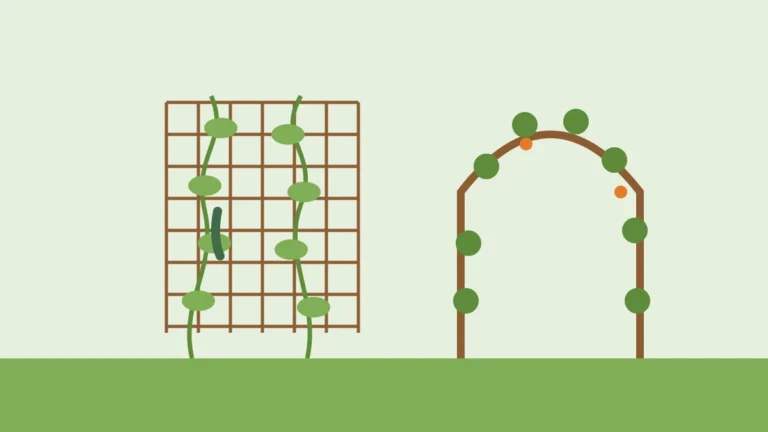
Garden Trellis Ideas: 12 Ways to Grow Vegetables Vertically
12 garden trellis ideas from string and netting to cattle panel arches, which crops to grow, how strong each needs to be, and how to install and train plants.
Planting & Seeds
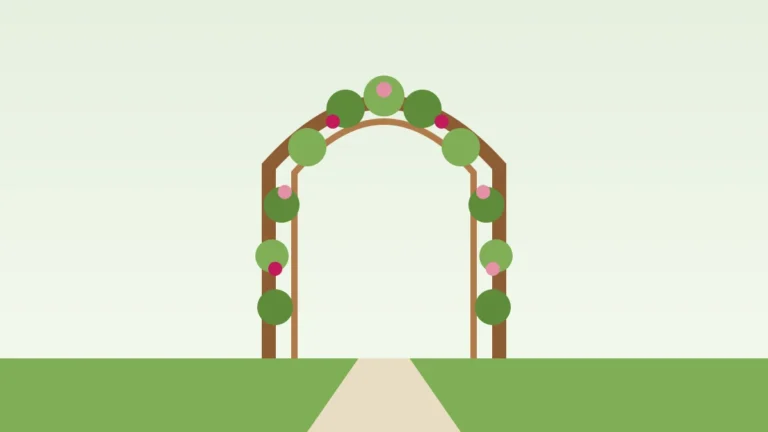
Garden Arches and Arbors: Ideas, Plants & How to Install
Garden arch and arbor ideas: arch vs arbor vs pergola, materials and sizes, the best flowering and edible climbers, a cattle panel vegetable arch, and installation tips.
Where to start
- Choose what to grow with the plant finder, filtering by sun, season, space and time to harvest.
- Check your light with the sunlight requirement finder.
- Work out spacing with the square foot gardening calculator for beds, or the garden row calculator for rows.
- Pair crops sensibly with the companion plant finder.
- Buy the right amount of seed with the seed quantity calculator, then check the planting depth calculator as you sow.
Frequently asked questions
How far apart should I plant vegetables?
It depends on the crop: about 3 inches for carrots, 6 inches for lettuce, 12 inches for peppers and 24 inches for tomatoes. The plant spacing calculator and plant database list spacing for every crop.
How deep should I plant seeds?
A good rule is two to three times the width of the seed. Tiny seeds such as lettuce are barely covered; beans and squash go about an inch deep.
What should I plant in partial shade?
Leafy greens such as lettuce, spinach, kale and chard, and herbs such as parsley, chives and mint, cope best with partial shade.
How many plants fit in a 4×8 bed?
A 4-by-8-foot bed has 32 one-foot squares. Depending on the crop, a square holds 1 to 16 plants. The square foot gardening calculator works out the total.