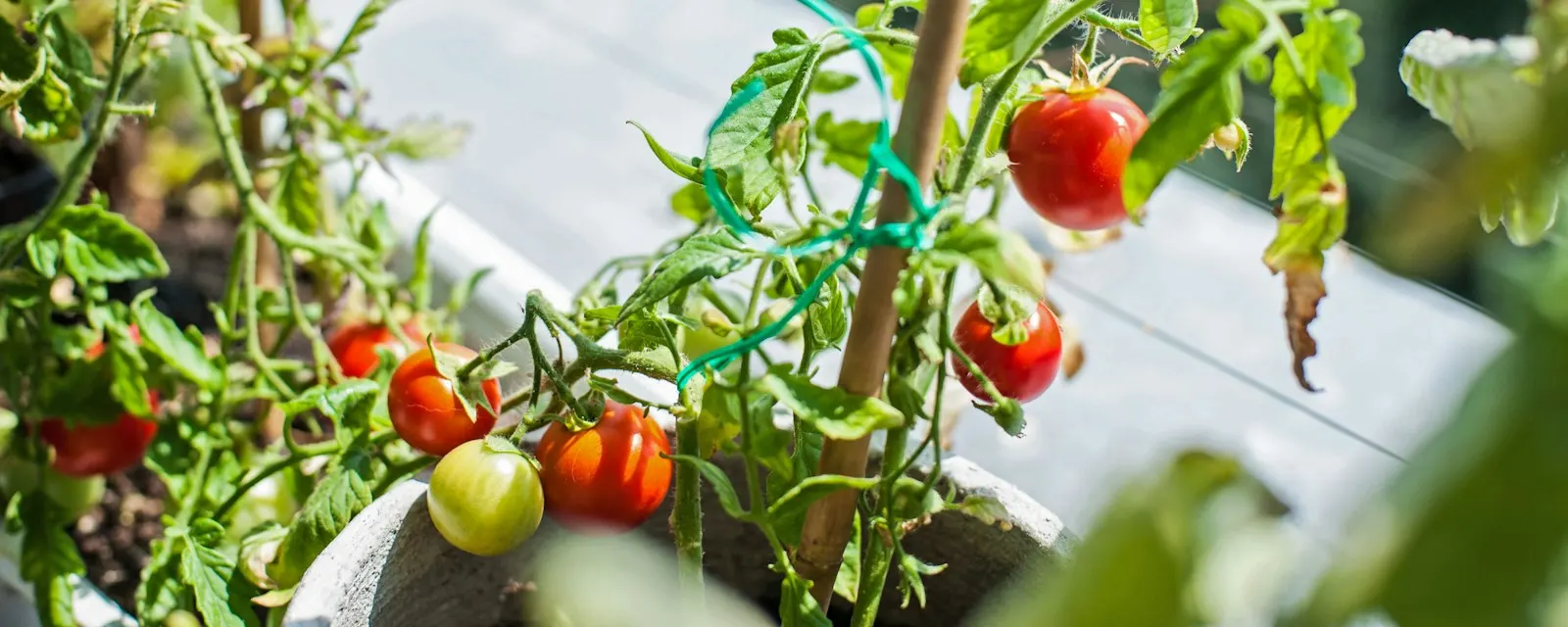
When a plant looks wrong, the cause is often not what it first seems. Yellow leaves can mean too much water, too little nitrogen, a pest or a disease, and the fixes are completely different. These free diagnostic tools ask a few quick questions about what you see and rank the most likely causes, with what to check and what to do.
They cover the problems home gardeners meet most often, and they are a starting point: for serious or unusual problems, your local Cooperative Extension service can often confirm a diagnosis.
Plant Problems tools
- Plant ProblemsAnswer a few questions about your plant to narrow down what is wrong.Open tool →
- Yellow Leaf IdentifierFind the likely cause of yellow leaves from where and how they yellow.Open tool →
- Overwatering CheckerCompare your plant's symptoms with the signs of too much and too little water.Open tool →
- Pest IdentifierIdentify common garden pests from the damage they leave.Open tool →
Plant Problems guides
Plant Problems
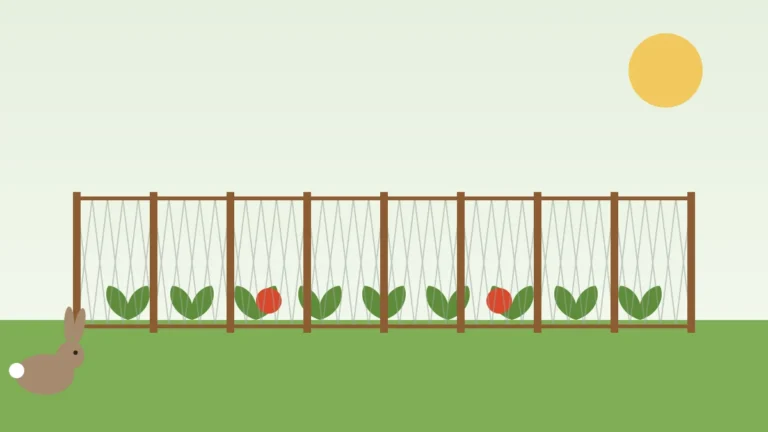
How to Keep Animals Out of Your Garden: Deer, Rabbits & Squirrels
Identify which animal is eating your garden, then stop it: fence heights for rabbits, deer and groundhogs, covers for squirrels and birds, and the remedies that rarely work.
Plant Problems
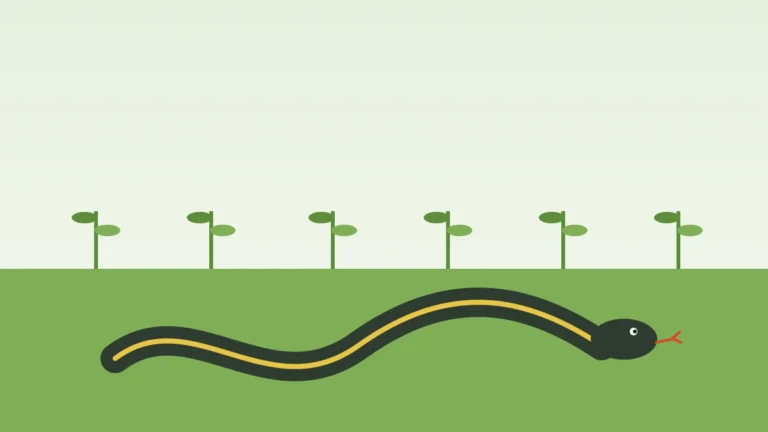
Garden Snakes: Identification, Benefits & What to Do
How to identify a garden (garter) snake, other harmless yard snakes, venomous look-alikes, what to do when you find one, how to discourage snakes and snakebite safety.
Plant Problems
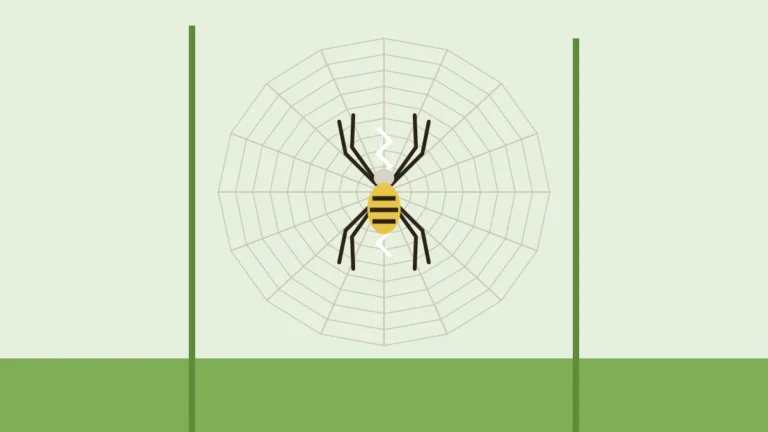
Garden Spiders: Yellow Garden Spider ID, Egg Sacs & Benefits
Identify the yellow garden spider and other common garden spiders, learn whether they bite, what their egg sacs look like, and how they help control pests.
Plant Problems
Garden Snails and Slugs: How to Identify and Get Rid of Them
How to identify garden snails and slugs and their damage, and get rid of them with a layered plan: hiding places, watering, handpicking, traps, copper barriers, safer baits and predators.
Plant Problems
Garden Fence Ideas: 12 Fences for Animals, Privacy & Style
Garden fence ideas for every purpose: how tall a fence must be for rabbits, groundhogs and deer, materials compared, edible and decorative fences, and how to install one.
Plant Problems
Common Tomato Problems and How to Fix Them
Blossom end rot, cracking, yellow leaves, blights, wilting and hornworms: how to identify the most common tomato problems and what to do about each.
Where to start
- Not sure what is wrong? Start with the plant problem identifier.
- Yellow leaves? The yellow leaf identifier sorts nutrient, water, pest and disease causes.
- Drooping or soggy soil? The overwatering checker tells you whether to water or wait.
- Holes or insects? The pest identifier names the likely culprit and gentle controls.
Look closely first. Check which leaves are affected, turn leaves over, and feel the soil a few inches down. Those three clues solve most problems. Tomatoes have their own guide: common tomato problems and how to fix them.
Frequently asked questions
Why are my plant’s leaves turning yellow?
Common causes include overwatering, nitrogen shortage, normal aging of lower leaves, leaf diseases and pests. Where the yellowing starts is the most useful clue.
How do I know if I am overwatering?
Soil that stays wet a few inches down, limp yellow leaves and wilting that lasts into the cool morning are typical signs.
What is eating holes in my leaves?
Tiny round holes suggest flea beetles; ragged holes with slime trails suggest slugs; large holes with droppings suggest caterpillars. Check plants at dawn or dusk to spot the pest.