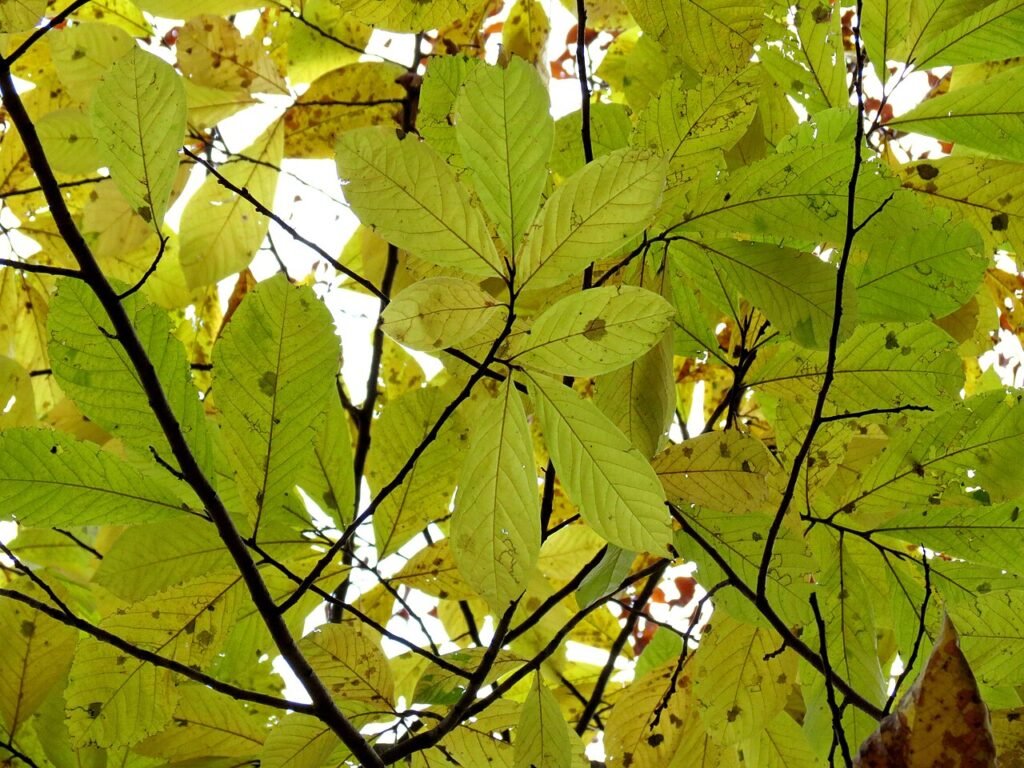
Pawpaw (Asimina triloba) is a native North American tree with custard-like fruit. University of Georgia Extension lists it as hardy in USDA zones 5a to 9b, with mature trees reaching about 15 to nearly 30 feet tall and wide. Find your growing zone first.
Pawpaw at a glance
| Type | Fruit |
|---|---|
| Season | Perennial |
| Sun | Full sun |
| Plant spacing | 120 in |
| Row spacing | 120 in |
| Per square foot | 1 |
| Seed depth | At surface |
| Days to maturity | Fruit 4–8 years after planting |
| How to start | UGA says transplanting nursery stock is the practical choice for home gardeners, because growing from seed is labor-intensive. |
| Water | 1 in per week |
These are the same numbers our plant spacing, square foot and harvest date calculators use. See every crop in the plant database.
When to plant pawpaw
UGA says transplanting nursery stock is the practical choice for home gardeners, because growing from seed is labor-intensive. Fruit typically appears 4 to 8 years after planting. Blooms emerge in early May as maroon or purple flowers, and fruit begins ripening in September.
How to plant pawpaw
- Give young trees partial shade; mature trees prefer plenty of sun.
- Use well-drained, slightly acidic soil.
- Plant at least two trees of different varieties for cross-pollination. UGA names 'Overleese' and 'Mango' as high performers in a 1990s regional trial in Tifton, Georgia. See the plant spacing calculator.
Caring for pawpaw
Young trees need stable soil moisture, so water consistently; the garden watering calculator can help. UGA describes pawpaw as generally free of diseases and insects, needing minimal pest control or pruning.
Pollinators are flies and beetles rather than bees, and their unreliability can make yields vary from year to year. Hand pollination can increase yields. Compounds in the bark deter deer.
Companion plants
| Grow nearby | A second, different pawpaw variety |
|---|---|
| Keep apart | Planting a single tree |
One tree usually will not cross-pollinate; pair different varieties. Check other pairings with the companion plant finder.
Common problems
| Problem | What you see | What to do |
|---|---|---|
| Uneven fruit set | Flowers but few fruit | Pollinators are flies and beetles, which can be unreliable; hand pollination can help. |
| Young tree stress | Scorch or dry-out in the first years | Young trees need partial shade and stable soil moisture. |
Not sure what you are looking at? The plant problem identifier ranks likely causes from the symptoms you see.
When and how to harvest
Fruit ripens from September; the skin changes from green to yellow and black, and ripe fruit falls from the tree. Harvest promptly because fruit spoils quickly; refrigeration extends shelf life. Eat the flesh with a spoon and discard seeds and skin, or use it in smoothies, ice cream or baked goods, often in place of bananas.
Plan your pawpaw
- Plant spacing calculator: how many plants fit your bed
- Planting calendar: sowing and transplant dates for your frost dates
- Frost dates by ZIP code: your last spring and first fall frost
- Harvest date calculator: when your crop will be ready
Frequently asked questions
How far apart should I plant pawpaws?
Space pawpaws 120 inches apart in rows 120 inches apart. In a square foot garden, plant 1 per square foot.
How deep do I plant pawpaw trees?
Plant nursery stock and shade young trees; mature trees prefer sun.
How long do pawpaws take to grow?
Fruit typically appears 4 to 8 years after planting and ripens from September, per UGA.
How much water do pawpaws need?
About 1 inch of water a week, from rain and watering combined. Young trees need stable soil moisture, so water consistently.
Do I need two pawpaw trees?
Yes, at least two trees of different varieties for cross-pollination.
Is pawpaw cold-hardy?
UGA lists USDA zones 5a to 9b.
How long until pawpaw fruit?
Typically 4 to 8 years after planting.