Garden lime is one of the oldest and most effective soil treatments, and one of the most misused. Applied to acidic soil that needs it, lime can transform a struggling vegetable garden: plants take up nutrients more easily, grow more vigorously and produce better crops. Applied to soil that does not need it, lime can push the pH too high and cause nutrient deficiencies that are hard to reverse.
This guide explains what garden lime does, how to tell whether your soil needs it, the different types of lime, how much to apply and when, and the mistakes to avoid. The short version: test first, then lime only if the test says so.
What is garden lime?
Garden lime is ground limestone, a natural rock made mostly of calcium carbonate. When it is mixed into acidic soil, it neutralizes some of the acidity and raises the soil’s pH. It also supplies calcium, and one type, dolomitic lime, supplies magnesium too.
A quick guide to soil pH
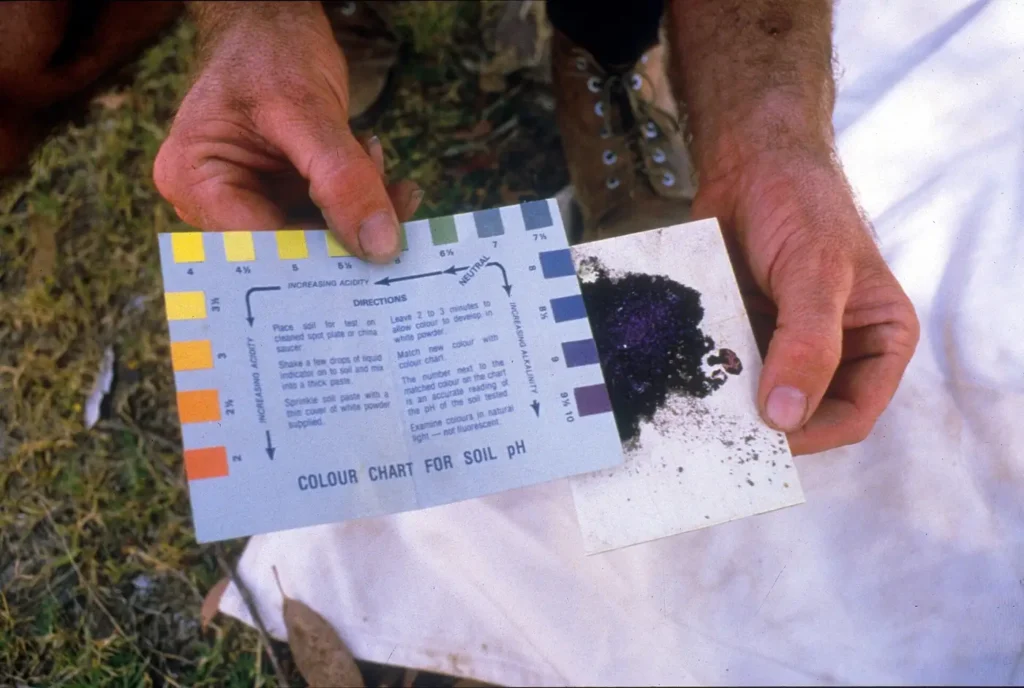
Soil pH measures acidity on a scale from 0 to 14. A pH of 7.0 is neutral; lower numbers are acidic and higher numbers are alkaline. Each whole number is a tenfold change, so soil at pH 5.0 is ten times more acidic than soil at 6.0.
| pH | Description | What it means for vegetables |
|---|---|---|
| Below 5.5 | Strongly acidic | Many nutrients become less available; most vegetables struggle |
| 5.5 to 6.0 | Moderately acidic | Often benefits from lime for most vegetables |
| 6.0 to 6.5 | Slightly acidic | Ideal for most vegetables |
| 6.5 to 7.0 | Near neutral | Fine for most vegetables |
| Above 7.0 | Alkaline | Do not lime; some nutrients, such as iron, become less available |
Mississippi State University Extension puts the ideal pH for vegetable garden soils at 6.0 to 6.5, and Clemson Extension’s guide to liming and fertilizing vegetables gives the same range for most vegetables.
Why soil becomes acidic
Many soils are naturally acidic, especially in regions with high rainfall. Rain and irrigation gradually wash calcium and magnesium out of the soil, nitrogen fertilizers add acidity over time, and decomposing organic matter releases acids. That is why soils limed to the right pH slowly drift back toward acidity, and why liming is something you revisit every few years rather than a one-time fix.
Soils in the eastern and southeastern United States and the Pacific Northwest are often acidic, while many soils in the arid West are naturally alkaline and rarely need lime. But soils vary greatly even within a single yard, so only a test tells you for sure.
Step 1: Test your soil first
A soil test is the single most important step. Mississippi State Extension calls the lime recommendation the single most important piece of information on a soil test report, and notes that soil testing is the only way to know your soil’s pH. Its laboratory found that about half of the garden soils it analyzed over a five-year period had a pH of 5.9 or below and needed lime: a reminder that many gardens do need it, and many do not.
How to get a soil test
- Contact your county Cooperative Extension office for a sample bag and instructions. Tests are usually inexpensive.
- Take samples from several spots across the garden, each about 6 inches deep, and mix them in a clean bucket.
- Send in a cup or so of the mixed sample, noting that you are growing vegetables.
- Read the report: it shows your pH, nutrient levels and, if needed, how much lime to apply for your soil.
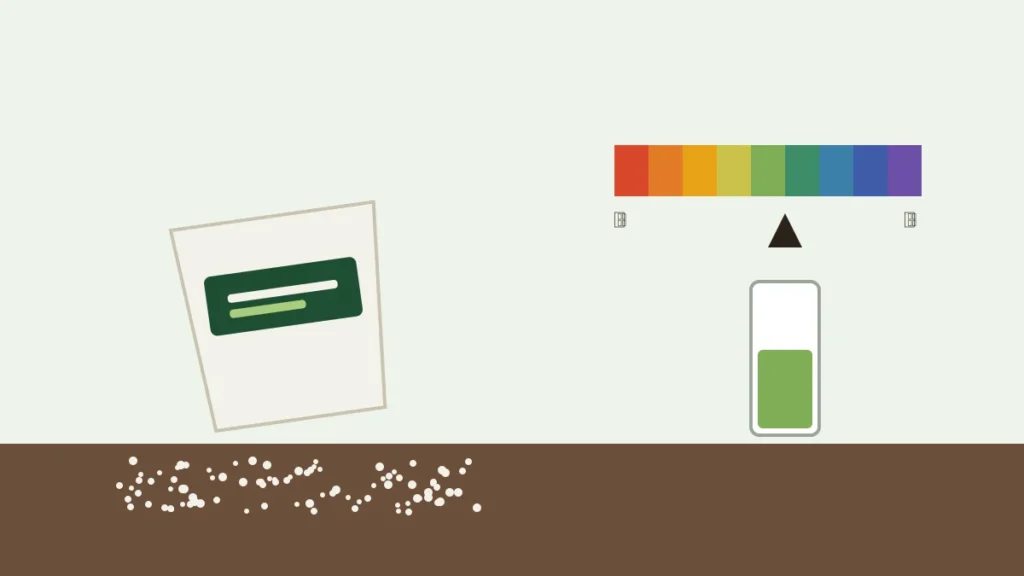
Home test kits and meters give a rough pH reading, but a laboratory test is far more accurate, and it also measures how strongly your soil resists pH change, which determines how much lime it needs.
Why the same pH can need different amounts of lime
Clay soils and soils rich in organic matter resist pH change more than sandy soils. To raise the pH by the same amount, a clay soil can need considerably more lime than a sandy one. That is why laboratory recommendations are tailored to your soil, and why a general rule of thumb is only a starting point.
Step 2: Choose the right type of lime
| Type | What it contains | When to use it |
|---|---|---|
| Calcitic lime | Mostly calcium carbonate | Acidic soil that already has enough magnesium |
| Dolomitic lime | Calcium and magnesium carbonates | Acidic soil that is also low in magnesium |
| Pelletized lime | Finely ground calcitic or dolomitic lime, formed into pellets | Same as above; easier to spread with less dust |
| Hydrated lime | Calcium hydroxide | Acts quickly but is caustic and easy to overapply; not recommended for most home gardens |
Mississippi State Extension explains that the soil’s calcium and magnesium levels decide the type: acidic soils low in magnesium should get dolomitic lime, while soils high in magnesium can take either. UConn Extension notes in its guide to liming soils that dolomitic limestone is the most widely available and usually recommended, with calcitic limestone called for when magnesium is already above optimum.
What about wood ash, eggshells and gypsum?
- Wood ash raises pH and supplies potassium, but its strength varies. Use it sparingly, and never on soil that is already neutral or alkaline.
- Eggshells are mostly calcium carbonate but break down very slowly; they will not change pH meaningfully in a season.
- Gypsum (calcium sulfate) supplies calcium but does not raise pH, so it is not a substitute for lime.
Step 3: Work out how much lime to apply
Always follow your soil test recommendation if you have one. As a general guide only, University of Florida IFAS Extension’s publication on soil preparation and liming for vegetable gardens says that a pH below 5.5 indicates a need for lime, and that 2 to 3 pounds of dolomitic lime per 100 square feet is an effective application. Here is what that rate works out to for common garden sizes:
| Area | At 2 lb per 100 sq ft | At 3 lb per 100 sq ft |
|---|---|---|
| One 4 × 8 ft raised bed (32 sq ft) | About 0.6 lb | About 1 lb |
| 10 × 10 ft garden (100 sq ft) | 2 lb | 3 lb |
| 20 × 25 ft garden (500 sq ft) | 10 lb | 15 lb |
| 1,000 sq ft | 20 lb | 30 lb |
Your soil test may recommend more or less, depending on your soil type and how far the pH needs to move. The same Florida publication warns that too much lime can be just as bad as too little, so do not round up generously. The garden size calculator helps you measure your growing area accurately.
Step 4: Apply lime at the right time
Lime works slowly. It has to dissolve and react with the soil before the pH changes, which takes weeks to months.
- Apply well ahead of planting. Mississippi State Extension recommends 2 to 3 months before planting, and Clemson Extension suggests at least three months.
- Fall is ideal for spring gardens: UConn Extension calls fall the perfect time to test, because any lime you apply has time to start working before spring planting.
- Do not apply lime at the same time as nitrogen fertilizers containing ammonium or urea; separate them by a few weeks, as lime can increase nitrogen loss when they are mixed on the surface.
Our fall garden prep guide fits liming into your end-of-season jobs.
Step 5: Spread and mix it in
- Wear gloves, eye protection and a dust mask, especially with powdered lime.
- Spread evenly over the whole area, using a drop or broadcast spreader for large gardens, or by hand for beds.
- Work it into the soil. Mississippi State Extension recommends mixing lime into the top 4 to 5 inches, and Clemson notes that lime moves very little in soil, so incorporating it changes the pH in the root zone much faster.
- Water it in lightly.
In no-dig gardens and established perennial beds, lime can be spread on the surface instead, but it works much more slowly and mainly affects the top inch or two.
Step 6: Retest every few years
Limed soil slowly becomes acidic again. Mississippi State Extension recommends testing every three years to see whether more lime is needed. Keeping a simple record of test results and what you applied helps you see the trend.
Which plants need lime, and which do not
| Plants | Preferred pH | Lime? |
|---|---|---|
| Most vegetables, including beans, tomatoes, peppers, lettuce, onions | About 6.0 to 6.5 | If the soil test shows acidity |
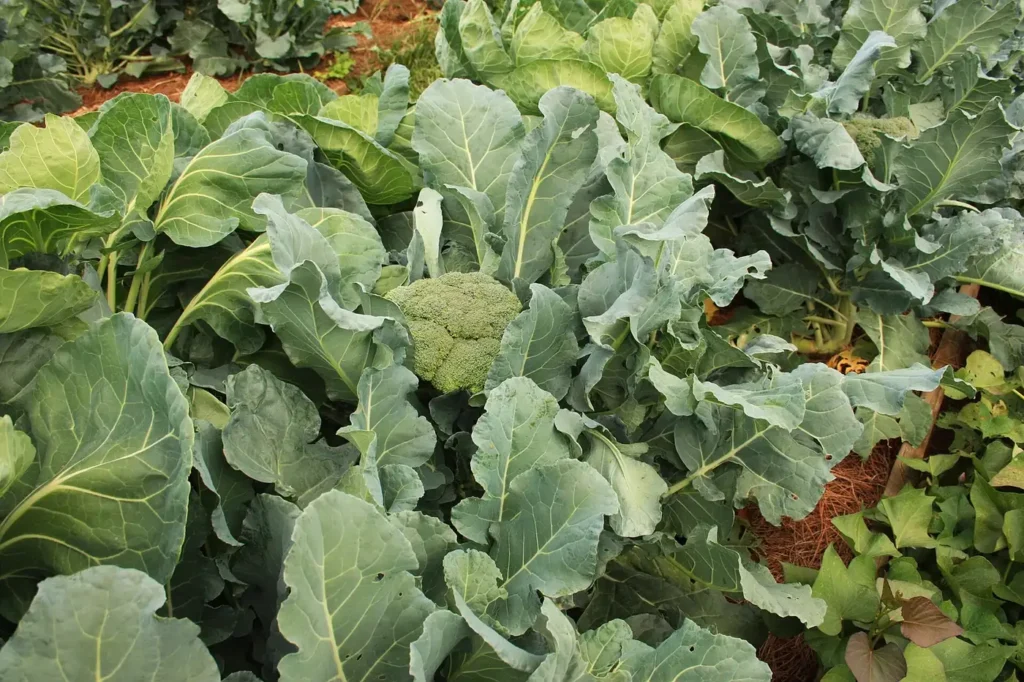
| Cabbage family: cabbage, broccoli, cauliflower, kale | Near neutral | Often benefit from lime in acidic soil |
| Potatoes | Slightly acidic | Avoid raising pH too high; alkaline soil favors potato scab |
| Blueberries, azaleas, rhododendrons | Acidic, about 4.5 to 5.5 | Never lime |
Keep lime well away from blueberries and other acid-loving plants. If your soil is too alkaline for them, elemental sulfur can lower the pH, again guided by a soil test.
Lime and blossom end rot
Blossom end rot on tomatoes and peppers is caused by a shortage of calcium in the developing fruit, so lime is often suggested as a cure. In most gardens, though, the soil has enough calcium, and the real cause is uneven watering, which stops the plant moving calcium to the fruit. Lime helps only if a soil test shows low calcium or low pH. Our guide to common tomato problems and our article on how often to water a vegetable garden cover the watering fix.
Lime in raised beds and containers
Bagged raised bed mixes and potting soils are usually adjusted to a suitable pH when sold, so they rarely need lime in the first year. Over several years, as you add compost and fertilizer, the pH can drift, so test raised bed soil every few years just as you would in-ground soil. Our guide to raised bed soil covers mixes, and the raised bed soil calculator works out volumes.
Signs your soil may be too acidic
- Plants grow slowly and look pale despite fertilizing.
- Cabbage-family crops are stunted.
- Moss spreads in lawns and paths.
- Fertilizers seem to have little effect.
These symptoms have other causes too, including poor drainage and nutrient shortages, so treat them as a reason to test, not as proof. The yellow leaf identifier helps narrow down causes of pale leaves.
Common liming mistakes
- Liming without a soil test, including on soils that are already neutral or alkaline.
- Applying too much in the hope of faster results.
- Liming right before planting and expecting an immediate change.
- Leaving lime on the surface in vegetable beds instead of working it in.
- Using the wrong type, such as calcitic lime on magnesium-deficient soil.
- Liming around blueberries and other acid-loving plants.
- Never retesting.
Frequently asked questions
What does garden lime do?
Garden lime raises the pH of acidic soil, making nutrients more available to plants, and supplies calcium. Dolomitic lime also supplies magnesium.
How do I know if my garden needs lime?
Test your soil. If the pH is below the ideal range of about 6.0 to 6.5 for vegetables, the test report will tell you how much lime to apply.
How much lime should I put on my garden?
Follow your soil test. As a general guide, University of Florida Extension suggests 2 to 3 pounds of dolomitic lime per 100 square feet when pH is below 5.5.
When is the best time to lime a garden?
Two to three months or more before planting. Fall is ideal for spring gardens, giving lime time to work.
What is the difference between dolomitic and calcitic lime?
Calcitic lime is mostly calcium carbonate. Dolomitic lime contains both calcium and magnesium, and is recommended when soil is low in magnesium.
Can you put too much lime on a garden?
Yes. Overliming raises pH too high and makes nutrients such as iron and manganese less available. It is much harder to lower pH than to raise it.
How long does lime take to work?
Weeks to months. It works faster when finely ground and mixed into the soil, and more slowly when left on the surface.
Do tomatoes like lime?
Tomatoes prefer slightly acidic soil, about 6.0 to 6.8. Lime helps only if a soil test shows acidic soil or low calcium; it is not a reliable cure for blossom end rot.