You plant a row of lettuce in the evening and wake up to find nothing but stumps and silvery trails. Snails and slugs are among the most frustrating garden pests: they feed at night, hide during the day, and can wipe out seedlings, hostas, strawberries and salad greens in a few nights. The good news is that a combination of simple, low-toxicity methods keeps them under control in almost any garden.
This guide explains how to identify garden snails and slugs and their damage, how they live, and the most effective ways to manage them, from removing hiding places and handpicking to traps, barriers, safer baits and natural predators. It also covers the popular remedies that do not work, and basic safety when handling them.
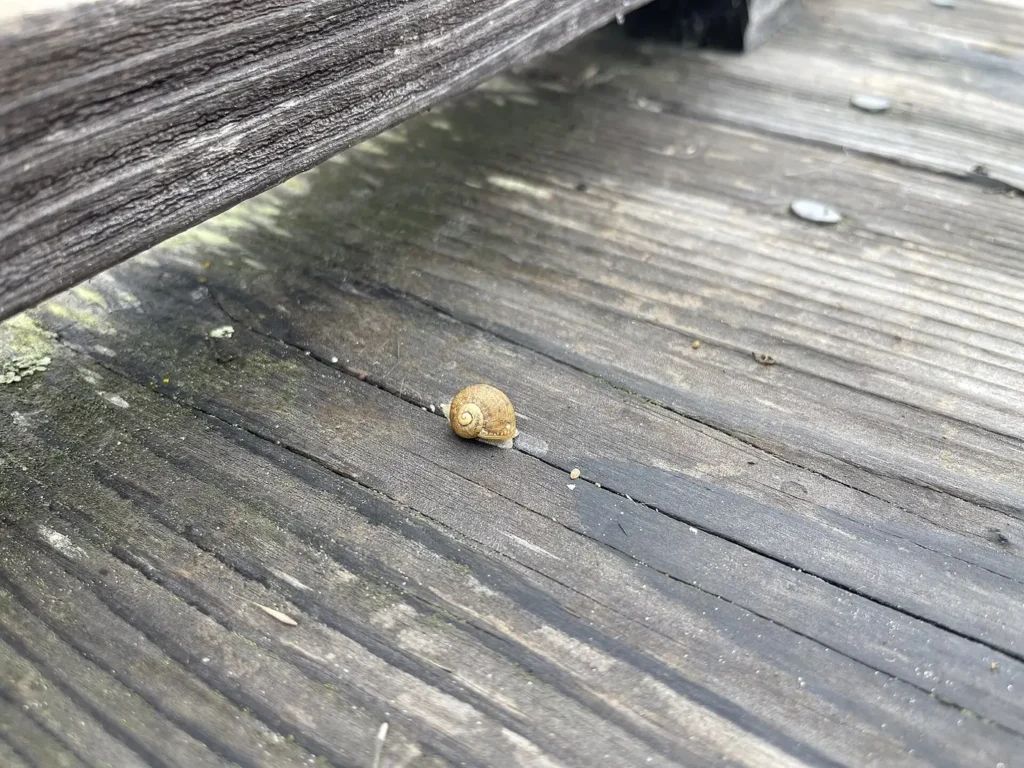
Snails vs. slugs
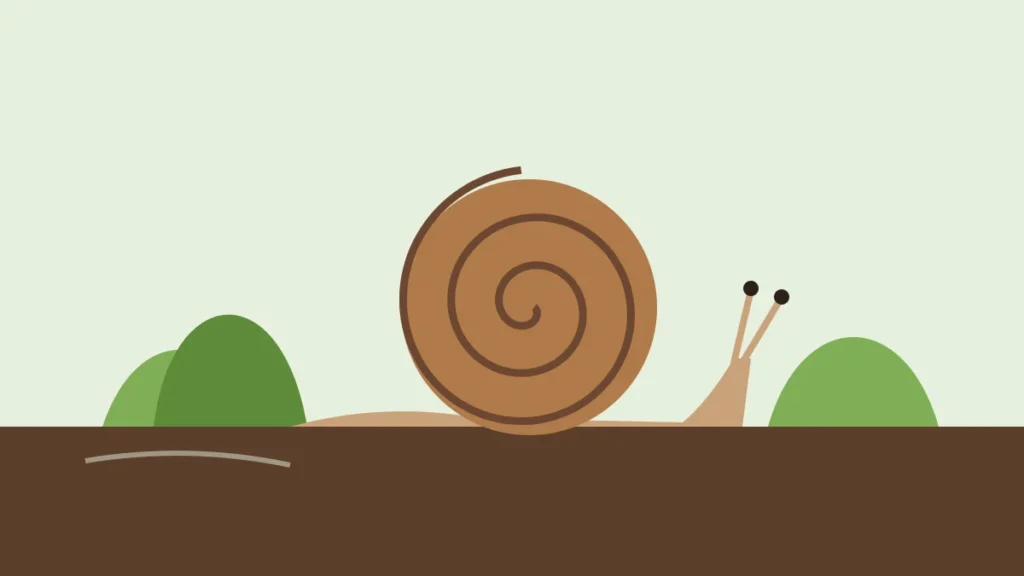
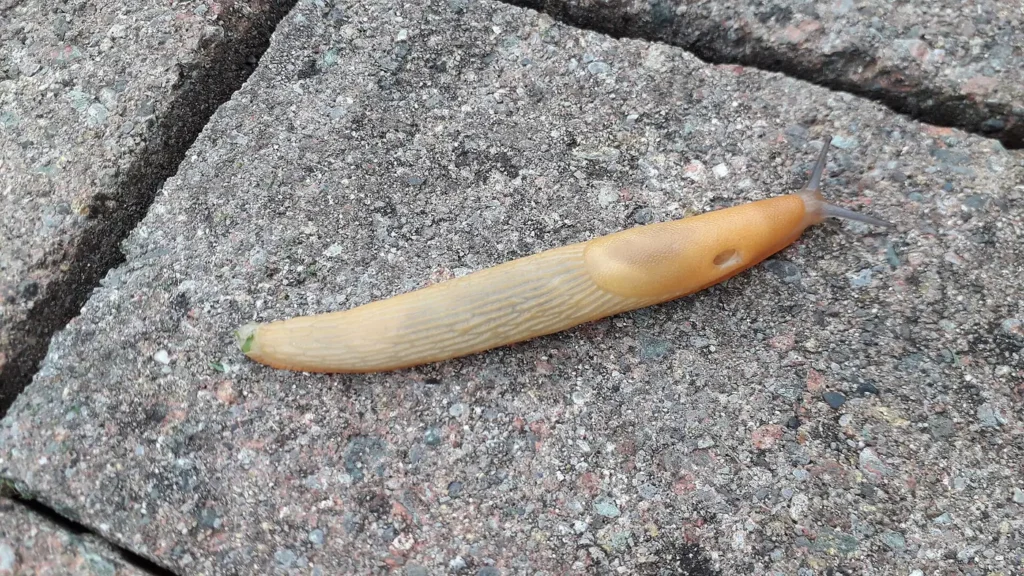
Snails and slugs are mollusks, related to clams and oysters rather than insects. They are very similar in biology and behavior; the main difference is that slugs lack the external spiral shell.
| Snails | Slugs | |
|---|---|---|
| Shell | Hard, spiral shell | No external shell |
| Common garden species | Brown garden snail (Cornu aspersum) | Gray garden slug (Deroceras reticulatum), banded and leopard slugs |
| Survival in dry weather | Seal themselves inside their shells | Hide in moist soil, mulch and crevices |
| Where they hide | Under boards, stones, ground covers, pots | Under mulch, debris, in soil cracks |
| Management | Largely the same methods work for both | |
How to recognize snail and slug damage
- Irregular holes with smooth edges in leaves, flowers and soft fruit.
- Seedlings eaten down to stumps, often overnight.
- Shiny, silvery slime trails on leaves, soil, paths and walls, the most reliable sign.
- Damage after rain or watering, since moisture brings them out.
- Hollowed-out strawberries and tomatoes close to the ground.
Other pests also chew holes, so confirm the culprit by checking at night with a flashlight. The pest identifier helps narrow down what is eating your plants.
How snails and slugs live
Oregon State University Extension’s guide to managing slugs and snails (PDF) explains that these soft-bodied mollusks can live up to six years, hibernate in the topsoil during cold weather, and in mild-winter areas can be active all year. Understanding their habits is the key to controlling them:
- They feed at night and on cloudy, damp days.
- They need moisture, so wet soil, thick mulch, and evening watering all help them.
- They hide during the day in cool, damp, sheltered spots.
- They lay eggs in moist soil and under debris. Texas A&M AgriLife Extension’s snails and slugs fact sheet (PDF) describes the eggs as looking like crystal beads, often found in clusters under rocks and debris. Destroy any you find.
Plants snails and slugs love, and those they avoid
| Most at risk | Usually less damaged |
|---|---|
| Seedlings of almost any plant | Strongly scented herbs: rosemary, lavender, sage, thyme |
| Lettuce, cabbage, kale and other leafy greens | Plants with tough or hairy leaves |
| Hostas | Ornamental grasses |
| Strawberries and low-hanging tomatoes | Many ferns |
| Basil, beans, marigolds, dahlias, delphiniums | Established shrubs and trees |
No plant is completely snail-proof, but grouping vulnerable plants together makes protecting them easier.
How to get rid of snails and slugs: a layered plan
No single method works on its own. Extension programs consistently recommend combining several approaches. Start with the least toxic and add more only if needed.
1. Remove hiding places
Fewer daytime shelters mean fewer snails survive. Clear boards, bricks, stones, empty pots, leaf piles and plant debris from around vulnerable beds. Dense, low ground covers such as ivy harbor huge numbers of snails. Keep grass and weeds trimmed along the edges of beds.
2. Change how and when you water
Oregon State Extension advises avoiding evening watering, when slugs and snails come out to feed. Water in the morning instead so the soil surface dries by nightfall, and switch to drip irrigation or soaker hoses, which keep most of the surface dry. Our guide on how often to water and our comparison of drip irrigation and soaker hoses explain how.
3. Handpick at night
Go out with a flashlight a couple of hours after dark, especially after rain, and collect snails and slugs into a jar of soapy water. Do this nightly for a week or two, then weekly. Handpicking every few nights early in the season, before they breed, has the biggest impact. Wear gloves.
4. Trap them
- Board traps: lay boards on the soil, raised slightly on small runners, near damaged plants. Snails and slugs shelter underneath; lift the boards each morning and dispose of them.
- Beer traps: sink shallow containers to ground level and fill them with beer or a yeast-and-water mix. Slugs are attracted and drown. Empty and refill every few days.
- Melon or citrus rinds: upturned rinds attract snails overnight; collect them in the morning.
5. Use barriers
Copper reacts with snail and slug slime and gives them an unpleasant sensation, so they avoid crossing it. Copper is most practical around raised beds and containers. Oregon State Extension notes an important detail: the strip must be wide enough that slugs cannot reach over it, and much of the copper tape sold in garden shops is too narrow to work. The University of California Master Gardeners’ snails and slugs guide (PDF) suggests a band of copper 4 to 6 inches wide. Remove snails already inside the barrier first, and keep overhanging leaves from forming bridges.
For seedlings, Texas A&M AgriLife suggests covering them with row covers or window-screen material, with the edges buried.
6. Use a safer bait if needed
Baits containing iron phosphate are the safest choice for home gardens. UMass Extension’s notes on slugs explain that slugs eating iron phosphate become less mobile and begin to die within three to six days, and Oregon State Extension describes iron phosphate as safe to use around pets, people, birds and beneficial insects, staying active for up to two weeks even after watering.
- Scatter bait thinly around plants rather than piling it.
- Apply in the evening after watering, when snails are active.
- Follow the label for rates and reapplication.
- Avoid metaldehyde baits in gardens used by pets, children and wildlife. Metaldehyde is far more toxic and can poison dogs and cats.
Baits alone rarely solve the problem in gardens with plenty of shelter and moisture, so use them alongside the steps above.
7. Encourage natural predators
Many animals eat snails and slugs: ground beetles, birds, toads, frogs and garter snakes among them. Our guide to garden snakes explains why a garter snake is a gardener’s friend. Avoiding broad-spectrum insecticides, leaving some cover at the edge of the garden, and adding a small pond or water feature all help predators. Ducks and chickens also eat snails, though chickens scratch up seedlings, so keep them out of planted beds.
Remedies that do not work well
| Remedy | The reality |
|---|---|
| Crushed eggshells | Little evidence they stop snails or slugs in garden conditions |
| Coffee grounds | Inconsistent results; see our article on coffee grounds in the garden |
| Salt | Kills snails it touches but damages soil and plants; avoid |
| Narrow copper tape | Often too narrow to be effective |
| Diatomaceous earth | Loses effectiveness when wet, which is exactly when snails are active |
| Bait alone | Rarely enough without removing shelter and moisture |
Protecting the most vulnerable plants
- Seedlings: start them indoors and transplant when larger, or protect them under row covers or cut-off plastic bottles. See our guide on starting seeds indoors.
- Raised beds: fit a wide copper band around the top of the bed walls. Our raised garden bed ideas show bed designs.
- Containers: raise pots on feet and band them with copper.
- Strawberries: mulch with straw and keep fruit off wet soil.
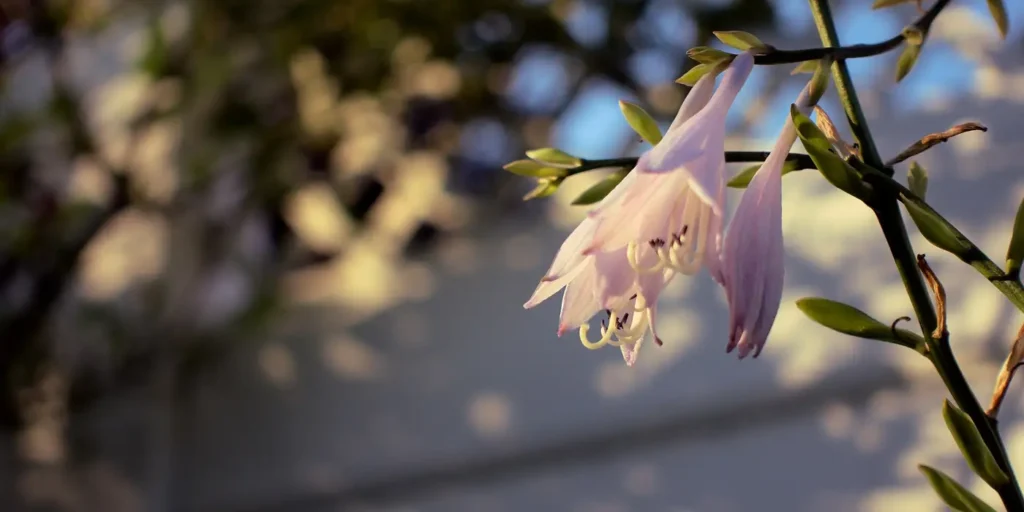
- Hostas: choose thick-leaved varieties, which are less damaged, and remove debris around the crowns in spring. See our guide to shade garden plants.
Snails and slugs in containers and greenhouses
Snails hide under pot rims, in drainage holes and beneath saucers, so container gardens can harbor surprisingly large numbers. Lift pots every week or two and check underneath, especially after rain. Raising pots on pot feet removes a favorite hiding place, and a wide copper band around the outside of each pot keeps new arrivals out. In greenhouses and cold frames, the warm, humid conditions suit snails and slugs all year. Keep benches and floors clear of debris, water in the morning, and check seed trays at night with a flashlight. Our guide to container vegetable gardening covers watering habits that keep containers healthy.
What about predatory decollate snails?
The decollate snail is a predatory snail that eats young brown garden snails, and it has been used for biological control in parts of California. However, its use is restricted: it is only permitted in certain areas because it can also harm native snails and will eat seedlings and soft plant material. Do not buy or release decollate snails unless your local agricultural authority or Extension office confirms they are allowed and appropriate where you live.
How much damage is acceptable?
A few chewed leaves on a mature plant rarely affect the harvest or the plant’s health. Focus control efforts where snails and slugs do the most harm: seedlings, young transplants, leafy greens, strawberries and prized ornamentals such as hostas. Texas A&M AgriLife Extension advises treating only if significant damage begins to appear. Checking regularly at night lets you act early, before a small population becomes a big problem, and saves effort on plants that can tolerate a little nibbling.
Safety when handling snails and slugs
Snails and slugs can carry a parasite called rat lungworm, which in rare cases causes serious illness in people who eat raw or undercooked snails or slugs, or produce contaminated by them. It has been found in Hawaii and parts of the southern United States, among other places. Simple precautions keep you safe anywhere:
- Wear gloves or use tongs when handpicking.
- Wash your hands after gardening.
- Wash all produce thoroughly, especially leafy greens, before eating.
- Never eat raw snails or slugs, and teach children not to touch them or put them in their mouths.
- Keep pets from eating snails and slugs.
A seasonal snail and slug plan
| Season | What to do |
|---|---|
| Early spring | Clear debris and hiding places; start nightly handpicking before snails breed; set board traps |
| Late spring | Protect transplants and seedlings; fit copper bands; water in the morning |
| Summer | Keep up traps after rain; snails often shelter during hot, dry spells |
| Fall | Second peak of activity with fall rains; handpick and trap; clear debris before winter |
| Winter | In mild climates, keep checking; in cold climates, clear sheltered spots where they hibernate |
Sources and further reading
These university Extension resources informed this guide. Recommendations vary by region, so your local Cooperative Extension office is always a good next step.
- Snails and Slugs (PDF), University of Arizona Cooperative Extension
Frequently asked questions
How do I get rid of snails in my garden naturally?
Remove hiding places, water in the morning, handpick at night, set board or beer traps, use wide copper barriers around beds and pots, and encourage predators such as birds, toads, ground beetles and garter snakes.
What is the safest snail bait?
Baits containing iron phosphate are the safest choice around pets, people and wildlife. Avoid metaldehyde baits, which are much more toxic to dogs and cats.
Do beer traps really work for slugs?
Yes, they catch slugs and snails nearby, especially when sunk to ground level and refilled every few days, but they work best as part of a combined plan.
Does copper tape stop snails?
Copper can repel snails and slugs, but the band must be wide; much of the copper tape sold in shops is too narrow to work reliably.
Do eggshells keep slugs away?
There is little evidence that eggshells stop slugs or snails in real garden conditions.
When are snails and slugs most active?
At night and on cloudy, damp days, especially after rain or watering, with peaks in spring and fall.
Are garden snails dangerous to touch?
They can carry rat lungworm, a parasite that in rare cases causes illness if snails or contaminated produce are eaten. Wear gloves, wash your hands, and wash produce thoroughly.
What eats snails and slugs?
Ground beetles, birds, toads, frogs, garter snakes, ducks and chickens all eat snails and slugs.
Why do I have so many slugs this year?
Wet weather, mild winters, thick mulch, evening watering and plenty of hiding places all help snail and slug numbers grow. Reducing moisture and shelter brings populations down over time.
Where do snails hide during the day?
Under boards, stones, pots and pot rims, in dense ground covers such as ivy, in mulch and leaf litter, and in cracks in soil and walls.