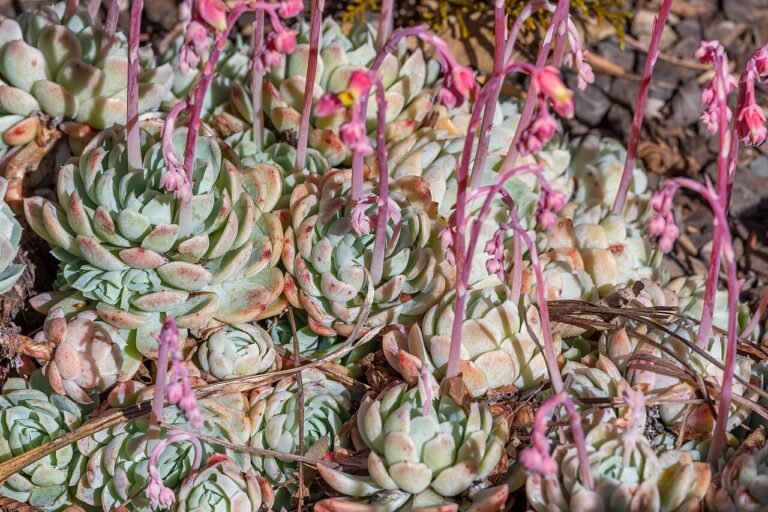
Most houseplants that are safe for cats and dogs share a few traits: they are leafy, non-succulent or orchid-type plants that have not been reported to cause more than mild stomach upset. This guide pulls together a short list of pet-safe plants, a list of common plants that are toxic to both cats and dogs, and what to do if your pet chews something it should not. It is a starting point, not a substitute for checking a plant by its exact name on the ASPCA list or asking your vet.
Which common plants are safe for cats and dogs?
These ten houseplants are listed as safe for both cats and dogs by Northern Gardener (the Minnesota Horticultural Society), which bases its list on the ASPCA plant lists.
| Plant | Scientific name | Notes |
|---|---|---|
| African violet | Saintpaulia spp. | Bright, indirect light |
| Polka dot plant | Hypoestes phyllostachya | Pinch to keep it bushy |
| Boston fern | Nephrolepis exaltata | Likes humidity |
| Echeveria | Echeveria | A rare pet-safe succulent |
| Burro’s tail | Sedum | Trailing succulent for hanging pots |
| Spider plant | Chlorophytum comosum | ASPCA lists it as non-toxic, but see the note below |
| Phalaenopsis orchid | Phalaenopsis | See our orchid care profile |
| Christmas cactus | Schlumbergera | Blooms in winter |
| Trailing peperomia | Peperomia prostrata | Other peperomias are also listed as non-toxic |
| Friendship plant | Pilea involucrata | Compact and easy |
Spider plant note: the ASPCA lists spider plants as non-toxic, but any plant material can upset a stomach. Cats often chew the long leaves, so some vomiting is possible. Our guide Are Spider Plants Toxic to Cats? covers this in detail.
Which common plants are toxic to both cats and dogs?
The Farmers’ Almanac houseplant safety guide lists these plants as toxic to both cats and dogs. Several are popular, which is why they are worth knowing before you buy.
| Plant | Main symptoms |
|---|---|
| Aloe | Vomiting, diarrhea |
| Amaryllis | Stomach pain, drooling, tremors, vomiting, diarrhea |
| Azalea | Vomiting, diarrhea, possibly coma |
| Begonia | Severe oral irritation |
| Dieffenbachia | Oral burns, drooling, vomiting |
| English ivy | Stomach pain, drooling, vomiting, diarrhea |
| Geranium | Dermatitis, vomiting, loss of appetite |
| Hyacinth | Tremors, severe vomiting and diarrhea |
| Jade plant | Nausea, vomiting |
| Philodendron | Mouth burning, excess salivation, trouble swallowing |
| Pothos | Oral irritation and other symptoms |
| Sago palm | Vomiting; severe liver damage or failure |
| Yew | Tremors, seizures in dogs, cardiac failure |
The same guide names the rubber plant, snake plant, kalanchoe, caladium, tulips and narcissus as harmful to pets, and says lilies are especially dangerous to cats. See our guides on plants toxic to cats, flowers toxic to cats and snake plants and dogs. Our rubber plant profile also flags the risk.
What should I do if my pet eats a plant?
The ASPCA says eating any plant material may cause vomiting and stomach upset in dogs and cats, even plants that are not considered toxic. Plants listed as non-toxic, or as causing only mild stomach upset, are not expected to be life-threatening.
- Remove any plant pieces from your pet’s mouth and keep the plant, or take a photo of it with its label.
- Call your veterinarian or the ASPCA Animal Poison Control Center 24-hour hotline at (888) 426-4435. A consultation fee may apply.
- Do not induce vomiting unless a vet tells you to.
How do you keep pets and plants together safely?
- Check the exact plant name, not just the common name. Photos and common names can mislead, as the ASPCA itself warns.
- Put toxic plants in rooms your pet cannot enter, not just on high shelves. Cats climb.
- Pick pet-safe plants first when you are choosing for a living room or kitchen.
- Keep bulbs, fertilizer and mulch out of reach too.
Free printable: the Year-Round Garden & Preserving Planner
Planting dates for 24 crops, monthly tasks, blanching times, canning safety numbers and a winter storage chart in one 8-page PDF. Enter your email to download it instantly and get our seasonal garden newsletter.
No spam. Unsubscribe any time. We never sell your email.
Frequently asked questions
Is every plant on a non-toxic list completely safe?
No. Non-toxic means it is not expected to cause serious poisoning, but chewing can still cause vomiting or an upset stomach.
Are succulents safe for pets?
Some are. Echeveria and burro’s tail are listed as safe, but jade plant and aloe are listed as toxic. Always check the exact species.
Are herbs safe for cats and dogs?
Many culinary herbs are, but this varies by herb and by pet, so check each one by name before planting it where pets can reach.
Reviewed November 2026. Sources: ASPCA: Toxic and non-toxic plants Northern Gardener: 10 houseplants safe for dogs and cats Farmers’ Almanac: Common houseplants toxic to pets