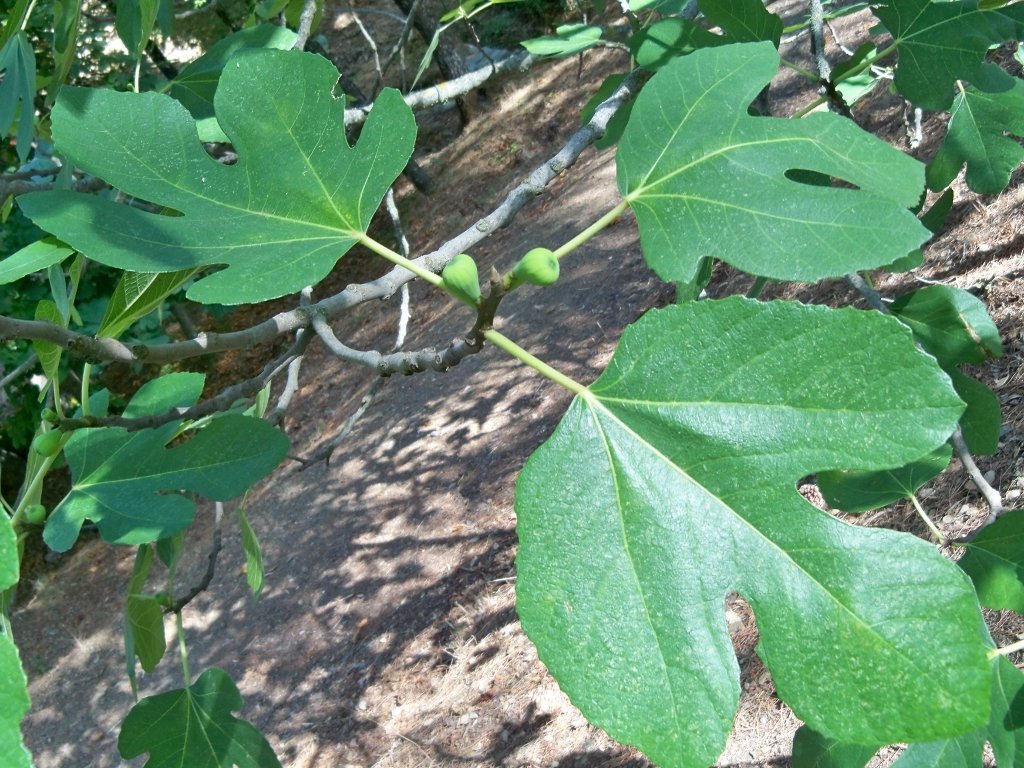
Quick answer: Native pollinator flowers, Thyme, Chives can be compatible neighbors for fig tree when space, season and plant care match. Pairings are choices for crop management, not proven universal pest repellents.
Common fig (Ficus carica) is a vigorous perennial fruit tree or large shrub. It develops a substantial shallow-to-spreading root system and fruits best with adequate light and stable moisture. Garden companions should preserve space for pruning and fruit pickup. In cold climates, a fig may need winter wrapping or seasonal relocation, which makes tightly interplanted permanent flowers inconvenient.
Start with the main crop’s growing needs
Assess full sun, eventual size, irrigation and harvest access before adding another plant. A crowded planting may seem productive early but become less effective once canopies overlap. University of Minnesota Extension’s companion-planting overview describes research-supported use of space and the limits of traditional friend-and-enemy lists.
Companion plant comparison
| Potential companion | Practical reason and caution |
|---|---|
| Native pollinator flowers | A neighboring sunny border can extend flowering resources across the season without competing directly against fig roots. |
| Thyme | In a separate well-drained edge pocket, thyme can provide a culinary harvest; it should not dictate the fig’s irrigation. |
| Chives | Small perennial clumps can live beyond the mulched trunk zone, maintaining access to fig branches and fruit. |
| Calendula and alyssum | Compact flower strips can offer garden diversity without imposing a canopy above the fig. |
| Container herbs | Separate pots let gardeners move and water basil or rosemary independently of a large fig. |
Native pollinator flowers: how this pairing works
A neighboring sunny border can extend flowering resources across the season without competing directly against fig roots.
Think about the mature plants rather than just the young transplants. Keep paths and watering access open, and treat any pest-repellent claim as unproven until there is evidence for the pest, the crop and the growing conditions involved. A separate border often works better than roots crowded into the same planting pocket.
Thyme: how this pairing works
In a separate well-drained edge pocket, thyme can provide a culinary harvest; it should not dictate the fig’s irrigation.
Think about the mature plants rather than just the young transplants. Keep paths and watering access open, and treat any pest-repellent claim as unproven until there is evidence for the pest, the crop and the growing conditions involved. A separate border often works better than roots crowded into the same planting pocket.
Chives: how this pairing works
Small perennial clumps can live beyond the mulched trunk zone, maintaining access to fig branches and fruit.
Think about the mature plants rather than just the young transplants. Keep paths and watering access open, and treat any pest-repellent claim as unproven until there is evidence for the pest, the crop and the growing conditions involved. A separate border often works better than roots crowded into the same planting pocket.
Calendula and alyssum: how this pairing works
Compact flower strips can offer garden diversity without imposing a canopy above the fig.
Think about the mature plants rather than just the young transplants. Keep paths and watering access open, and treat any pest-repellent claim as unproven until there is evidence for the pest, the crop and the growing conditions involved. A separate border often works better than roots crowded into the same planting pocket.
Container herbs: how this pairing works
Separate pots let gardeners move and water basil or rosemary independently of a large fig.
Think about the mature plants rather than just the young transplants. Keep paths and watering access open, and treat any pest-repellent claim as unproven until there is evidence for the pest, the crop and the growing conditions involved. A separate border often works better than roots crowded into the same planting pocket.

Plants and situations to keep separate
Grass close to young fig roots
Turf can compete for water and nutrients, especially in a newly established planting.
Climbing vines on fig branches
They interfere with pruning and can block light to leaves and fruit.
Trees that cast shade
Figs need adequate sunlight; a large shade tree can reduce ripening.
A practical planting design
Keep a mulched open area around the fig, with no material piled against bark. Place a footpath outside the root and harvest access zone; position small flowers or herbs beyond the path. For a container-grown fig, use separate herb pots rather than adding roots into an already limited fruit-tree container.
Use the GardenVoila plant spacing calculator and raised-bed planner to test the adult canopy and access paths. Adjust the layout to your cultivar, climate and irrigation system rather than copying a generic diagram.
What the evidence says about pests and harvests
In cold regions, figs may need to be wrapped or moved to protection. Permanent companion plants around the trunk should not prevent that work. Many common fig varieties produce fruit without a second fig tree, so flowers are not a substitute for cultivar-specific pollination guidance. Water and crop management take priority over decorative pairings.
Routine observation, suitable varieties, mulch, soil management and direct pest identification provide more predictable results than assuming every scented herb or flower supplies a protective shield. Monitor whether the companion actually improves how the space is used.
Free printable: the Year-Round Garden & Preserving Planner
Planting dates for 24 crops, monthly tasks, blanching times, canning safety numbers and a winter storage chart in one 8-page PDF. Enter your email to download it instantly and get our seasonal garden newsletter.
No spam. Unsubscribe any time. We never sell your email.
Frequently asked questions
Can lavender grow near a fig tree?
Yes in an appropriately dry, sunny separate strip, but lavender’s root moisture needs differ from those of a fruiting fig.
What can grow beneath a fig tree?
Low plants may survive at the outer edge, but an open mulched root area is often easier and reduces competition.
Does a fig need pollinator flowers?
Most common home-garden fig cultivars do not need external insect pollination to fruit; cultivar biology matters.
Research and additional crop guides
For related information, read our relevant growing guide and our related companion guide.
- Penn State Extension: Figs in the home garden
- University of Minnesota Extension: Companion planting in home gardens
Featured photo: Photo: Daniel Capilla / Wikimedia Commons source · CC BY-SA 4.0 · Resized for web display.


