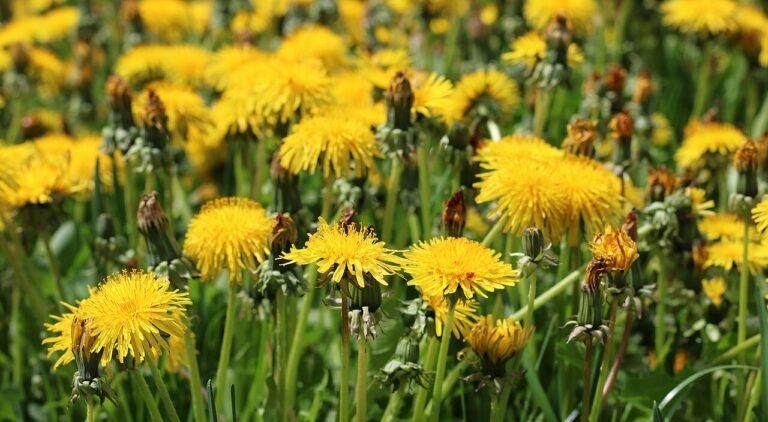
Most weeds are controlled by acting early and combining methods: hoe or pull them while young, mulch the bare soil after weeding, and space crops so they shade the ground. The right method also depends on whether the weed is an annual or a perennial, because tilling can make perennial weeds worse.
What types of weeds are in a garden?
| Type | Examples | What to do |
|---|---|---|
| Summer annuals | Large crabgrass, purslane | Control early. Remove all purslane stems because they can reroot |
| Winter annuals | Chickweed, henbit | Usually less troublesome. Tilling at spring prep kills them |
| Perennials | Bermudagrass, yellow nutsedge | Hard to manage. Tilling spreads them by cutting roots into pieces that each regrow |
How do you hoe and hand-weed?
- Hoe shallowly with a sharp hoe, cutting weeds just below the soil surface, since most vegetable roots sit near the surface.
- Cultivate when the soil is moist but not wet, and move as little soil as possible so fewer weed seeds reach the surface.
- Hand-pull or hoe near vegetables. Rotary tillers can damage nearby crops.
- Remove weeds while they are young. Mature weeds draw heavily on soil moisture and nutrients.
- For perennial weeds, remove all plant parts when hand-weeding.
How much mulch controls weeds?
Clemson Home and Garden Information Center says to limit organic mulch to a maximum of about 3 inches, because thicker layers can reduce the soil oxygen crop roots need. Apply mulch after weeding to control weeds that sprout later. Estimate what you need with our mulch calculator, and read does mulch prevent weeds? for the details.
| Material | Weed control | Watch out for |
|---|---|---|
| Organic mulch (straw, grass clippings, pine bark) | Controls annual weeds well | May cool soil in spring; avoid clippings from lawns treated with 2,4-D; check for weed seed |
| Black plastic | Controls annual weeds effectively | Blocks water and air; lay on moist soil |
| Landscape fabric | Controls annuals well | Some weeds, like large crabgrass, can grow through; costs more than plastic |
| Clear plastic | Does not control weeds | — |
How do you prevent weeds before planting?
Plan weed control before spring planting, because early-season efforts reduce hand-weeding later. Closely spaced vegetables shade the soil and suppress weeds once they are established. Use our plant spacing calculator to get spacing right. For no-dig beds, see the no-till garden bed calculator.
Free printable: the Year-Round Garden & Preserving Planner
Planting dates for 24 crops, monthly tasks, blanching times, canning safety numbers and a winter storage chart in one 8-page PDF. Enter your email to download it instantly and get our seasonal garden newsletter.
No spam. Unsubscribe any time. We never sell your email.
Frequently asked questions
Should I till to kill weeds?
Tilling kills winter annuals at spring prep, but it spreads perennial weeds by breaking their roots into pieces that each regrow.
Is a thicker mulch better?
No. Clemson recommends about 3 inches at most for organic mulch, since more can limit soil oxygen.
Why do weeds keep coming back through mulch?
Perennials may only be partly suppressed by mulch, and contaminated mulch can bring in weed seeds, roots or tubers.
Reviewed November 2026. Sources: Clemson HGIC: Controlling weeds by cultivating and mulching
Identify your specific weed in the weed library, which covers purslane, bindweed, nutsedge, chickweed, dandelion, crabgrass and creeping Charlie with extension-based control timing.