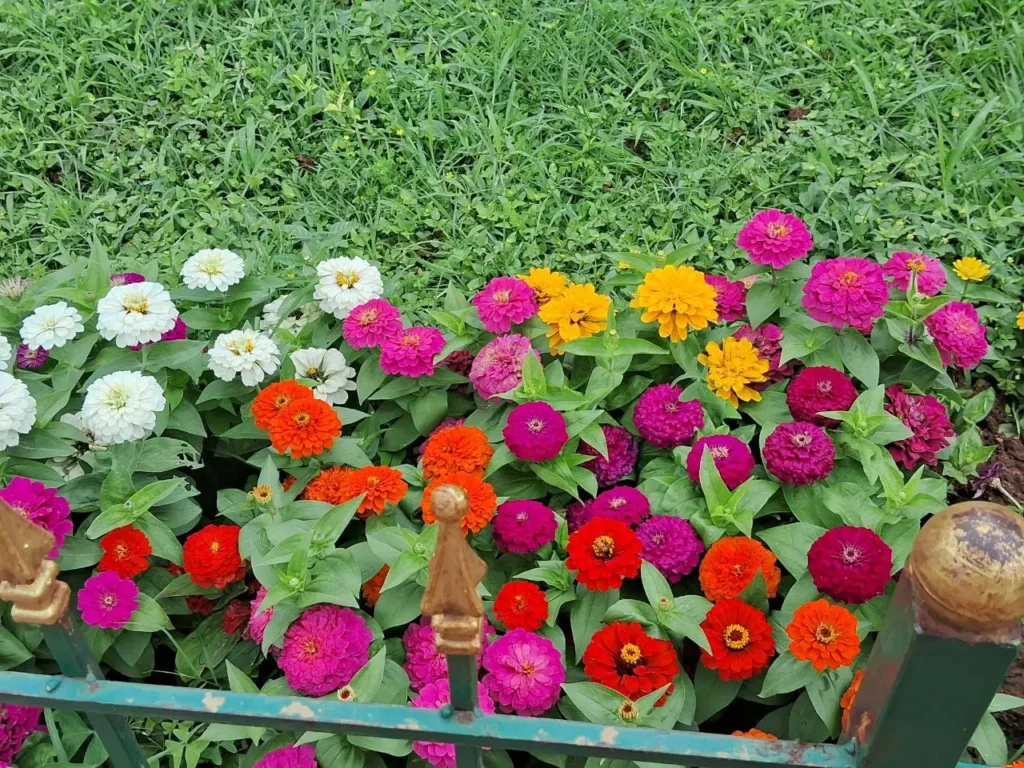
A cut flower garden turns a sunny patch of ground into a summer-long supply of bouquets. Unlike an ordinary flower border, which is designed to look good where it grows, a cutting garden is grown to be picked: rows of zinnias, cosmos, sunflowers, snapdragons and dahlias that produce more flowers the more you cut them.
It is also one of the easiest and most rewarding projects for a vegetable gardener. Most of the best cut flowers are easy annuals that grow just like vegetables, from seed, in beds or rows, with the same soil, sun and watering. This guide covers how to plan, plant, grow and harvest a cut flower garden, and how to make your flowers last in the vase.
Why grow a cut flower garden?
- Endless bouquets. A small bed of cut-and-come-again annuals can supply fresh flowers every week from midsummer to frost.
- Savings. A few seed packets cost about the same as a single shop bouquet.
- Better vegetable harvests. Flowers attract bees and other pollinators to the garden, which helps squash, cucumbers and beans set fruit.
- Varieties you cannot buy. Many beautiful flowers, such as cosmos and scabiosa, do not ship well, so you rarely find them in stores.
- It is easy. Most cutting flowers are forgiving, fast-growing annuals.
Step 1: Choose the site
Cut flowers need the same conditions as vegetables: at least six to eight hours of direct sun, good drainage, and easy access to water. Many gardeners simply add a cut flower bed or a few rows to the vegetable garden. The sunlight requirement finder helps you check your light.
Beds about 3 to 4 feet wide work well: you can reach the middle to cut flowers without stepping on the soil. A single 4-by-8-foot bed is enough to start, and produces a surprising number of stems. If you are building new beds, our guides to building a raised garden bed and raised bed soil cover construction and filling.
Step 2: Choose the right flowers
Not every flower makes a good cut flower. The best have long, strong stems, a good vase life, and keep producing new blooms when cut. Michigan State University Extension’s guide to growing and maintaining cut flowers sorts cut flowers into four functional groups, which is a useful way to plan a garden that makes balanced bouquets:
| Group | Role in a bouquet | Examples |
|---|---|---|
| Line (spike) flowers | Height and shape | Snapdragons, larkspur, stock, gladiolus, salvia |
| Mass (focal) flowers | The main blooms that catch the eye | Zinnias, dahlias, sunflowers, peonies, lisianthus |
| Filler flowers | Fill gaps and soften the arrangement | Cosmos, statice, baby’s breath, feverfew, ammi |
| Interest (accent) flowers | Texture and surprise | Scabiosa, celosia, strawflower, gomphrena, ornamental grasses |
Aim to grow at least one or two plants from each group, plus some foliage, and you will be able to make full, balanced bouquets straight from the garden.
The easiest cut flowers for beginners
| Flower | Type | Start | Why grow it |
|---|---|---|---|
| Zinnias | Annual | Direct sow after last frost | Fast, colorful, cut-and-come-again |
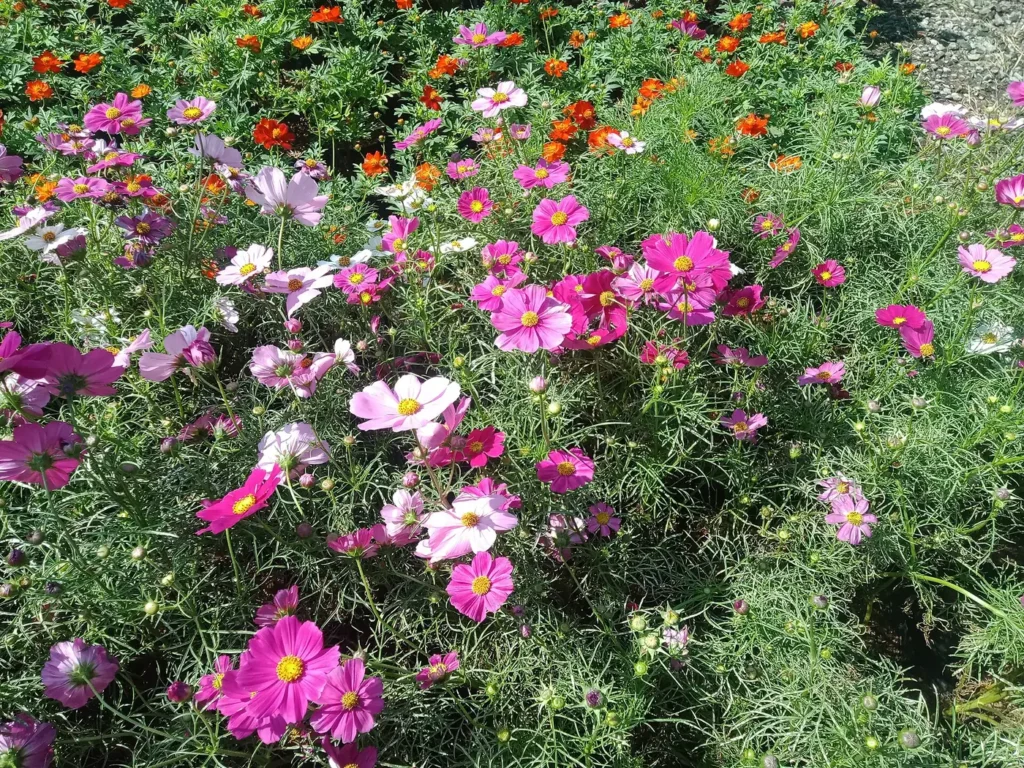
| Cosmos | Annual | Direct sow after last frost | Airy filler, blooms until frost |
| Sunflowers | Annual | Direct sow after last frost | Big focal flowers; sow in batches |
| Snapdragons | Annual (cool-season) | Start indoors; plant out early | Classic spikes in many colors |
| Celosia | Annual | Start indoors or direct sow | Unusual textures; dries well |
| Gomphrena | Annual | Start indoors | Long-lasting button flowers; dries well |
| Dahlias | Tender perennial (tubers) | Plant tubers after last frost | Spectacular late-summer blooms |
| Black-eyed Susan, yarrow, coneflower | Perennial | Plant once; return yearly | Reliable, pollinator-friendly |
For zinnias, Rutgers Cooperative Extension’s zinnia cut flower fact sheet (PDF) compared several varieties as cut flowers and found that ‘Benary’s Giant’ and ‘Oklahoma’ had the highest average quality ratings. Look for varieties described as cutting types in seed catalogs: they have longer stems than bedding varieties.
Step 3: Plan the planting calendar
Most cut flowers are timed by your last spring frost, just like vegetables. Use the frost date tool to find yours.
| When | What to do |
|---|---|
| 6 to 8 weeks before last frost | Start snapdragons, celosia and gomphrena indoors |
| 2 to 4 weeks before last frost | Plant hardy annuals and snapdragon transplants; prepare beds |
| After last frost | Sow zinnias, cosmos and sunflowers; plant dahlia tubers once soil warms |
| Every 2 to 3 weeks until midsummer | Sow more sunflowers and zinnias for a continuous supply |
| Midsummer to frost | Harvest several times a week |
| Fall | Plant spring bulbs such as tulips and daffodils; dig dahlia tubers in cold climates |
The seed starting calculator works out indoor sowing dates, and our guide on when to start seeds indoors covers lights and timing.
Step 4: Prepare the soil and plant
- Loosen the soil and add compost. Spread 2 to 3 inches and mix it in; the compost calculator works out how much.
- Plant fairly closely. Cutting gardens are usually planted more densely than flower borders, which encourages longer stems as plants reach for light. About 9 to 12 inches apart suits most annuals; give dahlias and branching sunflowers more room.
- Plant in rows or blocks of each flower, which makes harvesting and support easier.
- Put tall flowers on the north side, such as sunflowers and dahlias, so they do not shade shorter plants.
The plant spacing calculator and garden layout generator help you plan beds.
Step 5: Pinch for more stems
Pinching is the single most useful technique in a cutting garden. When young plants of zinnias, cosmos, snapdragons and dahlias are about 8 to 12 inches tall, snip off the top of the main stem just above a set of leaves. The plant responds by sending up several side shoots, giving you many more stems, and longer ones, over the season. It delays the first flowers by a week or two but greatly increases the harvest.
Do not pinch single-stem sunflowers, which produce just one flower per plant, or plants grown for a single spike, such as stock.
Step 6: Support tall flowers
Tall flowers bend or snap in wind and rain, ruining straight stems. Flower growers commonly stretch a layer of flower netting horizontally across the bed, about a foot above the soil, so plants grow up through it. Dahlias and tall sunflowers can be staked individually. Set supports early, before plants flop.
Step 7: Water, feed and mulch
- Water deeply about once or twice a week, aiming for roughly an inch a week including rain, and keep water off flowers and leaves where possible to reduce disease. Our guide on how often to water applies to cut flowers too, and the garden watering calculator converts it into gallons.
- Mulch 2 to 3 inches deep once plants are established; the mulch calculator works out how much.
- Feed lightly. Compost-rich soil carries most annuals. Too much nitrogen gives lots of leaves and fewer flowers.
- Watch for powdery mildew on zinnias in late summer. Good spacing, morning watering at the base of plants, and mildew-resistant varieties help.

Step 8: Harvest at the right time and stage
Time of day
Michigan State University Extension recommends harvesting early in the morning, when plants are fully hydrated, for the longest vase life. Evening is the next best time. Avoid cutting in the heat of the day, when stems are stressed.
How to cut
- Use clean, sharp snips to avoid crushing stems.
- Take a bucket of cool, clean water into the garden, and put stems straight in.
- Cut long stems, just above a pair of leaves or a side shoot, so the plant branches and keeps producing.
- Cut often. Cut-and-come-again flowers such as zinnias, cosmos and snapdragons produce more blooms the more you pick. Once a plant sets seed, it slows down.
Harvest stage for popular cut flowers
| Flower | When to cut |
|---|---|
| Zinnias | When fully open, with a firm stem. Hold the stem a few inches below the flower and give it a gentle shake: if the head droops, wait a day or two |
| Cosmos | When buds are just starting to open |
| Sunflowers | When the first petals begin to lift from the center |
| Snapdragons | When about a third of the flowers on the spike are open |
| Dahlias | When nearly fully open; dahlias do not open further once cut |
| Celosia, gomphrena | When flowers are fully formed and colored |
| Peonies | When buds feel soft, like a marshmallow, and show color |
Step 9: Make your flowers last
A few minutes of care after cutting can add days to vase life:
- Condition stems: after harvest, let flowers stand in cool water in a cool, shady spot for a few hours before arranging.
- Strip lower leaves so no foliage sits below the waterline, where it rots and feeds bacteria.
- Recut stems at an angle just before arranging.
- Use a scrubbed-clean vase and fresh water with commercial flower food.
- Change the water often. The Rutgers fact sheet recommends changing the water daily for cut zinnias.
- Keep arrangements cool, out of direct sun and away from fruit bowls, since ripening fruit gives off ethylene gas that shortens the life of many flowers.
Keep daffodils separate. Fresh-cut daffodils release a sap that shortens the life of other flowers. Let them stand in their own water overnight before mixing them into a bouquet, and do not recut them afterwards.
Growing dahlias for cutting
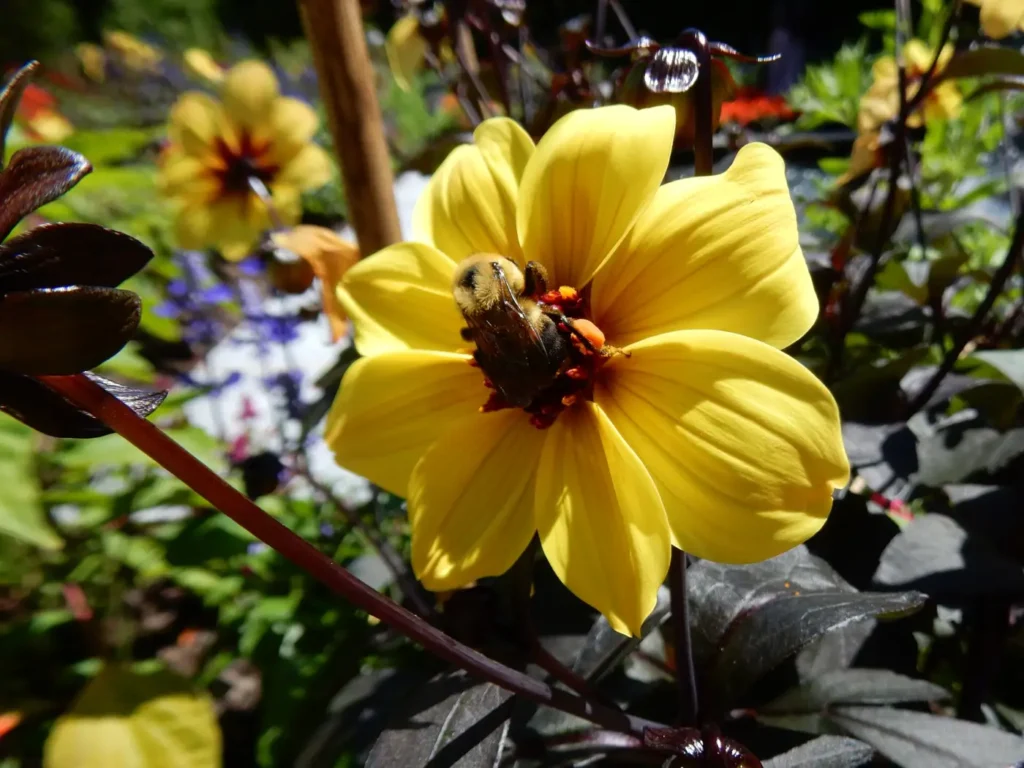
Dahlias deserve their own section, because they are many cut flower gardeners’ favorite. They grow from tubers planted after the last frost, once the soil has warmed, and bloom from midsummer until frost. Pinch young plants for more stems, stake tall varieties, and cut flowers regularly. Dahlias are tender: in mild-winter climates they may survive in the ground with mulch, but where the ground freezes, dig the tubers after the first frost blackens the foliage, let them dry, and store them somewhere cool and frost-free over winter. Check your winter conditions with the growing zone finder.
Adding perennials, bulbs and foliage
- Perennials: yarrow, purple coneflower, black-eyed Susan, peonies and phlox return every year with little effort. They are also excellent for pollinators; see our guide to planting a pollinator garden.
- Spring bulbs: tulips and daffodils planted in fall give the first flowers of the year.
- Foliage and herbs: mint, basil, dill, eucalyptus and ornamental grasses add scent and greenery to bouquets.
A sample 4 × 8 ft cutting bed
| Section | Plants | Role |
|---|---|---|
| North end (2 ft) | 8 sunflowers, sown in two batches | Focal |
| Next 2 ft | 8 zinnias | Focal |
| Middle 2 ft | 4 cosmos and 4 snapdragons | Filler and line |
| South end (2 ft) | 8 celosia or gomphrena, plus basil for foliage | Accent |
Sketch your own on the raised bed planner, and work out seed amounts with the seed quantity calculator.
Common cut flower garden mistakes
- Growing bedding varieties with short stems instead of cutting types.
- Not harvesting often enough, so plants go to seed and stop blooming.
- Skipping pinching, which means fewer, shorter stems.
- No support, so storms flatten tall flowers.
- Cutting in the midday heat.
- Leaving leaves below the waterline in the vase.
- Sowing everything at once, leading to a flush followed by a gap.
Sources and further reading
These university Extension and government resources informed this guide and are useful for going deeper. Recommendations can vary by region, so your local Cooperative Extension office is always a good next step.
- Planting Pollinator-Friendly Gardens, Penn State Extension
- USDA Plant Hardiness Zone Map, USDA Agricultural Research Service
- Starting Seeds Indoors, Clemson Cooperative Extension
Frequently asked questions
What are the easiest flowers to grow for cutting?
Zinnias, cosmos and sunflowers are the easiest: they grow quickly from seed sown directly in the garden after the last frost and bloom all summer.
How big should a cut flower garden be?
A single 4-by-8-foot bed of cut-and-come-again annuals can supply bouquets every week from midsummer to frost.
When should I cut flowers from my garden?
Early in the morning, when plants are fully hydrated. Evening is the next best time. Avoid the heat of the day.
How do I get more flowers from my cutting garden?
Pinch young plants to encourage branching, harvest often so plants keep producing, and sow quick annuals in batches every few weeks.
How do I make cut flowers last longer?
Cut in the cool morning, put stems straight into water, strip leaves below the waterline, use clean vases with flower food, change the water often, and keep arrangements away from heat and ripening fruit.
Can I grow cut flowers in my vegetable garden?
Yes. Cut flowers need the same sun, soil and water as vegetables, and they attract pollinators that improve vegetable harvests.
Do I need to pinch zinnias?
Pinching is not required, but it gives many more, longer stems. Snip the main stem just above a set of leaves when plants are 8 to 12 inches tall.