
Hostas are usually bought as plants or divided from old clumps, but they also grow from seed. It is cheap, fun and the only way to create brand-new hostas, since every seedling is genetically unique. The catch is time: seedlings take three to five years to reach full size, and most will not look like the parent plant.
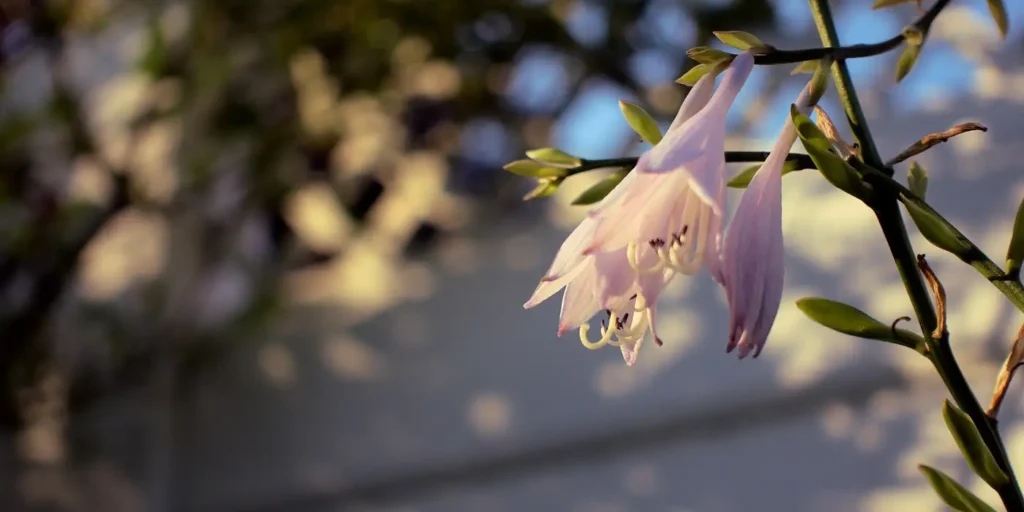
What to expect from hosta seed
- Seedlings do not come true. Most garden hostas are hybrids, so their seedlings vary in size, leaf shape and color.
- Variegation rarely carries over. Most seedlings are plain green, blue or gold, even from variegated parents.
- They are slow. Expect a small plant in year one, a decent clump by year two or three and a mature plant in three to five years.
- It is a great project if you enjoy experimenting, need lots of plants for ground cover, or want to breed your own variety.
If you want an exact copy of a named variety, divide the plant in spring instead.
Collecting hosta seeds
- After flowering, leave the flower stalks in place. Green seed pods form where the flowers were.
- In fall, usually six to eight weeks after bloom, the pods turn brown and begin to split.
- Cut the stalks and put them in a paper bag to finish drying for a week or two.
- Shake out the seeds: viable ones are black and papery with a plump, dark section at one end. Flat, pale seeds are not viable.
- Store seeds dry in a paper envelope in the refrigerator until you sow them.
When to sow hosta seeds
- Indoors: late winter, about 8 to 12 weeks before your last frost, typically January to March. This gives seedlings a long first season.
- Outdoors by winter sowing: sow in covered containers outdoors in midwinter and let natural cold and spring warmth trigger germination. The winter sowing calculator helps with timing.
How to grow hostas from seed indoors
- Fill a tray or cells with moist, sterile seed-starting mix.
- Sow seeds on the surface and cover with a very thin layer of mix or vermiculite, about 1/8 inch.
- Keep warm, around 70°F, with a clear cover to hold humidity.
- Germination usually takes one to three weeks. Remove the cover once seedlings appear.
- Give bright light for 14 to 16 hours a day under grow lights a few inches above the plants. Low light produces weak, stretched seedlings.
- Water from below and keep the mix evenly moist. Damping off is the main risk, so use clean containers and good airflow.
- Pot up into larger cells or 3-inch pots when seedlings have two or three true leaves, and feed lightly every two weeks.
Planting seedlings outdoors
Harden seedlings off for about a week after your last frost, then plant them in part to full shade in rich, moist, well-drained soil. Many gardeners grow them in a protected nursery bed or pots for the first year or two, where they are easy to watch and protect from slugs, before moving them to their final spot. See shade garden plants for companions.
Protecting young hostas
- Slugs and snails can strip tiny seedlings overnight. See garden snails and slugs for control.
- Deer and rabbits love hostas. Fence or net nursery beds; our guide on keeping animals out of the garden has more options.
- Water regularly in the first summer and mulch to keep roots cool.
For more on sowing technique, read our beginner’s guide to planting seeds.
Growth timeline from seed
| Stage | Timing |
|---|---|
| Germination | 2 to 3 weeks at 70 to 75°F |
| First true leaf | 3 to 5 weeks after sowing |
| Ready to pot up | 2 to 3 true leaves, about 6 to 8 weeks |
| Ready for the garden | After the last frost, once hardened off |
| Recognizable mature look | 2 to 3 years |
| Full size | 4 to 6 years, depending on variety |
Common problems with hosta seedlings
- Slugs and snails: they can destroy tiny hostas overnight. Use iron phosphate bait or beer traps around young plants outdoors.
- Damping-off: seedlings collapse at the soil line. Use sterile mix, clean trays and water from below.
- Scorched leaves: too much direct sun. Hosta seedlings need bright shade outdoors.
- Deer and rabbits: protect beds with fencing or repellents.
How to cross-pollinate hostas yourself
If you want to try breeding your own hosta, hand-pollination lets you choose both parents.
- Pick the parents: choose a seed parent that sets seed well and a pollen parent with the leaf color or shape you want.
- Prepare the flower: on the seed parent, open a flower bud the day before it would open, and remove its anthers with tweezers so it cannot pollinate itself.
- Transfer pollen: brush fresh, dusty pollen from the other plant’s anthers onto the sticky tip of the stigma.
- Protect and label: cover the flower with a small mesh bag or twist tie it closed and tag it with both parent names.
- Wait: if it takes, a green pod swells over the next six to eight weeks. Collect it when it turns brown and starts to split.
Seed or division: which is right for you?
| Growing from seed | Dividing a clump | |
|---|---|---|
| Result | New, unique plants that vary from the parent | Exact copies of the parent variety |
| Time to a good-size plant | 3 to 5 years | Often one season |
| Cost | Very low | Free if you own the plant |
| Best for | Experimenting, filling large shady areas | Spreading favorite varieties around the garden |
What the research says about seed timing and germination
Iowa State University Extension, all about hostas says hosta seed is collected when it ripens in the pods on the flower stalks, and can be sown outdoors 6 to 8 weeks before the last spring frost or started indoors in pots right after collecting. Germination takes 15 to 90 days, which is a wide window, and seedlings reach flowering size in about three years. It also says seed propagation is used mainly for breeding new cultivars. In other words, growing hostas from seed is a patient project that suits curious gardeners more than people who want mature plants quickly. Iowa State University Extension, how to grow perennials from seed goes further on timing: it says hosta plants typically take 4 to 5 years to grow large enough to divide.
For the germination step itself, the same Iowa State perennial guide gives numbers. Hosta seed is lightly covered, not buried deeply. The ideal germination temperature is 68 to 72 degrees F (20 to 22 C). Cold, moist stratification is 2 to 3 weeks at 40 degrees F (4 C), although the guide says it can sometimes be skipped with fresh seed. Germination then takes around 2 to 3 weeks. For stratification it recommends a moist 50:50 blend of sand and peat moss in containers such as coffee cans or plastic jars with holes punched in the lid for air, and says seed can also be stratified in plastic bags. For general stratification it quotes 32 to 40 degrees F for 3 to 4 months for many perennials, noting that timing varies by species and hosta needs far less. The NC State handbook gives the same basic method of mixing seed with an equal volume of moist sand or peat in a closed container in the refrigerator, keeping it moist but not wet.
Drying and storing collected seed
If you collect your own seed, drying matters. The Iowa State perennial guide says to put seed in a labeled envelope with an equal amount of silica gel, sealed in a glass jar for one to two weeks. Label the envelope with the cultivar and date, because it is easy to lose track of which seed came from which plant, and hosta crosses are unpredictable. Keep seed cool and dry until sowing.
When seedlings are ready to move outside
University of Maine Cooperative Extension offers a clear rule of thumb for planting out. It describes seeds planted in early February from pods picked the previous fall, and says that seedlings that reach 4 to 6 inches (10 to 15 cm) in height by fall may be planted out a few weeks before the first frost, in well-prepared soil, then covered with a light mulch of straw or shredded leaves for winter protection. If seedlings are still small by late summer, hold them and plant out the following spring. Maine advises potting seedlings into small pots with moist potting soil, hardening them off by taking them outside for a couple of hours a day for a few days before permanent outdoor placement, and notes that seedlings can stay outdoors in their pots for the rest of the season. It says patience is the main recommendation for growth, and that seed-grown hostas can take a couple of years to reach normal size.
Light and placement for young hostas
Placement affects both growth and color. Iowa State says hostas grow best in full to partial shade, with blue hostas needing heavy shade to keep their color. Green varieties tolerate full sun only if moisture is adequate, yellow and gold varieties develop their best color in about 4 to 6 hours of partial sun, and heavily variegated varieties should be planted in shade to prevent leaf burn. Because seed-grown plants vary, you will not know what a seedling will look like until it matures, so start with a moderately shaded, moist bed and move plants later if the leaves scorch or lose color. Maine mentions giving seedlings direct sunlight in their pots while they are small, but be careful not to scorch them as they mature.
Soil, mulch, water and feeding
Iowa State says hostas prefer moist, well-drained soil and tolerate dry conditions once established. Mulch with shredded bark, leaf mold or shredded leaves to reduce weeds and conserve moisture, irrigate when the soil is dry, and remember that gardens under trees dry out sooner because of root competition. It recommends a general all-purpose fertilizer in spring as leaves emerge, at the rate on the package. Our mulch calculator shows how much mulch a bed needs, and our garden watering calculator helps plan irrigation.
Slugs and other problems
Iowa State notes that slugs are a common leaf pest, especially in wet conditions, and that several diseases and pests can reduce vigor and appearance. Young seedlings with thin leaves are especially vulnerable, so check them in the evening and after rain. Keep the mulch layer thin near the crowns of tiny seedlings so slugs have fewer places to hide.
Size classes and what to expect at maturity
Hostas vary enormously. Iowa State says plants range from a few inches to over 3 feet tall, with leaves from under 1 inch to over 12 inches long. It classifies them by leaf area (length times width, in square inches): miniature less than 6, small 6 to under 30, medium 30 to under 64, large 64 to under 120 and giant 120 or more. Flowers are lavender, purple or white and rise above the foliage in June and July. Seed-grown plants may not match their parents, so a seedling from a large parent could turn out smaller, or the reverse.
Division: the faster alternative
If you want a mature plant sooner, divide an existing one. Maine says dividing the crowns of mature hostas gives faster results, in spring or early fall, and one healthy crown can yield many daughter plants. Iowa State says spring is best, when leaves begin to emerge as bullet-shaped points, though divisions can be made from spring through late summer. Each section should have at least 2 or 3 points and a good portion of crown and roots, and should be replanted immediately. Divide every 5 to 7 years or more often, and discard the dead center. Mulch late-summer divisions with several inches of straw or pine needles in late fall to prevent frost heaving.
Safety and legal note: Hostas are listed as toxic to pets by some animal-poison organizations, so check with your veterinarian or a poison-control service before planting where dogs or cats can chew them. Read and follow the label of any slug bait or pesticide, as some products are harmful to pets and wildlife, and keep chemicals away from children. Rules on pesticide use vary by region.
Sources and further reading
- Starting Seeds Indoors, Clemson Cooperative Extension
- Plant Finder, Missouri Botanical Garden
- USDA Plant Hardiness Zone Map, USDA Agricultural Research Service
Free printable: the Year-Round Garden & Preserving Planner
Planting dates for 24 crops, monthly tasks, blanching times, canning safety numbers and a winter storage chart in one 8-page PDF. Enter your email to download it instantly and get our seasonal garden newsletter.
No spam. Unsubscribe any time. We never sell your email.
Frequently asked questions
Can you grow hostas from seed?
Yes. Hosta seeds germinate easily in one to three weeks, but seedlings take three to five years to mature and usually differ from the parent.
When should I plant hosta seeds?
Indoors in late winter, 8 to 12 weeks before the last frost, or outdoors in containers by winter sowing.
Do hosta seeds need cold stratification?
Not usually. Fresh, dry seeds germinate well at room temperature. Winter sowing outdoors also works.
Will a variegated hosta grow variegated seedlings?
Rarely. Most seedlings from variegated hostas are solid-colored. Divide the parent to keep the variegation.
Reviewed October 2026. Sources: Iowa State University Extension, all about hostas, Iowa State University Extension, how to grow perennials from seed, University of Maine Cooperative Extension, hostas from seed
