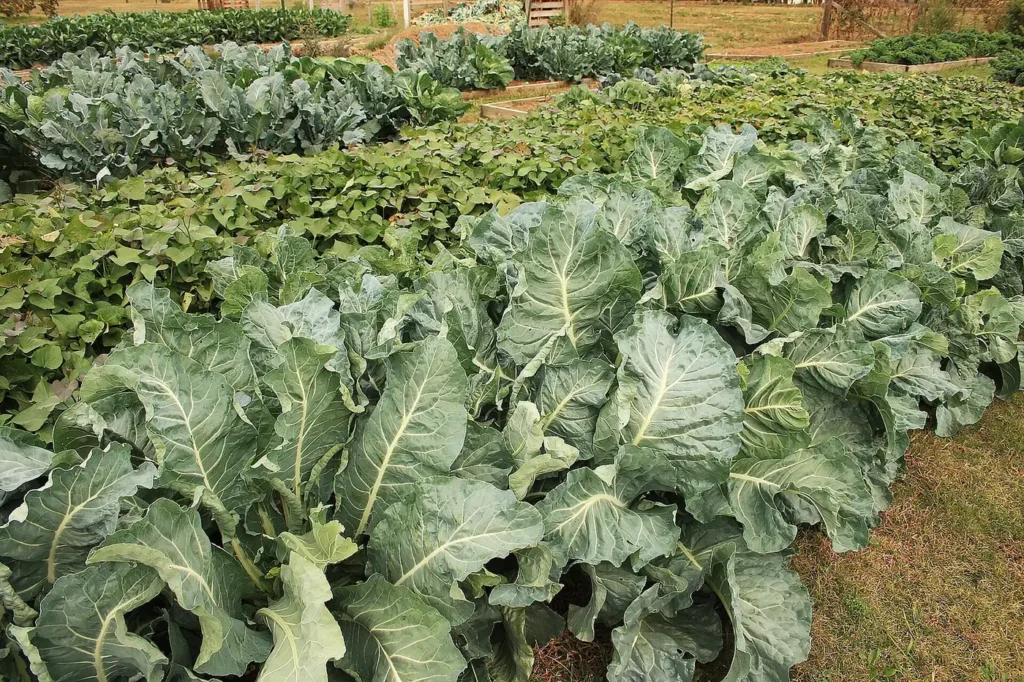
Lettuce is one of the quickest crops you can grow. Leaf types can be ready in about a month and a half, and a few square feet will keep a household in salad. It is also one of the easiest to spoil, because lettuce is a cool-season plant. Give it heat and dry soil and it turns bitter and shoots up a flower stalk, a habit called bolting. Timing is almost everything, and this guide shows you how to get it right in spring and fall.
The advice here follows US university extension services, which test crops in real home gardens. Your local Cooperative Extension office can fine-tune it for your area.
Choose the right type
| Type | How it grows | Good for |
|---|---|---|
| Leaf lettuce | Loose leaves, no head, quick | Beginners, cut-and-come-again harvests |
| Butterhead (Bibb) | Soft, loose heads | Tender salads and wraps |
| Romaine (cos) | Upright, crisp leaves | Longer harvests and heat tolerance |
| Crisphead (iceberg) | Tight heads, slow, fussy | Gardeners with a long, cool season |
Maryland Extension puts days to maturity anywhere from 40 to 80, depending on the type, and recommends slow-bolting or heat-resistant varieties, such as oak-leaf types, to stretch the season. Growing a mix of types makes for more interesting salads. Utah State Extension notes that varieties differ a lot in flavor, texture and how well they tolerate garden conditions.
When to plant lettuce
Lettuce is semi-hardy, which means it handles cool weather and light frost. Maryland Extension says to sow leaf and butterhead types as soon as the soil can be worked in spring, or in late summer for fall. Utah State Extension adds that seed can be sown once soil reaches 40°F, though it germinates best at 55 to 65°F and emerges in 7 to 10 days. Clemson Extension gives a wider optimum of 60 to 80°F and warns that seed will not germinate above 95°F.
- Spring: sow seed outdoors as soon as the ground is workable, or set out transplants near your last frost date. Find your dates with the frost dates by ZIP code tool.
- Fall: Utah State Extension suggests choosing early-maturing varieties and planting 50 to 75 days before the date you want to finish. Plants can stay in the garden after light frosts. The latest planting date calculator helps you count back.
- Midsummer: lettuce struggles in heat, so skip the hottest weeks or give seedlings shade. Utah State Extension advises avoiding growing it in temperatures above 80°F.
Soil and site
Lettuce wants fertile, well-drained soil in a sunny spot, though a little afternoon shade helps in warm weather. University of Georgia Extension gives a target pH of 6.0 to 6.5 and calls lettuce a good candidate for raised beds and containers. Maryland Extension rates its nutrient needs as medium to high, so work compost into the bed before planting. A soil test through your county office tells you what your soil actually needs, and our compost calculator helps you work out how much to buy.
Sowing and spacing
Lettuce seed is tiny. University of Georgia Extension suggests covering it with only 1/8 to 1/4 inch of soil, and Clemson Extension notes that covering with potting soil instead of garden soil prevents crusting. Because it is hard to space such small seed, sow a little thickly and thin later.
- Leaf, butterhead and romaine: Maryland Extension gives 4 to 10 inches between plants and 12 to 24 inches between rows.
- Crisphead: 12 to 15 inches between plants and 20 to 30 between rows.
- Head lettuce, final spacing: Utah State Extension suggests 8 to 12 inches apart in rows 12 to 18 inches apart.
Thin by eating the thinnings, and harvest every other large plant to make room for the rest, as Maryland Extension suggests. Use the plant spacing calculator to count plants for your bed. If you start transplants indoors, harden them off for about 4 or 5 days before planting out, as Georgia Extension recommends; our hardening off schedule builds the plan.
Watering and mulch
Lettuce roots are shallow, so the plants dry out quickly. Keep the soil evenly moist from sowing onward, because the early moist period is essential to getting the crop established. Clemson Extension says to water enough to moisten the soil about 6 inches deep, and warns that heat or moisture stress makes lettuce bitter and prone to bolting. An organic mulch such as straw or grass clippings conserves moisture, evens out soil temperature and holds back weeds. Use the garden watering calculator to plan.
Stopping bolting and bitterness
- Plant early enough to finish before hot weather, and choose slow-bolting varieties.
- Keep the soil evenly moist, and mulch to keep roots cooler.
- Harvest on time. Old plants turn bitter even in good conditions.
- Use shade cloth or plant near taller crops for afternoon shade in warm spells.
- Sow again in cool weather instead of fighting summer heat.
Common problems
Utah State Extension notes that most lettuce is fast-growing and not prone to many production problems. Most trouble comes from heat, dry soil and overcrowding. Slugs and snails like the shelter of dense leaves; our guide to garden snails covers practical, non-chemical control. For other problems, try the plant problem identifier.
Harvest and storage
Clemson Extension puts leaf lettuce at about 75 days and early head types from about 55 days, depending on the variety, while Maryland Extension gives 40 to 80 overall. Harvest older outer leaves first so the plant keeps producing, as Georgia Extension suggests, or cut whole plants once they reach full size.
For storage, Maryland Extension advises picking when dry, removing outer leaves, not washing until use, and keeping lettuce in a mesh or plastic bag in the crisper. Utah State Extension adds that cold storage near 34 to 36°F, with excess moisture removed from the leaves, helps prevent browning.
A steady supply: succession sowing
Because lettuce is quick, the best way to avoid gluts is to sow a little every couple of weeks. Our succession planting planner builds the schedule from your first sowing date and your frost dates, and the harvest date calculator estimates when each batch will be ready.
Lettuce varieties worth growing by type
Utah State University Extension groups garden lettuce into four families and lists classic varieties for each in its lettuce in the garden guide. Crisphead types such as Summertime, Salinas and Great Lakes form tight heads but need the longest cool season. Butterhead types such as Buttercrunch and Esmeralda form loose, soft heads and are more forgiving. Cos or romaine types such as Cimmaron Red and Italian Blonde stand upright and tolerate a little more warmth. Leaf types such as Red Sails, Oakleaf, Salad Bowl and Black Seeded Simpson never form a head, so you can pick them from about a month after sowing.
If you are new to lettuce, start with a leaf type. It matures fastest, tolerates uneven watering better than a head type, and lets you harvest by stripping the older outer leaves while the centre keeps growing. Add a butterhead or romaine once you have a feel for your spring and autumn temperatures.
Feeding lettuce without pushing it too hard
Start with a soil test and follow its recommendations, working any fertilizer into the top 6 inches (15 cm) of soil. USU suggests using no more than 1 inch (2.5 cm) of compost per 100 square feet (about 9 square metres). For a side-dressing, it suggests about a quarter cup of 21-0-0 nitrogen fertilizer per 10 feet (3 m) of row, applied beside the plants and watered in about four weeks after transplanting or at thinning.
More is not better. Extra nitrogen makes soft, fast, sappy growth that aphids love and that is more prone to the inner-leaf browning described below. Washington State University’s HortSense team specifically recommends avoiding excess nitrogen and using slow-release or low-nitrogen fertilizer when practical, because high nitrogen encourages aphids to reproduce.
- Before planting: test the soil, then add compost and any recommended fertilizer to the top 6 inches.
- Four weeks after transplanting: side-dress lightly, water it in, and stop there for short-season leaf types.
- Mid-season: if leaves pale and growth stalls in cool soil, wait for warmth and consistent moisture before adding more fertilizer.
Aphids, slugs and flea beetles
USU lists three main lettuce pests. Aphids are small green or black soft-bodied insects on the leaf undersides that cause crinkled, curled leaves. Slugs chew holes and thrive in constantly damp conditions. Flea beetles are tiny black beetles that chew small holes in seedlings and can thin or kill a young stand; floating row covers placed at sowing keep them off.
WSU’s lettuce aphid fact sheet describes colonies of small, pear-shaped insects, yellow, green or dark, feeding on newer growth. Infested leaves can yellow and wilt, and the sticky honeydew they excrete can attract ants or grow sooty mould. It advises choosing non-chemical options first:
- Hand-wipe small, localized colonies.
- Try a strong stream of water, though WSU notes this may not work well on lettuce’s low, dense foliage.
- Control the ants that farm aphids and guard them from predators.
- Protect ladybird beetles, lacewings, hover fly larvae and parasitic wasps by avoiding broad-spectrum insecticides.
- Wash lettuce before eating, whatever else you have done.
If you decide to spray, WSU says to apply at the first sign of aphids, and to read and follow the label on any product, including soaps. Not sure what you are looking at on a leaf? The plant problem identifier linked earlier in this guide can help narrow it down before you spray anything.
Tipburn: the brown edges you find inside the head
The University of California IPM program explains in its tipburn guide for lettuce and spinach that tipburn shows as brown leaf tips or edges. On lettuce the outside of the head often looks normal, and you only find brown edges on the inner leaves when you cut it open. Soft-rotting bacteria often invade the damaged tissue and can cause severe decay.
UC IPM links tipburn to calcium deficiency, made worse by high soil fertility and high temperatures. Its prevention advice is practical: keep nitrogen as low as possible, avoid excess fertilizer that competes with calcium uptake, and irrigate well so plants never hit water stress. USU also ties the browning to wet and dry cycles, which is another reason to keep moisture steady.
Weeds, rotation and mulch
Lettuce competes poorly with weeds, and control matters most while plants are establishing. USU recommends close spacing, shallow cultivation that avoids damaging the roots, and mulch. Rotate your lettuce to a different part of the garden each year, since USU notes that rotation helps control most diseases.
Harvest and storage details
Lettuce can be harvested at nearly any stage. Take crisphead types when heads feel firm, butterhead and romaine types during early heading, and leaf types after leaves form but before a seed stalk appears. A 10-foot (3 m) row typically yields about 4 to 6 pounds (2 to 2.7 kg), and USU suggests planting 5 to 10 feet of row per person. For autumn crops, count back 50 to 75 days from the date you want to harvest, aiming for maturity one to two weeks before the first fall frost.
Stored cold at 34 to 36 degrees F (1 to 2 degrees C) with excess surface moisture removed, lettuce keeps about one to two weeks. Keep it away from ethylene-producing fruit such as apples and pears, which speed up spoilage. Lettuce is low in fat, sodium and cholesterol and supplies fibre, vitamins A, C and B6, folate, calcium, iron and potassium.
More lettuce questions
Why does my lettuce taste bitter?
Bitterness usually follows heat and bolting. USU notes growth is best below 75 degrees F (24 degrees C) and germination drops above 80 degrees F (27 degrees C). Harvest earlier in warm weather, shade plants in the afternoon and keep watering even.
Can lettuce survive a light frost?
Young plants tolerate about 32 degrees F (0 degrees C) without serious damage according to USU, which is why lettuce can go in two to three weeks before your last frost date. Cover the bed on colder nights.
How much water does lettuce need?
Roughly 1 to 2 inches (2.5 to 5 cm) per week, delivered steadily rather than in swings. Shallow roots mean the top few inches of soil should never dry out completely.
Is it safe to eat lettuce straight from the garden?
Rinse it under cool running water and dry it well before storing or eating, as both WSU and USU recommend washing, and discard any slimy or rotting leaves.
Safety and legal note: Always wash garden produce before eating. Follow the label on any pesticide or soap, including the crop, rate and waiting interval. Rules on pesticides vary by country and region, so check your local regulations.
Sources and further reading
- Growing Lettuce in the Home Garden, University of Maryland Extension
- How to Grow Lettuce in Your Garden, Utah State University Extension
- Home Garden Lettuce, University of Georgia Extension
- Lettuce, Clemson Cooperative Extension
Free printable: the Year-Round Garden & Preserving Planner
Planting dates for 24 crops, monthly tasks, blanching times, canning safety numbers and a winter storage chart in one 8-page PDF. Enter your email to download it instantly and get our seasonal garden newsletter.
No spam. Unsubscribe any time. We never sell your email.
Frequently asked questions
When can I plant lettuce outside?
As soon as the soil can be worked in spring, since lettuce handles cool weather and light frost. Seed can germinate at 40°F, though it prefers 55 to 65°F.
Why is my lettuce bitter?
Usually heat or water stress, or leaving plants too long. Harvest sooner, mulch, keep the soil evenly moist and choose slow-bolting varieties.
What does bolting mean?
The plant sends up a flower stalk, and the leaves turn bitter. It is triggered mainly by heat and stress.
How far apart should I plant lettuce?
About 4 to 10 inches for leaf types and 8 to 15 inches for heads, with rows 12 to 30 inches apart depending on the type.
Can I grow lettuce in a container?
Yes. It does well in raised beds and containers, as long as it stays evenly moist.
How do I store fresh lettuce?
Harvest when dry, remove outer leaves, keep it unwashed in a bag in the crisper, and wash just before eating.
Photo: Alabama Extension, CC0, via Wikimedia Commons
