
A wildflower meadow looks effortless, but how and when you sow the seed makes the difference between a sheet of color and a patch of weeds. The good news is that fall is one of the best times to plant wildflower seeds. Sowing now copies what nature does: seeds drop in autumn, sit through winter, and sprout when conditions are right in spring.
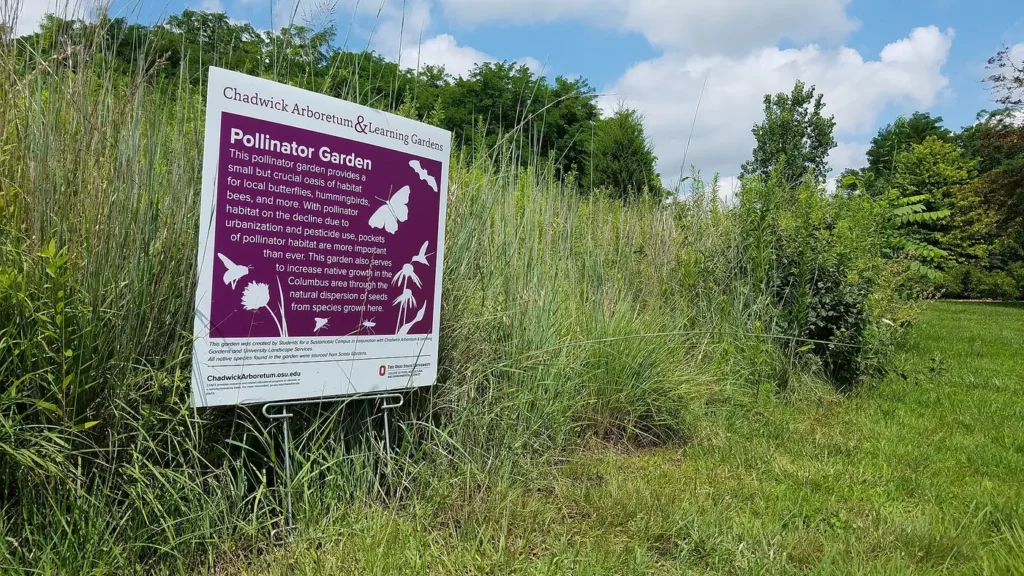
When to plant wildflower seeds
Fall sowing (dormant seeding)
In regions with cold winters, the best fall approach is a dormant sowing: spread the seed after several killing frosts, once the soil stays below about 50°F. At that point the seed will not sprout until spring. Winter freezing and thawing breaks down hard seed coats and provides the cold stratification that many native perennials need to germinate.
- Cold winters (zones 3 to 6): late October to December, or any time before snow cover. You can even sow onto thin snow.
- Mild winters (zones 7 to 10): sow in fall, from October to December, so seeds sprout with the winter rains and establish roots before summer heat. In California, late October to late November is ideal.
For a planting window based on your own frost dates, use the winter sowing calculator.
Spring sowing
Spring sowing works too: sow after the last frost once the soil is workable. You will need to water the seedbed regularly for the first month, and native perennials that need cold may not sprout until the following year. Annuals such as cosmos, zinnias, cornflowers and poppies sprout and bloom the same year.
Choose the right seed
- Pick a regional mix of species native to your area. They are adapted to your soil and climate and support local pollinators.
- Look for both annuals and perennials. Annuals give color in the first year; perennials take over from the second and third years.
- Avoid mixes with invasive species for your region, and be wary of “meadow in a can” products heavy on non-native annuals.
- Match the site: most wildflowers need at least six hours of sun. Use a shade or dry-soil mix where needed.
Prepare the site
Site preparation is the most important step. Wildflower seedlings cannot compete with established grass and weeds.
- Remove existing vegetation. Smother turf for six to eight weeks under cardboard or black plastic, remove sod, or till shallowly. For small areas, solarizing in late summer works well.
- Do not till deeply just before sowing; deep tilling brings up buried weed seeds.
- Rake the surface lightly to create loose soil for seed to settle into.
- Skip the fertilizer. Most wildflowers prefer lean soil, and fertilizer mostly feeds weeds. See what flowers grow best in poor soil for tough choices.
How to sow wildflower seeds
- Measure the seed. Follow the rate on the package. Many mixes call for around 4 to 8 ounces per 1,000 square feet. The seed quantity calculator helps scale it to your area.
- Bulk it up. Mix the seed with four to five parts of dry sand, sawdust or vermiculite so it spreads evenly and you can see where you have sown.
- Broadcast in two passes. Spread half the mix walking in one direction, then the other half crosswise.
- Press, do not bury. Many wildflower seeds need light to germinate. Walk over the area, use a lawn roller, or press with a board so seed makes good contact with the soil. Cover with no more than a very light dusting of soil.
- Water if sowing in spring. Keep the surface moist until seedlings are a few inches tall. Fall-sown areas rely on winter moisture.
Care in the first year
- Learn your seedlings. Young wildflowers look like weeds. Pull only plants you recognize as weeds.
- Mow high in the first summer, to about 6 inches, if weeds get ahead. This keeps fast weeds from going to seed while slower perennials build roots.
- Be patient. Native perennials often bloom in their second or third year. A first-year meadow is mostly annuals.
Ongoing care
Leave seed heads standing through winter for birds and to let plants reseed. In late winter or early spring, mow or cut the meadow down to 4 to 6 inches and leave the cuttings to drop seed. A wildflower patch is one of the easiest ways to support bees and butterflies; see how to plant a pollinator garden for more plant choices, and when to plant hollyhock seeds for another flower that is best sown now.
Native wildflowers by region
Native species establish best because they are adapted to local soil, rainfall and winters. A few dependable choices:
| Region | Reliable natives to look for |
|---|---|
| Northeast and Midwest | Black-eyed Susan, purple coneflower, wild bergamot, butterfly weed, New England aster, lanceleaf coreopsis |
| Southeast | Blanket flower, lanceleaf coreopsis, purple coneflower, partridge pea, scarlet sage |
| Great Plains and Texas | Indian blanket, bluebonnet, Mexican hat, prairie coneflower, plains coreopsis |
| Mountain West | Rocky Mountain penstemon, blue flax, blanket flower, prairie aster |
| California and the West Coast | California poppy, lupines, baby blue eyes, tidy tips, clarkia |
Your state’s native plant society or Cooperative Extension office can recommend a mix for your exact area.
Common wildflower mistakes
- Skipping site preparation. Seeding into existing grass is the number one reason meadows fail.
- Burying the seed. Many species need light to sprout.
- Using too much seed. Crowded seedlings compete and stay weak.
- Fertilizing. It feeds weeds and makes wildflowers floppy.
- Giving up in year one. Perennials often need a second season to bloom.
Wildflowers in small spaces
You do not need a field. A 4-by-8-foot bed, a hell strip by the sidewalk or a few large containers can host a mini meadow. Choose shorter species, sow at the same rate per square foot, and edge the area neatly so it looks intentional.
Site preparation and sowing details from extension
Clemson Home and Garden Information Center says most wildflowers need full sun, though woodland species do well in light shade. Test the soil 4 to 6 weeks before planting; wildflowers generally thrive at pH 5.5 to 7.0. Avoid topsoil as an amendment because it may contain weed seeds, and use fertilizer cautiously since it can encourage weeds. UConn Extension adds that a site should be well drained with 6 to 8 hours of sun, cultivate the soil to about 6 inches and remove grasses and weeds first. It lists four preparation methods, including tilling 6 to 8 weeks before planting and re-cultivating every 2 to 3 weeks, or covering the site with black plastic topped with 3 to 4 inches of mulch for at least 2 to 3 months. Avoid deep tilling, which can bring more weed seeds to the surface.
Timing, rates and technique
Clemson recommends fall sowing September through November once soil temperatures fall below 40 degrees F, ideal for spring- and early summer-flowering species, or spring sowing from March to late April. For seeding rate it gives 4 to 5 ounces per 1,000 square feet for small areas, while UConn gives about 4 to 5 pounds per acre. Mix seed with sand or perlite to spread it evenly, split seed in half and spread each half in perpendicular directions to avoid bare spots, then firm it into the soil with a roller or by lightly tamping with a rake. Lightly cover with mulch hay or straw. Germination typically takes 1 to 4 weeks, and some perennials need winter cold stratification. Keep the area moist for 4 to 6 weeks, about 1 inch per week until seedlings are established.
Choosing species and grasses
UConn warns that commercial mixes often include exotics and bright annuals that fade after the first season in New England, and suggests choosing species individually, for example bee balm, black-eyed Susan, coneflowers, coreopsis, goldenrod, New England asters, common milkweed and yarrow. Include native grasses such as little bluestem, sideoats grama and prairie dropseed, but keep grasses to no more than 10 to 15 percent of the mix, and avoid aggressive grasses such as tall fescue, orchard grass and rye grass.
Establishment and maintenance
Annuals bring color in the first year, while perennials generally take 2 to 3 years to establish, and spring-sown perennials often do not flower until the second season (Clemson). Weed control is essential: hand-pull invasive weeds, or cut weed tops with a trimmer or scythe before they seed, repeating 3 or 4 times in the first season, and avoid herbicides after planting because they kill desired plants. Mow once a year in late fall or very early spring at 4 to 6 inches. Without maintenance, UConn notes, a meadow will eventually be taken over by shrubs and trees.
Safety and legal note: Check that seed mixes are suitable for your region and free of noxious or invasive species, as rules vary by country and state. If you use a non-selective herbicide for site preparation, follow the label exactly and keep pets and children away until it has dried.
A first-year timeline
- 6 to 8 weeks before sowing: clear the site, test soil and start weed control; UConn suggests tilling then re-cultivating every 2 to 3 weeks to remove new weeds.
- Sowing day: choose a calm day, mix seed with sand, sow in two directions, firm the seed in and mulch lightly with straw or hay.
- Weeks 1 to 4: keep moist; germination takes 1 to 4 weeks.
- Weeks 4 to 6: keep watering, about 1 inch a week, until seedlings are established.
- First summer: hand-pull or cut weeds before they seed, repeating 3 or 4 times; annuals bloom.
- Late fall or very early spring: mow once at 4 to 6 inches.
Annuals versus perennials
| Annuals and biennials | Perennials | |
|---|---|---|
| Sown | Spring after frost danger | Spring or fall |
| First bloom | Same year | Often second season (Clemson) |
| Return | Reseed if allowed | Come back year after year |
| Established | Quickly | 2 to 3 years |
Common mistakes
- Over-fertilizing. Clemson and UConn warn that fertilizer encourages weedy grasses.
- Using topsoil. It can bring weed seeds.
- Deep tilling. It can bring more weed seeds to the surface.
- Not watering at first. The seedbed must stay moist for 4 to 6 weeks.
- Expecting a perfect first year. Perennials take time, and meadow gardens do not need to be weed-free, only free of aggressive or invasive weeds.
For a small bed, start with a strip you can maintain, and use our plant spacing calculator if you prefer transplants.
Wildflower safety, legality and local choice
Before you sow, check local rules. Some regions list certain flowers as invasive or noxious, and seed mixes sold for a wide area often contain species that do not suit your climate. Clemson advises selecting wildflowers adapted to your specific habitat and site conditions, and UConn recommends choosing species individually for control over color, bloom timing and suitability. Ask the supplier for a species list, not just a picture on the packet.
Seed quality
Look for seed labelled with species names and a recent test date, and keep it cool and dry until sowing. Cheap mixes can be mostly annuals that flower brilliantly once and vanish. If you want a meadow that lasts, include perennials and a modest share of grasses, and accept a slower first year.
Small spaces
You do not need a field. A single bed or a large container can hold a wildflower mix. Prepare soil well, sow at the recommended rate, and keep it watered until established. Our planting guides have more on small-space design.
Sources and further reading
- Plant wildflower gardens in the fall, Oklahoma State University Extension
- Sowing Native California Wildflower Seeds, UC Master Gardeners
- Wildflowers in the Landscape, Mississippi State University Extension
Free printable: the Year-Round Garden & Preserving Planner
Planting dates for 24 crops, monthly tasks, blanching times, canning safety numbers and a winter storage chart in one 8-page PDF. Enter your email to download it instantly and get our seasonal garden newsletter.
No spam. Unsubscribe any time. We never sell your email.
Frequently asked questions
When is the best time to plant wildflower seeds?
In cold regions, late fall after several killing frosts, so seeds stay dormant until spring. In mild regions, fall sowing timed with winter rains. Spring sowing after the last frost also works with regular watering.
Do wildflower seeds need to be covered?
Barely. Many need light to germinate. Press seed firmly onto the soil surface and cover with no more than a light dusting of soil.
Can I just throw wildflower seeds on grass?
Rarely successfully. Seedlings cannot compete with established turf. Remove grass and weeds first for good results.
How long until wildflowers bloom?
Annuals bloom 60 to 90 days after sprouting. Native perennials often take until their second or third season.
Reviewed October 2026. Sources: Clemson HGIC: Wildflowers UConn Extension: Wildflower meadows
