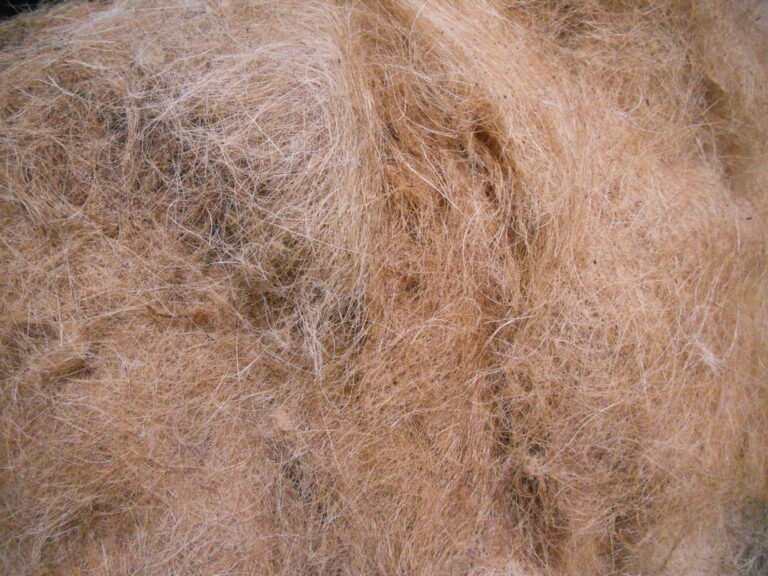
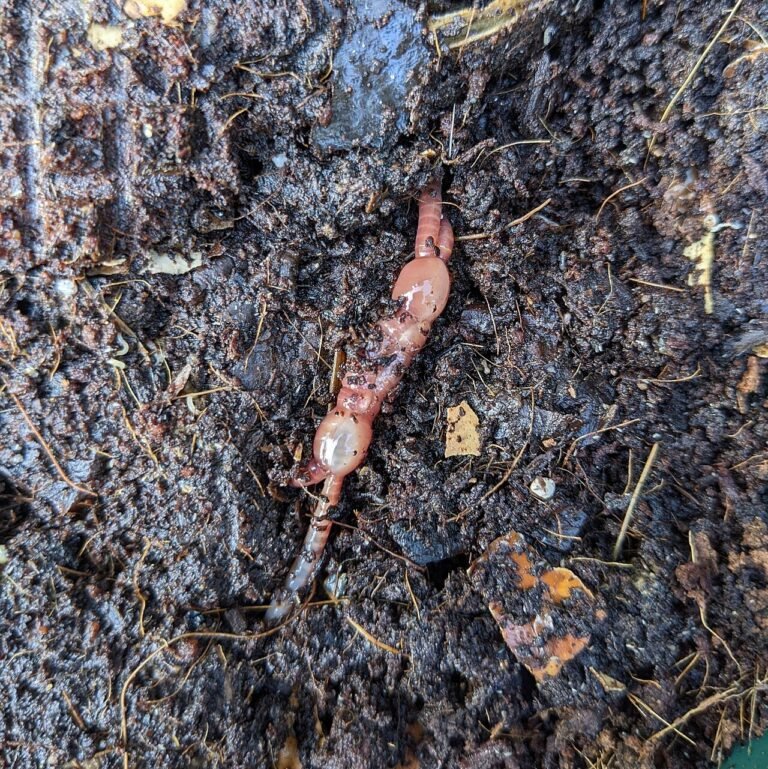
Every fall, trees drop a free supply of one of the best soil improvers there is. Leaf mold is simply leaves left to break down slowly into a dark, crumbly material that smells like a forest floor. It is not a fertilizer, but it does something many fertilizers cannot: it improves soil structure and holds a remarkable amount of water. It costs nothing, takes almost no work, and keeps bags of leaves out of the landfill.
What is leaf mold?
Leaf mold is decomposed leaves. Unlike a compost pile, which relies on bacteria and heat to break down a mix of green and brown materials quickly, leaf mold is made by fungi working slowly in a cool, moist pile of leaves alone. The result is lower in nutrients than compost but excellent as a soil conditioner and mulch.
| Leaf mold | Compost | |
|---|---|---|
| Ingredients | Leaves only | Greens and browns: kitchen scraps, grass, leaves, straw |
| Decomposed by | Mostly fungi, cool and slow | Mostly bacteria, often hot |
| Time | 6 months to 2 years | 2 to 12 months |
| Nutrients | Low | Moderate |
| Best use | Soil structure, water retention, mulch, seed mixes | Feeding soil and plants |
The two work well together. For mixed garden waste, see our beginner’s guide to composting at home.
Which leaves make the best leaf mold?
- Best: oak, beech and hornbeam, which break down into high-quality leaf mold.
- Good: maple, birch, ash, cherry, linden and most other deciduous leaves. Thin leaves rot faster.
- Slow: sycamore, horse chestnut and other large, tough leaves. Shred them first.
- Pine needles: take two to three years and make acidic leaf mold. Keep them in a separate pile for acid-loving plants such as blueberries, azaleas and rhododendrons. Our guide to the best soil for blueberries explains why that matters.
- Avoid: black walnut leaves, which contain juglone that can stunt plants; leaves from diseased plants; and street leaves mixed with litter.
How to make leaf mold
Method 1: the bag method (small gardens)
- Rake leaves into large plastic trash bags or reuse old compost bags.
- Wet the leaves if they are dry. They should feel like a damp sponge, not soggy.
- Tie the bag and poke a dozen holes in it with a garden fork for airflow and drainage.
- Store the bags out of sight behind a shed or under a hedge.
- Check once or twice in summer and add water if the leaves have dried out.
Method 2: the leaf bin (larger amounts)
- Make a simple cage about 3 feet across from chicken wire or hardware cloth held up by four stakes, or use old pallets.
- Fill it with leaves, wetting each layer as you go and treading them down.
- Leave it alone. Water in dry spells. Turning the pile now and then speeds it up but is not necessary.
Method 3: the open pile
Simply heap wet leaves in a shaded corner. It is the slowest method because the outside dries and blows around, but it works.
How to make leaf mold faster
- Shred the leaves. Run a lawn mower over them a couple of times before bagging. Shredded leaves can be ready in six to twelve months instead of two years.
- Keep them moist. Dry leaves barely break down.
- Add a little nitrogen. A few handfuls of grass clippings or a sprinkle of compost per bag gets fungi started.
When is leaf mold ready?
- After about one year: the leaves are dark and partly broken down but still recognizable. This is perfect as a mulch or to dig into beds.
- After two years or more: it is dark brown, crumbly and smells earthy, with no leaf shapes left. Sieve it for seed-starting and potting mixes.
How to use leaf mold
- Mulch: spread 2 to 3 inches around perennials, shrubs and vegetables to hold moisture and suppress weeds. See how to mulch a garden for technique.
- Soil improver: dig it into sandy soil to help it hold water, or into clay to open it up.
- Potting and seed mixes: mix well-rotted, sieved leaf mold in equal parts with compost and good garden soil.
- Lawn top-dressing: rake a thin layer of fine leaf mold over thin patches in fall.
- Winter cover: spread over bare beds to protect soil from erosion and heavy rain.
To estimate how many leaves you have and how far they will go, try the leaf mulch calculator. Leaf mold is one of the most satisfying jobs on any fall garden prep list.
How much leaf mold will you get?
Leaves shrink dramatically as they decompose. As a rough guide, a large trash bag of whole leaves becomes about a quarter to a third of a bag of finished leaf mold. Shredded leaves pack down more and break down faster, so the same yard produces more usable material in less time. If you have more leaves than space, shred them and use some directly as mulch this fall, and bag the rest for leaf mold.
Using fallen leaves without making leaf mold
- Mow them into the lawn. A light layer of shredded leaves left on the grass breaks down over winter and feeds the soil. Just avoid thick mats that smother the turf.
- Mulch beds directly. Shredded leaves make a good winter mulch over perennials, bulbs and vegetable beds. Whole leaves can mat and stay soggy, so shred first.
- Add them to compost. Leaves are a carbon-rich “brown” that balances kitchen scraps and grass clippings.
- Insulate tender plants. Bags of leaves packed around a cold frame or a pot of tender plants add extra winter protection.
Common leaf mold problems
| Problem | Cause | Fix |
|---|---|---|
| Leaves still dry and whole after a year | Too dry | Water the pile or bags thoroughly and mix |
| Slimy, smelly mass | Too wet, no air | Turn, add more holes to bags, mix in dry leaves |
| Very slow breakdown | Thick, waxy leaves left whole | Shred before piling; add a little nitrogen |
| Weeds sprouting in the pile | Weed seeds blown in or collected with leaves | Cover the pile; avoid using on seed beds |
What university extension says about leaves and leaf mold
Penn State Extension describes leaf mold as essentially decayed leaves: dark brown, earthy-smelling and crumbly. It is not high in nutrients, but it improves soil structure and water retention, and unlike compost or manure it is mostly weed-free. To make it, pile the leaves, pack them down, water them and leave them for about two years. A wood or wire bin 3 to 6 feet across and at least 3 feet tall helps contain the leaves, and a large plastic bag or trash can also works if the leaves are moistened and the container is closed loosely so air gets in. Shredding, turning, watering or covering the pile with a tarp can shorten decay to 6 to 12 months.
Shredding makes it faster
A mulching mower works best, though a regular mower also works. Shred dry leaves that are not piled too thickly, and mow crosswise a second time for finer pieces. Penn State reports that Michigan State University research found no negative effects from mulching leaves into turf: grass quality improved, broadleaf weeds decreased and soil pH was unaffected for both oak and maple leaves. Leave a layer up to about one-half inch on the lawn. University of Illinois Extension adds that shredded leaves break down faster and are less likely to blow away, and that a 2-inch layer of shredded leaves becomes soft brown mulch by spring. Shredded leaves become mulch in about 6 months, whole leaves take 9 to 12 months.
Nutrient value and pH
An Illinois Extension educator is quoted saying that a two-inch layer of leaf mulch adds approximately 150 pounds of nitrogen, 20 pounds of phosphorus and 65 pounds of potassium per acre, which is a modest but real return for free material. Leaf mulch has no significant effect on soil pH: oak leaves are acidic when fresh (pH 4.5 to 4.7) but break down to neutral or slightly alkaline.
How to use it
- Apply shredded leaves 2 to 4 inches thick around trees, shrubs and perennial beds, as Penn State advises.
- For a vegetable garden, Illinois suggests spreading 6 to 8 inches of whole leaves and tilling them in to improve tilth, drainage and organic matter.
- Use leaves as the brown layer in compost, combined with kitchen fruit and vegetable scraps.
- Protect tender perennials such as tea roses with a wire or burlap cage filled with leaves, or heap leaves around root crops and hardy vegetables in late fall.
Penn State also warns that store-bought or outside compost may contain contaminants, trash or pests such as invasive earthworms, which is a good reason to make your own. See our soil and mulch guides and mulch calculator to size a leaf mulch layer.
Safety and legal note: Wear gloves and a dust mask when handling dry or moldy leaf piles, especially if you have asthma or a weakened immune system, because mold spores can irritate lungs. Check local rules on leaf burning and yard waste, which vary by area.
Leaf mold, compost and mulch compared
| Leaf mold | Shredded leaf mulch | Compost | |
|---|---|---|---|
| Time | About 2 years; 6 to 12 months if shredded, turned and watered | About 6 months when shredded | Ready by next summer when mixed with kitchen scraps |
| Main benefit | Soil structure and water retention | Weed suppression, moisture, insulation | Nutrients plus structure |
| Weed seeds | Mostly weed-free | Few | Can carry them |
| Effort | Pile and wait | Mow and spread | Layer and turn |
The practical choice is not either-or. Shred the best leaves and spread them as mulch, stockpile the surplus separately for leaf mold, and layer a few into your compost as the brown material.
Keeping the pile working
Penn State says adding water occasionally speeds decomposition, so a dry pile that seems to have stalled usually just needs a thorough soaking. Covering the pile with a tarp helps hold moisture, and turning it brings air in. Pack leaves down so wind does not scatter them, and use a bin or bag if you have little space. If the pile smells sour, it is too wet or compacted, so fluff it and add dry leaves.
Using leaf mold
Because leaf mold is not rich in nutrients, treat it as a conditioner. Work it into planting beds, use it as a top dressing around perennials, or mix it into potting mixes. In clay soil, University of Missouri Extension suggests leaf mold among the organic materials to improve heavy soil. Leaf mold that is well decomposed works better mixed into soil than spread on top, Clemson says.
Is it worth the wait?
Leaf mold costs nothing but patience, and every bag of leaves you keep on the property is one less to buy back as mulch or compost. Start a pile this fall in a corner and note the date so you can check it in a year.
Leaves as winter protection and wildlife habitat
University of Illinois Extension notes that leaves work as insulation for perennials and hardy vegetables. Tender perennials such as tea roses can be protected with a wire or burlap cage filled with leaves, and leaves placed around the base of root crops and hardy vegetables can protect them from freezing in late fall. If you do not have time to make leaf mold, simply mow the leaves into the lawn in a layer up to half an inch, or spread them over beds where they decompose and add organic matter. That also saves the cost and fuel of bagging and hauling them.
A simple yearly routine
- In October and November, rake leaves into a pile or bin and soak them.
- Keep a separate stockpile of shredded leaves for mulch.
- Over winter, check moisture once a month and add water if the pile is dry.
- In spring, use the finished shredded leaves as mulch around trees, shrubs and perennials.
- The following autumn, use the first batch of leaf mold as a soil conditioner.
Sources and further reading
- Leafmould, Royal Horticultural Society
- Composting at Home, US Environmental Protection Agency
Free printable: the Year-Round Garden & Preserving Planner
Planting dates for 24 crops, monthly tasks, blanching times, canning safety numbers and a winter storage chart in one 8-page PDF. Enter your email to download it instantly and get our seasonal garden newsletter.
No spam. Unsubscribe any time. We never sell your email.
Frequently asked questions
How long does leaf mold take?
About two years for whole leaves. Shredding the leaves and keeping them moist can cut that to six to twelve months.
Is leaf mold the same as compost?
No. Leaf mold is made only from leaves, broken down slowly by fungi. It is low in nutrients but excellent for soil structure and moisture. Compost is a richer mix of materials broken down by bacteria.
Does leaf mold make soil acidic?
Most leaf mold ends up close to neutral. Pine needle leaf mold is the exception and stays acidic.
Can I use leaf mold on my lawn?
Yes. Fine, well-rotted leaf mold makes a good fall top-dressing for thin or sandy lawns.
Reviewed October 2026. Sources: Penn State Extension: Leaves are treasure, not trash University of Illinois Extension: Do not bag your fall leaves