Flowers that grow best in dry soil include lavender, blanket flower, purple coneflower, yarrow, Russian sage, sedum, salvia, gazania, statice, Verbena bonariensis, California poppy, lantana and rock rose. In mild-winter climates, kangaroo paw and grevillea also do very well. These plants cope with drought through deep roots, small or silvery leaves, or water-storing tissue.
Drought-tolerant does not mean no water at first: even these flowers need regular watering through their first growing season until the roots are established. If your dry soil is very sandy, a soil calculator helps you work out how much compost to add before planting. This guide covers 15 flowers, how to establish them and what to avoid.
Understanding the Mechanics of Drought-Tolerant Plants
Plants that thrive in dry soil are not just surviving; they are masters of efficiency. Most drought-tolerant species possess structural adaptations that allow them to flourish where others wilt. These adaptations typically fall into three categories: deep taproots that reach subterranean moisture, waxy or hairy leaf surfaces that reduce transpiration, and succulent tissues that act as internal reservoirs.
When planning your planting strategy, consider the microclimates in your garden. Even in a dry plot, some areas may retain more moisture than others. Before you commit to a design, assess your local environment. If you are concerned about your irrigation requirements, our garden watering calculator can help you estimate how much supplemental hydration your new additions will actually need during their establishment phase.
The Top 15 Drought-Tolerant Flowers for Dry Landscapes
The following list features plants that are not only hardy but provide significant aesthetic value to your garden. Whether you are looking for structural height, ground-covering mats, or vibrant seasonal colour, these selections are proven performers in Australian conditions.
1. Kangaroo Paw (Anigozanthos)
An iconic Australian native, the Kangaroo Paw is perfectly adapted to dry conditions. Its unique, velvety flowers are highly attractive to nectar-feeding birds. They prefer well-draining, sandy soil and require very little intervention once established. Ensure they are planted in full sun for maximum blooming potential.
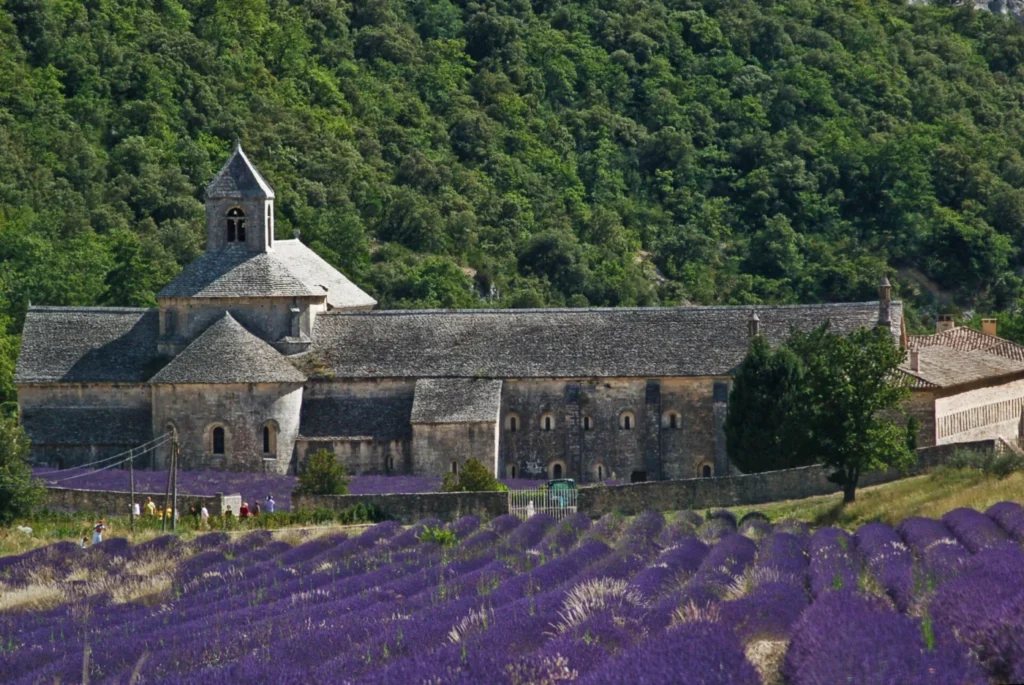
2. Lavender (Lavandula)
Lavender is the quintessential Mediterranean plant. It thrives on neglect, provided the drainage is excellent. Its grey-green foliage is a testament to its drought resistance. Not only does it provide a soothing fragrance, but it also creates a stunning visual display when mass-planted in borders.
3. Blanket Flower (Gaillardia)
For a burst of fiery colour, the Blanket Flower is unmatched. These perennials are incredibly resilient and will bloom throughout the hottest months of the year. They are excellent for pollinators and look fantastic in rock gardens where the soil is lean and dry.
4. Purple Coneflower (Echinacea)
Echinacea is a champion of the dry garden. Its deep, fibrous root system allows it to withstand extended dry spells with ease. Beyond its beauty, it is highly valued for its medicinal properties and its ability to attract beneficial insects to your plants.
5. Yarrow (Achillea millefolium)
Yarrow is nearly indestructible. With its fern-like foliage and flat-topped clusters of tiny flowers, it provides a beautiful texture contrast in a garden bed. It prefers poor, dry soil and can spread quite rapidly, making it an excellent candidate for filling empty spaces.
6. Russian Sage (Perovskia atriplicifolia)
With its airy, lavender-blue spikes, Russian Sage adds a dreamy, ethereal quality to any landscape. It is extremely heat-tolerant and thrives in dry, rocky soils. It is best used as a backdrop for shorter, brighter flowers to create depth.
7. Sedum (Stonecrop)
Sedums are the ultimate succulents. Their fleshy leaves store water, allowing them to survive in the most unforgiving conditions. From low-growing groundcovers to tall, upright varieties, there is a Sedum for every corner of your dry garden.
8. Grevillea
Grevilleas are essential for any Australian garden looking to conserve water. With hundreds of varieties available, you can find a size and colour to suit any space. They are highly efficient at drawing moisture from deep within the soil profile.
9. Statice (Limonium)
Statice is beloved for its papery flowers that retain their colour even after drying. It is a tough plant that handles heat and dry soil with grace. It makes for an excellent cut flower, allowing you to bring the beauty of your garden indoors.
10. Gazania
If you need a splash of vibrant colour on a budget, Gazanias are the answer. These daisy-like flowers open in the sun and close at night. They are exceptionally drought-tolerant and work perfectly as a colourful carpet in dry, sunny spots.
11. Salvia
The Salvia genus is vast, but many varieties are renowned for their drought tolerance. From the tall, dramatic spikes of Salvia leucantha to the compact, colourful blooms of common garden salvias, these plants are reliable, long-blooming, and highly attractive to bees.
12. Verbena bonariensis
This tall, slender plant adds height and movement to a garden. It is surprisingly drought-tolerant and produces clusters of tiny purple flowers that seem to float above the rest of the garden beds. It is a fantastic choice for a naturalistic or cottage-style garden.
13. Californian Poppy (Eschscholzia californica)
These cheerful, cup-shaped flowers thrive in poor, dry soil. They are often grown as annuals and are known for their ability to self-seed, ensuring a colourful display year after year with minimal effort.
14. Lantana
Lantana is incredibly tough and produces masses of multi-coloured flowers. It is a favourite for those wanting a low-maintenance plant that provides constant colour. *Note: Always check your local council guidelines, as some species of Lantana are considered invasive in certain parts of Australia.*
15. Rock Rose (Cistus)
True to its name, the Rock Rose is perfectly at home in rocky, dry, and nutrient-poor soil. It is a woody shrub that produces delicate, crinkled flowers, providing a sophisticated look to a garden that receives little to no rainfall.
Establishing Your Drought-Tolerant Garden
Even the most resilient plants need a helping hand during their first few months. The term “drought-tolerant” does not mean “drought-proof from day one.” Every plant needs to establish a root system capable of tapping into moisture reserves. Proper watering during the first season is the best investment you can make for the longevity of your garden.
When preparing your beds, focus on improving the soil structure rather than just adding nutrients. If your soil is too sandy, it drains too fast; if it is too heavy, it can suffocate roots. Incorporating organic soil and mulch can help regulate soil temperature and moisture levels, creating a more stable environment for your new plants to settle in.
| Plant Name | Sun Exposure | Soil Preference | Main Benefit |
|---|---|---|---|
| Kangaroo Paw | Full Sun | Well-draining/Sandy | Bird-attracting |
| Lavender | Full Sun | Poor/Gravelly | Fragrance |
| Sedum | Sun/Part Shade | Any | Low maintenance |
| Echinacea | Full Sun | Loamy/Dry | Medicinal/Pollinator |
| Gazania | Full Sun | Sandy | Vibrant colour |
Expert Perspectives: Managing Challenges
As a seasoned gardener, I often see beginners fall into the trap of over-fertilising drought-tolerant species. Many of these plants, especially Australian natives, prefer “lean” soil. Adding excessive fertiliser can lead to leggy growth and actually reduce the plant’s natural resilience. If you notice your plants are struggling, do not immediately reach for the chemical bottle. Use our plant problem identifier to diagnose the issue correctly before taking action.
Another common mistake is neglecting the importance of mulch. While the plants are drought-tolerant, the soil itself still benefits from protection. A layer of organic mulch prevents evaporation, suppresses weeds, and breaks down over time to provide slow-release nutrients. It is the most effective way to mimic the natural floor of a healthy ecosystem.
Financial Considerations and Planning
Transforming a dry, barren patch into a flourishing garden does not have to break the bank. By selecting hardy, long-lived perennials, you reduce the need for constant replanting. When budgeting, consider the long-term savings on water bills—a significant factor in Australia. You can use a garden cost calculator to map out your expenses, ensuring that you invest your money in high-quality plants and soil amendments that will pay dividends for years to come.
If you are unsure where to start, visit our tools section for a comprehensive suite of resources designed to help you plan, plant, and maintain your garden with confidence. Remember, a successful dry garden is not about fighting nature, but about working with the conditions you have.
Extension-recommended dry-soil flowers and their traits
Iowa State Extension’s perennials tolerant of dry conditions and Oregon State’s 10 low-water perennials give specific sizes and hardiness, which helps you plan beds:
| Plant | Size | Notes from the extension sources |
|---|---|---|
| Fernleaf yarrow (Achillea filipendulina) | 3 to 4 ft tall, 3 ft wide | Silver-gray foliage; yellow flat blooms late spring to mid-summer; likes dry soil |
| Threadleaf coreopsis | 12 to 24 in | Blooms late spring to late summer; best in dry, full sun |
| Purple coneflower | 2 to 4 ft | Iowa native; full sun, well-drained soil |
| Russian sage | 3 to 4 ft | Gray-white aromatic leaves, lavender-blue spikes; cut back to a few inches in spring |
| Ozark sundrop | Trailing | Canary-yellow summer flowers; tolerates poor soil and drought |
| Catmint | 2 ft | Blooms spring to fall; hardy to zone 4 |
| Hummingbird mint (Agastache) | 18 in to 3 ft | Summer to first frost; deer usually avoid; zone 5 |
| Sea holly | About 2 ft | Spiky blue flowers, good for cutting; zone 3 |
| Sedum ‘Autumn Joy’ | About 2 ft | Fall bloom; do not plant in amended soil or it may flop |
| Yarrow (Achillea millefolium) | 2 ft | June to September; zone 3 |
Several of the best performers have silver or gray foliage, such as artemisia, fernleaf yarrow and Russian sage. Iowa State also warns that ‘Silver King’ artemisia and perennial bachelor’s button can be aggressive and need dividing about every two years. Penstemon hybrids, per Oregon State, need very good drainage and are most reliably hardy only to zone 7. Check your zone with our growing zone finder.
The establishment rule that most people skip
Drought-tolerant does not mean no water. Oregon State is blunt: even low-water plants need regular irrigation for the first two years. After that, water deeply about every two weeks, and less in mild weather. Drip lines or soaker hoses are the most efficient delivery, and if you use a sprinkler, measure its output with a rain gauge or straight-sided container. Convert a small area first, such as a parking strip or an already-dry corner, before committing the whole garden. Our garden watering calculator helps set volumes, and the plant spacing calculator prevents overcrowding.
Dry beds also benefit from mulch to slow evaporation; see our mulch calculator. Avoid heavy compost on species such as sedum that prefer lean soil.
Safety and legal note: Check local water-restriction rules before establishing new plantings, and avoid planting invasive species in your area: some drought-tolerant perennials spread aggressively and are regulated in certain regions. Handle plants such as sea holly and euphorbia with gloves, as spines and sap can irritate skin. Rules vary by country and region.
Free printable: the Year-Round Garden & Preserving Planner
Planting dates for 24 crops, monthly tasks, blanching times, canning safety numbers and a winter storage chart in one 8-page PDF. Enter your email to download it instantly and get our seasonal garden newsletter.
No spam. Unsubscribe any time. We never sell your email.
Frequently Asked Questions
Can I grow flowers in dry clay soil?
Yes, many drought-tolerant plants handle clay well, provided the area is not prone to waterlogging. If your clay is heavy, amending it with gypsum and organic matter will help open the structure, allowing roots to penetrate deeper and seek moisture.
How often should I water new drought-tolerant plants?
During the first six to eight weeks, you should water your new plants deeply at least once or twice a week, depending on the temperature. Once they have developed a robust root system, you can gradually reduce the frequency until they are fully self-sufficient.
Do drought-tolerant plants need fertiliser?
Most require very little. A light application of a slow-release, native-friendly fertiliser in early spring is usually sufficient. Avoid high-phosphorus fertilisers for many Australian natives, as they can be harmful.
What is the best mulch for a dry garden?
Wood chips, pea straw, or pine bark are excellent choices. They provide good insulation for the soil and decompose slowly, helping to improve soil health over time.
Can I plant these in containers?
Absolutely. Drought-tolerant plants, especially succulents like Sedum and herbs like Lavender, thrive in pots. Just ensure the containers have excellent drainage holes and use a premium potting mix designed for drainage-loving plants.
Final Thoughts on Creating a Resilient Oasis
Gardening in dry soil is an exercise in patience and observation. By choosing the right plants and respecting their natural needs, you can create a landscape that is both stunning and sustainable. The 15 plants listed above are merely the starting point. As you become more familiar with your garden’s unique personality, you will find that a dry landscape offers a beauty and simplicity that is both rewarding and deeply satisfying. Stay curious, keep observing, and enjoy the process of watching your garden transform into a resilient, blooming masterpiece.
Reviewed October 2026. Sources: Iowa State University Extension, Perennials Tolerant of Dry Conditions; Oregon State University, 10 low-water perennials.
Photo: Guillaume 1995, Public domain, via Wikimedia Commons (resized)