Flowers that grow well in clay soil include daylilies, coneflowers, Siberian and Japanese iris, bee balm, asters, black-eyed Susan, Joe Pye weed, canna lilies, hostas, cardinal flower, garden phlox, yarrow, bleeding heart and swamp milkweed. Clay holds water and nutrients better than sandy soil, so these plants do well in it as long as the bed does not stay waterlogged.
The two things that decide success are drainage and how you plant: add compost across the whole bed, not only in the planting hole, and avoid working clay when it is wet. Our soil calculator estimates how much compost or soil a bed needs, and the plant database lists spacing for many of the plants below.
Understanding the Mechanics of Clay Soil
To master clay gardening, you must first understand why it behaves the way it does. Clay is composed of tiny, flat particles that pack together tightly, leaving very little room for air or water movement. When wet, it becomes sticky and plastic-like; when dry, it can turn as hard as concrete. However, this same density is what makes it so fertile. Unlike sandy soil, where nutrients wash away quickly, clay holds onto essential minerals like magnesium, potassium, and calcium.
The key to success is selecting species that possess strong root systems capable of pushing through dense soil, or those that have adapted to periodic waterlogging. When you combine the right plant selection with proper soil and mulch management, you create a self-sustaining ecosystem that requires less frequent fertilisation.
15 Best Flowers for Clay Soil
Choosing the right floral varieties for heavy soil requires a balance of aesthetics and resilience. Here are the top 15 picks curated for Australian gardeners dealing with clay-heavy environments.
1. Daylilies (Hemerocallis)
Daylilies are the undisputed champions of difficult soil. Their thick, fleshy roots are incredibly robust, allowing them to penetrate heavy clay with ease. They are remarkably drought-tolerant once established and provide a massive burst of colour throughout the warmer months. Because they are so hardy, they are perfect for beginners.
2. Coneflowers (Echinacea)
Echinacea is a staple in prairie-style gardens. These hardy perennials have deep taproots that help break up clay soil over time. They are beloved by pollinators and offer a long flowering season. Ensure you provide them with plenty of sunlight to keep them blooming vigorously.
3. Siberian Iris (Iris sibirica)
Unlike many other iris varieties that require perfect drainage, the Siberian Iris actually appreciates the moisture-retentive properties of clay. They produce elegant, grass-like foliage and stunning blooms that look beautiful near pond edges or in low-lying areas of the garden that stay damp.
4. Bee Balm (Monarda)
If you want to attract bees, butterflies, and hummingbirds, Monarda is your best bet. It thrives in moist, heavy soil and spreads reliably. Keep in mind that it can be prone to powdery mildew, so ensure you plant them in an area with good airflow.
5. Asters
Asters provide much-needed colour in late summer and autumn when other plants are beginning to fade. They are exceptionally tolerant of clay and will return year after year, forming large, bushy clumps that brighten up the garden border.
6. Black-Eyed Susan (Rudbeckia)
These cheerful, sun-loving flowers are virtually indestructible. Rudbeckia species adapt well to various soil types, including heavy clay. They are excellent for mass planting and provide a classic, rustic look to any landscape.
7. Joe Pye Weed (Eutrochium)
For those looking for height, Joe Pye Weed is a fantastic choice. It can grow quite tall and produces large, vanilla-scented flower heads. It loves moisture and heavy soil, making it ideal for the back of a border where the ground stays a little wetter than the rest of the garden.
8. Japanese Iris (Iris ensata)
These irises are specifically adapted to wet feet. If your clay soil tends to stay boggy after rain, the Japanese Iris will thrive where other plants might rot. They offer a sophisticated, exotic look with large, flat blooms.
9. Canna Lilies
For a tropical feel, Canna Lilies are unmatched. Their rhizomes handle heavy soil well, and their bold foliage makes a statement even when the plant is not in bloom. They are heavy feeders, so the nutrient density of clay is actually a benefit for them.
10. Hostas
While often thought of as shade plants, many Hostas are surprisingly tolerant of clay. As long as the soil isn’t completely waterlogged during winter, Hostas will grow lush, thick leaves. They are perfect for filling in those tricky, shaded corners of the garden.
11. Lobelia (Cardinal Flower)
The striking red spikes of the Cardinal Flower are a magnet for native birds. They are naturally found in moist meadows and wetlands, meaning they find clay soil quite comfortable. Keep them consistently moist, and they will reward you with vibrant colour.
12. Phlox (Garden Phlox)
Garden Phlox is a classic cottage garden plant that copes well with clay. They provide height and fragrance. To keep them healthy in clay, add a layer of organic mulch around the base to prevent the soil from baking too hard in the summer heat.
13. Yarrow (Achillea)
Yarrow is incredibly versatile. While it prefers well-drained conditions, it is hardy enough to survive in clay if it is not constantly saturated. It provides a beautiful, fern-like texture and flat-topped flower clusters that are perfect for pollinators.
14. Bleeding Heart (Lamprocapnos spectabilis)
These shade-loving perennials have delicate, heart-shaped flowers that dangle from arching stems. They prefer soil that holds moisture, making clay a suitable environment provided it is rich in organic matter.
15. Swamp Milkweed (Asclepias incarnata)
Essential for supporting monarch butterflies, this plant is perfectly happy in heavy, moist soils. It is a fantastic choice for gardeners looking to support local biodiversity while managing difficult soil conditions.
Pro Tips for Managing Clay Soil
Even with the best plant selection, you can significantly improve your success rate by following a few expert strategies. Gardening is as much about soil management as it is about plant care.
- Never work wet clay: If you dig in clay when it is saturated, you will destroy the soil structure and create compacted clods that are impossible for roots to penetrate. Wait until the soil is “friable”—meaning it crumbles easily when squeezed.
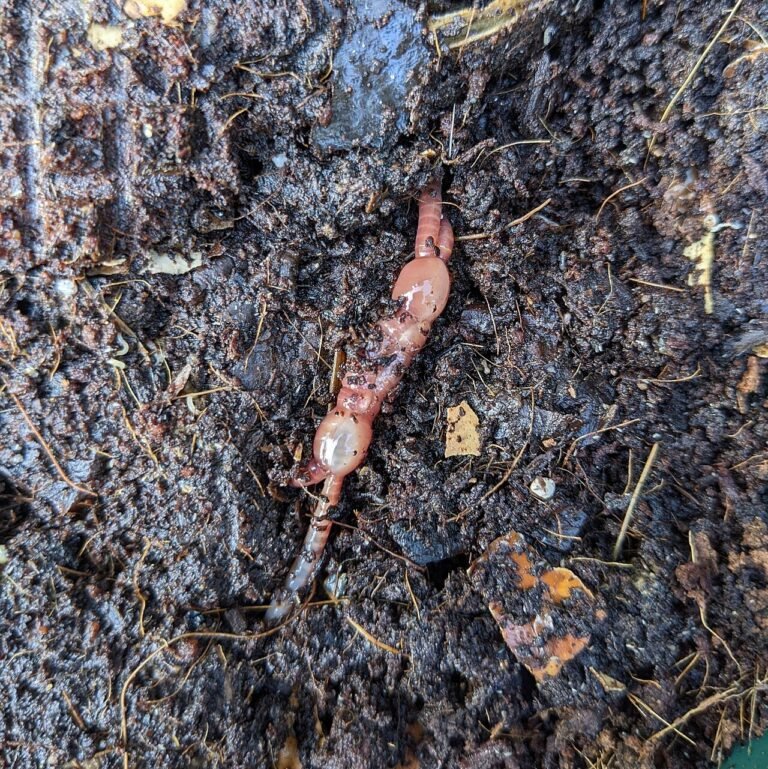
- Add organic matter: Compost, leaf mould, and well-rotted manure are the best friends of the clay gardener. Incorporating organic matter improves drainage and encourages earthworms, which are nature’s own aerators.
- Avoid tilling: While it is tempting to rototill the whole garden, this can actually destroy the soil’s natural structure. Instead, use a broadfork to gently aerate the soil without turning it over completely.
- Raised beds: Sometimes the best way to deal with heavy clay is to bypass it entirely. Building raised beds allows you to control the soil mix completely, providing perfect drainage for more sensitive species.
Monitoring Your Garden’s Health
Even the most resilient plants can encounter issues if the soil environment isn’t perfectly balanced. It is important to keep an eye on your plants for signs of stress. If you notice yellowing leaves or stunted growth, it might be an issue with drainage or nutrient uptake. You can use a plant problem identifier to quickly diagnose issues before they spread to your entire garden bed. Remember, prevention is always better than cure, and maintaining a healthy balance in your soil is the best way to keep your plants thriving.
Watering is another critical factor. Because clay retains water, it is easy to overwater, leading to root rot. We recommend using a garden watering calculator to ensure you are providing exactly what your plants need based on the local climate and soil retention capacity. Understanding how your watering habits interact with your soil type will save you time, money, and heartache.
Budgeting for Your Garden Projects
Gardening in clay can sometimes require a higher initial investment in soil amendments like gypsum or organic compost. If you are planning a major landscaping project, it is wise to map out your expenses early. Use a garden cost calculator to get a realistic view of your garden costs, including soil conditioners, plants, and mulching materials. Being prepared financially allows you to focus on the creative side of gardening rather than worrying about unexpected bills.
The amendment rate that actually works
University of Missouri Extension’s clay soil: a mixed blessing calls organic matter the only practical way to improve clay. The recommendation is to spread a layer of 1 to 4 inches (2.5 to 10 cm) and work it into the top 6 to 10 inches (15 to 25 cm), then repeat once a year, in spring or fall, because organic matter breaks down. Suitable materials include decomposed animal manure, peat moss and compost made from leaves, plant refuse or grass clippings. Green manure such as annual ryegrass can be turned under when it is one-third to one-half grown and still green.
The same page explains the trade-off: clay holds water and nutrients well and is fertile, but it compacts easily, forms a hard surface layer and reduces air space, which can lead to shallow roots and greater drought stress. Improving structure fixes the air problem without losing the fertility.
Special cases for flower beds
- Bulbs and perennials: Missouri advises against adding organic matter every year around established plants. Work it in once at planting, then mulch each fall.
- Trees and shrubs: do not put organic matter in the planting hole. Work it into the soil in a circle extending 2 to 5 feet from the trunk. Our tree planting hole size calculator covers hole dimensions.
For a bed of, say, 4 by 8 feet (about 3 square metres), a 2-inch layer needs roughly 2.7 cubic feet, or about 0.08 cubic metres, which our soil calculator will confirm. For planting guidance by season, see our planting section.
Safety and legal note: Compost and manure should be well-rotted before use to reduce pathogens; wear gloves, wash hands, and keep fresh manure away from edible crops. Rules on manure use and application near waterways vary by country and region.
Free printable: the Year-Round Garden & Preserving Planner
Planting dates for 24 crops, monthly tasks, blanching times, canning safety numbers and a winter storage chart in one 8-page PDF. Enter your email to download it instantly and get our seasonal garden newsletter.
No spam. Unsubscribe any time. We never sell your email.
Frequently Asked Questions
Can I improve clay soil quickly?
Improving soil structure is a long-term process. You cannot turn heavy clay into light loam overnight. However, adding gypsum can help break up clay particles, and incorporating organic matter annually will gradually improve drainage and aeration over several seasons.
Do I need to fertilise clay soil as much as sandy soil?
Generally, no. Clay soil is naturally more fertile because it holds onto nutrients better than sandy soil. You will likely find that you need to fertilise less frequently, but you should still perform a soil test to ensure your plants are getting the specific nutrients they need.
Is it okay to plant trees in clay soil?
Yes, many trees thrive in clay, but you must be careful with planting depth. Avoid digging a bowl-shaped hole, as this can create a “bathtub effect” where water collects and drowns the roots. Dig a wider, shallower hole and ensure the root flare is slightly above the soil surface.
What is the best mulch for clay soil?
Organic mulches like wood chips, straw, or leaf mould are best. As they break down, they add organic matter to the soil, which helps improve the structure of the clay from the top down.
Conclusion: Embrace the Challenge
Gardening in clay soil is a rewarding experience that teaches patience and observation. While it requires a different approach compared to lighter, sandier soils, the payoff is a resilient, nutrient-rich landscape that can sustain beautiful, long-lived plants. By choosing the right species from our list of 15 best choices and focusing on improving soil structure through organic amendments, you can create a thriving garden that stands the test of time.
Always remember that every garden is unique. If you are just starting out, do not be afraid to experiment with different varieties and observe how they perform in your specific microclimate. For more resources on maintaining your garden, managing soil health, and selecting the perfect plants, explore the full range of tools and guides available at Gardenvoila. Happy planting!
Reviewed October 2026. Sources: University of Missouri Extension, Clay soil: A mixed blessing, but easily corrected.
Photo: Rl, CC BY-SA 3.0, via Wikimedia Commons (resized)