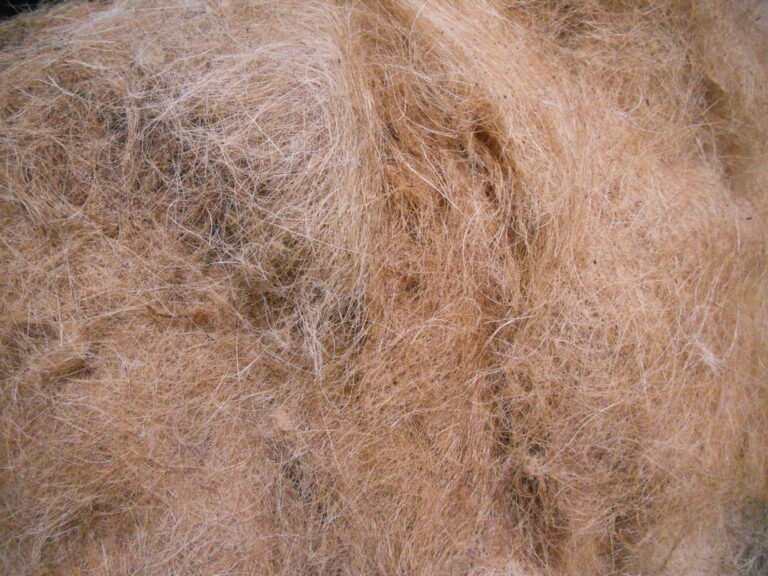
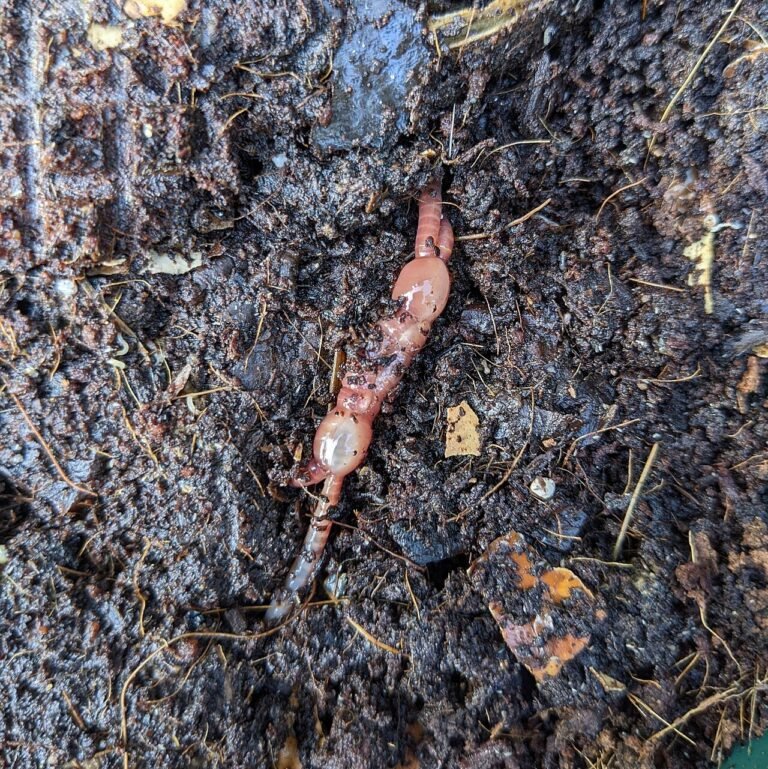
Mulch is made from either organic materials, such as bark, wood chips, pine needles, leaves, straw, compost and grass clippings, or inorganic ones, such as gravel, crushed stone, rubber, landscape fabric and plastic. Organic mulches break down and feed the soil, so they need topping up; inorganic mulches last far longer but add no nutrients and can create their own problems. This guide explains what each material is made of, how deep to spread it, how long it lasts, which plants it suits and what to avoid, using advice from Clemson, Utah State, the University of Maryland and the University of Florida.
Organic versus inorganic mulch at a glance
| Feature | Organic mulch | Inorganic mulch |
|---|---|---|
| Made of | Bark, wood chips, leaves, pine needles, straw, compost, clippings | Gravel, stone, rubber, fabric, plastic |
| Nutrients | Supplies some or all of the nutrients it contains as it decomposes | None |
| Lifespan | Weeks to a few years; needs regular replenishing | Years to permanent |
| Best for | Beds, trees and shrubs, vegetable gardens | Paths, foundation planting, dry-garden styles |
Utah State University Extension’s guide to mulches sorts them the same way: organic mulches (bark, straw, manure, sawdust, leaves, lawn clippings, hay, compost, peat moss, wood chips) supply nutrients and decompose over time, while inorganic mulches (landscape fabric, plastic, decorative rock) provide no nutrients and last longer. Both can reduce soil moisture loss, moderate surface temperature and control annual weeds. USU also lists reduced compaction, less runoff and erosion, protection of tree trunks from mower damage and a tidier appearance.
Organic mulches: what they are made of
Pine bark
Clemson’s Home and Garden Information Center recommends a layer of 2 to 3 inches (5 to 7.5 cm) of pine bark, noting that large nuggets can float and shift in heavy rain and can be used up to 4 inches deep. The University of Maryland describes softwood pine bark as slow to decompose, attractive and often pricier than shredded hardwood. A University of Florida study found pine bark kept about two thirds of its depth after two years.
Shredded hardwood and hardwood bark
Clemson says shredded hardwood suppresses weeds and resists washing away, and is sold as single-ground (coarser) or double-ground (finer). Maryland notes that hardwood bark is cheaper but may contain high manganese, which can be toxic at soil pH below 5.0. UF warns that mixed hardwood mulch can be contaminated with CCA from pressure-treated lumber, so avoid it around edible gardens, wear gloves and look for the Mulch and Soil Council logo.
Wood chips and sawdust
Wood chips are usually a 2 to 3 inch layer. Clemson says they decompose quickly by drawing nitrogen from the soil, so a nitrogen fertilizer may be needed, that they can attract termites and that they usually break down within two years. USU says wood chips, bark and sawdust can tie up soil nitrogen and suggests about 1 lb of available nitrogen (roughly 3 lb of ammonium nitrate) per 50 lb of mulch if deficiency shows. Maryland adds that fresh arborist chips are acceptable around trees and shrubs if not mixed into the soil, but are not recommended for annuals or vegetables, and that sawdust should be spread only 1 inch deep. If plants turn pale and slow down, Maryland suggests 1 to 2 lb of nitrogen per 1,000 square feet.
Pine needles (pine straw)
A 2 to 3 inch layer. Clemson says needles interlock and stay put on slopes and suit acid-loving plants; Maryland says they are slow to decay and add fragrance. UF notes that pine straw resists washing away but settles quickly, so it needs frequent re-mulching.
Leaves and leaf mould
Clemson recommends 2 to 3 inches of coarsely shredded leaves: whole leaves blow away and finely shredded ones block water, and oak and beech leaves acidify soil. Leaf mould, partially decomposed leaves, improves soil and lasts about one to two years as mulch. USU says leaves have a short lifespan and a high fire risk when dry.
Grass clippings
Best left on the lawn, says Clemson. For mulch, use a 2 inch layer of dry clippings, not fresh, and never from lawns treated with herbicide or containing weed seeds. USU agrees fresh clippings should be dried or composted first.
Straw and hay
Straw breaks down fast and grain seed heads may sprout; Clemson says never to use coastal Bermudagrass hay because of its weed seeds. USU says straw has a high fire risk and legume hay may heat when wet, so compost it or mix it with other mulches first.
Compost
USU says compost controls weeds well and is high in nutrients, but should be tested for soluble salts and high pH first. Maryland suggests about 1 inch, replaced yearly.
Peat moss
USU prefers acidic sphagnum peat because it lowers soil pH. It is best mixed into soil rather than used on the surface, where it can crust. See our guide to soil and mulch for how it fits into bed preparation.
Pecan shells and living mulch
Clemson notes pecan shells are long-lasting, dark brown and good at retaining moisture, though available mainly near pecan-processing areas. It also lists ground covers such as periwinkle, pachysandra, mondo grass and liriope as living mulch.
Inorganic mulches: what they are made of
Gravel, pebbles and crushed stone
Clemson says a 1 inch layer controls weeds, they are permanent and suit foundation plantings, but they can add alkalinity (so avoid them around acid-loving plants) and can overheat landscapes in summer. UF recommends limiting rock to pathways, dry creek beds and under downspouts, with landscape fabric underneath on sandy soils. USU notes decorative rock lasts long with very low crusting and no fire risk.
Landscape fabric
A woven fabric, plastic or paper that lets water and air through. Clemson says some grasses can grow through it, and recommends anchoring it and adding several inches of organic mulch on top. Maryland warns that synthetic fabric near tree roots can cause girdling roots, and that soil and debris collecting on top gives weed seeds a place to sprout.
Rubber and plastic
Ground rubber tires and artificial pine needles do not decompose, though Clemson says their long-term effectiveness and colour retention are still being studied. UF says rubber is less effective at weed suppression, absorbs heat, and can float and wash into waterways, leaching chemicals. Black plastic is very effective against weeds, but Clemson warns it blocks water and air, and trapped moisture can cause root rot, so cut holes or use perforated film. Clear plastic does not suppress weeds and can increase early-spring weeds, but USU notes plastic can warm soil early in spring.
How deep to spread each material
| Material | Depth | Typical lifespan |
|---|---|---|
| Fine wood and bark mulch | 2 to 3 in (5 to 7.5 cm) | Pine needles and bark about 2 to 4 years |
| Coarse pine bark nuggets | Up to 4 in (10 cm) | About 2 to 4 years |
| Wood chips | 2 to 3 in | Usually fully decomposed within 2 years |
| Grass clippings, shredded leaves | No more than 2 in (5 cm) | Replace frequently |
| Leaf mould | 2 to 3 in | About 1 to 2 years |
| Compost | About 1 in (2.5 cm) | Replace yearly |
| Gravel | About 1 in (2.5 cm) | Rarely needs replacing |
USU gives a rule of thumb by particle size: fine, dense material under half an inch across goes 1 to 2 inches deep, while coarse, fluffy material of half an inch to 3 inches goes 3 to 6 inches deep. A 1 inch layer needs about 3 cubic yards per 1,000 square feet. Our mulch calculator and soil calculator handle the maths, and the garden cost calculator helps compare prices.
Choosing mulch by use
- Vegetable beds: straw, shredded leaves, dry grass clippings or compost, kept 1 to 2 inches deep. Avoid fresh wood chips in vegetable beds (Maryland).
- Trees and shrubs: bark, shredded hardwood or arborist chips, 2 to 3 inches, pulled back from the trunk.
- Acid-loving plants: pine needles or pine bark.
- Slopes: pine needles stay put better than bark nuggets.
- Paths: wood chips or gravel.
- Dry gardens: gravel or rock over fabric, away from acid-lovers.
How to apply mulch correctly
- Remove perennial weeds first and water the soil.
- Apply after seedlings emerge or after transplanting; delay spring mulching until the soil has warmed, as USU advises.
- Keep mulch 2 to 3 inches from woody stems (Clemson) or about 3 inches from a trunk (Maryland), and 6 to 12 inches from building walls.
- Extend it to the drip line where you can; Clemson suggests 6 to 12 inches beyond the drip line for established trees.
- Keep air space in the layer. Avoid packing it, especially when wet.
The garden costs section and our garden watering calculator help plan the project. When you are ready to plant, mulch afterwards so you do not bury seedlings, and see our watering guide.
Nutrient value and fire risk compared
USU rates the common organic materials on how much they feed plants and how readily they burn, which is useful if you garden in a dry, fire-prone area.
| Material | Nutrient content | Fire risk | Notes (USU) |
|---|---|---|---|
| Wood chips, bark | Very low | Moderate | Last a full season or more; can tie up nitrogen |
| Straw | Not rated | High | Chop or shred first |
| Leaves | Not rated | High | Short lifespan; shred first |
| Lawn clippings | High | Low | Do not use fresh; dry or compost first |
| Compost | High | Not rated | Test for soluble salts and high pH |
| Decorative rock | None | None | Very low crusting |
How wide a circle to mulch around a tree
Clemson gives practical sizes: for a new tree, a circle 3 to 4 feet (0.9 to 1.2 m) across, widened as the tree grows; for an established tree in a lawn, about 2 feet of diameter for every inch of trunk diameter. Because roots can reach two to three times the crown spread, Clemson suggests extending mulch 6 to 12 inches beyond the drip line where possible. Mulching also protects trunks from mowers and trimmers, which Clemson lists among the benefits along with reduced evaporation, moderated soil temperature, less soil splash and disease transfer, and the prevention of crusting and compaction. Maryland cautions that excess mulch piled on roots can cause decline or death, and that mulch should never touch the trunk.
Which mulch should you buy? A quick decision guide
- Do you want to feed the soil? Choose compost, shredded leaves or well-aged bark.
- Do you need it to last? Pine bark nuggets or stone last longest, but nuggets float in storms.
- Are you on a slope? Use pine needles or shredded hardwood.
- Are there acid-loving plants? Use pine bark or needles, not gravel or limestone.
- Is it near a building? Keep any organic mulch 6 to 12 inches from the wall, or use stone for the first strip.
- Is it a food garden? Avoid mixed hardwood of unknown origin and any treated wood.
Problems you may see with organic mulch
- Sour mulch: caused by poor aeration, smelling like vinegar, ammonia, sulfur or silage. Clemson says its pH can be as low as 1.8 to 2.5 and it can kill plants. Turn piles once or twice a month and keep them under 4 feet thick.
- Matting: thick or dry mulch can grow fungi that repel water; water new mulch and break up matted layers.
- Artillery fungus: shoots sticky spores onto cars and siding. Clemson suggests pine bark or covering hardwood mulch with pine needles.
- Stinkhorns and slime moulds: unsightly and harmless; remove them promptly. Remove toadstools where children or pets have access, since some are toxic.
- Termites: subterranean termites feed on cellulose. Keep mulch away from walls so it does not bridge treated soil around buildings.
If something looks wrong in your garden, the plant problem identifier can help. You can browse more plants guides for what suits each bed.
Safety and legal note: Avoid pressure-treated or painted wood as mulch, and do not use it near edible plants. Wear gloves when handling bulk mulch. Dry mulch such as straw, leaves and wood chips can burn, so keep it away from buildings in fire-prone areas. Rules on mulch sourcing, pest quarantines and fire clearance vary by country and region.
Free printable: the Year-Round Garden & Preserving Planner
Planting dates for 24 crops, monthly tasks, blanching times, canning safety numbers and a winter storage chart in one 8-page PDF. Enter your email to download it instantly and get our seasonal garden newsletter.
No spam. Unsubscribe any time. We never sell your email.
Frequently asked questions
What is the best mulch for vegetable gardens?
Straw, shredded leaves, dry grass clippings and compost are the usual choices. Maryland does not recommend fresh arborist wood chips for annuals or vegetables.
Do wood chips take nitrogen from the soil?
Clemson and USU say they can if worked into the soil. Spread them on the surface and add nitrogen if plants yellow.
Can I put new mulch over old mulch?
Yes, UF recommends a thin top-up when the layer falls below 2 inches, and raking matted mulch to loosen it.
Does mulch attract termites?
Clemson says wood chips may, so keep mulch 6 to 12 inches from building walls.
Is gravel a good mulch?
It is permanent and fine for foundation plantings, but Clemson warns it can add alkalinity and overheat landscapes in summer.
Reviewed October 2026. Sources: Clemson HGIC, Mulch; Utah State University Extension, Using Mulches in Utah Landscapes and Gardens; University of Maryland Extension, Mulching Trees and Shrubs; University of Florida IFAS, Choosing and Installing Mulches.