Soil is far more than just dirt beneath our feet; it is the living, breathing foundation of life on Earth. As the primary medium for plant growth, a reservoir for water, and a critical player in the global carbon cycle, soil serves as the silent engine driving our ecosystems. At Gardenvoila, we recognise that understanding the intricate biology and chemistry of the earth is the first step toward successful gardening. Whether you are prepping for planting or trying to diagnose a struggling garden, healthy soil is the prerequisite for success. By nurturing this complex matrix of minerals, organic matter, and microorganisms, you are not just gardening; you are stewarding the environment.
The Foundation of Terrestrial Life: What Exactly is Soil?
To the casual observer, soil appears to be a static substance. However, soil science, or pedology, describes it as a dynamic natural body composed of four primary elements: mineral particles, organic matter, water, and air. This composition varies wildly depending on your geography, which is why we often recommend using a soil calculator to understand the specific volume and composition requirements for your unique garden beds. When these components exist in the right balance, they create a hospitable environment for roots to anchor, breathe, and absorb nutrients.
The importance of soil extends well beyond the garden gate. It is a non-renewable resource on a human timescale, meaning that once it is degraded or lost to erosion, it cannot be easily replaced. Protecting our soil is synonymous with protecting our food security, water quality, and climate stability.
1. The Primary Engine for Global Food Production
The most immediate and tangible benefit of healthy soil is its role in agriculture. Over 95 percent of our food is directly or indirectly produced in the soil. Soil provides the essential minerals—nitrogen, phosphorus, potassium, and micronutrients—that plants require to synthesise proteins and sugars. Without the nutrient cycling provided by soil biology, modern agriculture would collapse. When you choose the right soil and mulch, you are essentially providing a high-quality nutritional buffet for your crops.
2. Nature’s Ultimate Water Filtration System
Soil acts as a massive filter for precipitation. As water moves through the soil profile, physical, chemical, and biological processes remove pollutants and impurities. This purified water eventually recharges our groundwater aquifers, which supply drinking water to millions of people. Healthy soil structure, rich in organic matter, acts like a sponge, soaking up excess rainfall and reducing the risk of flooding, while slowly releasing that moisture back into the environment during dry periods.
The Role of Soil in Moisture Management
Managing water in your garden is equally critical. If your soil quality is poor, your plants will suffer from either waterlogging or drought stress. Using a garden watering calculator can help you align your irrigation schedule with the water-holding capacity of your specific soil type, ensuring that you are not wasting this precious resource.
3. A Vital Carbon Sink for Climate Regulation
Soil is one of the largest terrestrial carbon reservoirs on the planet, holding more carbon than the atmosphere and all vegetation combined. Through the process of photosynthesis, plants capture atmospheric carbon dioxide and transfer it into the soil via their roots and decaying organic matter. By maintaining healthy soils through practices like composting and minimal tillage, gardeners can turn their backyards into active carbon sinks, directly contributing to the mitigation of climate change.
4. Supporting Biodiversity Beneath the Surface
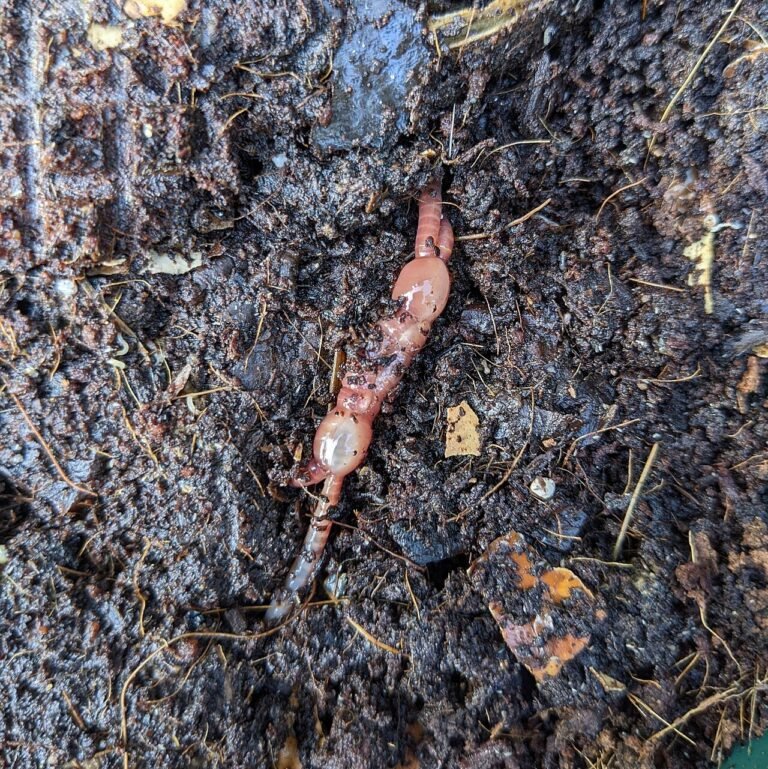
A single teaspoon of healthy soil contains more living organisms than there are people on Earth. This “soil food web” includes bacteria, fungi, protozoa, nematodes, and earthworms. These organisms are the decomposers of the world; they break down dead organic matter into plant-available nutrients. Without this microscopic workforce, the cycle of life would grind to a halt. When you see signs of stress in your garden, it is often a symptom of a disrupted soil food web, which you can investigate using a plant problem identifier to see if the issue is nutrient-related or biological.
5. Soil as a Natural Habitat and Ecosystem Buffer
Beyond the microscopic level, soil provides a home for countless insects and burrowing animals. This biological diversity is essential for maintaining a balanced ecosystem. Soils that are rich in life are more resilient to pests and diseases. If your soil is healthy, the plants growing in it are naturally more robust and less susceptible to the common plant problems that plague neglected gardens. The soil acts as a buffer, protecting plants from extreme temperature fluctuations and providing a stable environment for root development.
6. Providing Essential Raw Materials
Humanity relies on soil for more than just food. The plants that grow in our soil provide us with timber for construction, fibres like cotton and flax for clothing, and medicinal compounds for pharmaceuticals. The very foundations of our homes and the infrastructure of our cities are built upon soil. Understanding the load-bearing capacity and drainage properties of your local soil is a crucial step in any landscaping project, which is why calculating the garden cost should always include an assessment of the ground preparation required.
7. Nutrient Cycling and Resource Efficiency
Soil is a master recycler. It takes the waste products of nature—fallen leaves, animal remains, and weathered rocks—and transforms them into the building blocks of new life. This nutrient cycling is a closed-loop system that demonstrates nature’s incredible efficiency. By adding organic matter to your garden, you are participating in this cycle, ensuring that your plants have a constant, slow-release supply of the nourishment they need to thrive throughout the growing season.
8. Preventing Erosion and Land Degradation
Bare soil is vulnerable. Wind and rain can strip away the nutrient-rich topsoil in a matter of hours if it is not protected by vegetation or mulch. Healthy soil, bound together by root systems and fungal mycelium, resists erosion. This structural integrity is vital for maintaining the landscape, preventing landslides, and keeping our waterways clear of sediment. Gardeners play a key role here; by keeping your soil covered, you are actively preventing the degradation of the land.
9. Cultural and Historical Heritage
Soil holds the history of our planet. Archaeologists rely on soil stratigraphy to understand past civilisations, climate shifts, and ecological changes. Every layer of soil is a page in the history book of the Earth. Protecting our soils preserves this historical record for future generations. When we garden, we are interacting with a medium that has been shaped by geological processes over thousands of years.
10. Enhancing Human Wellbeing and Mental Health
There is a growing body of evidence suggesting that interacting with soil has tangible benefits for human mental health. The presence of certain beneficial bacteria in soil, such as Mycobacterium vaccae, has been linked to increased serotonin levels in the brain. The act of gardening—digging, planting, and nurturing—provides a grounding experience that reduces stress and improves mood. At Gardenvoila, we believe that the psychological benefits of gardening are just as important as the harvest itself.
The evidence behind the benefits
Resilience to drought and storms. University of Illinois Extension’s piece on soil carbon and climate resiliency states that adding carbon to soil improves its adaptability to both drought and heavy rainfall, and improves water quality by reducing runoff and improving filtration. Plants pull carbon from the air, but it reaches the soil only when plant material decomposes, which is why cover crops and perennial plantings matter. The article is candid that measuring how long carbon stays stored, and whether tillage cancels the benefit, is complex and still debated.
Organic matter you can lose. Iowa State’s soil health benefits article says organic matter makes up roughly 1 to 5 percent or more of topsoil by dry weight depending on soil type, and that Midwest cultivated soils have lost an estimated 30 to 60 percent of the amount present under virgin prairie since the late 1800s. In the 2012 Iowa drought, yield losses were most severe in conventionally tilled fields. Healthy soil also supplies and cycles nutrients and, through stable aggregates, reduces erosion and nutrient losses to nearby streams.
Soil as a living community
Colorado State Extension’s The Living Soil estimates up to 200 billion bacteria, 100,000 metres of fungal hyphae and 50,000 arthropods in a cup of undisturbed native soil. Mycorrhizal fungi extend the absorbing area of roots by 100 to 1,000 times, helping plants take up water and phosphorus and tolerate drought. That living network is the reason cutting tillage, covering the ground and feeding the soil with compost is more effective than any bottled product.
What you can do this season
- Cover bare soil with mulch or a cover crop; use our mulch calculator to size the job.
- Add compost to feed soil life rather than relying on fertilizer alone.
- Dig less. Over-tillage breaks structure and burns organic matter.
- Test before you fix: a pH and nutrient test costs far less than guessing. See our soil pH testing guide.
- Diagnose before treating. Illinois Extension points out that a yellowing lawn may be caused by compaction or flooding rather than a nutrient shortage.
Safety and legal note: Soil can contain contaminants such as lead, especially near older buildings, roads and industrial sites, so test before growing food and avoid ingesting dust. Wear gloves when handling compost and manure and wash produce. Rules on soil removal, composting and fertiliser use vary by country and region.
Pro Tips for Maintaining Healthy Soil
- Test Regularly: Do not guess your soil pH. Use a professional kit to understand exactly what your plants need.
- Prioritise Organic Matter: Compost, aged manure, and leaf mould are the best ways to improve soil structure and fertility.
- Avoid Compaction: Never walk on your garden beds. Compaction destroys soil structure and prevents roots from accessing air and water.
- Mulch Constantly: Keep the soil covered to retain moisture, suppress weeds, and encourage beneficial soil life.
- Rotate Crops: If you grow vegetables, rotate your crops each season to prevent the depletion of specific nutrients and the build-up of soil-borne diseases.
Common Questions About Soil Health
Why does my soil feel like hard clay?
Clay soil is composed of tiny particles that pack tightly together. You can improve it by adding organic matter, which helps to create “aggregates” or larger clumps, improving drainage and aeration.
How often should I add fertiliser?
This depends on your soil test results. Over-fertilising can damage the delicate balance of your soil biology. Always follow the recommendations provided by your local agricultural extension or a trusted resource like https://gardenvoila.com/ to avoid nutrient run-off.
Can I reuse old potting mix?
It is generally not recommended to reuse potting mix without amending it. After one season, the nutrients are depleted and the structure has broken down. You can refresh it by mixing in 30 percent fresh compost or worm castings.
The Importance of Soil Management in Modern Gardening
As we navigate the complexities of climate change and environmental stewardship, the role of the individual gardener becomes increasingly significant. By adopting regenerative practices, we can transform our backyards into thriving ecosystems. Whether you are managing a large vegetable patch or a collection of container plants, the principles of soil health remain the same. It is about fostering life, ensuring water efficiency, and managing nutrients responsibly.
When you invest time in soil preparation, you are front-loading your success. Many gardeners spend a disproportionate amount of time worrying about pests or searching for the perfect fertiliser, only to find that their problems stem from poor soil structure. By focusing on the “below-ground” environment, you will find that the “above-ground” results—vibrant blooms, productive harvests, and lush foliage—follow naturally.
Furthermore, understanding the economics of your garden is essential. Proper soil preparation reduces the long-term garden costs by minimising the need for chemical inputs, water, and replacement plants. A well-managed soil profile acts as an insurance policy for your garden, protecting your investment from the unpredictability of the weather and the pressures of pests.
Conclusion: The Living Legacy Beneath Our Feet
Soil is the silent partner in every gardening endeavour. It is a complex, living entity that requires our respect and care. By acknowledging the ten key benefits outlined in this guide—from food production and water filtration to carbon sequestration and mental health—we can shift our perspective from seeing soil as a mere commodity to seeing it as a vital, finite resource.
At Gardenvoila, our mission is to empower you with the knowledge and tools to cultivate the best possible environment for your plants. Remember that every time you add organic matter, avoid unnecessary chemicals, or mulch your beds, you are contributing to a healthier planet. Healthy soil is the foundation of a healthy life, and it all starts with the decisions you make in your own garden today.
Explore our full range of resources at our tools hub to continue your journey toward becoming a more effective and environmentally conscious gardener. Whether you are a novice starting your first bed or an experienced horticulturist looking to refine your techniques, the journey to better gardening begins with the soil.
| Soil Type | Key Characteristic | Primary Management Tip |
|---|---|---|
| Sandy Soil | Fast draining, low nutrient retention | Add plenty of organic matter to hold moisture |
| Clay Soil | Slow draining, nutrient rich but compacts | Add gypsum and organic matter to improve structure |
| Loam Soil | The ideal balance of sand, silt, and clay | Maintain with regular compost top-dressing |
| Silty Soil | Smooth, fertile, but prone to erosion | Cover with mulch to prevent crusting |
By taking a holistic approach to your garden, you ensure that you are not just growing plants, but building a legacy of soil health that will benefit your local environment for years to come. Start by testing your soil, understanding its unique composition, and treating it with the care that this precious resource deserves.
Reviewed October 2026. Sources: University of Illinois Extension, Soil carbon addresses climate resiliency; Iowa State University Extension, Soil Health Benefits; Colorado State University Extension, The Living Soil.
Free printable: the Year-Round Garden & Preserving Planner
Planting dates for 24 crops, monthly tasks, blanching times, canning safety numbers and a winter storage chart in one 8-page PDF. Enter your email to download it instantly and get our seasonal garden newsletter.
No spam. Unsubscribe any time. We never sell your email.