A shady yard is not a problem to be solved; it is an opportunity for a different kind of garden. Lush foliage, cool colors, woodland flowers and even a surprising number of vegetables and herbs grow well with less than full sun. The key is knowing how much light you actually have, and choosing plants that thrive in it rather than struggle.
This guide explains how to measure your shade, which vegetables and herbs produce with only a few hours of sun, the best perennials, annuals, shrubs and ground covers for shade, and how to design a shade garden that looks good all season.
Step 1: Work out how much shade you have
“Shade” covers a wide range of conditions. Before choosing plants, watch the area through a full day in late spring or summer, when trees are in leaf, and note how many hours of direct sun it gets.
| Light level | Direct sun per day | What it suits |
|---|---|---|
| Full sun | 6 hours or more | Tomatoes, peppers, squash and most flowers |
| Part sun / part shade | About 3 to 6 hours | Leafy vegetables, root crops, many perennials |
| Dappled or light shade | Filtered sun through high branches most of the day | Woodland plants, ferns, many shade perennials |
| Full shade | Less than about 3 hours, or none | Shade-loving perennials and ground covers; few vegetables |
Morning or afternoon sun?
Timing matters as well as hours. Morning sun is gentler and cooler, so a spot with morning sun and afternoon shade suits shade plants and leafy greens well. Afternoon sun is hotter and can scorch shade lovers such as hostas and ferns, especially in the South.
Dry shade or moist shade?
Shade under large trees is often dry, because tree roots absorb most of the water. Shade on the north side of a building or in a low spot is often moist. Many shade plants prefer moist soil, so identify which type you have before choosing plants. The sunlight requirement finder helps you match plants to your light.
Vegetables that grow in shade
No vegetable grows well in deep shade, but many produce useful crops with less than full sun. University of California Cooperative Extension’s guide to growing vegetables in less than six hours of sun (PDF) divides vegetables into three groups: fruiting crops, root crops and leafy crops.
| Group | Light needed | Examples |
|---|---|---|
| Fruiting crops | Full sun, ideally 8 to 10 hours | Tomatoes, peppers, eggplant, squash, melons, corn |
| Root crops | Around 4 to 6 hours | Beets, carrots, radishes, turnips, potatoes |
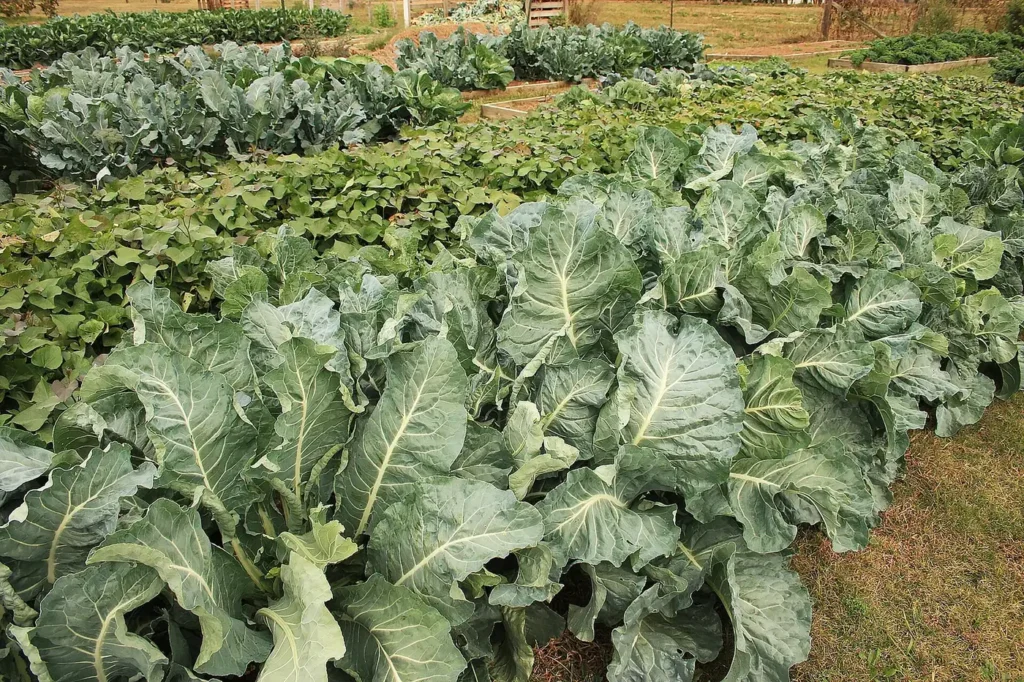
| Leafy crops | As little as about 3 hours | Lettuce, spinach, arugula, kale, chard, mustard greens, endive |
The best vegetables for partial shade
- Leaf lettuce and salad mixes: often better in partial shade in summer, because shade delays bolting and bitterness.
- Spinach and arugula: quick, and happy with cool, shady conditions.
- Kale, collards and Swiss chard: productive for months with a few hours of sun.
- Mustard greens and Asian greens such as bok choy.
- Radishes and beets: roots may be smaller, but the greens are tender. NC State Extension notes that beets can grow in partial shade, though they take longer to reach harvest size.
- Peas and green onions in cool seasons.
Expect slower growth and somewhat smaller harvests in shade. Leaves tend to be thinner and more tender, which many cooks see as a benefit. Our plant finder filters crops that tolerate partial shade, and the harvest date calculator helps you plan, adding a little extra time for shady beds.
Shade can be an advantage. In hot summers, a spot with afternoon shade keeps lettuce, spinach and cilantro productive for weeks after they would have bolted in full sun.
Herbs that grow in shade
| Herb | Shade tolerance | Notes |
|---|---|---|
| Parsley | Part shade | Keeps producing well with a few hours of sun |
| Chives | Part shade | Very tough perennial |
| Mint | Part shade | Grow in a pot; it spreads aggressively |
| Cilantro | Part shade | Shade slows bolting in warm weather |
| Lemon balm | Part shade | Spreads by seed; trim before it flowers |
| Chervil | Part to light shade | A cool-season herb that dislikes hot sun |
Basil, rosemary, thyme and oregano need full sun and struggle in shade. See our guide to starting an herb garden for more.
The best perennials for shade
Perennials are the heart of an ornamental shade garden. Many are grown as much for their foliage as their flowers.
| Plant | Grown for | Light | Notes |
|---|---|---|---|
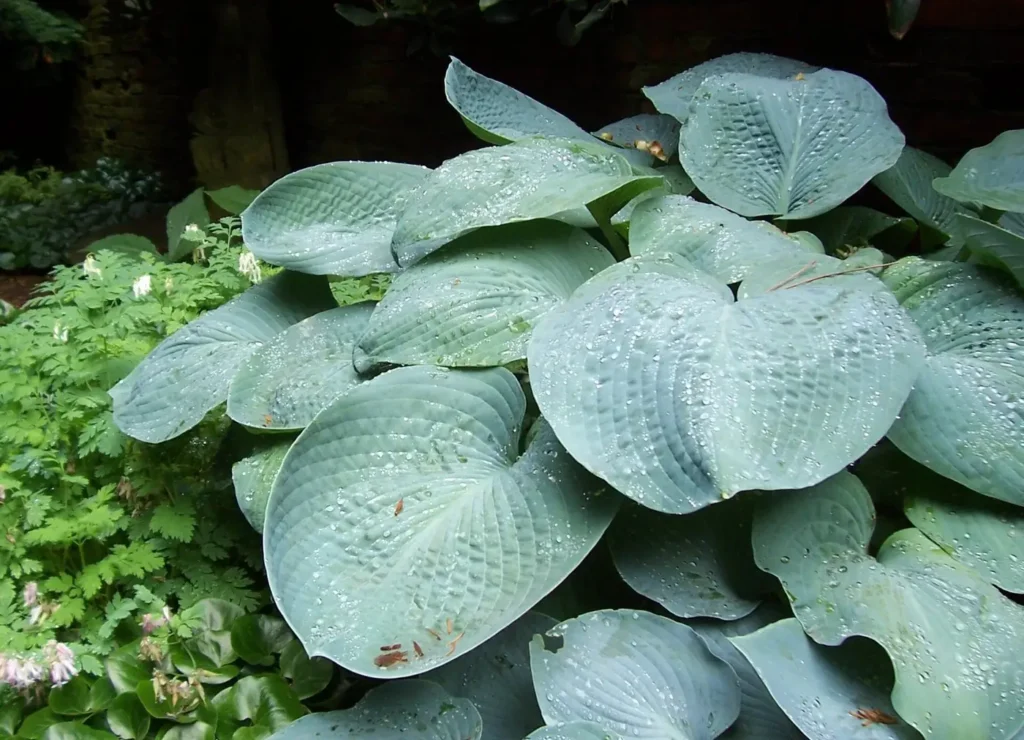
| Hosta | Bold leaves in many colors | Part to full shade | A favorite of deer and slugs |
| Ferns | Fine, textured fronds | Part to full shade | Most prefer moist soil |
| Astilbe | Feathery flower plumes | Part shade | Needs moist soil |
| Coral bells (Heuchera) | Colorful foliage | Part shade | Many native species and hybrids |
| Bleeding heart | Arching sprays of heart-shaped flowers | Part shade | Often goes dormant in summer heat |
| Hellebore | Late-winter and early-spring flowers | Part to full shade | Evergreen leaves in many climates |
| Solomon’s seal | Arching stems with hanging bells | Part to full shade | Spreads slowly |
| Brunnera | Heart-shaped leaves, blue flowers | Part shade | Silver-leaved varieties brighten dark corners |
Native woodland plants
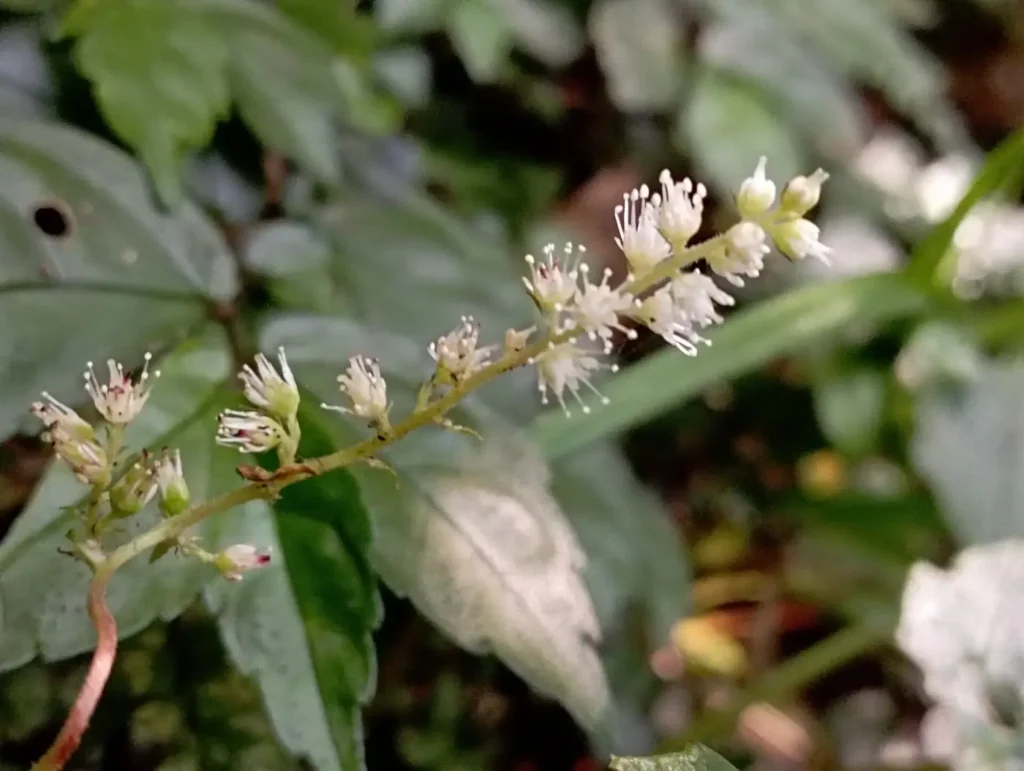
Native woodland wildflowers support local insects, including early-season bees, and many are well adapted to shade:
- Foamflower and wild ginger make attractive ground-hugging carpets.
- Wild columbine feeds hummingbirds and early bees in part shade.
- Virginia bluebells bloom in spring, then go dormant.
- Wild geranium and woodland phlox add spring color.
Which species do best depends on your region; check a local native plant list or your Cooperative Extension office. Our guide to planting a pollinator garden covers native plants for bees and butterflies.
Annuals for shade
Annuals give continuous color in shady beds, borders and containers:
- Impatiens: the classic shade annual, in almost every color.
- Begonias: wax, tuberous and rex types for flowers or foliage.
- Coleus: grown for its vivid leaves.
- Caladium: large, patterned leaves in white, pink and green.
- Torenia (wishbone flower) and fuchsia for hanging baskets.
Shrubs for shade
| Shrub | Light | Highlights |
|---|---|---|
| Hydrangea (including native oakleaf) | Morning sun, afternoon shade | Big summer flowers; oakleaf has fall color |
| Azaleas and rhododendrons | Part shade | Spring flowers; need acidic, well-drained soil |
| Viburnum | Sun to part shade | Flowers, berries for birds, fall color |
| Spicebush | Part shade | Native; host plant for the spicebush swallowtail |
| Summersweet (Clethra) | Part shade | Fragrant late-summer flowers that bees love |
| Witch hazel | Sun to part shade | Fall or late-winter flowers |
Ground covers for shade
Under trees where grass struggles, ground covers are often the best solution. Good options include sweet woodruff, foamflower, wild ginger, native Allegheny spurge and creeping Jenny in moist spots. Be cautious with English ivy, periwinkle (vinca) and Japanese pachysandra: they are easy to grow but considered invasive in some regions. Check your state’s invasive plant list first.
How to design a shade garden
Layer like a woodland
Natural woodlands have layers: trees overhead, shrubs beneath, perennials and ferns below, and ground covers at the base. Copy that structure: put shrubs at the back, taller perennials such as astilbe and Solomon’s seal in the middle, and low plants such as coral bells and foamflower at the front.
Use foliage for interest
Flowers are fewer in shade, so contrast leaf size, shape and texture: bold hostas beside fine ferns, round brunnera leaves beside grassy sedges.
Brighten with light colors
White flowers and silver, gold or variegated leaves glow in low light and lift dark corners. Dark purple foliage tends to disappear in deep shade.
Plant in drifts
Groups of three to five of each plant look more natural than single specimens, and they knit together faster to crowd out weeds.
Soil and watering in shade
- Add organic matter. Most shade plants evolved in woodland soil rich in leaf litter. Work compost into planting holes, and mulch with shredded leaves. The compost calculator and mulch calculator work out how much you need.
- Be gentle under trees. Avoid digging large holes through major roots, and do not pile thick layers of new soil over tree roots, which can harm the tree. Plant small plants into pockets between roots instead.
- Water dry shade regularly in the first year, because tree roots compete for moisture. Soaker hoses make this easier.
- Watch moist shade for slugs, which love hostas and lettuce. Hand-pick at dusk.
Shade vegetable gardens: practical tips
- Use the sunniest corner for any fruiting crops, and the shadier areas for greens.
- Grow in containers you can move to follow the sun. See our guide to container vegetable gardening.
- Prune overhanging branches to let in more light, where it is safe and appropriate to do so.
- Use reflective surfaces such as a light-colored wall or fence to bounce extra light onto beds.
- Allow extra time: shady crops mature more slowly.
Protecting shade plants from deer and slugs
Hostas and other lush shade plants are favorite foods of deer, and slugs thrive in cool, moist shade. Our guide to keeping animals out of your garden covers fences and repellents, and the pest identifier helps you confirm what is causing damage.
A simple starter shade bed
| Position | Plants for part shade |
|---|---|
| Back | 1 oakleaf hydrangea or viburnum |
| Middle | 3 hostas, 3 astilbe, 3 ferns |
| Front | 5 coral bells, 5 foamflower, impatiens for summer color |
| Edible corner | Lettuce, spinach, parsley and chives |
Common shade gardening mistakes
- Guessing the light instead of watching a full day.
- Planting sun lovers such as tomatoes and basil in shade and expecting full harvests.
- Ignoring dry shade, so new plants under trees dry out.
- Burying tree roots under thick new soil.
- Using only dark plants, which disappear in low light.
- Planting invasive ground covers without checking local lists.
How to plant under trees, step by step
- Choose small plants. Plugs and 4-inch pots need only small holes, which avoids cutting large roots.
- Find pockets between roots with a trowel. If you hit a root thicker than a finger, move over a few inches.
- Add a handful of compost to each hole rather than covering the whole area with new soil.
- Plant at the same depth the plant grew in its pot, and firm the soil gently.
- Water deeply right away and then weekly through the first growing season, since tree roots take much of the available moisture.
- Mulch lightly with shredded leaves, about 1 to 2 inches, keeping it away from the tree trunk.
A shade garden through the seasons
| Season | What looks good | Jobs |
|---|---|---|
| Late winter | Hellebores, witch hazel | Cut back old hellebore leaves as flowers appear |
| Spring | Bleeding heart, Virginia bluebells, wild columbine, foamflower, azaleas | Plant and divide perennials; sow lettuce and spinach |
| Summer | Hostas, ferns, astilbe, hydrangeas, impatiens, coleus | Water dry shade; watch for slugs; harvest greens |
| Fall | Oakleaf hydrangea color, late hostas, ferns | Plant shrubs and perennials; leave leaves as mulch |
Container gardens for shade
Containers bring color and edible crops to shady patios, porches and north-facing spots. Good combinations include:
- A foliage pot: a hosta or fern in the center with coral bells and trailing creeping Jenny around the edge.
- A flowering pot: begonias or impatiens with coleus for leaf color.
- An edible pot: lettuce, spinach and parsley, harvested leaf by leaf.
Shade containers dry out more slowly than sunny ones, so check the soil before watering to avoid soggy roots. The container garden planner suggests pot sizes for each plant.
Sources and further reading
These university Extension and government resources informed this guide and are useful for going deeper. Recommendations can vary by region, so your local Cooperative Extension office is always a good next step.
- Planting Pollinator-Friendly Gardens, Penn State Extension
- USDA Plant Hardiness Zone Map, USDA Agricultural Research Service
- Growing Herbs Indoors, NC State Extension
Frequently asked questions
What plants grow well in shade?
Hostas, ferns, astilbe, coral bells, hellebores and bleeding heart are reliable perennials. Impatiens, begonias and coleus are popular annuals. For food, leafy greens such as lettuce, spinach, kale and chard grow with a few hours of sun.
What vegetables grow in shade?
Leafy vegetables grow with as little as about three hours of direct sun, and root crops with about four to six. Fruiting crops such as tomatoes and peppers need full sun.
How many hours of sun is partial shade?
Partial shade usually means about three to six hours of direct sun a day, ideally in the morning.
Can you grow tomatoes in shade?
Not well. Tomatoes need full sun, ideally eight hours or more, to produce a good crop. Cherry tomatoes cope a little better than large varieties with slightly less sun.
What grows under trees in dry shade?
Tough plants such as hellebores, some ferns, Solomon’s seal, wild ginger and sweet woodruff cope with dry shade once established. Water them regularly in their first year.
What flowers bloom in full shade?
Impatiens, begonias, astilbe, hellebores, bleeding heart and foamflower bloom in shade, though most flower best with some morning or dappled light.
Can I grow grass in shade?
Some shade-tolerant grass mixes manage in light shade, but under dense trees grass usually thins out. Shade-loving ground covers or a mulched shade bed are often a better long-term choice.
Do hostas need shade?
Most hostas grow best in part shade, especially with afternoon shade. Some varieties tolerate more sun, but many scorch in hot afternoon sun.