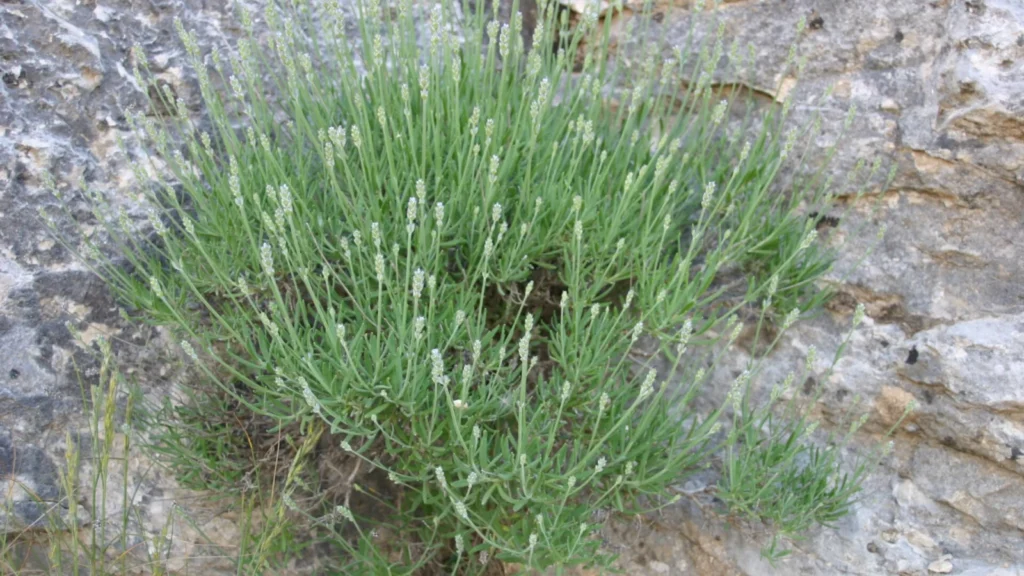
Lavender grows best in full sun (at least six to eight hours a day), in lean, very well-drained, sandy or gravelly soil with a neutral to alkaline pH of 6.5 to 7.5, and with good air circulation. Plant it in spring after frost, water regularly only for the first season, then water deeply but rarely once established; soggy soil and humid, crowded conditions are what kill lavender, not drought. Skip fertilizer, mulch with gravel rather than bark, and prune every year after the first flush of flowers and again lightly in spring, never cutting into old, leafless wood. English lavender (Lavandula angustifolia) and its hybrids are the hardiest, surviving to zone 5; Spanish and French lavenders need warmer climates.
Lavender at a glance
| Need | What lavender likes |
|---|---|
| Sun | Full sun, 6 to 8+ hours |
| Soil | Sandy, gravelly, very well drained; poor to moderate fertility |
| Soil pH | 6.5 to 7.5 |
| Water | Regularly the first season; then deep, infrequent watering |
| Spacing | 18 to 36 inches depending on variety |
| Hardiness | English: zones 5 to 9; lavandin: 5 to 9; Spanish and French: 7 or 8 to 10 |
| Bloom time | Late spring to midsummer, some repeat |
| Fertilizer | Rarely needed |
| Pruning | After flowering and lightly in spring; never into bare wood |
| Deer resistance | High |
Which lavender should you grow?
| Type | Examples | Hardiness | Best for |
|---|---|---|---|
| English lavender (L. angustifolia) | ‘Hidcote’, ‘Munstead’, ‘Vera’, ‘Phenomenal’ (hybrid) | Zones 5 to 9 | Cold climates, culinary use, borders |
| Lavandin (L. × intermedia) | ‘Grosso’, ‘Provence’, ‘Phenomenal’ | Zones 5 to 9 | Large plants, long stems, oil and sachets |
| Spanish lavender (L. stoechas) | ‘Anouk’, ‘Ballerina’ | Zones 7 or 8 to 10 | Hot, dry climates and containers |
| French lavender (L. dentata) | Fringed lavender | Zones 8 to 10 | Long bloom in mild climates |
| Portuguese and others (L. latifolia, L. multifida) | Spike lavender | Zones 7 to 10 | Hot, dry Mediterranean gardens |
For humid summers and cold winters, English lavender and the hybrid ‘Phenomenal’ are the most reliable. The University of Maryland Extension guide to lavender notes that excess moisture and humidity in the eastern United States are the main challenges and that good drainage and air circulation matter more than anything else.

Where should you plant lavender?
Choose the sunniest, driest, best-drained spot in your garden. Lavender is native to dry, rocky Mediterranean hillsides, so it thrives along sunny walls, on slopes, in raised beds, rock gardens and gravel gardens, and along hot pathways where it releases fragrance when brushed. Avoid low spots where water collects, heavy clay that stays wet in winter, irrigated lawns and crowded beds. In regions with heavy rain or clay soil, plant lavender in raised beds or mounds 8 to 12 inches high, or grow it in containers. Space plants so air flows between them, 18 to 24 inches for compact types and up to 3 feet for lavandins.
How do you plant lavender?
- Plant in spring after the last frost, or in early fall in mild climates, giving roots time to establish before winter.
- Improve drainage: mix coarse sand, fine gravel or grit into the planting area, especially in clay soil, or build a raised bed or mound.
- Add a little garden lime if a soil test shows acidic soil below pH 6.5.
- Dig a hole slightly wider than the root ball and plant at the same depth, or slightly higher, so the crown is above the surrounding soil.
- Water thoroughly after planting.
- Mulch with a 1 to 2 inch layer of pea gravel, crushed rock or sand, which reflects heat and keeps the crown dry. Avoid bark and wood mulch against the crown.
Use the plant spacing calculator to work out how many plants fit a bed or hedge.
How often should you water lavender?
Newly planted lavender needs regular watering, about once or twice a week, during its first growing season while roots establish. Water at the base, early in the day, and let the top inch or two of soil dry between waterings. Once established, usually after the first year, lavender is very drought tolerant and needs deep watering only every two to three weeks during dry spells, or not at all in areas with regular summer rain. Overwatering is the most common cause of lavender death: it causes root rot, yellowing foliage, and sudden collapse of whole sections of the plant. Do not plant lavender in the same bed as thirsty annuals that are watered daily, and keep it out of the path of lawn sprinklers.
Does lavender need fertilizer?
Lavender rarely needs fertilizer. In rich soil it becomes lush, floppy and short-lived, with fewer flowers and less fragrance. In very poor sandy soil, a light sprinkle of compost or a little balanced slow-release fertilizer in spring is plenty. Do not feed in late summer or fall, which encourages soft growth that is easily damaged by winter cold.
How do you prune lavender?
Annual pruning keeps lavender compact and long-lived. Unpruned plants become woody and sprawling, split open in the center and eventually die back. The key rule is to never cut into old, brown, leafless wood, which rarely resprouts.
- After the first flush of flowers (early to midsummer): cut back flower stems and about one-third of the green growth, shaping the plant into a rounded mound. This often encourages a second bloom.
- Spring: once new growth appears, lightly trim to remove winter-damaged tips and shape the plant, leaving at least a few inches of green, leafy growth above the woody base.
- Fall: in cold climates, avoid hard pruning in fall, which can reduce winter hardiness. Just remove spent flower stems.
Old, very woody plants that have been neglected rarely recover from hard pruning; it is often better to replace them with young plants or cuttings.

How do you harvest and dry lavender?
For the strongest fragrance, harvest lavender in the morning, after dew has dried, when about one-third to half of the flower buds on each stem have opened. Cut long stems just above the leaves. To dry, gather small bundles of 50 to 100 stems with a rubber band, and hang them upside down in a dark, dry, well-ventilated place for one to two weeks. Once dry, strip the buds by rubbing stems over a bowl, and store them in airtight jars away from light. Use dried lavender in sachets, potpourri, crafts and, for English lavender, in cooking.
Can you cook with lavender?
English lavender (Lavandula angustifolia) has the sweetest, least camphor-like flavor and is the standard culinary lavender, used in baking, teas, syrups, herbes de Provence and lemonade. Use it sparingly, since a little goes a long way and too much tastes soapy. Lavandin and Spanish lavenders contain more camphor and are better for fragrance than food. Only eat lavender that has been grown without pesticides.
Safety note: Lavender plants contain linalool and are listed as toxic to cats, dogs and horses by the ASPCA, usually causing only mild stomach upset. Lavender essential oil is far more concentrated: never give it to pets, keep diffusers away from cats, and keep oils out of reach of children. Use only pesticide-free English lavender for cooking, and in small amounts.
How do you grow lavender in pots?
Containers are ideal for lavender in wet climates and for tender species. Choose a pot at least 12 to 16 inches wide with large drainage holes, preferably terracotta, and fill it with a gritty mix of two parts cactus or potting mix to one part coarse sand or perlite. Place it in full sun, water when the top inch of soil is dry, and never let the pot sit in a saucer of water. Feed very lightly in spring. In cold climates, move potted lavender into an unheated garage or cold frame for winter, watering only sparingly, or bring tender types indoors to the sunniest window. Lavender rarely thrives long-term as a houseplant because indoor light is too weak.
How do you overwinter lavender?
Cold alone rarely kills hardy English lavender; winter wetness does. Good drainage is the best winter protection. In zones 5 and 6, plant in sheltered, well-drained spots, avoid late-season pruning and feeding, and after the ground freezes, cover plants loosely with evergreen boughs to shield them from drying winds and freeze-thaw cycles. Do not pile heavy, wet mulch over the crown. Expect some tip dieback, and wait until new growth appears in spring before pruning, since lavender is often slow to leaf out.
How do you propagate lavender?
- Softwood cuttings: in late spring or early summer, take 3 to 4 inch cuttings from non-flowering shoots, strip the lower leaves, dip in rooting hormone and insert into a gritty mix. Keep lightly moist and shaded; roots form in two to four weeks.
- Semi-hardwood cuttings: in late summer, take cuttings with a small heel of older wood and root them the same way, overwintering young plants in a cold frame.
- Seed: English lavender can be grown from seed, but it needs cold stratification for several weeks and germinates slowly and unevenly; named varieties do not come true from seed.
- Layering: pin a low branch to the soil, cover it with a little soil, and cut it free once rooted.
What are common lavender problems?
| Problem | Likely cause | What to do |
|---|---|---|
| Yellowing leaves, plant collapsing | Root rot from wet soil | Improve drainage; raise beds; water less; see root rot |
| Gray, dead sections in the center | Age, lack of pruning, or winter wet | Prune annually; replace old plants |
| Few flowers, floppy growth | Too much shade, fertilizer or water | Move to full sun; stop feeding |
| Brown, dying shoots in humid summers | Fungal blights favored by humidity | Space plants wider; gravel mulch; remove dead stems |
| Foamy spit on stems | Spittlebugs | Usually harmless; hose off |
| Brown winter damage | Cold, drying winds and wet soil | Wait for spring regrowth; prune to green growth |
| Wilting despite moist soil | Root rot or Phytophthora | Remove affected plants; improve drainage |
The University of Illinois Extension article on lavender emphasizes that poor drainage and wet winters cause most losses in the Midwest.
What are good companion plants for lavender?
Pair lavender with other sun-loving, drought-tolerant plants that like the same lean, dry conditions: rosemary, thyme, sage, oregano, Russian sage, catmint, yarrow, coneflowers, sedum, salvia and ornamental grasses. Lavender is a classic underplanting for roses, but keep the lavender at the sunny, well-drained edge of the bed and avoid watering it as often as the roses. Its flowers attract bees, butterflies and other pollinators, and its scent and texture make it resistant to deer and rabbits. See our rose garden guide for planting ideas.
Growing lavender for a small farm or hedge
Lavender hedges and small plantings for cut flowers, crafts and oil are popular. For hedges, space compact English varieties 12 to 18 inches apart and lavandins 24 to 36 inches apart, in a sunny, well-drained row with landscape fabric or gravel to control weeds. The Oregon State University Extension guide to growing lavender covers variety choice, spacing, harvesting and drying for small-scale growers.
A seasonal lavender care calendar
- Early spring: wait for new growth, then lightly prune winter damage and shape plants. Plant new lavender after frost.
- Late spring to summer: enjoy flowers, harvest for drying, then shear back after the first flush.
- Midsummer: water young plants during dry spells; leave established plants alone unless drought is severe.
- Fall: remove spent flower stems, avoid hard pruning and feeding, and refresh gravel mulch.
- Winter: protect plants in cold, windy sites with evergreen boughs, and move containers to shelter.
Common lavender growing mistakes
- Planting in heavy clay or damp, shady beds.
- Using bark mulch around the crown, which holds moisture.
- Watering established plants as often as annuals.
- Fertilizing heavily.
- Never pruning, or pruning into old wood.
- Choosing tender Spanish or French lavender for a cold-winter garden.
For other garden problems, see our plant pests and diseases library.
Free printable: the Year-Round Garden & Preserving Planner
Planting dates for 24 crops, monthly tasks, blanching times, canning safety numbers and a winter storage chart in one 8-page PDF. Enter your email to download it instantly and get our seasonal garden newsletter.
No spam. Unsubscribe any time. We never sell your email.
Lavender FAQ
How long does lavender take to grow?
Young plants usually bloom lightly in their first year and reach full size and flowering in two to three years.
Does lavender come back every year?
Yes, hardy types are perennials that live 5 to 15 years with good drainage and pruning.
Why is my lavender dying?
Usually wet soil, poor drainage or high humidity rather than cold or drought.
Can lavender grow in shade?
Not well; it needs full sun to flower and stay healthy.
When should I cut back lavender?
After the first flowering and lightly in spring, never into bare wood.
Is lavender safe for pets?
The plant contains linalool and is listed as mildly toxic to cats and dogs; essential oil is much more concentrated and riskier.
References used in this guide: University of Maryland Extension, Lavender; University of Illinois Extension, Lavender: a must-have plant for all gardens; Oregon State University Extension, Growing Lavender.