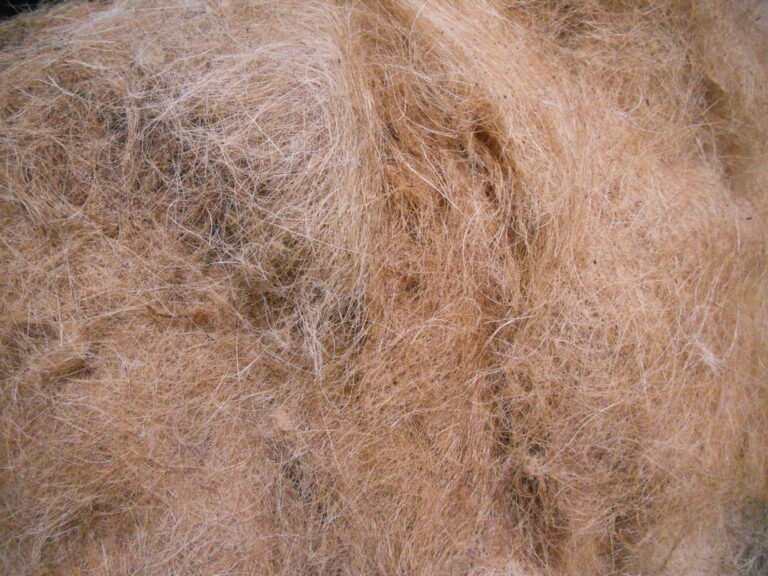
Mulch is any material spread over the soil surface to hold moisture, suppress weeds, moderate soil temperature and protect the soil from erosion. Organic mulches such as wood chips, bark, straw, leaves and compost also feed the soil as they break down. Inorganic mulches such as gravel or landscape fabric last longer but add no nutrients.
For most beds, a layer 2 to 4 inches deep works well, kept a few inches away from stems and trunks. Mulching copies what happens on a forest floor, where fallen leaves cover and feed the ground around plants. This guide explains the types, the benefits, how to apply mulch and the mistakes to avoid.
Understanding the Mechanics of Mulch
When you apply a layer of mulch, you are essentially creating a physical barrier between the soil and the atmosphere. This barrier performs several critical functions that go beyond mere aesthetics. In Australian conditions, where heat stress and evaporation are major hurdles for gardeners, mulch is a necessity rather than an optional extra.
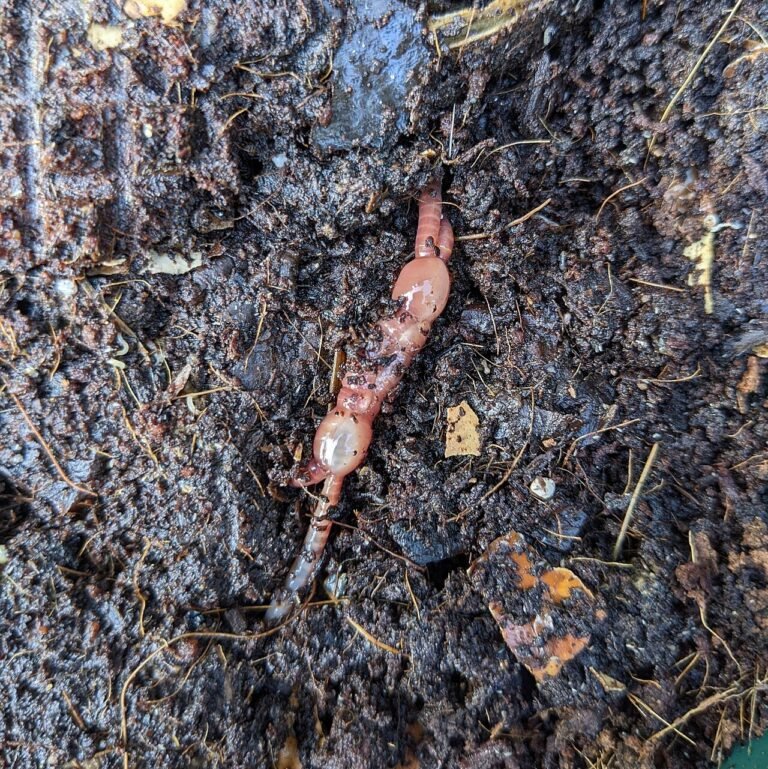
The primary benefit of mulch is moisture retention. By shading the soil from direct UV exposure, mulch keeps the root zone significantly cooler, which prevents water from evaporating too quickly. Furthermore, as organic mulches break down, they introduce essential nutrients into the soil profile. This process improves soil structure, encourages beneficial microbial activity, and helps earthworms—the natural engineers of your garden—thrive. If you are planning a large-scale garden renovation, it is always wise to use a garden cost calculator to estimate how much material you will need to cover your beds effectively.
The Two Main Categories: Organic vs. Inorganic Mulch
Not all mulches are created equal. Choosing the right type depends on your specific goals, the types of plants you are growing, and the aesthetic you wish to achieve. Generally, mulches fall into two distinct categories: organic and inorganic.
Organic Mulches
These are derived from formerly living materials. They are the gold standard for most home gardens because they actively improve soil health as they decompose.
- Wood Chips and Bark: Excellent for pathways and around established shrubs. They are slow to break down and provide a clean, uniform look.
- Sugar Cane Mulch: A favourite among Australian vegetable gardeners. It is lightweight, easy to handle, and breaks down quickly to add organic matter to the soil.
- Lucerne Hay: High in nitrogen, making it ideal for roses and heavy-feeding vegetable crops. It breaks down quite rapidly, so it requires frequent topping up.
- Leaf Mould: The ultimate free mulch. If you have deciduous trees, collecting their fallen leaves is an excellent way to recycle nutrients back into your landscape.
Inorganic Mulches
These materials do not break down and therefore do not add nutrients to the soil. They are used primarily for weed suppression and long-term moisture retention in low-maintenance garden designs.
- Crushed Stone and Gravel: Perfect for Mediterranean-style gardens or areas with succulents. They provide excellent drainage but can heat up significantly in the Australian summer.
- Recycled Rubber: A controversial but long-lasting option. It is best used in non-planted play areas rather than garden beds, as it does not benefit soil biology.
- Landscape Fabric: Often used underneath stone mulches to prevent weeds. However, it can sometimes restrict water and air movement to the soil, so use it judiciously.
The Strategic Benefits of Mulching Your Garden
Why go to the effort of sourcing and spreading mulch? The return on investment is substantial. When we look at the science of soil and mulch dynamics, the advantages are clear.
1. Temperature Regulation
Soil temperatures can fluctuate wildly in Australia. Mulch acts as an insulator, keeping the soil warmer in winter and cooler in summer. This stability allows roots to grow more consistently throughout the year, preventing the “check” in growth that often occurs during extreme weather events.
2. Weed Suppression
Weeds compete with your ornamental plants for water and nutrients. A thick layer of mulch blocks sunlight from reaching weed seeds, preventing them from germinating. This saves you hours of manual weeding and reduces the need for chemical herbicides.
3. Erosion Control
Heavy rains can strip away topsoil, carrying away essential nutrients and exposing plant roots. Mulch acts as a cushion, breaking the impact of raindrops and allowing water to soak slowly into the ground rather than running off the surface.
4. Soil Structure Improvement
As organic mulch decays, it turns into humus. Humus acts like a sponge, holding onto water and nutrients in sandy soils, while helping to break up heavy clay soils, allowing for better aeration and root penetration.
Expert Guide: How to Apply Mulch Like a Pro
Applying mulch is more than just dumping a pile of material onto your garden beds. Proper technique ensures that you get the maximum benefit without creating new problems for your plants.
- Clear the Area: Before you begin, remove any existing weeds. If you have perennial weeds with deep taproots, ensure you get them out by the roots.
- Water Thoroughly: Never mulch dry soil. Give your garden a deep soak first. You can use a garden watering calculator to ensure your plants are receiving the correct amount of hydration before you lock that moisture in with mulch.
- Check Soil Fertility: If you are using a wood-based mulch, it may draw nitrogen from the soil as it begins to break down. Applying a light layer of organic compost or a balanced fertiliser before mulching can prevent nitrogen deficiency in your plants.
- The Right Thickness: Aim for a layer between 5cm and 7cm deep. Any thinner, and weeds will easily push through. Any thicker, and you may prevent water from reaching the soil during light rain showers.
- The “Donut” Rule: This is a critical step that many beginners miss. Never pile mulch directly against the stem or trunk of your plants. This can lead to rot, disease, and provide a hiding place for pests. Always leave a gap of about 5–10cm around the base of the plant.
The Gardenvoila Perspective: Addressing Common Plant Issues
Even with the best mulching practices, sometimes plants show signs of stress. If you notice yellowing leaves or stunted growth, it is important to investigate beyond the mulch. We recommend using a plant problem identifier to diagnose specific issues before assuming they are related to your soil or mulch choices. Sometimes, the problem is not the mulch, but a lack of proper watering or a nutrient imbalance that requires more than just organic matter to fix.
One common mistake is using mulch that has been treated with chemicals or dyes. Always ensure your mulch is sourced from a reputable supplier. At Gardenvoila, we advocate for natural, untreated materials to ensure your garden remains a safe haven for beneficial pollinators and local wildlife.
Comparison Chart: Choosing the Right Mulch for Your Garden
| Mulch Type | Best Use Case | Longevity | Key Benefit |
|---|---|---|---|
| Sugar Cane | Vegetable patches | Short (3–6 months) | Adds nitrogen as it decays |
| Wood Chips | Shrubs and trees | Long (12+ months) | Excellent weed suppression |
| Lucerne Hay | Roses/Heavy feeders | Short (3–4 months) | High nutrient content |
| Gravel/Stone | Succulents/Paths | Permanent | Low maintenance/Drainage |
| Leaf Mould | General beds | Medium | Free/Improves soil biology |
Common Pitfalls to Avoid
While mulch is highly beneficial, it is possible to have too much of a good thing. Avoid “mulch volcanoes”—those large, unsightly mounds of mulch piled high against the trunk of a tree. This practice is detrimental to tree health as it encourages bark decay and provides an entry point for fungal pathogens. Additionally, avoid using grass clippings that have been recently treated with lawn herbicides, as these can severely damage or kill your ornamental plants.
If you are unsure about the quantity of mulch needed for a specific area, you can utilise our soil calculator to determine exactly how many cubic metres are required. This prevents wastage and ensures you are not over-purchasing materials, which is both cost-effective and environmentally responsible.
Seasonal Mulching: A Year-Round Strategy
In Australia, the timing of your mulching can influence its effectiveness. The best time to apply mulch is during spring, just as the soil begins to warm up. This locks in the winter moisture and prepares the garden for the heat of the summer months. However, you can apply mulch at any time of the year. If you find your mulch has thinned out by autumn, simply add a fresh layer to protect the soil from winter erosion and to provide a warm blanket for plant roots during the colder months.
For those involved in planting new seedlings, it is often best to wait until the plants are established and have developed a robust root system before applying a thick layer of mulch. For very young seedlings, a light dusting of organic mulch is sufficient; you can increase the thickness once the plant gains strength.
The Future of Mulching: Sustainable Practices
Sustainability is at the core of modern gardening. By choosing locally sourced, organic mulches, you reduce your carbon footprint and support local industries. Composting your own garden waste to create mulch is the ultimate expression of a closed-loop garden system. When you return nutrients to the soil that were once part of your plants, you are participating in a natural cycle of regeneration that sustains your garden for years to come.
If you are looking for further resources, our tools section provides a range of calculators and guides designed to make your gardening journey more efficient and productive. Whether you are a novice gardener or an experienced horticulturalist, understanding the role of mulch is a fundamental skill that will transform the way your garden grows.
What the extension numbers say about mulch
The University of Minnesota Extension guide to mulching for soil and garden health recommends organic mulch at 2 to 4 inches (5 to 10 cm) deep, enough to suppress weeds without choking soil aeration. Its other key points:
- Moisture: mulch reduces evaporation from the soil surface, which can lower watering needs.
- Weeds: it blocks light at the soil surface; remove existing weeds first.
- Temperature: in warm periods it lowers peak soil temperatures; in cold periods it slows heat loss and reduces freeze-thaw injury to roots.
- Erosion: it cushions soil against heavy rain, reducing crusting and erosion on slopes.
- Soil quality: organic mulch breaks down, adding organic matter that improves structure and nutrient- and water-holding capacity.
Matching mulch to the job
| Site | Best mulch (UMN) | Caution |
|---|---|---|
| Trees, shrubs, perennial beds | Wood chips or shredded bark | Keep clear of the trunk |
| Vegetable garden | Weed-free straw | Straw must be weed-free |
| Intensive plantings | Compost | Replenish as it decomposes |
| Any bed | Thin layers of grass clippings | Thick layers mat and restrict oxygen |
| Non-planted areas | Stone or gravel | May raise soil temperature; adds no organic matter |
Inorganic materials, such as gravel, stone, plastic film and landscape fabric, cover soil but add no organic matter. Check mulch depth over time and top up organic mulch as it breaks down. For quantities, use our mulch calculator.
Do not build a mulch volcano
Piling mulch against a trunk is one of the most common mistakes. UMN advises keeping a mulch-free ring of about 6 inches (15 cm) around the trunk to prevent rot and pest problems, and keeping mulch away from plant stems generally to prevent disease. Penn State Extension’s Master Gardeners make the same point in their article Just Say No to a Volcano. Spread mulch flat and wide instead, and pull it back from the base of every stem. See our soil and mulch section for more.
Safety and legal note: Do not use mulch from unknown sources near food crops without checking it is free of herbicide residues, and avoid dyed mulch of uncertain origin. Dry mulch is flammable, so keep it away from buildings and barbecues in wildfire-prone areas; some regions restrict mulch near homes. Rules vary by country and region.
Free printable: the Year-Round Garden & Preserving Planner
Planting dates for 24 crops, monthly tasks, blanching times, canning safety numbers and a winter storage chart in one 8-page PDF. Enter your email to download it instantly and get our seasonal garden newsletter.
No spam. Unsubscribe any time. We never sell your email.
Frequently Asked Questions
Does mulch attract termites?
While some people worry that wood mulch attracts termites, most high-quality, bark-based mulches are not preferred by termites. Termites generally look for structural timber rather than decomposing landscape mulch. To be safe, keep mulch away from the foundations of your home.
Can I put new mulch over old mulch?
Yes, absolutely. As long as the old mulch has broken down significantly, you can simply rake it to even it out and apply a fresh layer on top. This builds up the humus layer of your soil over time.
How often should I replace my mulch?
This depends on the material. Sugar cane and lucerne hay break down quickly and may need topping up every six months. Wood chips and bark can last for one to two years before needing a refresh.
What is the best mulch for vegetables?
Sugar cane mulch is widely regarded as the best for vegetables because it is clean, easy to handle, and adds significant organic matter as it decomposes, which vegetable crops love.
Is it okay to use newspaper under mulch?
Yes, using layers of wet newspaper or plain cardboard under your mulch is a fantastic way to suppress stubborn weeds. It eventually decomposes, adding carbon to the soil and improving its water-holding capacity.
Final Thoughts
Mulching is an investment in the future of your garden. It is a simple, low-cost intervention that yields high-impact results, ensuring your plants remain healthy, your soil remains fertile, and your garden remains a beautiful, resilient space. By understanding the different types of mulch and applying them with care, you can spend less time weeding and watering, and more time enjoying the fruits of your labour. Remember to monitor your soil conditions regularly and adjust your mulching practices as your garden evolves. For more expert tips on maintaining a vibrant landscape, continue exploring our comprehensive guides at Gardenvoila.
Reviewed October 2026. Sources: University of Minnesota Extension, Mulching for soil and garden health; Penn State Extension, Just Say No to a Volcano.
Photo: Ildar Sagdejev (Specious), CC BY-SA 4.0, via Wikimedia Commons (resized)