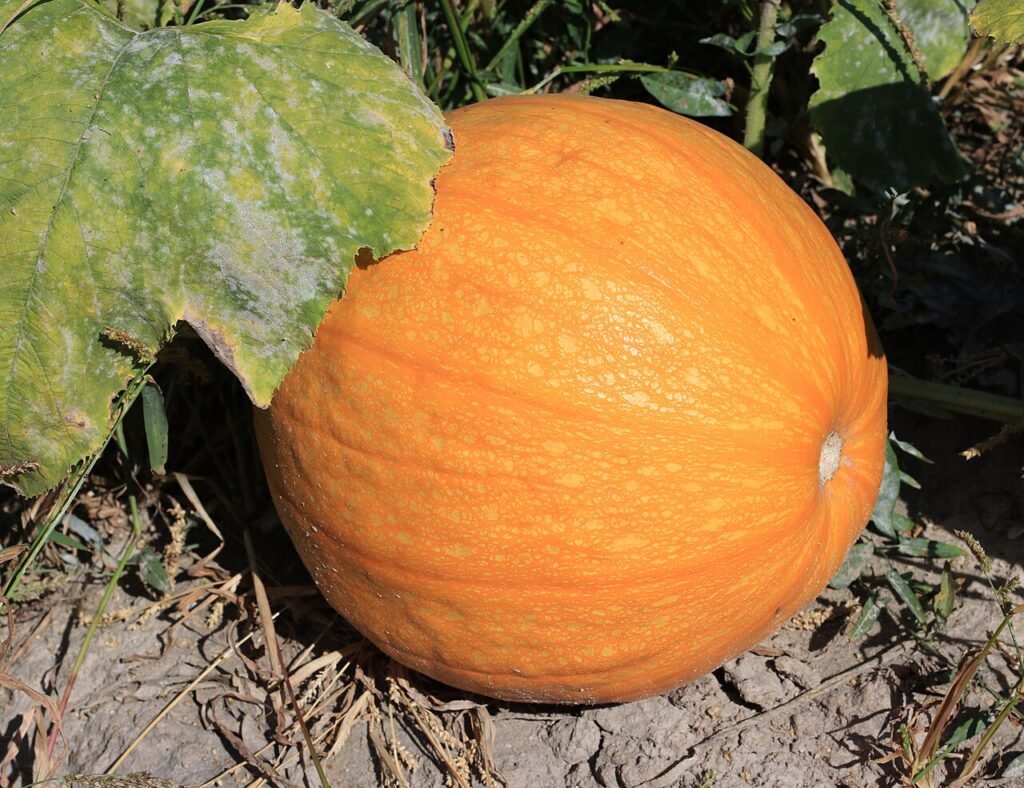
Zucchini and other summer squash are famous for producing more than anyone can eat. They are fast, warm-season plants that need sun, rich soil and steady water, and one or two plants are enough for most households. This page covers when to sow, how much room they need, how to keep them producing, and how to deal with the pests and diseases that trouble squash most.
Zucchini at a glance
| Type | Vegetable |
|---|---|
| Season | Warm-season |
| Sun | Full sun |
| Plant spacing | 36 in |
| Row spacing | 48 in |
| Per square foot | 1 per 9 sq ft |
| Seed depth | 1 in |
| Days to maturity | 45–60 from seed |
| How to start | Direct sow after last frost |
| Water | 1.5 in per week |
These are the same numbers our plant spacing, square foot and harvest date calculators use. See every crop in the plant database.
When to plant zucchini
Zucchini is killed by frost and the seeds rot in cold soil. Sow directly outdoors 1 to 2 weeks after your last spring frost, once the soil has warmed to about 65°F. Seedlings grow so quickly that starting indoors gains little, though you can start them 3 to 4 weeks early in individual pots.
Check your last frost with the frost dates by ZIP code tool. A second sowing in early summer gives fresh plants when the first ones tire or are hit by squash vine borers.
How to plant zucchini
- Give it full sun. At least 6 to 8 hours a day.
- Feed the soil. Mix plenty of compost into the planting area. Squash are heavy feeders.
- Sow 2 or 3 seeds per spot. Plant 1 inch deep and thin to the strongest seedling.
- Allow plenty of room. Bush zucchini spreads 3 feet or more. Use the spacing in the table above, and the plant spacing calculator to plan your bed.
- Try a container. Compact varieties grow well in a pot holding 5 gallons or more of mix.
Caring for zucchini
Water deeply 1 to 2 inches a week at the base of the plant, not over the leaves, and mulch to keep the soil moist. Uneven watering leads to blossom-end rot and poorly formed fruit. The garden watering calculator converts this to gallons.
Side-dress with compost or a balanced fertilizer when the first flowers appear. The first flowers are male and fall off without fruit; female flowers, with a small zucchini at their base, follow. If fruit keeps shriveling at the tip, pollination is poor: plant flowers nearby for bees, or move pollen from a male flower to a female one with a small brush in the morning.
Companion plants
| Grow nearby | Beans, peas, nasturtiums, marigolds, borage, dill |
|---|---|
| Keep apart | Potatoes; cucumbers and melons right beside them share pests and mildew |
Beans and peas add nitrogen. Borage and dill bring in bees for pollination, and nasturtiums act as a trap crop for aphids and squash bugs. Check other pairings with the companion plant finder.
Common problems
| Problem | What you see | What to do |
|---|---|---|
| Squash vine borer | A healthy plant wilts suddenly; sawdust-like droppings at the stem base | Cover plants with row cover until flowering, and wrap stem bases in foil. Slit the stem to remove the grub and bury the cut section in soil. |
| Squash bugs | Gray-brown bugs and clusters of bronze eggs under leaves; leaves wilt and brown | Hand-pick bugs and scrape off eggs every few days. Lay a board on the soil overnight and collect bugs from under it in the morning. See the pest identifier. |
| Powdery mildew | White, powdery patches on leaves from midsummer | Space plants well, water at the base, remove the worst leaves and grow resistant varieties. |
| Fruit rots at the tip | Small fruit turn yellow and shrivel from the blossom end | Poor pollination. Attract bees with flowers or hand-pollinate in the morning. |
| Blossom-end rot | Dark, sunken patch at the end of the fruit | Water evenly and mulch. Remove affected fruit. |
Not sure what you are looking at? The plant problem identifier ranks likely causes from the symptoms you see.
When and how to harvest
Pick zucchini small, at 6 to 8 inches long, when the skin is glossy and tender. They grow incredibly fast in summer, so check every day or two; a missed fruit can reach baseball-bat size in a few days, and large fruits slow the plant down. Round and yellow summer squash are best at 3 to 6 inches.
Cut fruit with a knife, leaving a short stem. The flowers are edible too: pick male flowers, which have a thin stem and no fruit behind them, for stuffing or frying. Store zucchini in the fridge for up to a week. The harvest date calculator shows when your first fruit should be ready.
Plan your zucchini
- Plant spacing calculator: how many plants fit your bed
- Planting calendar: sowing and transplant dates for your frost dates
- Frost dates by ZIP code: your last spring and first fall frost
- Harvest date calculator: when your crop will be ready
Frequently asked questions
How far apart should I plant zucchini?
Space zucchini 36 inches apart in rows 48 inches apart. In a square foot garden, plant 1 per 9 sq ft.
How deep do I plant zucchini seeds?
Sow seeds 1 inch deep. Sow 2 or 3 seeds per spot and thin to the strongest seedling.
How long does zucchini take to grow?
Most varieties are ready 45–60 days from seed. Check the seed packet, because early and late varieties differ.
How much water does zucchini need?
About 1.5 inches of water a week, from rain and watering combined. Water deeply at the base and keep moisture even to prevent blossom-end rot.
How many zucchini plants do I need?
One or two plants are enough for most households. A single healthy plant can produce several fruits a week at the height of summer.
Why do my zucchini rot before they grow?
Small zucchini that yellow and shrivel were not fully pollinated. Plant flowers for bees nearby, or hand-pollinate with a small brush in the morning.