Raised beds are the most popular way to grow vegetables at home, and for good reason: they drain well, warm up early, keep soil loose, and make a garden look tidy and planned. But a raised bed does not have to be a plain wooden box. From tall metal beds you can garden standing up, to keyhole designs, stone borders, stock tanks and arched trellises, there are dozens of ways to make raised beds fit your space, budget and style.
This guide collects 25 practical raised garden bed ideas, grouped by material, height, layout, built-in features and budget, with the pros and cons of each. When you have chosen a design, our step-by-step guide to building a raised garden bed covers construction, and the raised bed cost calculator prices it.
Before you choose: three questions
- How good is the ground underneath? On decent soil, beds 11 to 12 inches tall are plenty, because roots grow down into the ground below. Over poor, compacted or paved ground, go deeper. Oregon State University Extension’s raised bed gardening fact sheet explains how depth and the native soil work together.
- How much will you spend on soil? Soil often costs as much as the bed. A tall bed can need several times the soil of a short one; the raised bed soil calculator shows exactly how much.
- Who will use it? Taller beds reduce bending, and wheelchair-accessible designs need specific heights and clearances.
Raised bed materials compared
| Material | Relative cost | Lifespan | Best for |
|---|---|---|---|
| Untreated pine | Low | Shortest | Budget beds, testing a layout |
| Cedar or redwood | Medium to high | Long | Classic, natural-looking beds |
| Galvanized or coated metal | Medium | Long | Tall, modern beds; quick assembly |
| Concrete block | Low to medium | Very long | Permanent beds, sturdy edges |
| Stone or brick | High | Very long | Formal or cottage gardens |
| Fabric (grow bag) beds | Low | Several seasons | Renters, patios, temporary gardens |
| Reclaimed wood | Lowest | Variable | Budget and rustic beds |
Lifespans depend on climate, moisture and thickness, so treat them as relative.
Ideas by material
1. Classic cedar beds
Cedar resists rot naturally, weathers to an attractive silver-gray, and is the traditional choice for raised beds. Use thick boards, 1.5 inches or more, for a long life.
2. Budget pine beds
Untreated pine is the cheapest way to build. It will not last as long as cedar, but it is ideal for trying out a layout before investing in permanent beds.
3. Galvanized metal beds
Metal kits assemble quickly, come in tall sizes, and do not rot. Choose ones with rolled or capped top edges for safety. In very hot climates, metal sides warm the soil more than wood; mulch the surface and water regularly.
4. Concrete block beds
Blocks stack without mortar into sturdy, permanent beds. The hollow cores can be filled with soil and planted with herbs, strawberries or flowers, adding planting space around the edge.
5. Stone or brick beds
Dry-stacked stone or brick raised beds suit cottage and formal gardens and last for generations. They cost more and take longer to build.
6. Stock tank beds
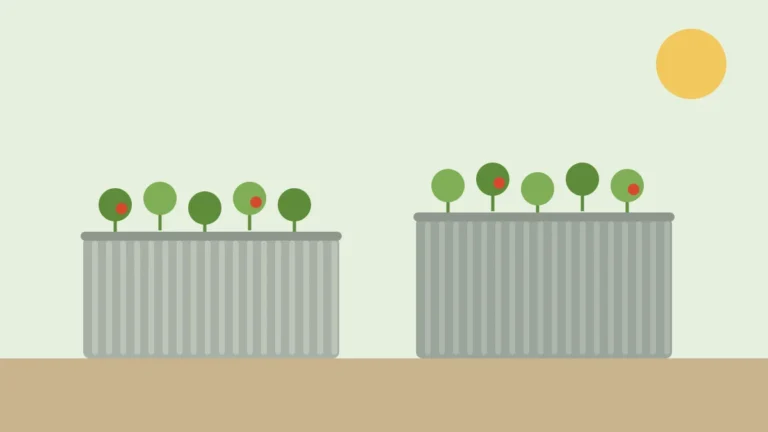
Galvanized livestock water tanks make instant, tall, sturdy beds. Drill plenty of drainage holes in the base before filling.
7. Fabric raised beds
Large fabric grow bags and fabric bed kits are inexpensive, lightweight, and easy to move or pack away, which makes them ideal for renters. They dry out quickly, so water often.
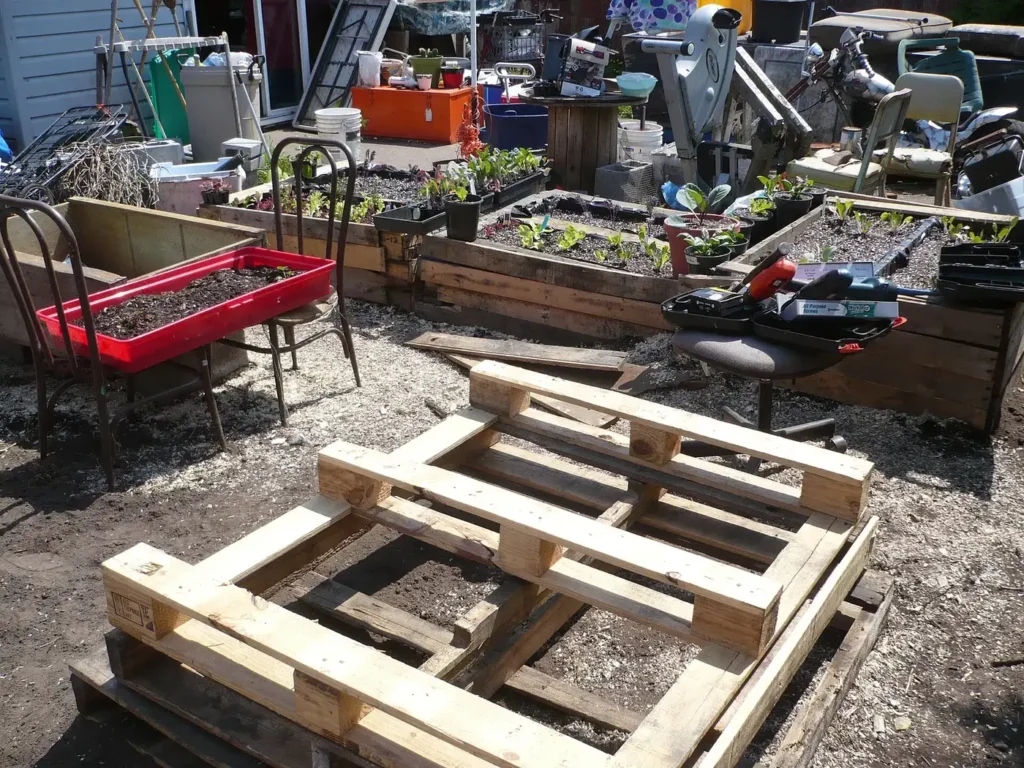
8. Reclaimed wood and pallet beds
Salvaged boards and pallets make low-cost, rustic beds. Use only pallets stamped HT (heat-treated), not MB (methyl bromide fumigated), and avoid painted or chemically treated wood.
9. Log beds
Logs laid along the ground make a natural-looking edge. Filling the bottom of a tall bed with branches and logs, topped with soil, is a related idea that cuts soil costs as the wood slowly breaks down.
Ideas by height
| Height | Good for | Watch out for |
|---|---|---|
| 6 to 8 in | Defining beds on good soil; salad greens and herbs | Little benefit over poor ground |
| 11 to 12 in | Most vegetables on loosened native soil | Not enough over paving |
| 18 to 24 in | Poor or compacted soil, paved areas, less bending | More soil and cost |
| 24 to 30 in | Gardening standing up or seated on the edge | Much more soil; consider filling the bottom with logs |
| Elevated on legs | Patios, balconies, wheelchair users | Shallow soil dries out quickly |
10. Waist-high beds for easy access
Beds 24 to 30 inches tall let you plant, weed and harvest without kneeling. A wide cap rail along the top makes a comfortable seat.
11. Elevated planter tables
Planter boxes on legs bring the garden to table height, with open space underneath for knees or a wheelchair. They are ideal for herbs and salad greens; see our guide to starting an herb garden.
12. Wheelchair-accessible beds
For seated gardeners, narrow beds that can be reached from one side, or elevated tables with knee clearance underneath, work best. Make paths wide and firm enough for a wheelchair, and keep beds narrow enough to reach the middle from a seated position.
Ideas by layout
13. A grid of 4 × 8 ft beds
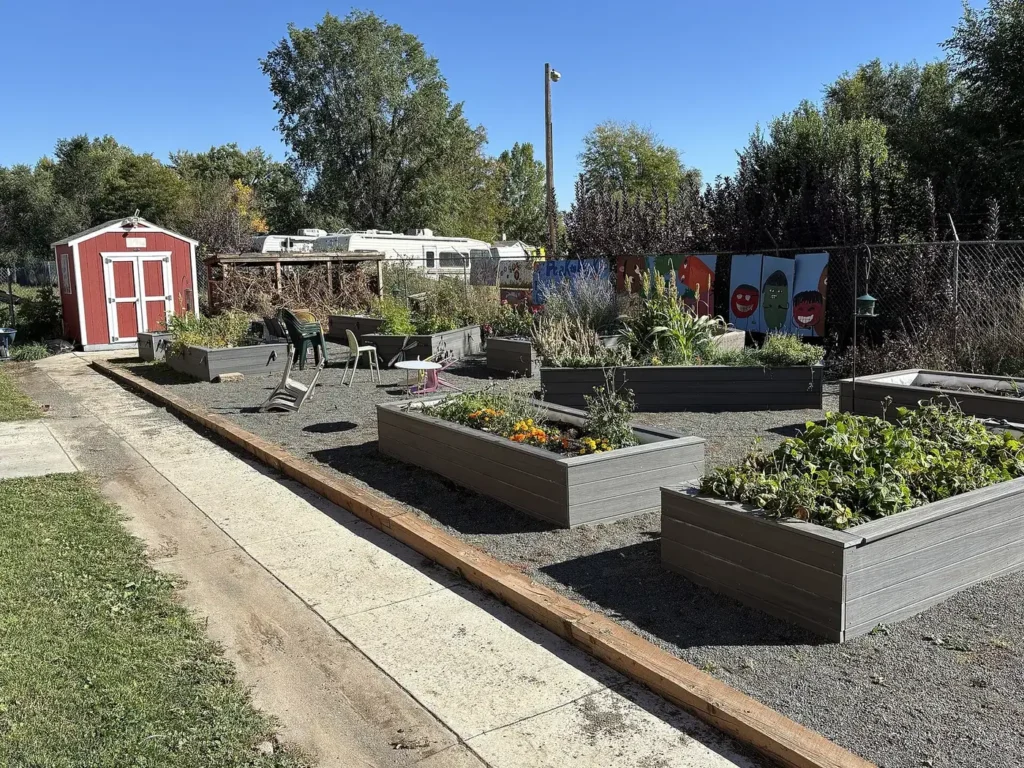
Rows of identical 4-by-8-foot beds with 18- to 24-inch paths are efficient, easy to plan and simple to rotate crops between. Plan each bed square by square with the raised bed planner.
14. U-shaped beds
A U-shaped bed surrounds you with growing space while you stand in the center, giving lots of reachable bed in a compact footprint.
15. Keyhole beds
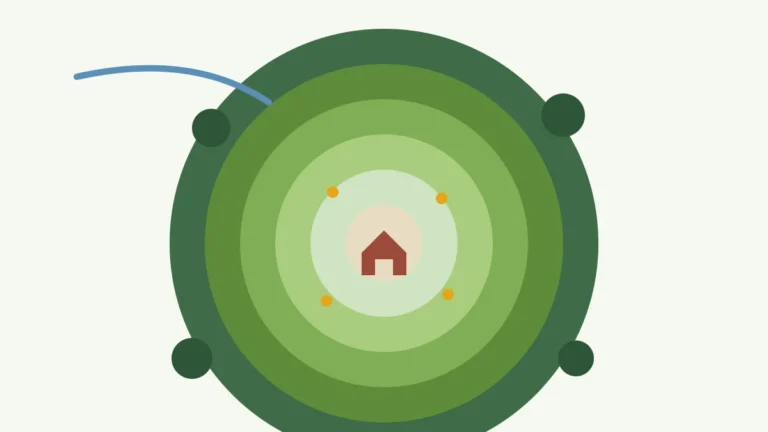
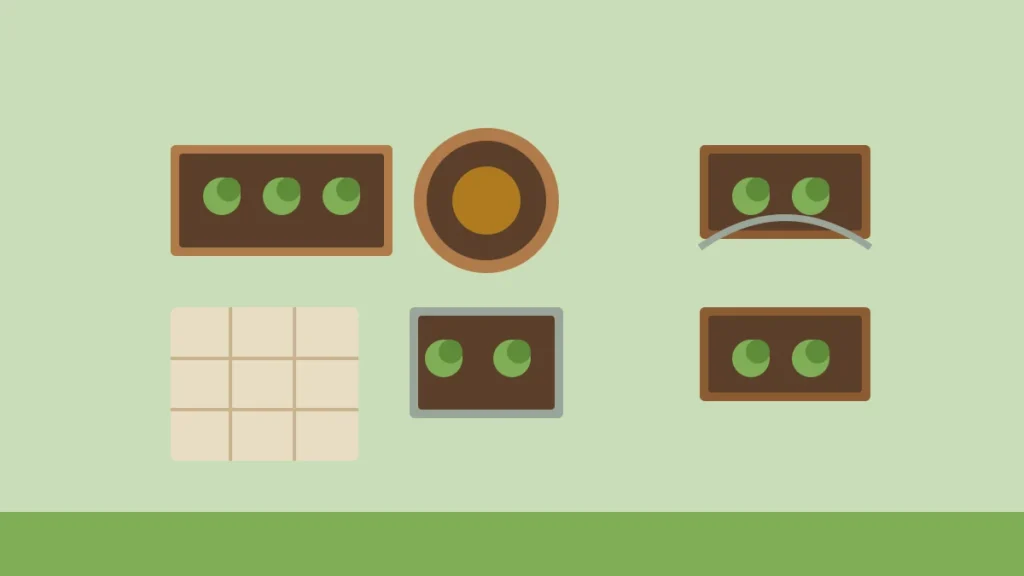
A keyhole bed is a circular bed with a narrow path cut into the middle, so you can reach every part of a wider bed. Some keyhole designs include a compost basket in the center that feeds the surrounding soil.
16. L-shaped and corner beds
Beds that wrap around a corner of a fence or patio make good use of awkward spaces.
17. Narrow beds along fences and walls
Beds just 2 feet wide fit along fences, driveways and house walls, and the fence doubles as a trellis for climbing crops.
18. Tiered beds on slopes
On sloping ground, a series of stepped beds creates level growing areas and reduces erosion. Each tier acts as a small retaining wall, so build it sturdily.
19. Herb spiral
A spiral mound of stone and soil creates different conditions in a small space: dry and sunny at the top for rosemary and thyme, moister at the base for parsley and chives.
To try layouts quickly, the garden layout generator drafts a bed plan for your space, and our guide to planning a vegetable garden layout covers spacing and paths.
Ideas for built-in features
20. Arched trellis between beds
Bend a length of sturdy livestock panel into an arch between two beds. Cucumbers, beans, squash and small melons climb over it, creating a shady tunnel and freeing up bed space.
21. Hoops for covers
Attach short pipes to the inside walls and slot in bent hoops. Cover them with row cover against frost and insects, netting against birds, or plastic for an early start in spring.
22. Built-in drip irrigation
Run two or three drip lines along each bed on a timer. Raised beds dry out faster than the ground, so automatic watering pays off. The drip irrigation calculator sizes the system, and our comparison of drip irrigation and soaker hoses helps you choose.
23. Critter-proof beds
Hardware cloth under the bed stops burrowing animals, and a hinged cage of mesh over the top keeps out rabbits, squirrels and birds. The University of Arizona Extension’s guide to managing critters in vegetable gardens (PDF) covers barriers for different animals, and our guide to keeping animals out of your garden goes further.
24. Cold frame lids
A hinged lid of clear polycarbonate or an old window turns part of a bed into a cold frame for early spring sowings and late fall greens. Prop it open on warm days so plants do not overheat.
Budget idea
25. The no-build “lasagna” bed
The cheapest raised bed has no frame at all. Lay cardboard over the grass, then pile layers of compost, leaves, grass clippings and soil about a foot high. Edges slump a little, but you get a deep, rich bed for the cost of compost. Our guide to starting a vegetable garden on a budget has more money-saving ideas.
Filling and planting your beds
- Fill with a blend of roughly 60 percent topsoil, 30 percent compost and 10 percent perlite or fine bark, or a premixed raised bed soil.
- Allow for settling: add 10 to 20 percent extra soil. Our guide on how much soil a raised bed needs has charts for every common size.
- Plant intensively: raised beds suit square foot gardening, where each square holds 1 to 16 plants. The square foot gardening calculator tells you how many fit.
- Top up each year with an inch or two of compost.
For more planning help, the University of Maryland Extension’s vegetable garden planning resources are a useful free reference.
Matching ideas to your situation
| Situation | Ideas to consider |
|---|---|
| Tight budget | Pine beds, pallet beds, lasagna beds, concrete blocks |
| Renting | Fabric beds, elevated planters, stock tanks you can take with you |
| Bad back or limited mobility | Waist-high beds with a seat rail, elevated tables, accessible layouts |
| Small yard or patio | Narrow wall beds, elevated planters, a single U-shaped bed |
| Sloping yard | Tiered beds |
| Deer, rabbits or gophers | Hardware cloth bases and caged beds |
| Short growing season | Hoop covers and cold frame lids |
Common raised bed design mistakes
- Beds too wide to reach the middle; stick to about 4 feet, or 2 to 3 feet against a wall.
- Paths too narrow for kneeling or a wheelbarrow.
- Building taller than needed, which multiplies the soil bill.
- Siting beds in shade. Most vegetables need six to eight hours of sun.
- Forgetting water access. Plan where the hose or drip line will run.
- Using unknown reclaimed wood that may have been treated or painted.
What to grow in each type of bed
| Bed type | Best crops | Why |
|---|---|---|
| Shallow beds (6 to 8 in) | Lettuce, spinach, radishes, herbs, strawberries | Shallow roots; quick crops |
| Standard beds (11 to 12 in) | Tomatoes, peppers, beans, kale, beets, onions | Enough depth for most vegetables on loosened soil |
| Deep beds (18 in or more) | Carrots, parsnips, potatoes, asparagus | Long roots and tubers need loose soil all the way down |
| Elevated planters | Salad greens, herbs, compact peppers | Limited soil volume |
| Beds with a trellis | Cucumbers, peas, pole beans, small squash and melons | Vertical growth saves bed space |
| Covered or caged beds | Brassicas, lettuce, strawberries | Favorite targets of insects, birds and rabbits |
The plant finder filters crops by space and season, and the companion plant finder suggests good neighbors within a bed.
Raised bed care through the seasons
- Spring: top up with an inch or two of compost, check corners and screws, and set up hoops or covers for early crops.
- Summer: mulch the surface, water deeply, and watch soil moisture closely, since raised beds dry faster than the ground. Our guide on how often to water explains how to check.
- Fall: clear spent plants, plant garlic, and cover bare soil with shredded leaves or a cover crop. Our fall garden prep guide lists the jobs.
- Winter: plan next year’s crops and rotations, and repair or add beds.
Rotating crop families between beds each year reduces pest and disease build-up: keep a simple record of what grew where, or use the bed grids in your planner.
Frequently asked questions
What is the best material for raised garden beds?
Cedar and redwood are classic, long-lasting choices. Galvanized metal is durable and quick to assemble, concrete block is cheap and permanent, and untreated pine is the cheapest but shortest-lived.
What is the cheapest way to make a raised bed?
A frameless lasagna bed of cardboard topped with compost, leaves and soil, or a simple frame of untreated pine or reclaimed wood.
How tall should a raised garden bed be?
About 11 to 12 inches on decent soil. Go 18 to 24 inches over poor soil or paving, and 24 to 30 inches to reduce bending.
How far apart should raised beds be?
Leave paths of 18 to 24 inches between beds, and at least one path wide enough for a wheelbarrow or wheelchair.
Are metal raised beds good for vegetables?
Yes. They last a long time and come in tall sizes. In very hot climates they warm the soil more than wood, so mulch and water well.
What is a keyhole garden?
A circular raised bed with a notch-shaped path into the center, so you can reach every part of a wide bed. Some include a central compost basket.
Can I put a raised bed on grass?
Yes. Lay cardboard over the grass inside the bed to smother it, then fill with soil. The cardboard breaks down within a season or two.
How many raised beds should a beginner start with?
One or two 4-by-8-foot beds are a manageable start and can produce plenty of vegetables in a first season.