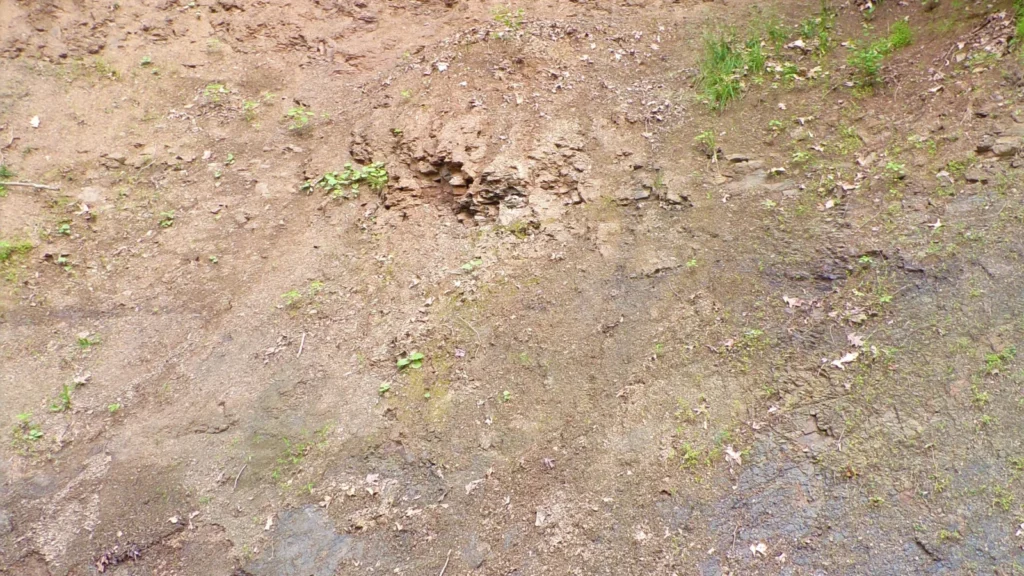
The best soil for fruit trees is a deep, well-drained loam or sandy loam with a pH of about 6.0 to 6.5 (slightly lower for blueberries and pawpaws, and up to about 7.5 for figs, pomegranates and jujubes), moderate fertility and 2 to 5 percent organic matter. Drainage matters most: fruit tree roots die in waterlogged soil, so heavy clay or poorly drained sites should be planted on raised mounds or berms. Test the soil before planting, correct pH with lime or sulfur in advance, and avoid heavily amending the planting hole.
Ideal soil conditions for fruit trees
| Soil factor | Ideal for most fruit trees |
|---|---|
| Texture | Loam or sandy loam |
| Drainage | Water drains from a planting hole within about a day |
| Depth | At least 3 to 4 feet of rootable soil |
| pH | About 6.0 to 6.5 for most tree fruits |
| Organic matter | About 2 to 5 percent |
| Fertility | Moderate; too rich encourages leafy growth over fruit |
What soil do fruit trees need?
The Penn State Extension guide to home orchard site selection recommends a well-drained loam at least 3 to 4 feet deep, noting that good drainage is more important than depth, that medium to low fertility is better than very rich soil because excess fertility promotes vegetative growth at the expense of fruit, and that a pH of 6.0 to 6.5 is ideal. Levels above or below that range can cause nutrient deficiencies.
Loam is a balanced mix of sand, silt and clay that holds moisture and nutrients while still draining freely. The Wikipedia article on loam describes it as typically about 40 percent sand, 40 percent silt and 20 percent clay. Sandy loams drain faster and warm earlier in spring; clay loams hold more water and nutrients but need care with drainage.

Why is drainage so important?
Fruit tree roots need oxygen. In soil that stays saturated for more than a day or two, roots suffocate and become vulnerable to root and crown rots caused by Phytophthora and other water molds. Stone fruits such as cherries, apricots and peaches are especially sensitive, while pears and some apple rootstocks tolerate wetter soils somewhat better. Signs of poor drainage include standing water after rain, gray or mottled subsoil, and a sour smell when you dig.
How to test drainage
- Dig a hole about 12 inches wide and 12 to 18 inches deep where you plan to plant.
- Fill it with water and let it drain completely to saturate the surrounding soil.
- Fill it again and measure how fast the water level drops.
- A drop of about 1 to 6 inches per hour is good. Less than about 1 inch per hour means poor drainage; plant on a mound or choose another site.
What pH do fruit trees prefer?
| Fruit | Preferred pH |
|---|---|
| Apple, pear, cherry, plum, peach, apricot | About 6.0 to 6.5 (tolerate 5.5 to 7.0) |
| Citrus | About 6.0 to 7.0 |
| Fig, pomegranate, jujube | About 6.0 to 7.5; tolerate alkaline soil |
| Pawpaw | About 5.5 to 7.0 |
| Lychee, avocado | About 5.5 to 6.5 |
| Blueberry (for comparison) | About 4.5 to 5.5 |
Soil pH controls the availability of nutrients. The Wikipedia article on soil pH explains how iron, manganese and zinc become less available in alkaline soils, causing yellow leaves with green veins, while very acidic soils reduce calcium, magnesium and phosphorus and can release toxic aluminum and manganese. If leaves are yellowing, the yellow leaf identifier can help narrow the cause.
How do you test your soil?
Send a soil sample to your state’s extension or a commercial soil lab before planting, ideally in the season before. A basic test reports pH, phosphorus, potassium, calcium, magnesium and organic matter, often with lime or sulfur recommendations. Take 10 to 15 small samples from the top 6 to 8 inches across the planting area, mix them in a clean bucket, and send about a pint. For orchards, a second sample from 8 to 16 inches deep is useful, since tree roots go deeper than vegetable roots. Penn State advises taking the soil test after any old trees and roots are removed and the ground is leveled, so subsoil brought up is mixed in, and testing for nematodes before replanting where old fruit trees, especially stone fruits, grew.
How do you fix soil pH before planting?
Correct pH before planting, because lime and sulfur move slowly through soil and are hard to work into the root zone once trees are in. Mix amendments into the whole planting area, not just the hole.
- To raise pH (acidic soil): apply ground agricultural limestone, or dolomitic lime if magnesium is also low, at the rate your soil test recommends. It works best several months before planting.
- To lower pH (alkaline soil): apply elemental sulfur at the recommended rate, which bacteria convert to acid over months. In very alkaline, calcareous soils, it is easier to choose tolerant trees such as figs, pomegranates and jujubes than to lower pH permanently.

What if you have clay soil?
Heavy clay holds water and nutrients well but drains slowly and can suffocate roots. Rather than digging a deep hole and filling it with rich soil, which creates a sump that collects water, try these approaches:
- Plant on a mound or berm 12 to 18 inches high and several feet wide, so the root crown sits above wet soil.
- Choose tolerant rootstocks, such as some plum and pear rootstocks, which handle heavier soils better than peach or cherry.
- Improve the whole area with compost worked into the top 8 to 12 inches over a wide area, and keep a mulch layer to build organic matter over time.
- Never work wet clay, which destroys structure.
What if you have sandy soil?
Sandy soil drains well, which fruit trees like, but it holds little water or nutrients. Add compost over the planting area, mulch generously to conserve moisture, water more often and in smaller amounts, and feed lightly but regularly. Drip irrigation helps a great deal. Use the garden watering calculator to plan irrigation and the mulch calculator to size mulch.
Should you amend the planting hole?
Generally no. Research and extension guidance consistently show that trees establish better in native soil than in holes filled with rich amendments. A heavily amended hole in clay acts like a pot without drainage, collecting water, and roots tend to circle in the rich zone rather than growing out into surrounding soil. Instead, dig a wide, shallow hole, loosen the sides, backfill with the soil you removed, and apply compost as a top dressing or mulch. Improve soil over the whole area if needed. The planting hole size calculator gives the right hole dimensions.
Soil safety note: In urban areas and near old buildings, soil can contain lead and other contaminants from paint, fuel and industry. Ask your soil lab for a heavy-metals test if you are unsure. When handling lime, sulfur or fertilizers, wear gloves and eye protection, follow product labels, and keep them away from children and pets. Call 811 before digging.
What about soil for container fruit trees?
Do not use garden soil in pots; it compacts and drains poorly. Use a coarse, fast-draining mix such as quality potting soil blended with pine bark fines and perlite or pumice, roughly one-third each, or a commercial citrus or fruit tree mix. Container mixes break down over time, so repot or root-prune every two to four years. See Meyer lemon tree in a pot and the container garden planner for container details.
How do you keep orchard soil healthy over time?
- Mulch 2 to 4 inches of wood chips in a wide circle around each tree, kept away from the trunk; it builds organic matter and feeds soil life.
- Avoid compaction by keeping vehicles and heavy foot traffic off the root zone, especially when wet.
- Retest every three to four years and adjust pH and nutrients as recommended.
- Feed based on growth; young trees should make about 12 to 24 inches of new growth a year, bearing trees less. Use the garden fertilizer calculator.
- Grow grass or clover between trees rather than leaving bare soil, mowing it short.
Which fruit trees tolerate poor soil?
| Soil challenge | More tolerant choices |
|---|---|
| Alkaline, calcareous soil | Fig, pomegranate, jujube, some plums and pears |
| Heavy clay | Pear, some plum rootstocks, quince, persimmon |
| Sandy, dry soil | Fig, jujube, pomegranate, peach on suitable rootstock |
| Moist bottomland | Pawpaw, elderberry, some pear rootstocks |
| Salty soil | Jujube, pomegranate |
See our guides to jujube trees, pawpaw trees and cold-hardy pomegranates for these adaptable fruits.
How does rootstock interact with soil?
The rootstock, not the fruiting variety, determines how a grafted tree copes with your soil. Some apple rootstocks tolerate wet soils better than others, while some resist crown rot or replant disease. Peach rootstocks such as Lovell and Guardian suit different soils and nematode pressures, and plum rootstocks such as Marianna and Myrobalan tolerate heavier, wetter soils than peach roots. Cherry rootstocks vary too: Mahaleb tolerates dry, alkaline soils but dislikes wet ones, while Mazzard and Krymsk types handle heavier soils. When buying from a nursery, ask which rootstock a tree is on and whether it suits your soil.
Should you plant where an old fruit tree grew?
Be cautious. Replant disease, a complex of soil organisms and nematodes that builds up under old trees, can stunt new trees of the same type, especially apples and stone fruits. If possible, plant in a fresh spot. If you must replant in the same place, remove as many old roots as you can, test the soil, add organic matter over a wide area, and consider planting a different kind of fruit or waiting a year or two with a cover crop.
How long before planting should you prepare the soil?
Ideally, start the season before: test the soil in summer or fall, apply lime or sulfur as recommended, control perennial weeds, and break up any compacted layers. That gives amendments months to react and lets you plant bare-root trees as soon as soil is workable in late winter or early spring. If you are short of time, you can still plant, correcting minor pH issues with surface applications over the following seasons.
Does mulch change soil for fruit trees?
Yes, over time. A wood chip mulch kept 2 to 4 inches deep feeds fungi and earthworms, slowly raises organic matter, moderates soil temperature and conserves moisture. Studies of orchard floors show that mulched trees often grow better than trees surrounded by grass or bare soil. Renew the mulch every year or two, keep it a few inches back from the trunk to avoid rot and rodent damage, and use the mulch calculator to estimate how much you need.
Good soil is the foundation of a productive orchard: get drainage and pH right before planting, and every other part of fruit tree care becomes easier.
With the soil ready, read when to plant fruit trees to time planting for your climate.
Keep a simple record of soil test results and amendments for each part of the garden, so future adjustments are based on numbers rather than guesswork.
You’ll find related varieties, pruning calendars and pest guides in the fruit tree hub.
Free printable: the Year-Round Garden & Preserving Planner
Planting dates for 24 crops, monthly tasks, blanching times, canning safety numbers and a winter storage chart in one 8-page PDF. Enter your email to download it instantly and get our seasonal garden newsletter.
No spam. Unsubscribe any time. We never sell your email.
Frequently asked questions
What is the best soil type for fruit trees?
A deep, well-drained loam or sandy loam.
What pH do fruit trees like?
About 6.0 to 6.5 for most tree fruits.
Can fruit trees grow in clay soil?
Yes, if planted on a mound or berm with tolerant rootstocks, since drainage is the main problem.
Should I add compost to the planting hole?
No; backfill with native soil and apply compost as a top dressing or across the whole area.
How deep should soil be for fruit trees?
Ideally at least 3 to 4 feet of rootable, well-drained soil.
Do fruit trees like rich soil?
Moderately fertile soil is best; very rich soil encourages leafy growth at the expense of fruit.
Last reviewed October 2026. Key references: Penn State Extension, Home Orchard Site Selection; Wikipedia, Loam; Wikipedia, Soil pH.
