To dehydrate fruits and vegetables, wash and slice them into thin, even pieces (1/4 to 1/2 inch), pretreat light-colored fruits such as apples, pears and peaches with an ascorbic acid (vitamin C) or lemon juice dip to prevent browning, and blanch most vegetables briefly to preserve color and flavor. Spread pieces in a single layer on dehydrator trays and dry at 140°F, until fruits are leathery and pliable with no moisture when squeezed, and vegetables are brittle or crisp, usually 6 to 12 hours depending on the food. Cool, condition dried fruit in loosely packed jars for 7 to 10 days, then store in airtight containers in a cool, dark place. Dried fruit keeps best quality for about a year at 60°F; dried vegetables for about half that time.
Dehydrating at a glance
| Item | Guidance |
|---|---|
| Drying temperature | 140°F for fruits and vegetables; 95°F to 115°F for herbs |
| Slice thickness | 1/4 to 1/2 inch, uniform |
| Fruit pretreatment | Ascorbic acid, citric acid or lemon juice dip for apples, pears, peaches, apricots, bananas |
| Vegetable pretreatment | Blanch most vegetables (except onions, peppers, mushrooms, herbs) |
| Doneness, fruit | Leathery and pliable, no beads of moisture when cut or squeezed |
| Doneness, vegetables | Brittle, crisp or tough |
| Conditioning | 7 to 10 days in loosely filled jars, shaken daily (fruit) |
| Storage | Airtight, cool, dark; fruit about 1 year at 60°F, 6 months at 80°F |
| Methods | Electric dehydrator (best), oven, sun (hot, dry climates only), air drying (herbs) |
How does drying preserve food?
Drying removes most of the water from food, leaving too little moisture for bacteria, yeasts and molds to grow, and slows the enzyme reactions that cause spoilage. Dried fruits keep about 15 to 20 percent moisture, and dried vegetables about 10 percent, which is why vegetables must be drier and crisper. Drying is one of the oldest preservation methods and needs no special jars or freezer space. Dried foods are light and compact, ideal for snacks, camping and winter soups. The key to safe, good-quality drying is a combination of low, steady heat, low humidity and good air circulation. The Michigan State University Extension guide to dehydrating food explains why temperature control matters: too low and food may spoil before drying, too high and the outside hardens while moisture stays trapped inside.
What is the best way to dry food at home?
- Electric food dehydrator: the most reliable method, with a thermostat, fan and stacked trays for even drying. Look for an adjustable thermostat from 85°F to 160°F, a fan and enough tray space for your harvest.
- Oven drying: possible if your oven holds 140°F, with the door propped open 2 to 6 inches and a fan placed nearby for air circulation. It takes two to three times longer than a dehydrator, uses more energy, and is best for small batches. Check the temperature with an oven thermometer.
- Sun drying: works only for fruits in hot, dry climates with temperatures of at least 85°F and humidity below 60 percent for several days. Cover food with cheesecloth or screens to keep insects off and bring trays indoors at night. Vegetables should not be sun dried, because they are low in sugar and acid and spoil more easily.
- Air drying: suitable for herbs and hot peppers hung in bundles in a warm, dry, airy room out of direct sun.
- Solar dryers: boxes that capture the sun’s heat with a vent for airflow; faster and safer than open sun drying.
How do you dry fruit?
- Choose ripe, firm fruit with no bruises or mold. Overripe fruit is better for fruit leather.
- Wash, peel if desired, core or pit, and cut into uniform slices 1/4 to 1/2 inch thick, or halves for small fruits. Berries with tough skins, such as blueberries, cherries and grapes, should be dipped in boiling water for 30 to 60 seconds to crack the skins (checking), which speeds drying.
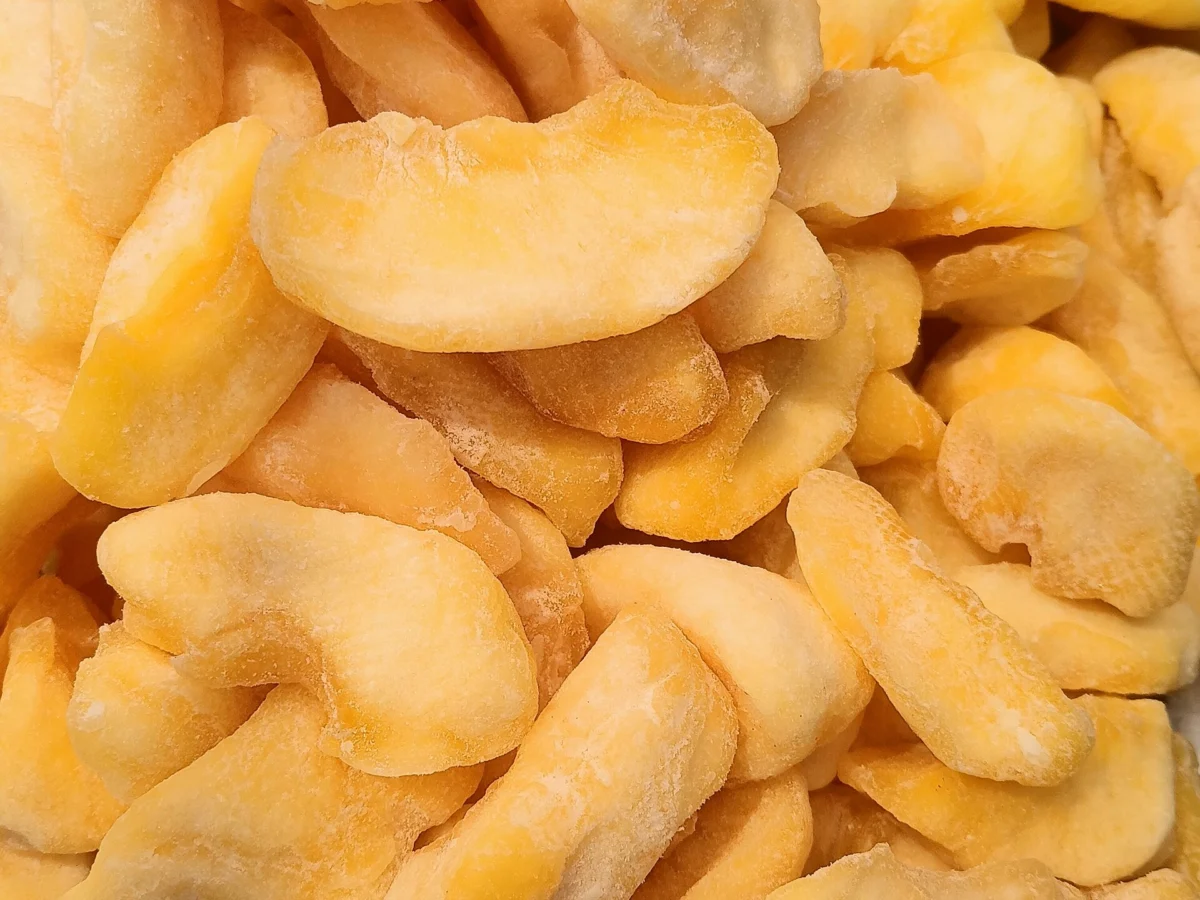
- Pretreat light-colored fruit to prevent browning: dip slices for about 10 minutes in a solution of 1 teaspoon of ascorbic acid powder (or 3,000 mg of crushed vitamin C tablets) per 2 cups of water, or use a commercial fruit protector or equal parts lemon juice and water. Drain well.
- Arrange pieces in a single layer on trays, not touching.
- Dry at 140°F, rotating trays every few hours if your dehydrator heats unevenly.
- Test for doneness: cool a few pieces and squeeze them. Dry fruit should be leathery and pliable, with no moisture beads, and should not stick together when pressed.
- Condition: pack cooled fruit loosely into glass jars about two-thirds full, cover, and shake daily for 7 to 10 days. If condensation forms, return the fruit to the dehydrator. Conditioning evens out moisture and reveals any pieces that are not dry enough.
Typical drying times for fruit
| Fruit | Preparation | Approximate time at 140°F |
|---|---|---|
| Apples | Peel optional, core, slice 1/4 inch, pretreat | 6 to 12 hours |
| Apricots | Halve and pit, pretreat, pop backs out | 20 to 28 hours |
| Bananas | Peel, slice 1/4 inch, pretreat | 8 to 12 hours |
| Blueberries and cherries | Check skins in boiling water; pit cherries | 10 to 24 hours |
| Peaches and pears | Peel, slice, pretreat | 10 to 24 hours |
| Plums (prunes) | Halve and pit; check skins if whole | 20 to 36 hours |
| Strawberries | Hull and slice 1/2 inch | 7 to 15 hours |
Times vary with humidity, fruit size and dehydrator. For prunes, see our detailed guide to how to make prunes.

Safety note: Unplug dehydrators before cleaning, keep them on a heat-safe surface away from curtains, and never leave an oven propped open unattended around children or pets. Discard dried foods with mold, off odors or insects. Meat jerky requires heating meat to 160°F (poultry to 165°F) using a tested method; do not follow fruit and vegetable times for meat. Guidance from the National Center for Home Food Preservation.
How do you dry vegetables?
Most vegetables should be blanched before drying, in boiling water or steam, to stop enzymes that cause off flavors and color loss during storage, and to shorten drying and rehydration time. Onions, garlic, peppers, mushrooms and herbs do not need blanching. After blanching, chill vegetables briefly, drain them well, and spread them on trays. Dry at 140°F until brittle or tough; vegetables should snap or crumble rather than bend. They do not need conditioning like fruit, but should be cooled and packaged promptly so they do not pick up moisture from the air.
| Vegetable | Preparation | Approximate time at 140°F |
|---|---|---|
| Green beans | Cut in 1-inch pieces, blanch | 8 to 14 hours |
| Carrots | Slice or shred, blanch | 6 to 10 hours |
| Corn | Blanch ears, cut kernels | 6 to 12 hours |
| Onions | Slice 1/4 inch or chop; no blanching | 6 to 12 hours |
| Peppers | Seed and chop; no blanching | 8 to 12 hours |
| Mushrooms | Clean and slice; no blanching | 6 to 10 hours |
| Tomatoes | Slice 1/4 inch or halve cherry types; optional skin removal | 8 to 24 hours |
| Zucchini | Slice 1/4 inch; blanching optional for chips | 8 to 12 hours |
Dried vegetables are excellent in soups, stews and casseroles, where they rehydrate as they cook. To rehydrate them for other uses, soak them in boiling water for 20 minutes to 2 hours, then cook in the soaking water.
How do you dry herbs?
Harvest herbs in the morning after dew dries, just before they flower, when flavor is strongest. Rinse briefly if needed and pat dry. Hang small bundles upside down in a warm, dry, dark, well-ventilated room for one to two weeks, or dry the leaves on dehydrator trays at 95°F to 115°F, which preserves the volatile oils better than higher temperatures. Herbs are dry when leaves crumble easily. Strip the leaves from the stems, store them whole in airtight jars away from light, and crumble them when using. See our guides to growing basil, oregano, thyme and rosemary, and for dried lavender, how to grow lavender.
How do you make fruit leather?
Fruit leathers are made from pureed fruit spread thinly and dried into a chewy sheet. Puree ripe or slightly overripe fruit, adding lemon juice to light-colored fruits and a little honey or sugar if desired; applesauce can be mixed in to improve texture. Spread the puree about 1/8 inch thick (slightly thicker at the edges) on dehydrator fruit-leather sheets or trays lined with parchment or plastic wrap. Dry at 140°F for 6 to 8 hours, until the leather is no longer sticky and peels away easily. Roll it in plastic wrap and store it in airtight containers for up to a month at room temperature or a year in the freezer.
What about jerky?
Meat jerky has special safety requirements because drying temperatures alone may not destroy harmful bacteria such as Salmonella and E. coli. Current USDA guidance is to heat meat to 160°F (165°F for poultry) before or after drying, using a tested method, and to use lean meat that is kept refrigerated during preparation. If you plan to make jerky, follow a tested recipe from an extension service or the USDA rather than general fruit and vegetable drying directions.
How should you store dried food?
- Cool completely before packaging, but do not leave dried food out for long, since it absorbs humidity.
- Use airtight containers: glass jars, freezer bags with the air pressed out, or vacuum-sealed bags. Smaller packages limit exposure each time you open one.
- Store cool, dark and dry. Dried fruits keep about a year at 60°F and about six months at 80°F; dried vegetables keep about half as long. Refrigeration or freezing extends storage.
- Check regularly for moisture, mold or insects. Re-dry foods that have softened, and discard any that are moldy.
- Label every package with the contents and date.
Further guidance is available from the University of Georgia article on drying extra fruits and vegetables and the National Center for Home Food Preservation.
Common dehydrating mistakes
- Cutting uneven slices, so some pieces burn while others stay moist.
- Drying at too high a temperature, which causes case hardening, a hard outer crust that traps moisture inside.
- Overloading trays, which blocks airflow.
- Skipping pretreatment of apples, pears and peaches.
- Skipping blanching of vegetables that need it.
- Packaging fruit without conditioning, which can lead to mold.
- Drying strong-smelling foods with others: onions and garlic will flavor fruit dried at the same time.
- Storing dried food in warm, humid places.
Drying compared with other preservation methods
Drying uses less storage space than canning or freezing and needs no electricity once food is dried, but it changes the texture and flavor of food more. It works especially well for apples, pears, plums, apricots, tomatoes, peppers, onions, mushrooms and herbs. For vegetables you want to taste fresh, freezing is better; see how to freeze vegetables. For shelf-stable jars, see water bath canning.
For every canning, freezing, drying and storage guide in one place, visit our food preserving hub.
Free printable: the Year-Round Garden & Preserving Planner
Planting dates for 24 crops, monthly tasks, blanching times, canning safety numbers and a winter storage chart in one 8-page PDF. Enter your email to download it instantly and get our seasonal garden newsletter.
No spam. Unsubscribe any time. We never sell your email.
Dehydrating FAQ
What temperature should I dehydrate fruit at?
140°F is the standard recommendation for fruits and vegetables.
How do I know when dried fruit is done?
It should be leathery and pliable with no visible moisture when squeezed or cut.
Can I dry food in the oven?
Yes, if it holds 140°F with the door propped open, though it takes longer and uses more energy.
Why did my dried fruit get moldy?
It was not dry enough, was not conditioned, or was stored in a humid place.
Do I need to blanch vegetables before drying?
Most, yes; onions, peppers, mushrooms and herbs can be dried without blanching.
How long does dehydrated food last?
Fruit about a year at 60°F; vegetables about six months.
Getting started with a small batch
Apples are the easiest first project: they are inexpensive, dry evenly and make a popular snack. Slice a few apples 1/4 inch thick, dip them in an ascorbic acid solution, dry them at 140°F, and test pieces after six hours. Note how long your dehydrator takes and how full the trays were, and use those notes to plan larger batches during harvest season.
References used in this guide: Michigan State University Extension, Dehydrating Foods; University of Georgia, Drying is another option for storing extra summer fruits and vegetables; National Center for Home Food Preservation, How Do I Dry?.