To freeze vegetables, harvest them at peak quality, wash and cut them, then blanch them, either in boiling water or steam, for the exact time each vegetable needs (for example 3 minutes for green beans and broccoli florets, 1 1/2 minutes for peas, 2 minutes for spinach). Plunge them immediately into ice water for the same length of time, drain well, pack them into freezer bags or containers with as much air removed as possible, label and freeze at 0°F or below. Blanching stops the enzymes that cause loss of flavor, color, texture and nutrients during storage. Most blanched vegetables keep their best quality for 8 to 12 months. Peppers, onions, herbs and tomatoes can be frozen without blanching.
Blanching times for common vegetables
| Vegetable | Preparation | Water blanching time |
|---|---|---|
| Asparagus | Trim; leave whole or cut | Small spears 2 min; medium 3 min; large 4 min |
| Green or wax beans | Trim ends; cut or leave whole | 3 min |
| Broccoli | Florets about 1.5 inches across | 3 min (steam 5 min) |
| Brussels sprouts | Trim; sort by size | Small 3 min; medium 4 min; large 5 min |
| Carrots | Small whole, or diced and sliced | Small whole 5 min; diced or sliced 2 min |
| Cauliflower | Florets | 3 min (in salted water optional) |
| Sweet corn, kernels | Blanch ears, then cut kernels | Ears 4 min before cutting |
| Sweet corn, on the cob | Husk and silk | Small ears 7 min; medium 9 min; large 11 min |
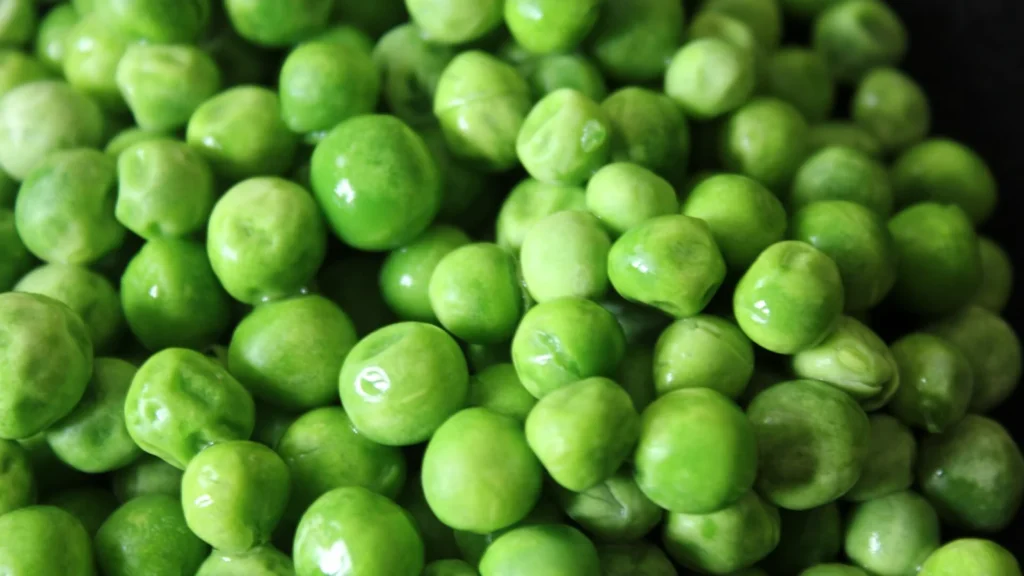
| Peas, green shelled | Shell | 1 1/2 min |
| Snow and sugar snap peas | Trim | 1 1/2 to 3 min depending on size |
| Spinach, chard and other greens | Remove tough stems | 2 min; collards 3 min |
| Summer squash and zucchini | 1/2-inch slices | 3 min |
| Peppers, onions | Chop or slice | No blanching needed |
Start timing as soon as the vegetables are in the water and it returns to a boil within one minute. Add 1 minute at altitudes above 5,000 feet. These times follow guidance from the National Center for Home Food Preservation and university extension services such as the University of New Hampshire Extension fact sheet on freezing vegetables.
Why do you need to blanch vegetables before freezing?
Vegetables contain enzymes that keep working, even slowly, in the freezer. Over weeks and months they cause off flavors, loss of color, toughening or mushiness, and loss of vitamins. Blanching, a brief heat treatment, inactivates those enzymes. It also cleans the surface of dirt and microorganisms, brightens color, slows vitamin loss, and wilts or softens vegetables so they pack more easily. Under-blanching is worse than not blanching at all, because it stimulates enzyme activity, while over-blanching cooks the vegetables and causes loss of flavor, color and nutrients. The Michigan State University Extension guide to blanching and freezing explains how precise timing improves frozen quality.

How do you blanch and freeze vegetables, step by step?
- Harvest at peak ripeness and freeze as soon as possible, ideally the same day. Freezing does not improve quality.
- Wash vegetables in cold water, lifting them out of the water so grit stays behind.
- Sort and cut vegetables into uniform sizes so they blanch evenly.
- Bring a large pot of water to a rolling boil, using at least 1 gallon of water per pound of prepared vegetables (2 gallons for leafy greens). Use a blancher with a basket, or a large pot with a wire basket or colander.
- Prepare an ice bath: a large bowl or sink of ice and cold water, about 1 pound of ice per pound of vegetables.
- Blanch: lower the vegetables into the boiling water, cover, and start timing when the water returns to a boil. If it takes longer than 1 minute to return to a boil, use less food next time.
- Cool immediately in the ice water for the same amount of time as the blanching, until cold all the way through.
- Drain thoroughly, spinning greens in a salad spinner or patting vegetables dry with towels, since extra water forms ice crystals.
- Pack into freezer bags or rigid containers. For bags, squeeze or vacuum out as much air as possible and lay them flat to freeze. For loose-pack (individually quick frozen) vegetables, spread them on a tray in a single layer, freeze until firm, then transfer to bags.
- Label with the contents and date, and freeze at 0°F or colder. Do not overload the freezer at once: add no more than 2 to 3 pounds of food per cubic foot of freezer space within 24 hours.
Can you steam or microwave blanch?
Steam blanching works well for broccoli, winter squash, sweet potatoes and some other vegetables, and retains more water-soluble nutrients. Use a pot with a tight lid and a basket holding vegetables at least 3 inches above 1 to 2 inches of boiling water, keeping the pieces in a single layer. Steam blanching takes about 1 1/2 times longer than water blanching. Microwave blanching is not recommended, because it heats unevenly and some enzymes may not be inactivated, resulting in off flavors and poor texture.

Safety note: Use a large, stable pot and a basket or slotted spoon when blanching, and keep children away from boiling water and steam. Thaw frozen vegetables in the refrigerator or cook them from frozen, not on the counter. Keep your freezer at 0°F or colder, and during a power outage keep the door closed; food that still has ice crystals or has stayed at 40°F or below can be refrozen. Guidance from the National Center for Home Food Preservation.
Which vegetables can be frozen without blanching?
- Sweet and hot peppers: wash, remove seeds, chop or slice, and freeze on trays.
- Onions: chop and freeze in sealed bags (double-bag to contain odors); use in cooking.
- Tomatoes: freeze whole, raw, on trays; skins slip off when thawed. Use for cooking.
- Herbs: chop and freeze in ice cube trays with water or oil, or freeze whole leaves.
- Shredded zucchini for baking: freeze raw in measured amounts, though blanching improves storage life.
- Cooked vegetables: roasted vegetables, mashed winter squash, pumpkin puree and cooked greens freeze well.
Which vegetables do not freeze well?
Vegetables with high water content and those eaten raw for crunch freeze poorly: lettuce and salad greens, cucumbers, radishes, celery (except for cooking), raw cabbage for coleslaw, and whole raw potatoes, which turn dark and mealy. Potatoes freeze better when cooked or blanched as french fries or hash browns. Cucumbers are better pickled; see how to make pickles.
How long do frozen vegetables last?
Food kept constantly frozen at 0°F stays safe indefinitely, but quality declines over time. For the best flavor, color and texture, use most blanched vegetables within 8 to 12 months, and unblanched vegetables such as peppers and onions within 3 to 6 months. Freezer burn, the dry, grayish patches caused by moisture loss from the surface, is not unsafe but makes food tough and tasteless; prevent it by removing air from packages and using moisture-proof freezer bags or containers. Keep an inventory list on the freezer door so you use older packages first.
How do you cook frozen vegetables?
Most frozen vegetables do not need thawing before cooking; add them directly to boiling water, a steamer, a stir-fry or a soup. Because they are already partly cooked by blanching, they need less cooking time than fresh vegetables, often half or less. Corn on the cob should be partially thawed before cooking so the cob heats through. Leafy greens can be thawed and squeezed to remove water before adding to recipes.
Can you freeze fruit too?
Yes, fruit freezes easily without blanching. Wash, hull or pit, and freeze berries and sliced fruit on trays, then pack them in bags; or pack fruit in a sugar or syrup pack for better color and texture. Treat apples, peaches, pears and apricots with ascorbic acid (vitamin C) or a commercial anti-darkening product to stop browning. Frozen fruit is ideal for smoothies, baking and making jam later; see how to make jam.
Choosing containers for freezing
- Freezer bags: heavier than storage bags and moisture-proof; lay flat to freeze and stack.
- Vacuum sealer bags: remove the most air and give the longest quality, especially for corn, beans and berries.
- Rigid plastic or glass freezer containers: good for liquid packs, purees and soups. Leave 1/2 inch of headspace for expansion in pints and 1 inch in quarts; use straight-sided, freezer-safe glass only.
- Avoid bread bags, thin produce bags, cottage cheese tubs and non-freezer glass, which allow freezer burn or crack.
Common freezing mistakes
- Skipping blanching for vegetables that need it.
- Guessing blanching times, causing under- or over-blanching.
- Not chilling quickly after blanching, which keeps cooking the vegetables.
- Packing wet vegetables, which form ice crystals and clump.
- Leaving air in bags, causing freezer burn.
- Overloading the freezer, which slows freezing and forms large ice crystals.
- Freezing past-prime produce.
For other ways to preserve the harvest, see water bath canning and pressure canning vegetables, and grow more of what you freeze with our guides to broccoli, peas, sweet corn and bush beans. The National Center for Home Food Preservation has detailed freezing directions for every common vegetable and fruit.
See the full food preserving library for canning, freezing, drying, fermenting and cold storage.
Free printable: the Year-Round Garden & Preserving Planner
Planting dates for 24 crops, monthly tasks, blanching times, canning safety numbers and a winter storage chart in one 8-page PDF. Enter your email to download it instantly and get our seasonal garden newsletter.
No spam. Unsubscribe any time. We never sell your email.
Freezing vegetables FAQ
Do I have to blanch vegetables before freezing?
For most vegetables, yes, to keep flavor, color and texture; peppers, onions and tomatoes can skip it.
How long should I blanch broccoli?
3 minutes in boiling water or 5 minutes in steam, then 3 minutes in ice water.
Can I freeze vegetables without blanching if I use them quickly?
Yes, if eaten within a few weeks, but quality drops faster.
How do I prevent freezer burn?
Remove air from packages, use freezer-grade bags, and keep the freezer at 0°F.
Is it safe to refreeze thawed vegetables?
Yes if they still contain ice crystals or were kept below 40°F, but quality suffers.
Can I freeze zucchini?
Yes, blanch slices for 3 minutes or freeze shredded zucchini raw for baking.
How do you freeze sweet corn?
Corn is one of the most rewarding vegetables to freeze, because sweetness fades quickly after picking. Harvest ears in the milk stage, when kernels are plump and squirt milky juice when pierced, and freeze them within hours. Husk the ears, remove the silk and trim the ends. For whole-kernel corn, blanch the ears for 4 minutes, cool them in ice water, then cut the kernels off about two-thirds of their depth. For cream-style corn, cut the kernels at the tips and scrape the cobs with the back of a knife to remove the juice and hearts. Pack, label and freeze. Corn on the cob takes much longer to blanch and cool, uses more freezer space, and often has a cobby flavor, so most cooks prefer freezing kernels.
How do you freeze leafy greens?
Spinach, kale, chard, collards, mustard and turnip greens freeze well for cooking. Wash them thoroughly in several changes of water to remove grit, discard tough stems and damaged leaves, and blanch in plenty of boiling water, 2 minutes for most greens and 3 minutes for collards. Stir to separate the leaves so they blanch evenly, cool them in ice water, then drain and squeeze out as much water as possible. Pack them in recipe-sized portions. Frozen greens are perfect for soups, sauces, casseroles, smoothies and sautés.
How do you freeze winter squash and pumpkin?
Winter squash and pumpkin are best frozen cooked. Halve, seed and bake or steam the squash until soft, then scoop out the flesh and mash or puree it. Cool the puree quickly by setting the pot in cold water and stirring, then pack it into containers, leaving headspace. Cubes of raw squash can also be steamed until just tender and frozen. Because pureed pumpkin and squash cannot be safely home canned, freezing is the recommended way to store puree.
Planning a freezer garden
If you have a freezer, grow crops that freeze well and ripen in large flushes: bush beans, peas, sweet corn, broccoli, spinach, kale, peppers and winter squash. Succession sowing, planting small amounts every few weeks, spreads the harvest so you can blanch and freeze a few batches a week rather than facing a huge harvest at once.
References used in this guide: University of New Hampshire Extension, Freezing Vegetables; Michigan State University Extension, Blanching and Freezing Foods; National Center for Home Food Preservation, How Do I Freeze?.