Many garden vegetables keep for months without canning or freezing if you store them under the right conditions. Root crops such as carrots, beets, parsnips, turnips and rutabagas, along with cabbage and apples, need cold, moist storage: 32°F to 40°F with 90 to 95 percent humidity, as in a root cellar, an unheated basement corner, a spare refrigerator or a buried container. Potatoes like it slightly warmer, 40°F to 45°F, humid and completely dark. Onions and garlic need cool, dry air, 32°F to 50°F with 60 to 70 percent humidity. Winter squash, pumpkins and sweet potatoes need warmer, drier storage, 50°F to 60°F. Store only sound, undamaged produce, cure crops that need it, and check stored vegetables regularly.
Storage conditions for garden vegetables
| Crop | Temperature | Humidity | Approximate storage life |
|---|---|---|---|
| Carrots, beets, parsnips, turnips, rutabagas | 32°F to 40°F | 90 to 95 percent (moist) | 4 to 6 months (turnips 4 to 5) |
| Cabbage (late varieties) | 32°F to 40°F | 90 to 95 percent | 3 to 4 months |
| Celeriac, kohlrabi, winter radishes | 32°F to 40°F | 90 to 95 percent | 2 to 4 months |
| Apples and pears | 32°F to 40°F | 90 percent | 2 to 7 months by variety |
| Potatoes | 40°F to 45°F, dark | 90 percent | 5 to 8 months |
| Onions, garlic, shallots | 32°F to 50°F | 60 to 70 percent (dry) | 4 to 8 months |
| Winter squash, pumpkins | 50°F to 55°F | 50 to 70 percent | 2 to 6 months by type |
| Sweet potatoes | 55°F to 60°F | 75 to 85 percent | 4 to 6 months |
| Green tomatoes (to ripen) | 55°F to 70°F | Moderate | 1 to 6 weeks |
| Dried beans and peas | Cool | Dry, airtight | 1 year or more |
Storage life varies by variety, maturity and condition at harvest. The University of Alaska Fairbanks Cooperative Extension guide to storing vegetables gives similar ranges and explains how to group crops by their needs.
Why do different vegetables need different conditions?
Harvested vegetables are still alive: they breathe, lose water, and continue slowly using their stored sugars. Cold slows breathing and decay, and high humidity prevents root crops from shriveling. But some crops, such as squash, sweet potatoes and potatoes, are damaged by temperatures that are too cold (chilling injury or sugar buildup), and onions and garlic sprout or rot if the air is too moist. Many fruits, especially apples, give off ethylene gas, which makes carrots bitter, causes potatoes to sprout and shortens the life of cabbage and other vegetables, so store fruit separately.

Which crops need curing before storage?
- Potatoes: after digging, keep them in the dark at 50°F to 60°F with high humidity for about two weeks so skins thicken and minor wounds heal. Then move them to 40°F to 45°F. Do not wash before storing.
- Onions and garlic: dry them in a warm, airy, shaded place for two to three weeks until the necks are tight and the outer skins are papery. Trim roots and tops, or braid them.
- Winter squash and pumpkins: cure at 80°F to 85°F with good airflow for about 10 days to harden the skins and heal scratches. Acorn squash does not benefit from curing and stores best at about 50°F without it.
- Sweet potatoes: cure at 80°F to 85°F and 85 to 90 percent humidity for 5 to 10 days, which converts starch to sugar and heals wounds, then store at 55°F to 60°F. Never refrigerate sweet potatoes.
- Root crops such as carrots and beets do not need curing; trim tops to 1/2 inch and store them promptly.
How do you harvest vegetables for storage?
- Grow storage varieties: late cabbages, long-keeping onions such as ‘Patterson’ and ‘Copra’, storage carrots, and squash like butternut and ‘Long Island Cheese’ keep far longer than early varieties.
- Harvest at maturity: immature or overmature crops store poorly.
- Harvest in dry weather and avoid digging when the soil is waterlogged.
- Handle gently: bruises, cuts and broken skins are entry points for rot. Use a digging fork carefully and lay crops in shallow crates rather than dropping them into buckets.
- Sort carefully: store only perfect produce and use damaged pieces right away. One rotten item can spoil a whole box.
- Do not wash potatoes, onions or squash before storage; brush off excess soil from root crops instead, or rinse and dry them thoroughly if you prefer.
- Trim tops of root crops to about 1/2 inch to prevent moisture loss.
Late-season crops such as carrots, beets, turnips, parsnips and leeks can also be left in the ground under a thick layer of straw or shredded leaf mulch and harvested through winter in many climates. Parsnips and carrots become sweeter after frost. Use our frost dates by zip code tool to time fall harvests.
What is a root cellar and how do you make one?
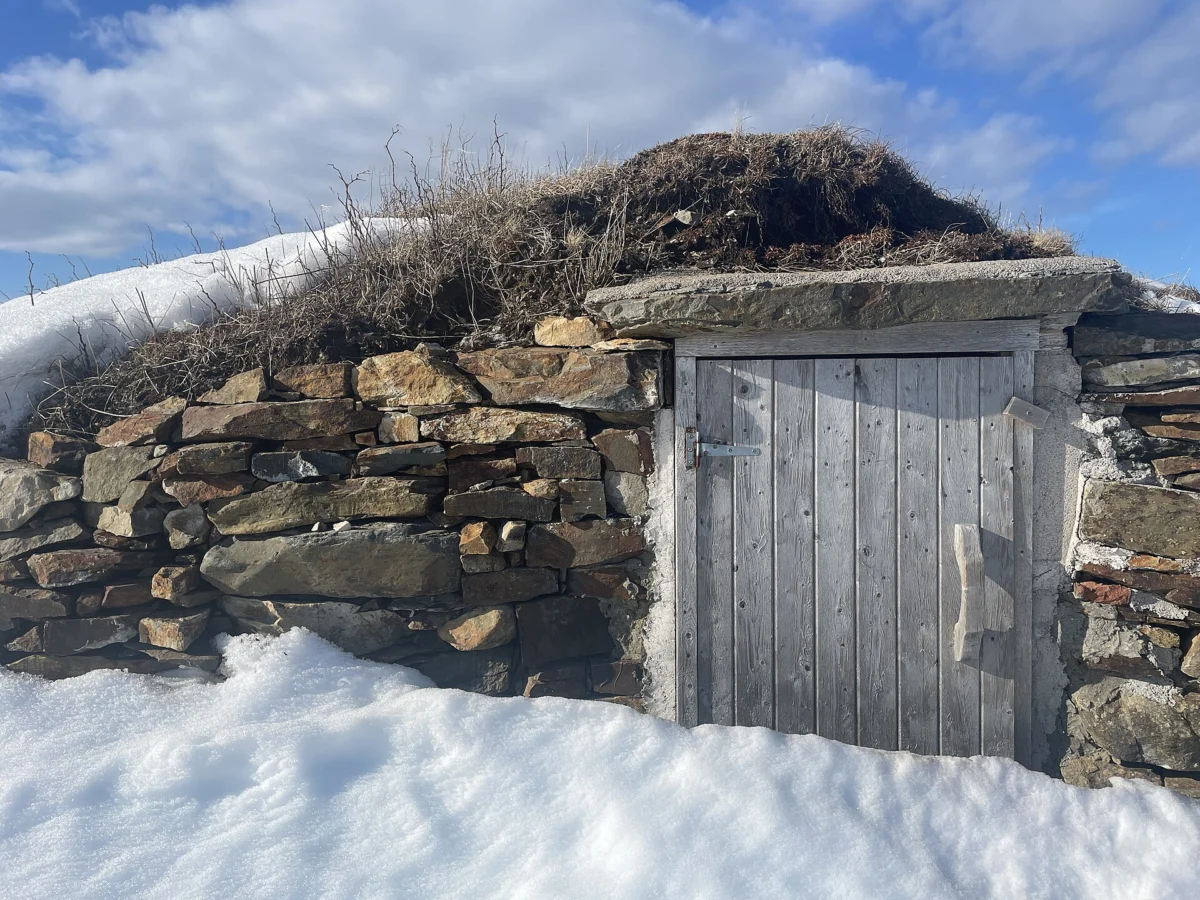
A root cellar is any space that stays naturally cold and humid in winter, using the earth’s stable temperature. Traditional root cellars are rooms dug into a hillside or below ground, with insulated doors and two vents, a low intake and a high exhaust, to let cold air in and warm, ethylene-laden air out. The Michigan State University root cellar handout illustrates a basement root cellar design. Practical home options include:
- A basement root cellar: wall off a corner on the north or east side with an outside window for ventilation, insulate the interior walls and ceiling (not the outer foundation walls), and keep a dirt or gravel floor that can be dampened for humidity.
- Unheated garage, porch or shed: suitable where temperatures stay above freezing, with crops in insulated coolers or boxes.
- Buried containers: a clean trash can or barrel buried at an angle with the lid at ground level, covered with straw and a tarp, keeps root crops cold and moist.
- Garden clamps: piles of root crops on straw, covered with more straw and soil, are a traditional method in colder climates.
- A second refrigerator: cold and, with crops in perforated plastic bags, humid enough for root crops, cabbage and apples (kept separately).
A thermometer and a humidity meter (hygrometer) help you monitor conditions. Keep root cellars dark to prevent sprouting and greening.
Safety note: Green patches on potatoes contain solanine; cut them away generously or discard very green potatoes. Discard moldy, slimy or foul-smelling produce. Underground root cellars and buried bins must be structurally sound, ventilated and protected from flooding; never enter an enclosed cellar where fuel-burning equipment or fermenting produce might build up gases without ventilation. Keep stored produce away from rodents, and wash all produce before eating.
How do you store root crops like carrots and beets?
Carrots, beets, parsnips, turnips, rutabagas, celeriac and winter radishes all need cold, very moist conditions to avoid shriveling. Pack them in layers in boxes, buckets or bins filled with slightly damp sand, sawdust, peat moss or wood shavings, so the roots do not touch each other, and keep the container in a root cellar or another spot at 32°F to 40°F. Alternatively, store them in perforated plastic bags in a refrigerator crisper. Check monthly and remove any that soften or rot. Rutabagas are sometimes dipped in wax to retain moisture. See our guides to carrots, beets, parsnips and turnips for growing tips.
How do you store potatoes?
Cure potatoes first, then store them in complete darkness at 40°F to 45°F with high humidity, in ventilated bins, burlap or paper bags, or slatted crates. Light turns potatoes green, which indicates solanine, a bitter natural toxin; cut away green parts or discard heavily green potatoes. Temperatures below 40°F convert starch to sugar, giving potatoes a sweet taste and causing them to darken when fried. Above 50°F, potatoes sprout sooner. Keep potatoes away from apples and onions. See our guide to growing potatoes.
How do you store onions and garlic?
Once cured, store onions and garlic in mesh bags, braids, slatted crates or old nylon stockings with knots between bulbs, in a cool, dry, airy place, ideally 32°F to 50°F and 60 to 70 percent humidity. Do not store them in humid root cellars or near potatoes, since moisture causes rot and sprouting. Pungent storage onions keep longer than sweet onions, which are best used within a few weeks. Softneck garlic stores longer than hardneck. Check for soft or sprouting bulbs every few weeks and use them first. See our guides to onions and garlic.
How do you store winter squash and pumpkins?
Harvest winter squash and pumpkins when the rind is hard and cannot be dented with a fingernail, before a hard frost, leaving 2 to 3 inches of stem attached. Cure them (except acorn types), then store them in a single layer, not touching, in a dry place at 50°F to 55°F, such as a cool spare room or closet. Do not store them in damp basements or root cellars. Acorn and delicata squash keep one to three months, butternut and hubbard four to six months or more. Check regularly and use any with soft spots right away. Squash that cannot be stored can be cooked and frozen; see how to freeze vegetables.
How do you store apples?
Late-ripening apple varieties such as ‘Fuji’, ‘Granny Smith’, ‘Northern Spy’, ‘Arkansas Black’ and ‘GoldRush’ store best. Pick them at maturity, sort out any bruised fruit, and store them at 32°F to 40°F with high humidity, in perforated plastic bags in the refrigerator or in boxes in a cold, humid room, well away from vegetables. Wrapping fruits individually in paper limits the spread of rot. For detailed advice, see how to store apples.
Common storage problems
| Problem | Likely cause | Fix |
|---|---|---|
| Shriveled roots | Too dry | Pack in damp sand or perforated bags; raise humidity |
| Rotting or moldy vegetables | Damaged produce, too warm or too humid for the crop, poor airflow | Sort carefully; separate crops by needs; ventilate |
| Sprouting potatoes or onions | Too warm, light, or near apples | Cooler, darker storage; separate from fruit |
| Bitter carrots | Ethylene from stored apples or pears | Store fruit separately |
| Sweet-tasting potatoes | Stored below 40°F | Keep at 40°F to 45°F; warm for a week before use to reduce sweetness |
| Frozen or water-soaked crops | Temperatures below freezing | Insulate; add a thermometer; move crops in cold snaps |
| Rodent damage | Unprotected storage | Use metal bins or hardware cloth |
The University of Missouri Extension publication on storing fruits and vegetables covers home storage structures and conditions in more detail.
Combining storage with other preservation
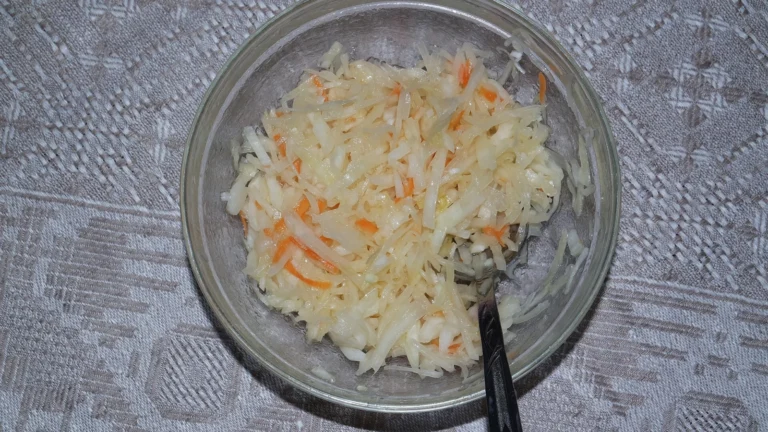
Storage is the simplest preservation method: no jars, no freezer space and no energy beyond what keeps a cellar cold. Many gardeners store root crops, potatoes, onions and squash fresh, then freeze, can, dry or ferment the crops that do not keep well, such as beans, corn, tomatoes, berries and greens. Cabbage can be stored whole for a few months or turned into sauerkraut. Plan your garden around how you will store each crop, and grow enough storage varieties to last until the next harvest.
Common mistakes when storing vegetables
- Storing everything together regardless of temperature and humidity needs.
- Storing apples with vegetables.
- Washing potatoes, onions or squash before storage.
- Skipping curing for potatoes, onions, sweet potatoes and squash.
- Storing bruised or damaged produce.
- Refrigerating sweet potatoes and winter squash, which causes chilling injury.
- Never checking stored crops, letting one rotten item spoil the rest.
See the full food preserving library for canning, freezing, drying, fermenting and cold storage.
Free printable: the Year-Round Garden & Preserving Planner
Planting dates for 24 crops, monthly tasks, blanching times, canning safety numbers and a winter storage chart in one 8-page PDF. Enter your email to download it instantly and get our seasonal garden newsletter.
No spam. Unsubscribe any time. We never sell your email.
Storing vegetables FAQ
How long do carrots last in a root cellar?
Four to six months in damp sand at 32°F to 40°F.
Can I store potatoes and onions together?
No; onions give off moisture and gases that make potatoes sprout and rot.
Do I need a root cellar to store vegetables?
No; a cold basement corner, garage, buried bin or spare refrigerator can work.
Why are my stored carrots bitter?
Ethylene from nearby apples or pears.
How long does winter squash last?
From one month for acorn types to six months or more for butternut and hubbard.
Should I wash vegetables before storing?
Not potatoes, onions or squash; brush off soil instead.
References used in this guide: University of Alaska Fairbanks Cooperative Extension, Storing Vegetables; Michigan State University, Root Cellar Handout; University of Missouri Extension, Storing Fruits and Vegetables.