Quick answer: Properly composted, uncontaminated horse manure can improve garden soil by adding organic matter and some plant nutrients. Fresh horse manure should not be added casually to vegetable beds, particularly near edible parts, because of pathogens, weed seeds and possible persistent herbicide residues. Before using manure from an unfamiliar stable, ask what hay and pasture herbicides were used, how the pile was managed, and whether it has fully composted and cured.
Horse manure is often advertised as “free fertilizer.” It can be a useful resource, but the word free can obscure costs: collecting it, transporting bedding, building and turning compost piles, and checking the safety of its source. The right question is not just whether manure contains nitrogen; it is what that specific batch will do to your soil and how much risk you’re accepting.
What nutrients and soil benefits does horse manure provide?
Horse manure contains organic material from digested forage, small amounts of nutrients and usually material from stable bedding. Over time, decomposers convert this material into a humus-like amendment. Incorporated at appropriate amounts, mature compost can help soil structure, water infiltration and soil biological activity. But nutrient concentration varies tremendously by bedding, feed, moisture, age and storage. A pile rich in straw is different from a relatively clean manure pile.
University of Minnesota Extension’s horse-manure guide explains composting ingredients, moisture, aeration and the need for curing. Do not assume a wheelbarrow of manure is equivalent to a bag of commercial fertilizer; if fertility decisions matter, request a manure or compost analysis and test your garden soil.
Fresh versus aged versus composted manure
| Material | What it means | Vegetable garden decision |
|---|---|---|
| Fresh manure | Recently collected droppings, often with urine and bedding | Avoid direct contact with edible crops; compost first and follow local food-safety guidance |
| Aged manure | Left in a heap for some time | Age alone does not prove adequate heating or pathogen reduction |
| Actively managed compost | Mixed organic matter maintained with appropriate air and moisture | Can break down bedding and reduce weed seeds under suitable conditions |
| Finished, cured compost | Stabilized after active breakdown, usually earthy and relatively cool | More appropriate for soil use, assuming clean feedstock and appropriate processing |
The biggest mistake is treating a dark pile as automatically safe. A mature appearance does not establish that it underwent sufficient time and temperature for a specific pathogen-reduction standard. Nor does hot composting always destroy persistent herbicides. If the source is unknown, err on the side of caution for vegetable beds.
Horse manure with straw or shavings: what changes?
Horse stables often collect manure alongside straw, sawdust or wood shavings. Bedding can add bulky carbon-rich material that is helpful for compost structure, but large quantities of fresh woody bedding may break down slowly. A pile of straw plus manure may need mixing to avoid soggy clumps; a pile with much sawdust may need adequate nitrogen and moisture to decompose efficiently.

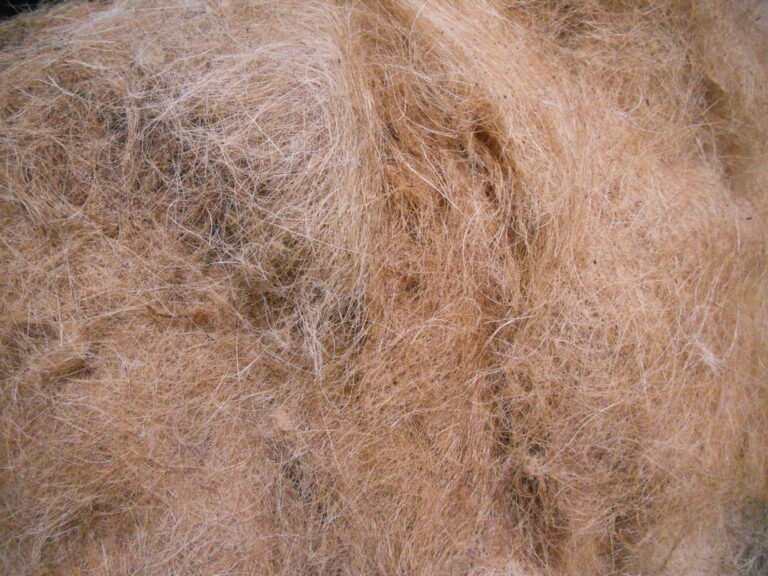
The image in this section shows horse manure mixed with fibrous hay-like material. It is not a finished compost product. Materials vary from stable to stable, so ask what bedding was used and whether treated wood or unsuitable waste entered the pile. Never assume a stall-cleaning pile is uniform.
The overlooked danger: persistent herbicides in hay or pasture
Some pasture and forage herbicides survive the passage through an animal and can persist in manure or compost. Broadleaf vegetables such as tomatoes, beans and peas may show twisted, narrow or cupped new leaves after contamination. University of Minnesota Extension warns against using manure or urine from animals fed certain treated forages on sensitive crops. Oregon State University Extension discusses aminopyralid, clopyralid and related persistent herbicides in compost.
Before collecting a large quantity, ask the stable owner where hay and bedding originate, whether pasture or hay fields received persistent broadleaf herbicides, and whether the label restricts manure use. An unknown answer is not proof of safety. If a manure source is suspect, do not spread it in the vegetable garden. A small plant-growth bioassay may help detect some contaminants, but test methods and interpretation should follow Extension guidance.
Pathogens and food safety: why “natural” isn’t enough
Raw manure can contain human pathogens. Leafy greens, root crops and vegetables eaten raw are particular concerns because edible parts can contact soil or splash. Use a verified composting process and follow local food-safety recommendations. For organic production in the United States, separate rules govern raw manure timing, and they should not be confused with a universal guarantee that any untreated pile becomes safe after a fixed number of days.
Wash hands and tools after handling manure, keep children and pets away from active piles, and prevent runoff toward wells or surface water. Don’t apply manure immediately before picking salad greens. When contamination history is unclear, commercially tested compost from a trusted source is a safer alternative.
How to compost horse manure before adding it to beds
Use an accessible composting site with runoff control. Mix manure and bedding so wet pockets have enough aeration. Aim for moisture comparable to a wrung-out sponge rather than dripping slurry. Turn material as required by your composting method, and monitor temperature with a compost thermometer if you are aiming for a controlled hot-compost process.
See the technique: This farm demonstration shows actual manure piles at different ages. It is a visual example; use the Extension safety precautions in this article rather than treating the video as certification that a pile is free of pathogens or herbicides.
Video: How To Use HORSE MANURE For Raised Garden Beds! Manure Compost For The Garden · Hickorycroft Farm.
The Minnesota Extension resource describes active composting followed by a curing stage. Do not keep adding fresh manure to a batch you intend to finish: separate fresh inputs from the curing area. Finished material should be stable and earthy, but appearance alone is not a microbiological certification.
Where horse-manure compost fits best
Ornamental beds: Well-managed, clean compost can improve soil structure in established borders when used at appropriate rates. Annual vegetable beds: Use conservative amounts, avoid leaf contact and check food-safety guidance and source quality. Fruit trees: Spread suitable mature compost across an appropriate soil area, never piled against trunks. Seed trays: Do not substitute untested stable compost for a clean seed-starting mix; soluble salts and pathogens are concerns.
Apply based on a soil test rather than the belief that more organic material is always better. Compost can add phosphorus, salts and other elements as well as carbon. Excessive repeated applications may create nutrient imbalances. See GardenVoila’s home composting guide for managing a batch and the outdoor compost-bin comparison for choosing a suitable system.
Horse manure versus mushroom compost
Spent mushroom substrate is a processed material left after mushroom cultivation. It may already contain horse manure as one ingredient, but it also contains other ingredients and can have substantial soluble salts. It is not automatically safer or better simply because it is packaged. Our mushroom compost guide explains the important differences between fresh and weathered substrate.
Common questions
Is horse manure good for tomatoes?
Well-managed, uncontaminated compost can improve the soil, but tomatoes are particularly sensitive to some persistent forage herbicides. Source verification matters more than claims of extra nitrogen.
How old should horse manure be before using it?
Age alone is not an adequate standard. Use a monitored composting and curing process and follow relevant food-safety guidance, especially for vegetables.
Can I put horse manure straight into a raised bed?
Do not fill an edible raised bed with fresh manure. Compost and verify the source first, then amend soil according to its actual needs.
Will manure compost kill all weed seeds?
Properly managed heat can reduce many weed seeds, but cool pockets or incomplete turning may leave viable seeds behind.
Research sources
- University of Minnesota Extension: Managing and composting horse manure
- University of Minnesota Extension: Herbicides in forage and manure
- Oregon State University Extension: Persistent herbicides in compost
Featured photo: Jamain · Wikimedia Commons · CC BY-SA 3.0. Resized for web.
Free printable: the Year-Round Garden & Preserving Planner
Planting dates for 24 crops, monthly tasks, blanching times, canning safety numbers and a winter storage chart in one 8-page PDF. Enter your email to download it instantly and get our seasonal garden newsletter.
No spam. Unsubscribe any time. We never sell your email.