Quick answer: Mushroom compost can improve garden soil structure, but “mushroom compost” usually means spent mushroom substrate left after commercial mushroom production, not compost made from mushrooms. Its ingredients may include straw, manure, agricultural by-products and a casing layer. Fresh spent substrate can contain substantial soluble salts; weathered material is generally a safer choice for sensitive plants. Check the product’s source, pH and salt analysis before applying large quantities.
Many gardeners see a bag labeled “mushroom compost” and assume it is simply an especially rich, universal fertilizer. That is misleading. The product is a manufactured growing medium with a history: it was mixed to grow mushrooms, used for a crop, and then removed. The leftover material can be useful, but it has different chemical properties from ordinary finished backyard compost.
What is mushroom compost, and how is it made?
Commercial growers prepare mushroom substrate from ingredients that may include straw with horse manure, hay, poultry manure, corncobs, cottonseed materials and gypsum. Mushroom growers also use a casing layer, sometimes containing limestone, to help fruiting. After a growing cycle, the material is known as spent mushroom substrate, also called spent mushroom compost or mushroom soil.
Penn State Extension’s guide to spent mushroom substrate explains that spent substrate can still contain nutrients and organic matter even though it is no longer economical for mushroom production. Growers often pasteurize material before removal, yet the chemistry varies from batch to batch.
What spent mushroom substrate actually looks like
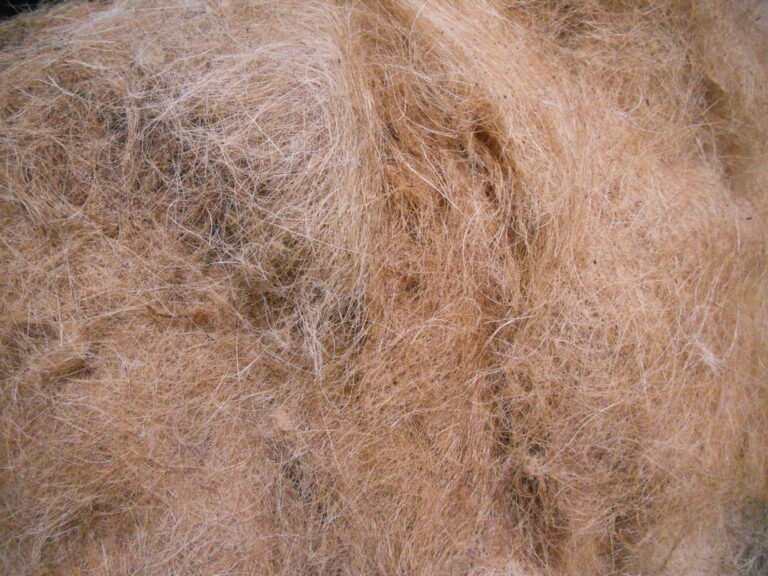
Spent substrate can be fibrous, dark brown and soil-like, but the appearance is not a nutrient or salt test. It may be sold freshly removed, weathered outdoors or mixed with other soil products. The photographs here show mushroom compost material as a landscape amendment, not mushrooms growing in bags of spawn.
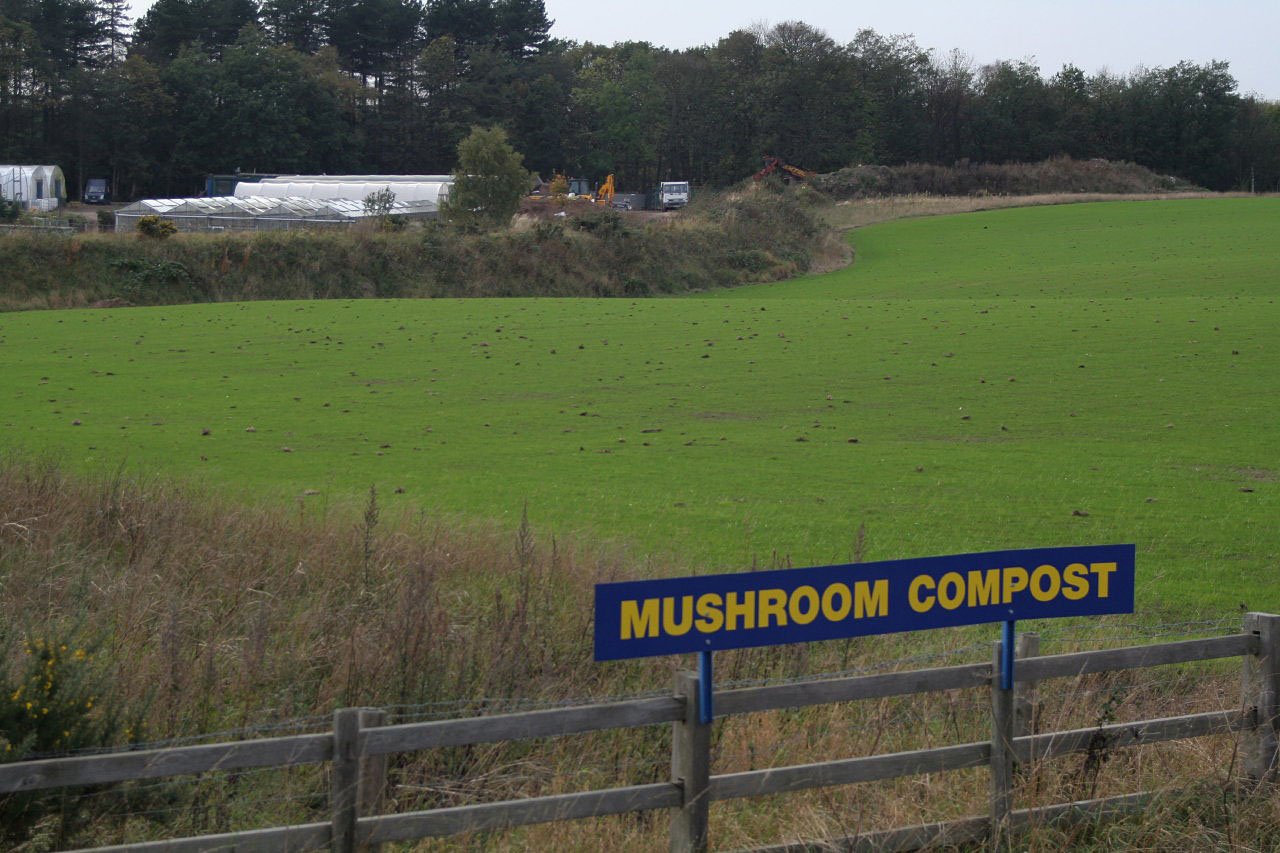
Ask the seller how old the material is, whether it was weathered, whether it contains added fertilizers or soil, and whether an analysis is available. A purchased “garden soil” blend with some mushroom compost is different from a truckload of almost pure fresh substrate.
Fresh versus weathered mushroom compost
| Material | Common property | Practical caution |
|---|---|---|
| Fresh spent substrate | High organic matter; may contain elevated soluble salts | Avoid heavy use around sensitive seeds and transplants without analysis |
| Weathered substrate | Exposed to rain and further decomposition | Usually more suitable for garden amendment, but still variable |
| Purchased blended mushroom soil | Spent substrate diluted with topsoil, compost or other ingredients | Ask for product composition and test results |
| Ordinary home compost | Made from kitchen and garden materials | Quality and maturity depend on management, feedstock and testing |
Penn State Extension advises that spent substrate weathered for six months or longer can generally be used with more plants, while some fresh material is too salty for salt-sensitive garden vegetables. That is a guidance point, not a universal promise that every six-month-old stockpile is chemically identical.
Why soluble salts matter to vegetables and seedlings
Dissolved salts can make it harder for plants to take up water and may injure roots, even if the soil looks wet. Salt-sensitive seedlings and container crops are especially vulnerable. A product with high electrical conductivity (EC) is not automatically unusable; its effects depend on dilution in soil, the existing soil EC, crop tolerance and irrigation.
Penn State’s testing discussion describes how laboratories measure soluble salts by electrical conductivity and warns that results differ by extraction method. Ask for an appropriately interpreted laboratory analysis if you intend to use a substantial amount.
Do not spread fresh, highly saline material as the sole medium around germinating lettuce or small seedlings. Compost products may also contribute phosphorus or calcium, which you may not need if the soil test already indicates high amounts.
Is mushroom compost acidic or alkaline?
The pH of spent substrate is not constant. It depends on the ingredients and mushroom-growing process, including any casing materials. Many products tend toward neutral or somewhat alkaline conditions; this is why blanket advice to use mushroom compost around blueberries or other strongly acid-preferring crops is risky.
A blueberry bed often needs pH around 4–5.5 depending on region and cultivar. A product that raises pH could cause nutrient-uptake problems. If you’re maintaining an acidic root zone, choose an amendment appropriate to that crop and test first. Our blueberry companion and soil guide explains this constraint in more detail.
Which garden plants benefit most?
Garden soils that are low in organic matter may benefit from a modest application of mature, analyzed mushroom compost. It can improve aggregation and moisture management in appropriate soils. Decorative beds, established landscapes and vegetable soils may all be candidates, but application rates should reflect the existing soil and product composition.
It is not a direct substitute for balanced fertilizer, and more isn’t necessarily better. Avoid treating fresh material as a pure planting medium in seed trays. For large areas, request a soil test, obtain the producer’s analysis, and consider the cumulative effect of repeated amendments.
How to use mushroom compost without overdoing it
Step 1: Identify the product. Confirm that it is spent substrate and ask whether it is fresh, weathered or blended. Step 2: Test when uncertain. A supplier’s analysis and a garden soil test can help determine safe quantities. Step 3: Use a modest layer. Mix with existing soil according to the product and soil-test recommendations rather than using it undiluted around roots. Step 4: Irrigate appropriately. Drainage should be adequate; excess water is not a universal solution for salty or poor-quality products. Step 5: Monitor. Watch for wilting, leaf scorch or poor seed germination and reconsider the amendment if symptoms appear.
See the technique: This visit to a soil supplier shows mushroom compost among several recycled amendments. For salt and pH decisions, rely on the Penn State research summarized below rather than treating any supplier claim as a guarantee.
Video: Is Mushroom Compost & other Recycled Materials OK for a Vegetable Garden ? · Learn Organic Gardening at GrowingYourGreens.
The linked video shows commercial compost products, but it is not a test of the particular bag or truckload you’re buying. For a smaller system built from food scraps, see GardenVoila’s home-composting guide and outdoor bin comparison.
Mushroom compost versus horse manure versus homemade compost
Horse manure is a raw animal by-product that commonly needs managed composting and verification of herbicide-contamination risks. Spent mushroom substrate is a processed growing medium that can itself contain manure, straw and mineral additions. Homemade compost usually includes food and yard waste, with properties that vary by mix and how it was handled.
None of these is automatically superior in every garden. Their most important distinctions are feedstock, processing, salts, nutrient analysis and suitability for the crop. See our horse-manure garden guide for pathogen and persistent-herbicide cautions.
Free printable: the Year-Round Garden & Preserving Planner
Planting dates for 24 crops, monthly tasks, blanching times, canning safety numbers and a winter storage chart in one 8-page PDF. Enter your email to download it instantly and get our seasonal garden newsletter.
No spam. Unsubscribe any time. We never sell your email.
Frequently asked questions
Can you grow vegetables directly in mushroom compost?
Using it as an undiluted growing medium can cause salt or nutrient problems. Follow a product and soil test and blend conservatively where suitable.
Is mushroom compost good for tomatoes?
Weathered, appropriately tested substrate may improve soil structure, but tomatoes can be sensitive to excess salts and some contaminated inputs. Quantity and source matter.
Does mushroom compost contain mushrooms?
It is generally the leftover medium from a previous mushroom crop. It is not a packet of mushroom spawn, and it does not reliably produce an edible mushroom crop in your garden.
Can I use mushroom compost for blueberries?
Be cautious: pH and salts may conflict with blueberries’ acidic soil needs. Check both the substrate and planting-bed tests.
Research sources
- Penn State Extension: Spent mushroom substrate
- Penn State Extension: Spent substrate and soluble salts
- Oregon State University Extension: Contaminated soil amendments
Featured photo: peganum · Wikimedia Commons · CC BY-SA 2.0. Resized for web.