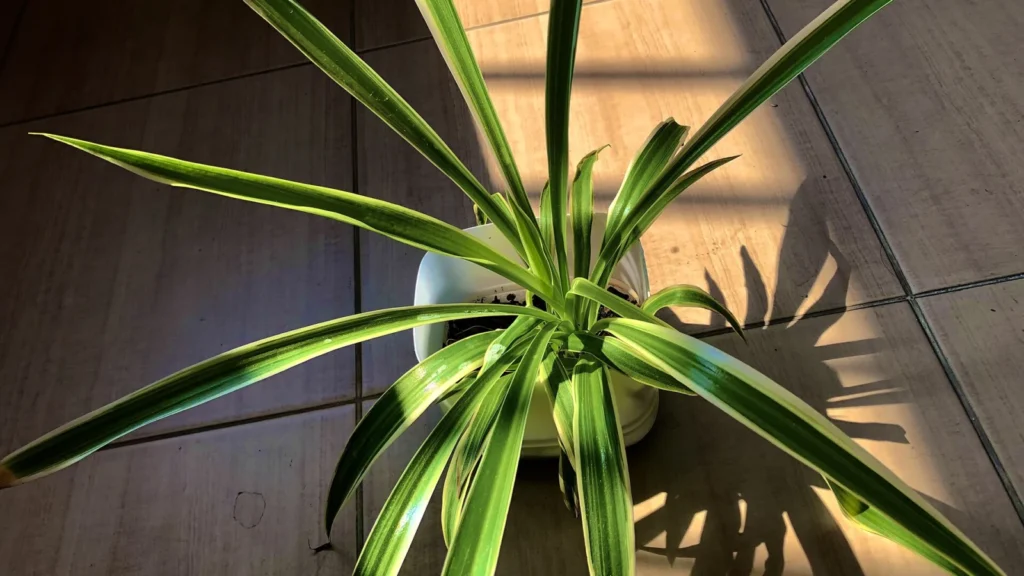
Spider plant (Chlorophytum comosum) is one of the easiest houseplants to grow. Give it bright, indirect light, water when the top inch of soil is dry (about once a week in summer, less in winter), and plant it in a general-purpose potting mix in a pot with drainage holes. It is comfortable at 60°F to 80°F, appreciates average to moderate humidity, and needs only light feeding every month or two in spring and summer. Mature, slightly pot-bound plants send out long stems carrying baby plantlets, or “spiderettes,” which root easily to make new plants. Brown leaf tips, the most common complaint, are usually caused by fluoride or salts in tap water, dry air or irregular watering. Spider plants are non-toxic to cats and dogs.
Spider plant care at a glance
| Need | What spider plants like |
|---|---|
| Botanical name | Chlorophytum comosum |
| Light | Bright indirect light; tolerates medium light |
| Water | When the top inch is dry; about weekly in summer |
| Soil | General-purpose potting mix with good drainage |
| Temperature | 60°F to 80°F; keep above 50°F |
| Humidity | Average to moderate |
| Fertilizer | Half-strength balanced fertilizer every 4 to 8 weeks, spring and summer |
| Size | 12 to 24 inches tall and wide, plus trailing plantlets |
| Hardiness outdoors | USDA zones 9 to 11 |
| Pet safety | Non-toxic to cats and dogs |
What is a spider plant?
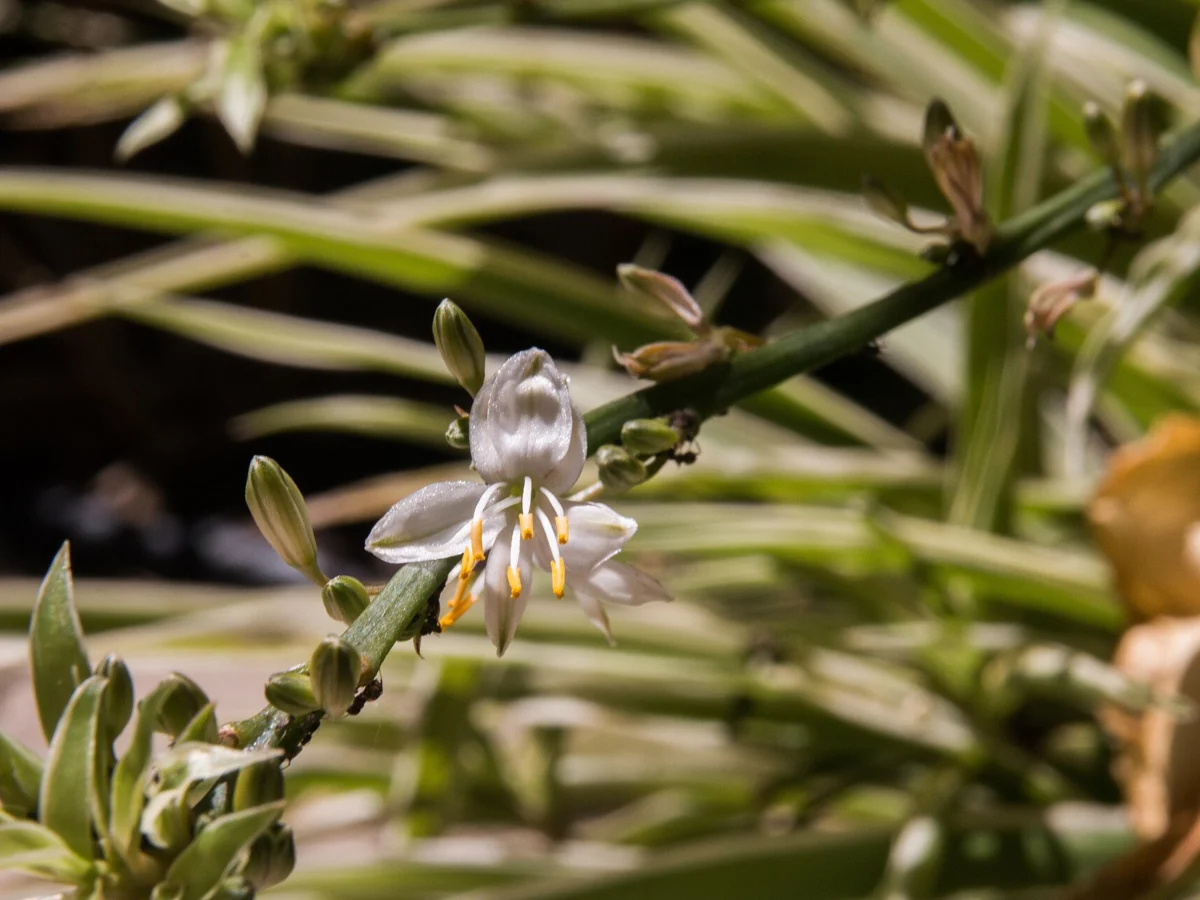
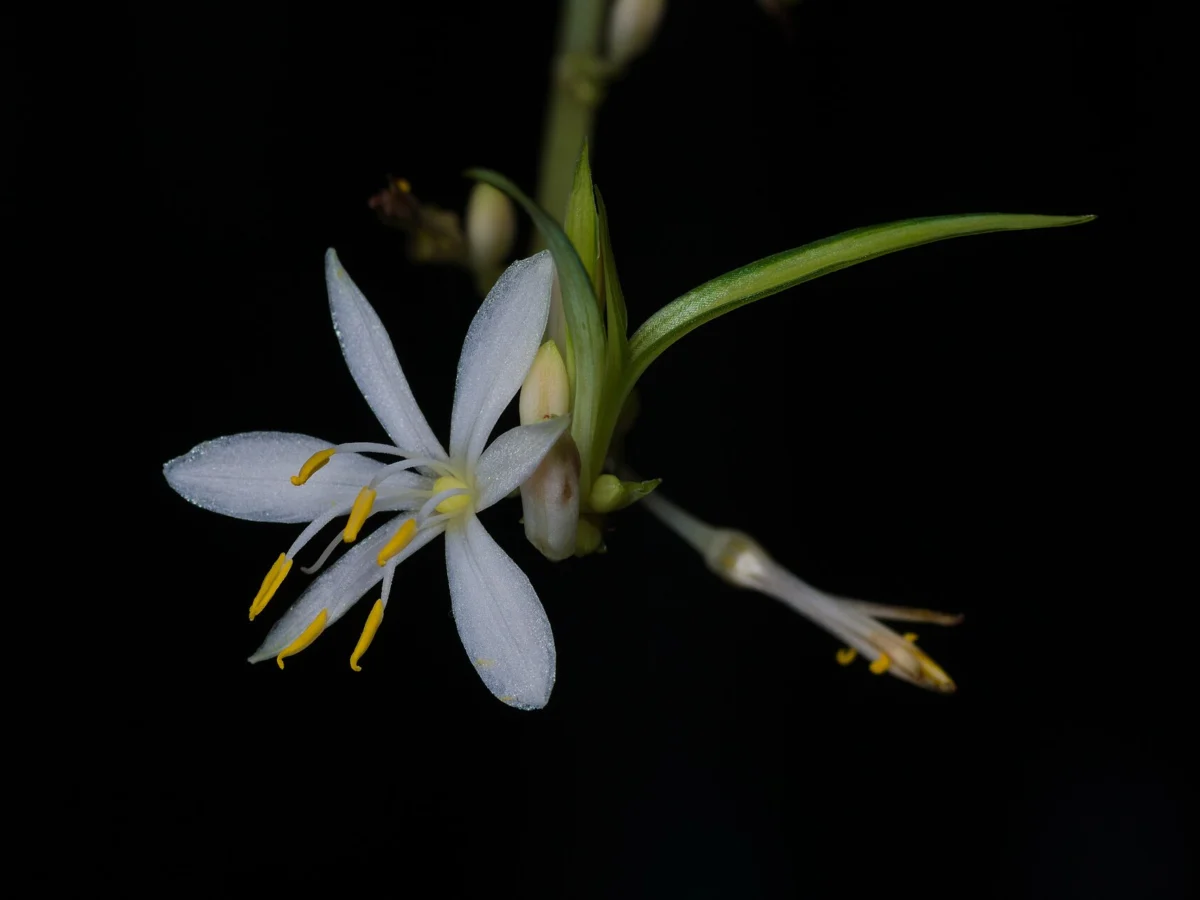
Spider plants are clump-forming evergreen perennials native to tropical and southern Africa, where they grow on forest edges and grasslands. They form rosettes of long, arching, grass-like leaves, often striped with white or cream, from thick, tuberous roots that store water. That water storage is why spider plants forgive missed waterings. Mature plants send out long, wiry stems called stolons, which carry tiny white flowers followed by baby plants, giving the plant its spidery look. The University of Wisconsin–Madison Extension article on spider plants notes that they have been popular houseplants for more than 200 years because they are so easy to grow and propagate.
How much light does a spider plant need?
Spider plants grow best in bright, indirect light, such as near an east or north window or a few feet back from a south or west window. They tolerate medium light, but in dim spots they grow slowly, variegated leaves lose some striping, and plants rarely produce plantlets. Direct hot sun scorches the leaves, causing pale, bleached patches and brown tips. If your plant has pale, washed-out leaves, it may be getting too much sun; if it has dark green, floppy leaves and no babies, it likely needs more light.
How often should you water a spider plant?
Water when the top inch of soil feels dry, which is usually about once a week in spring and summer, and every 10 to 14 days in fall and winter. Water thoroughly until it drains from the bottom, then empty the saucer. Spider plants like evenly moist but not soggy soil during the growing season. Their fleshy roots store water, so they recover from occasional dryness, but repeated drought causes brown tips and pale leaves. Constantly soggy soil causes root rot, with yellowing, limp leaves and a mushy base.
Spider plants are sensitive to fluoride, chlorine and salts in tap water, which accumulate in leaf tips and turn them brown. If tips keep browning, water with rainwater or distilled water, or let tap water stand overnight, and flush the pot every few months with plenty of water. See overwatering vs underwatering for more help with watering problems.
What is the best soil and pot for a spider plant?
Any good-quality, well-draining indoor potting mix works. Adding a little perlite helps drainage. Avoid garden soil and very heavy mixes. Use a pot with drainage holes. Because spider plants form thick roots that can fill a pot quickly, plastic pots sometimes bulge or crack; terracotta or sturdy plastic both work. Hanging baskets and high shelves are the classic way to display spider plants, letting the plantlets cascade over the edge.
What temperature and humidity does a spider plant need?
Spider plants are comfortable at normal room temperatures between 60°F and 80°F, and tolerate brief drops to about 45°F to 50°F, but frost kills the leaves. Keep them away from cold drafts, heaters and air conditioning vents. Average household humidity is fine, though very dry winter air contributes to brown leaf tips; grouping plants, using a humidifier or placing the pot on a pebble tray helps. Bright bathrooms and kitchens suit them well.
How should you fertilize a spider plant?
Feed every four to eight weeks in spring and summer with a balanced liquid houseplant fertilizer diluted to half strength. Do not feed in fall or winter. Spider plants are sensitive to fertilizer salts, and overfeeding causes brown leaf tips and may reduce plantlet production. If white crust appears on the soil, flush the pot with water.
How do you propagate spider plant babies?
Spider plant plantlets, or spiderettes, are easy to root. They are ready when they have small root nubs at their base and are a few inches wide.
- Root while attached: set a small pot of moist potting mix next to the mother plant, pin a plantlet onto the soil surface with a bent paper clip or hairpin, and keep it moist. Once it roots and starts growing, in two to three weeks, cut the connecting stem.
- Root in water: cut the plantlet off, place its base in a small glass of water so only the root nubs are submerged, and pot it up when roots are 1 to 2 inches long.
- Plant directly in soil: cut the plantlet off and press its base into moist potting mix, keeping it evenly moist and in bright, indirect light until it roots.
Spider plants can also be divided when repotting by pulling or cutting apart the clump into sections, each with leaves and roots.
Why is my spider plant not producing babies?
Spider plants produce plantlets once they are mature and slightly pot-bound, usually in response to the shorter days of fall and winter. If yours is not producing babies:
- It may be too young. Plants usually need to be at least a year old.
- It may need more light. Move it to brighter indirect light.
- The pot may be too big. Plants in roomy pots focus on root growth; a snug pot encourages runners.
- It may get artificial light at night. Constant lamplight can interfere with the day-length signal that triggers flowering and plantlets.
- It may be overfed. Too much fertilizer encourages leaves rather than runners.
Pet safety: Spider plants are listed as non-toxic to cats and dogs by the ASPCA, but eating large amounts can still cause vomiting or diarrhea, and pets can knock over or pull down hanging baskets. Hang baskets from secure ceiling hooks rated for the weight of a watered pot, and keep fertilizers and other plant products out of reach.
How and when do you repot a spider plant?
Repot every one to two years in spring, or when thick white roots push the plant up out of the pot, grow out of the drainage holes, or bulge a plastic container. Water the day before, ease the plant out, and trim any dead or mushy roots. Plant it in a pot only 1 to 2 inches wider with fresh mix, at the same depth as before, and water thoroughly. If the plant has become very large, divide it into two or three smaller clumps instead of moving it to a much bigger pot. Remember that a slightly snug pot encourages plantlets.
What are the most common spider plant problems?
| Problem | Likely cause | What to do |
|---|---|---|
| Brown leaf tips | Fluoride or salts in tap water, dry air, irregular watering, overfeeding | Use rainwater or distilled water; flush soil; water consistently; trim tips |
| Pale, washed-out leaves | Too much direct sun | Move to bright, indirect light |
| Loss of variegation, no babies | Too little light | Brighter indirect light |
| Yellow, limp leaves | Overwatering, poor drainage | Let topsoil dry; check roots for rot |
| Leaves bending or creased | Underwatering or leaves too heavy | Water consistently; trim damaged leaves |
| Black or mushy base | Root rot | See root rot |
| Fine webbing, stippled leaves | Spider mites | See spider mites |
| Sticky leaves, small insects | Aphids, scale or whiteflies | See aphids and whiteflies |
| Tiny flies around the soil | Fungus gnats | See fungus gnats |
Brown tips will not turn green again. Trim them off at an angle with clean scissors, following the natural leaf shape, and fix the underlying cause so new growth stays green.
Which spider plant varieties can you grow?
- ‘Vittatum’: green leaves with a broad white central stripe; the most common variety.
- ‘Variegatum’: green center with white or cream edges.
- ‘Bonnie’: curly, twisted variegated leaves; compact and attractive in hanging baskets.
- ‘Ocean’: compact with green leaves and white margins; produces fewer runners.
- Plain green spider plant: the original species form, very vigorous and tolerant of lower light.
- ‘Hawaiian’ or ‘Golden Glow’: leaves with golden-green tones.
The North Carolina State Extension plant toolbox entry for Chlorophytum comosum lists cultivars and notes that spider plants can also be grown outdoors as groundcover or edging in frost-free areas.
Are spider plants safe for cats and dogs?
Spider plants are listed as non-toxic to cats, dogs and horses by the ASPCA, which makes them one of the best choices for pet owners. Cats are often attracted to the dangling leaves and plantlets, and eating large amounts can cause mild stomach upset, so hanging the plant out of reach protects both the plant and the pet. See our guide to whether spider plants are toxic to cats for more details.
Can spider plants grow outdoors?
In USDA zones 9 to 11, spider plants grow outdoors year-round as groundcovers, edging plants and in containers, in shade or part shade with moist, well-drained soil. In colder climates, they are popular in summer hanging baskets and window boxes, combined with flowering annuals. Move them outside once nights stay above 55°F, keep them out of hot afternoon sun, and bring them back inside before temperatures drop below 50°F, checking for pests before they come in.
Common spider plant care mistakes
- Using softened or heavily chlorinated tap water, which browns leaf tips.
- Placing it in direct afternoon sun, which scorches leaves.
- Overpotting, which delays plantlet production.
- Overfeeding, which causes brown tips and leafy growth with no babies.
- Letting it sit in a waterlogged saucer.
- Cutting off plantlets too early, before root nubs form.
A seasonal spider plant care routine
- Spring: repot or divide crowded plants, begin light feeding, and trim brown tips.
- Summer: water about weekly, move plants outdoors into shade if desired, and root plantlets.
- Fall: stop feeding, bring plants inside, and watch for new runners as days shorten.
- Winter: water less often, keep away from cold windows and heaters, and raise humidity if tips brown.
For more easy-care houseplants, see our guides to pothos care, snake plant care and peace lily care, and for problems, browse the plant pests and diseases library.
Free printable: the Year-Round Garden & Preserving Planner
Planting dates for 24 crops, monthly tasks, blanching times, canning safety numbers and a winter storage chart in one 8-page PDF. Enter your email to download it instantly and get our seasonal garden newsletter.
No spam. Unsubscribe any time. We never sell your email.
Spider plant FAQ
Why are my spider plant tips turning brown?
Most often fluoride or salts in tap water, dry air, irregular watering or too much fertilizer.
How often should I water a spider plant?
When the top inch of soil is dry, about once a week in summer and every 10 to 14 days in winter.
Do spider plants need sunlight?
They need bright, indirect light; direct hot sun scorches them.
Should I cut off spider plant babies?
You can leave them for a full look or cut and root them once they have root nubs.
How long do spider plants live?
With repotting and division, they can live for decades.
Are spider plants safe for pets?
Yes, they are non-toxic, though eating a lot can cause mild stomach upset.
References used in this guide: University of Wisconsin–Madison Extension, Spider Plant, Chlorophytum comosum; NC State Extension, Chlorophytum comosum; ASPCA, Toxic and Non-Toxic Plants.
Care details from University of Wisconsin Extension
University of Wisconsin Extension says spider plants are very easy to grow indoors in medium to bright light all year. Outdoors they need bright light but can sunburn in full sun. They store water in thick, fleshy roots and rhizomes, so they tolerate uneven watering; let the soil dry slightly between thorough waterings, because overwatering or poor drainage can cause root rot.
Brown tips
The article lists these causes of brown leaf tips: low humidity, excessively dry soil, salts or chemicals in tap water (particularly fluoride or chlorine), and heavy fertilizing. Using distilled water or rainwater helps prevent tip browning. Cool to average temperatures suit the plant, which also tolerates warmer conditions.
Plantlets and repotting
Plantlets can root in their own pots while still attached to the mother plant. Set one on soilless potting mix, pin it with a bent paper clip or wire, and cut the connecting stem once it roots. You can also pot up plantlets that have already rooted or divide larger plants. Seedlings may not match the parent leaf coloring. Spider plants grow fast and need repotting as roots crowd, but they grow and produce plantlets best when slightly pot bound. The article does not cover toxicity to pets, so check a veterinary source if you have cats or dogs.
Safety and legal note: Pets may nibble hanging plantlets. Check a veterinary source for toxicity guidance for your animals and use only products labelled for houseplants.
Reviewed October 2026. Sources: University of Wisconsin Extension: Spider plant