
Few garden styles are as loved as the cottage garden. Picture a winding path lined with tumbling flowers, roses scrambling over a gate, hollyhocks and foxgloves leaning against a wall, herbs spilling onto the path, and bees humming everywhere. It looks effortless and romantic, as if it simply grew that way. In reality, a good cottage garden balances abundance with just enough structure, and once you understand its principles, it is one of the most forgiving and rewarding styles to create.
This complete guide covers what a cottage garden is and where the style came from, the elements that define it, how to plan and lay one out, the classic cottage garden plants, how to plant for that full, overflowing look, care through the seasons, ideas for small spaces and containers, and how to adapt the style to different climates. Whether you have a front yard, a narrow strip by the house or a few large pots on a patio, you can capture the cottage garden feel.
What is a cottage garden?
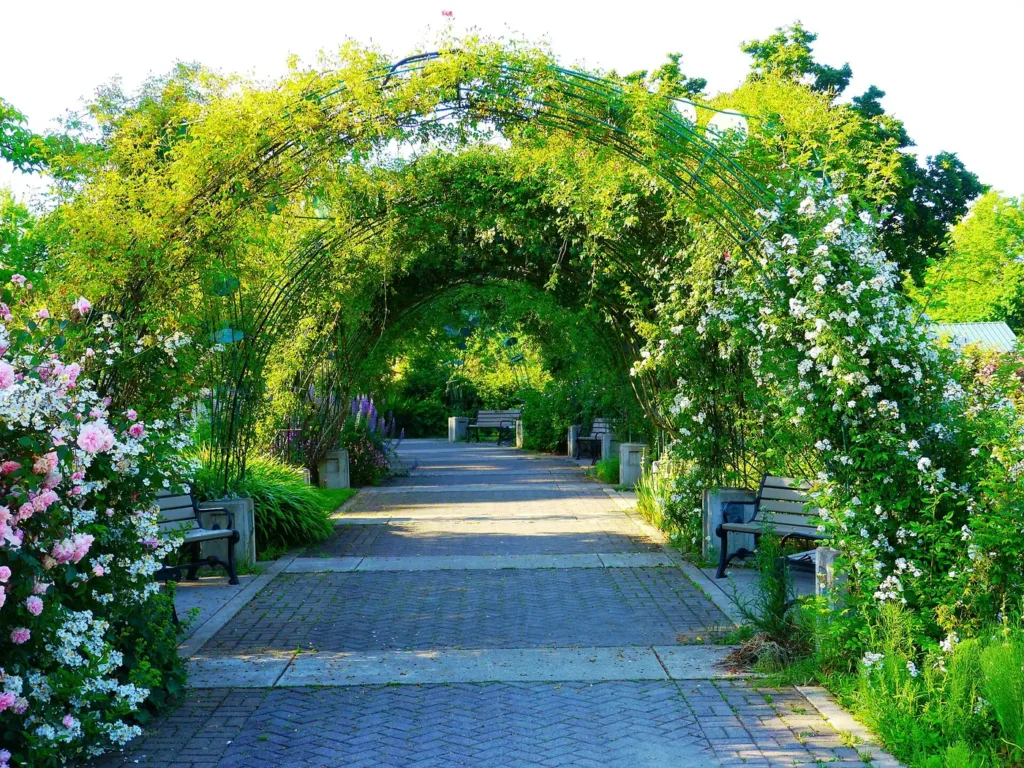
NC State Extension’s guide to developing a cottage garden describes it as a perennial garden of informal design that grows in the space between the lawn and the home, offering a variety of flower colors and textures. Its hallmarks are:
- Informality: plants mingle and self-seed rather than standing in neat rows.
- Density: plants are packed closely so little bare soil shows.
- A mix of plant types: perennials, annuals, biennials, bulbs, roses, shrubs, climbers, herbs and often vegetables and fruit, all together.
- Traditional materials: brick, stone, gravel, weathered wood, picket fences and woven willow.
- Abundance and fragrance: old-fashioned, scented flowers and plenty of them.
English garden vs. cottage garden
People often use “English garden” and “cottage garden” interchangeably, but they are not quite the same. “English garden” can mean anything from the vast, naturalistic landscape parks of 18th-century country estates to formal rose gardens. The cottage garden is one particular English style: small-scale, informal and densely planted, rooted in the gardens of ordinary rural homes. When most people search for an English garden for their own home, the cottage style is what they have in mind.
A short history of the cottage garden
Cottage gardens began as working gardens. NC State Extension notes that cottage plants were originally kitchen gardens: rural households packed small plots with vegetables, herbs for cooking and medicine, fruit, and a few flowers, often with chickens or bees, using every inch of space. Flowers earned their place by being useful, fragrant or easy to grow from saved seed and shared cuttings.
In the late 19th century, the style was romanticized and refined. The garden writer William Robinson championed natural, informal planting, and the designer Gertrude Jekyll created famous borders that combined cottage abundance with careful attention to color and texture. Their influence, together with the Arts and Crafts movement’s love of traditional craftsmanship, turned the humble cottage garden into an admired garden style, and it has remained popular ever since.
The style has close cousins: the potager, the French ornamental kitchen garden, shares its mix of edibles and flowers but is more geometric; and the modern pollinator garden shares its abundance and its value to bees and butterflies.
The elements of a cottage garden
| Element | Role | Ideas |
|---|---|---|
| Enclosure | Frames the garden and gives a sense of a secret, sheltered space | Picket fence, low stone wall, hedge, woven willow fence |
| Gate and entrance | A welcoming focal point | Rose-covered arch, rustic wooden gate |
| Paths | Lead you through the garden; plants spill over the edges | Brick, flagstone, gravel, stepping stones, mown grass |
| Perennial borders | The heart of the planting | Mixed perennials in drifts, tall at the back |
| Climbers | Height and romance | Roses, clematis, honeysuckle, sweet peas on walls, fences and arches |
| Self-sowers | Keep the garden loose and changing | Foxgloves, hollyhocks, poppies, love-in-a-mist, calendula |
| Edibles | A nod to the working-garden roots | Herbs, strawberries, lettuce, beans, fruit trees |
| Ornaments and seating | Personality and places to pause | A bench, birdbath, sundial, old watering cans, terra-cotta pots |
Informal does not mean unplanned
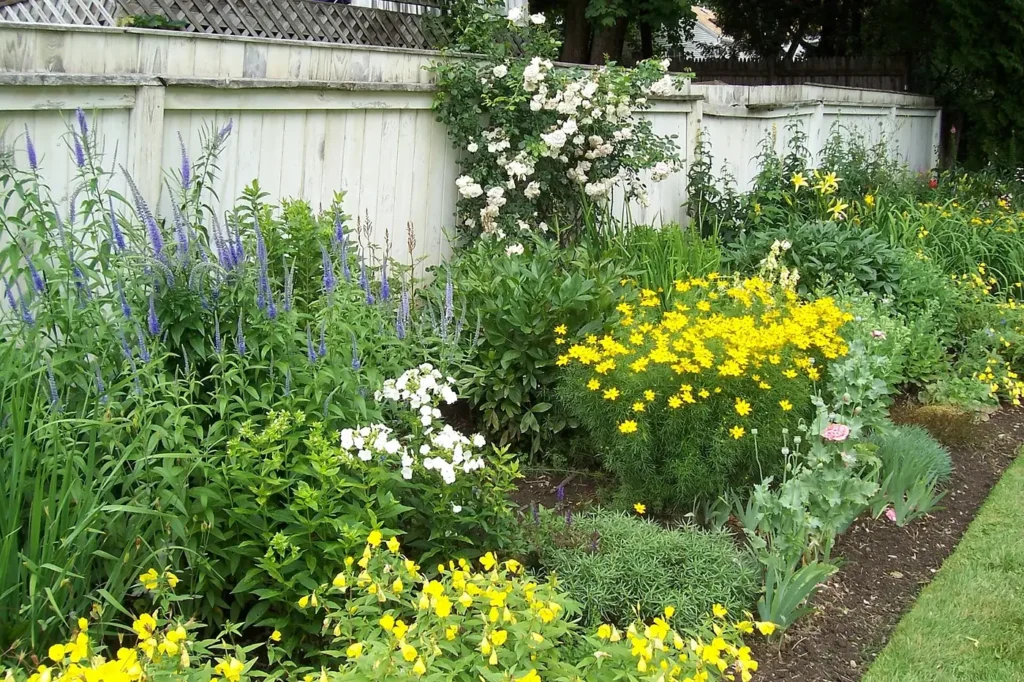
NC State Extension makes an important point: while the appeal of a cottage garden is its apparent lack of formal design, a minimal design is still needed to separate it from a meadow or woodland, and borders, paths and hardscape are what give the cottage garden its shape. The trick is a firm framework of paths, edges and enclosure, filled with loose, abundant planting.
Step 1: Choose and assess the site
Most classic cottage garden flowers love sun. Choose a spot with at least six hours of direct sun a day, ideally more. Traditionally, cottage gardens sit right by the house, at the front door or along the path, where they are seen and enjoyed every day. If your only space is shady, you can still capture the feel with shade-tolerant cottage plants such as foxgloves, astilbe, bleeding heart, columbine, hostas and ferns; see our guide to shade garden plants.
Check drainage, since most cottage perennials dislike soggy soil, and make sure a hose reaches easily. The sunlight requirement finder helps you match plants to your light.
Step 2: Lay out the framework
- Decide on the boundary. A picket fence, low wall or hedge gives the garden its classic enclosed feel. Our guide to garden fence ideas covers picket and woven fences.
- Plan the paths first. A path from the gate to the door is the backbone of a front cottage garden. Make paths at least 3 feet wide so plants can spill over the edges without blocking them, and gently curve them for an informal feel.
- Mark the beds on either side of the paths. Beds 4 to 6 feet deep allow layers of plants from tall at the back to low at the front.
- Add a focal point where paths meet or at the end of a view: an arch, bench, birdbath or large pot.
- Plan vertical elements: arches, obelisks and wall trellises for climbers. Our garden trellis ideas show the options.
Sketch the layout to scale on paper or with the garden layout generator before you dig.
Step 3: Prepare the soil
Cottage gardens are densely planted, so the soil needs to be in good condition to feed everything. Remove grass and perennial weeds thoroughly, since they are hard to get out once beds are packed with plants. Loosen the soil and work in 2 to 3 inches of compost; the compost calculator works out how much. Avoid overly rich soil for drought-tolerant plants such as lavender and many herbs, which flower best in leaner conditions. A soil test from your local Extension office takes the guesswork out of what your soil needs.
Step 4: Choose classic cottage garden plants
The best cottage garden plants are old-fashioned, easygoing and generous with flowers. Many are fragrant, many self-seed, and most are loved by bees. Choose plants suited to your light, soil and climate; your local Extension office can recommend varieties that thrive in your area, and the USDA Plant Hardiness Zone Map or our growing zone finder tells you which perennials will survive your winters.
Perennials: the backbone
| Plant | Height | Bloom | Cottage appeal |
|---|---|---|---|
| Delphinium | 3 to 6 ft | Early summer | Towering blue spires; the classic back-of-border plant |
| Peony | 2 to 3 ft | Late spring | Huge, fragrant, long-lived blooms |
| Garden phlox | 2 to 4 ft | Mid to late summer | Fragrant clusters; choose mildew-resistant varieties |
| Lupine | 2 to 4 ft | Late spring to early summer | Colorful spikes; prefers cool summers |
| Catmint | 1 to 3 ft | Late spring to summer | Soft blue haze that softens path edges |
| Hardy geranium (cranesbill) | 1 to 2 ft | Late spring to summer | Mounds of flowers that knit plants together |
| Bellflower (Campanula) | 1 to 4 ft | Summer | Bells and stars in blue, purple and white |
| Dianthus (pinks) | 6 to 18 in | Late spring to summer | Clove-scented flowers for the front of the border |
| Lady’s mantle | 12 to 18 in | Early summer | Chartreuse froth along path edges |
| Bee balm | 2 to 4 ft | Midsummer | Fragrant leaves; hummingbirds and bees |
| Coneflower | 2 to 4 ft | Summer | Tough and long-flowering |
| Shasta daisy | 2 to 3 ft | Summer | Classic white daisies |
| Yarrow | 1 to 3 ft | Summer | Flat flower heads for texture |
| Iris | 1 to 4 ft | Late spring | Bold leaves and old-fashioned blooms |
| Columbine | 1 to 3 ft | Spring | Dainty, nodding flowers; self-seeds |
| Aster | 1 to 5 ft | Fall | Late color for bees and butterflies |
Biennials and self-sowers: the cottage garden magic
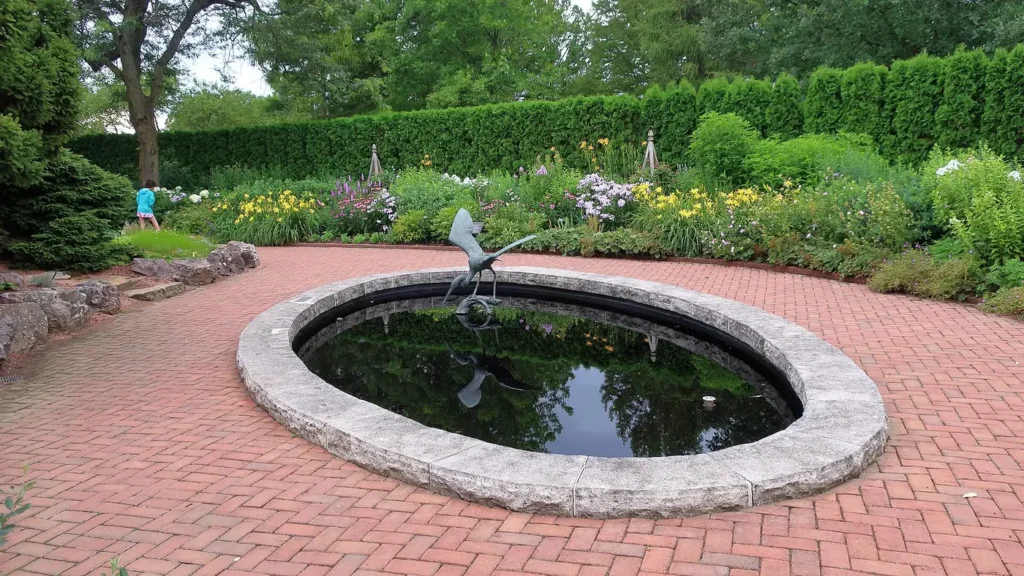
Self-sowing plants pop up in unexpected places each year, giving a cottage garden its relaxed, ever-changing character. Biennials grow leaves in their first year and flower in their second, then set seed for the next generation.
| Plant | Type | Notes |
|---|---|---|
| Foxglove | Biennial | Tall spires that tolerate part shade. All parts are poisonous if eaten. |
| Hollyhock | Biennial or short-lived perennial | Towering stems against walls and fences; watch for rust |
| Sweet William | Biennial | Fragrant, clustered flowers in pinks and reds |
| Forget-me-not | Biennial | Clouds of tiny blue spring flowers |
| Love-in-a-mist (Nigella) | Annual, self-sows | Blue flowers and decorative seed pods |
| Poppies | Annual, self-sows | Papery flowers; sow where they will grow |
| Calendula | Annual, self-sows | Edible orange petals; long season |
| Larkspur | Annual, self-sows | Annual spires similar to delphiniums |
Annuals to fill gaps
Annuals keep the color going between perennial flushes and fill spaces while young perennials grow: cosmos, zinnias, snapdragons, sweet peas, nasturtiums, cleome, nicotiana and sweet alyssum are all cottage favorites. Many can be sown directly where they are to grow. Our guide to starting a flower garden lists more annuals by season and light.
Bulbs
- Spring: daffodils, tulips, crocus, grape hyacinth, alliums.
- Summer: lilies, gladiolus and dahlias (planted in spring).
Tuck bulbs among perennials that leaf out later, so their foliage hides the fading bulb leaves.
Roses and shrubs
No cottage garden is complete without roses. Choose fragrant, disease-resistant shrub roses for borders, and climbers or ramblers for arches, walls and fences. Our rose garden guide covers choosing, planting and pruning; University of Maryland Extension’s guide to growing roses and managing problems stresses choosing disease-resistant varieties. Other classic cottage shrubs include lilac, hydrangea, mock orange, butterfly-friendly native shrubs, and lavender, which acts as a small shrub along paths.
Climbers
| Climber | Type | Notes |
|---|---|---|
| Climbing and rambling roses | Woody | Arches, walls and fences |
| Clematis | Woody perennial | Grow through roses for double flowering |
| Honeysuckle | Woody | Choose native or non-invasive species; very fragrant |
| Sweet peas | Annual | Intensely fragrant; cut often for more flowers |
| Morning glory | Annual | Fast cover for fences; can self-seed heavily |
| Runner beans | Annual vegetable | Red flowers and edible beans |
Herbs and edibles
Honor the cottage garden’s working roots by mixing in food plants. Herbs such as chives, thyme, sage, parsley, lavender, rosemary and fennel look beautiful among flowers and feed pollinators. Strawberries make a pretty edging, lettuce and chard add foliage color, runner beans climb fences, and a dwarf fruit tree or berry bushes can anchor a corner. See our guides to starting an herb garden and potager gardens.

Step 5: Plant for that full, overflowing look
Plant closer than usual
Cottage gardens are densely planted, so space plants at the closer end of the recommended range, or slightly closer, so they knit together and shade out weeds. Do not overdo it with plants prone to mildew, such as phlox and bee balm, which need some airflow. The plant spacing calculator gives standard spacing as a starting point.
Layer heights loosely
Follow the general rule of tall plants at the back and short at the front, but let some tall, airy plants such as verbena bonariensis or foxgloves pop up toward the front. NC State Extension’s guide recommends installing plants as a mix, short in front and tall in back.
Repeat plants through the garden
Repeating the same plant or color in several places ties an informal garden together and stops it looking chaotic.
Choose a color palette
Traditional cottage gardens favor soft pastels: pinks, blues, purples, whites and pale yellows. A limited palette with occasional bright accents looks more harmonious than every color at once.
Let plants spill over edges
Plant low, sprawling plants such as catmint, lady’s mantle, hardy geraniums and creeping thyme along path edges, so they soften the lines.
Classic cottage plant combinations
| Combination | Why it works |
|---|---|
| Roses with catmint and alliums | Catmint hides bare rose stems; alliums add globes of color |
| Delphiniums, foxgloves and peonies | Spires above big, soft flowers in early summer |
| Phlox, bee balm and coneflowers | A fragrant, pollinator-rich midsummer mix |
| Hollyhocks against a wall with hardy geraniums at their feet | Height and a soft base |
| Clematis growing through a climbing rose | Two flower displays on one support |
| Lavender lining a path with dianthus | Fragrance as you walk by |
Step 6: Caring for a cottage garden
A cottage garden looks carefree, but a little regular attention keeps it abundant rather than overgrown.
Watering
Water new plantings regularly until established. After that, water deeply about once a week in dry weather rather than lightly every day, aiming water at the soil rather than the leaves. Dense planting shades the soil and holds moisture well. Our guide on how often to water explains how to check soil moisture, and a soaker hose woven through the beds makes watering easy; see drip irrigation vs. soaker hoses.
Mulching
Mulch bare soil while plants are young to hold moisture and suppress weeds. As the garden fills in, the plants themselves cover the ground. Keep mulch light around self-sowers, since thick mulch stops their seeds from germinating. The mulch calculator works out how much you need.
Feeding
Top-dress beds with an inch or so of compost each spring. Most cottage perennials need little more; heavy feeding produces soft, floppy growth. Roses and annuals in containers benefit from regular feeding during the season.
Deadheading
Snip off faded flowers to encourage more blooms on roses, cosmos, zinnias, sweet peas, dianthus and many perennials. Stop deadheading self-sowers such as foxgloves, hollyhocks, poppies and love-in-a-mist toward the end of their season if you want them to seed for next year.
Staking
Tall plants such as delphiniums, peonies, hollyhocks and asters can topple in wind and rain. Put supports in place early in spring so plants grow through them: twiggy branches pushed into the soil look natural, and grow-through rings or stakes with twine work too.
Cutting back for sturdier plants
Cutting back late-flowering perennials such as phlox, asters and sedum by about a third in late spring produces shorter, sturdier, bushier plants that flower a little later and need less staking. After their first flush, shear catmint and hardy geraniums back by about half to encourage fresh growth and a second round of flowers.
Managing self-seeders
Self-sown seedlings are part of the charm, but they can take over. Each spring, learn to recognize seedlings, keep the ones in good spots, transplant some, and pull out the excess. Plants such as morning glory and some poppies can seed very heavily, so deadhead them before seed ripens if needed.
Dividing
Every three to five years, many perennials become crowded and flower less. Divide them in spring or early fall, replanting healthy outer sections and sharing the extras with friends, which is exactly how traditional cottage gardens spread.
A year in the cottage garden
| Season | Tasks |
|---|---|
| Late winter | Prune repeat-flowering roses as buds swell; order seeds; cut back old stems once new growth shows |
| Early spring | Top-dress with compost; set plant supports; divide summer bloomers; thin self-sown seedlings |
| Late spring | Plant tender annuals after the last frost; cut back late perennials by a third; tie in climbers |
| Early summer | Deadhead roses and annuals; shear catmint and geraniums after flowering; pick sweet peas often |
| Midsummer | Water deeply in dry spells; watch for mildew on phlox; collect seeds of favorite annuals |
| Late summer | Sow biennials such as foxgloves and sweet William for next year; let self-sowers set seed |
| Fall | Plant spring bulbs and new perennials; divide spring bloomers; leave seed heads for birds |
| Winter | Enjoy the structure of paths, fences and seed heads; plan changes |
Time your plantings with the frost date tool and the planting calendar.
Common cottage garden problems
| Problem | Common on | What to do |
|---|---|---|
| Powdery mildew | Phlox, bee balm, roses, asters | Choose resistant varieties; allow airflow; water at the base |
| Rust (orange spots) | Hollyhocks | Remove infected leaves; give space; replant elsewhere |
| Black spot | Roses | Resistant varieties; clean up fallen leaves |
| Slugs and snails | Delphiniums, hostas, lupines, seedlings | Hand-pick in the evening; protect young plants |
| Aphids | Roses, lupines, sweet peas | Hose off; encourage ladybugs and other predators |
| Flopping plants | Delphiniums, peonies, asters | Stake early; cut back late perennials in late spring |
| Garden looks messy rather than abundant | Whole garden | Strengthen paths and edges; repeat key plants; edit self-seeders |
The plant problem identifier and pest identifier help diagnose problems.
Adapting the cottage garden to your climate
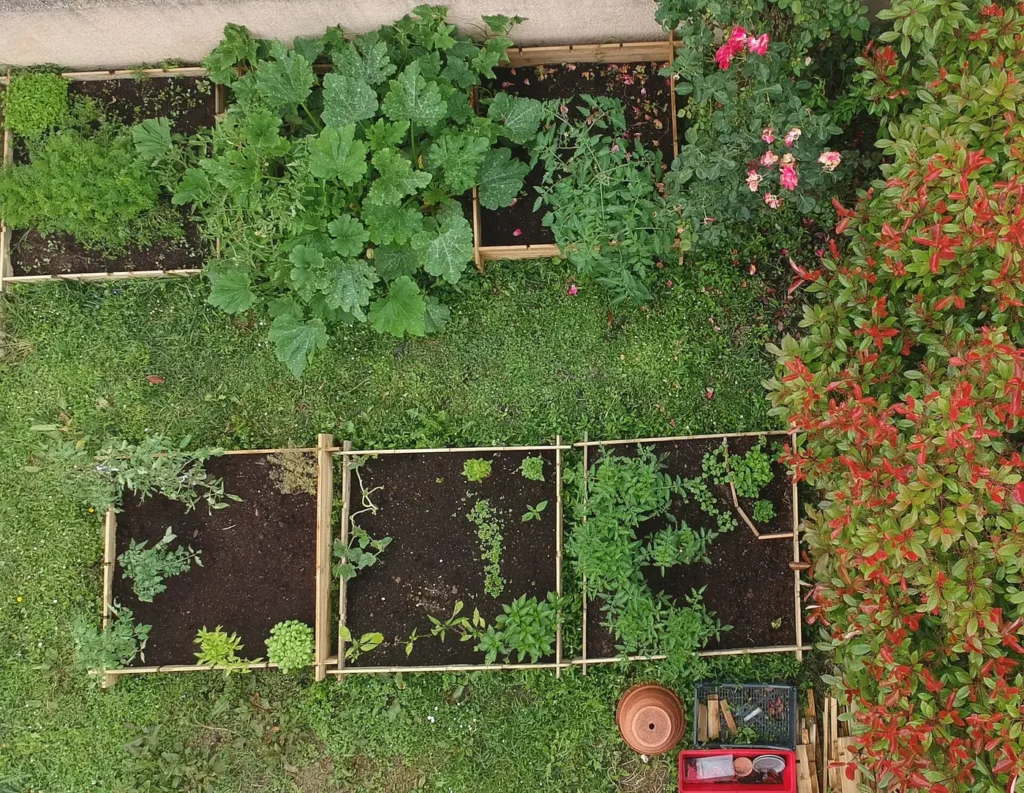
Classic English cottage plants come from a cool, moist climate. Many struggle in hot, humid summers or dry heat, but the cottage look is easy to recreate with plants suited to your region.
| Climate | Challenge | Cottage-style substitutes |
|---|---|---|
| Hot, humid summers | Delphiniums and lupines often fail; mildew is common | Salvia, phlox (resistant types), coneflower, black-eyed Susan, verbena, zinnias, cleome, lantana, shrub roses suited to heat |
| Hot, dry summers | Thirsty plants struggle | Lavender, Russian sage, yarrow, catmint, penstemon, gaura, California poppies, salvias |
| Cold winters, short summers | Tender perennials die | Hardy perennials: peonies, delphiniums, lupines, irises, bellflowers, hardy shrub roses |
| Mild, wet climates | Slugs and rot | The classic English palette thrives; improve drainage and watch for slugs |
A native cottage garden
You can capture the cottage style with plants native to your region, which support local wildlife and often need less water and care once established. Native perennials such as coneflower, black-eyed Susan, bee balm, phlox, columbine, asters, goldenrod and penstemon look entirely at home in a cottage border. Penn State Extension’s guide to planting pollinator-friendly gardens recommends choosing plants native to your region and planting a diverse mix.
Cottage gardens in small spaces
A front-path cottage garden
Even a narrow front yard can become a cottage garden: replace the lawn along the front path with two generous borders, add a picket fence and a rose arch at the gate, and plant densely with layered perennials.
Containers
Group pots of different sizes by the door and plant each densely with a tall centerpiece, such as a foxglove, small rose or salvia, and fillers and trailers such as petunias, nasturtiums, lobelia and herbs. Terra-cotta pots, galvanized buckets and old wooden crates suit the style. The container garden planner helps with pot sizes.
Window boxes
Pack window boxes with trailing and upright flowers, such as geraniums, petunias, sweet alyssum and ivy, for a cottage feel on any building.
For more small-space ideas, see small garden ideas.
A sample cottage garden plan: two borders along a front path
| Position in each 5 ft deep border | Plants |
|---|---|
| Back (against the fence) | Climbing rose, hollyhocks, delphiniums or tall salvia, foxgloves |
| Middle | Peonies, garden phlox, bee balm, shrub roses, coneflowers, Shasta daisies |
| Front | Catmint, hardy geraniums, lady’s mantle, dianthus, lavender |
| Tucked in between | Tulips, daffodils and alliums; cosmos, nigella and calendula sown in gaps |
| At the gate | A rose and clematis arch |
Repeat two or three key plants, such as catmint and roses, on both sides of the path to tie the design together.
Paths and hardscape for a cottage garden
Paths do much of the work of making a cottage garden look intentional. Choose natural, traditional materials that weather gracefully and let plants soften the edges.
| Material | Look | Practical notes |
|---|---|---|
| Old brick | Warm, classic, perfect in herringbone or basketweave patterns | Set on a compacted gravel and sand base for a level path |
| Flagstone or stepping stones | Natural and informal | Plant creeping thyme between stones for fragrance underfoot |
| Pea gravel | Soft, crunchy and inexpensive | Needs firm edging to stop it spreading; self-sowers seed into it |
| Mown grass | Soft and green | Cheapest option; wears in heavy traffic and needs regular mowing |
| Wood chips or bark | Rustic and woodland-like | Top up every year or two; good for informal back paths |
Edge paths with brick, stone or low plants so the path stays clear while flowers spill over. Our guide to garden edging ideas covers the options in detail.
Planting a new cottage border in a weekend
- Friday evening: mark out the bed with a hose, and lay your plants (still in their pots) on the ground to check the arrangement.
- Saturday morning: remove turf and weeds, loosen the soil and work in compost.
- Saturday afternoon: plant shrubs, roses and the largest perennials first, then medium perennials, setting supports for tall plants as you go.
- Sunday morning: plant the front edge with low, spilling plants, tuck bulbs and annuals into gaps, and sow seeds of self-sowers such as nigella and calendula in bare spots.
- Sunday afternoon: water everything deeply, mulch lightly around young plants, and edge the border.
Expect the border to look a little sparse in its first season. By the second or third year, perennials fill out, self-sowers appear, and the garden takes on the abundant cottage look.
Bringing wildlife into the cottage garden
Cottage gardens are naturally rich in wildlife. Single, open flowers such as single roses, hardy geraniums, cosmos and asters are easier for bees to feed from than heavily doubled varieties. Leave seed heads standing for birds in fall, add a shallow birdbath, and avoid insecticides. Our guides to pollinator gardens and garden spiders show how helpful wildlife keeps pests in check.
Creating a cottage garden on a budget
- Grow from seed: annuals, biennials and many perennials are easy and cheap from seed.
- Share and swap: divisions and cuttings from friends are the traditional way cottage gardens spread.
- Let self-sowers multiply your plants for free.
- Use salvaged materials: old bricks for paths, reclaimed wood for fences, vintage containers.
- Start with one border and expand each year.
Our guide to gardening on a budget has more money-saving ideas.
Common cottage garden mistakes
- No structure: without paths, edges and enclosure, abundance becomes chaos.
- Too many different plants, each used once, which looks busy rather than lush.
- Ignoring your climate and planting classic English flowers that struggle in your summers.
- Not staking tall plants until they have already flopped.
- Letting aggressive self-seeders or spreaders take over.
- Planting too sparsely, leaving bare soil for weeds.
- Forgetting winter interest: fences, arches, evergreen herbs and seed heads carry the garden through the cold months.
Sources and further reading
These university Extension and government resources informed this guide. Recommendations vary by region, so your local Cooperative Extension office is always a good next step.
- Growing Roses, Clemson Cooperative Extension
- Flower Gardening (PDF), Michigan State University Extension
Frequently asked questions
What is a cottage garden?
An informal, densely planted garden of perennials, annuals, roses, climbers, herbs and often vegetables, traditionally set between the house and the lane, with paths and simple enclosure giving it shape.
What is the difference between an English garden and a cottage garden?
“English garden” can describe many styles, from large landscape parks to formal rose gardens. The cottage garden is one specific, small-scale, informal English style.
What are the best cottage garden plants?
Classics include roses, delphiniums, foxgloves, hollyhocks, peonies, phlox, lupines, catmint, hardy geraniums, sweet peas, lavender and dianthus, plus self-sowers such as poppies and love-in-a-mist.
How do I make a cottage garden look good and not messy?
Give it a strong framework of paths, edges and enclosure, repeat key plants, stick to a limited color palette, and edit self-sown seedlings each spring.
Can I have a cottage garden in a hot climate?
Yes. Replace heat-sensitive classics such as delphiniums and lupines with salvias, coneflowers, phlox, zinnias, verbena and other heat-tolerant plants with a similar look.
Is a cottage garden low maintenance?
Moderately. Dense planting reduces weeding and watering, but deadheading, staking, cutting back and editing self-seeders keep it looking its best.
How close together should I plant a cottage garden?
At the close end of the recommended spacing, so plants knit together and cover the soil, while leaving some airflow around mildew-prone plants.
Can I grow vegetables in a cottage garden?
Yes. Cottage gardens began as kitchen gardens, so herbs, strawberries, lettuce, chard, runner beans and fruit fit right in.
Can I make a cottage garden in containers?
Yes. Group pots of different sizes and plant each densely with a tall centerpiece and mounding and trailing flowers.
When is the best time to start a cottage garden?
Plan in winter, plant perennials and shrubs in spring or early fall, sow annuals after your last frost, and plant spring bulbs in fall.