Gooseberries are small, tart, translucent berries that look like tiny striped lanterns. They are popular in British and European cooking and underused in American gardens, which is a shame, because the bushes are hardy, productive and tolerant of part shade. This guide explains what a gooseberry is, how it tastes, which varieties resist mildew, how to plant, prune and harvest the bushes, how to deal with pests, and, importantly, the legal rules on planting Ribes that apply in some places because of white pine blister rust.
What is a gooseberry?
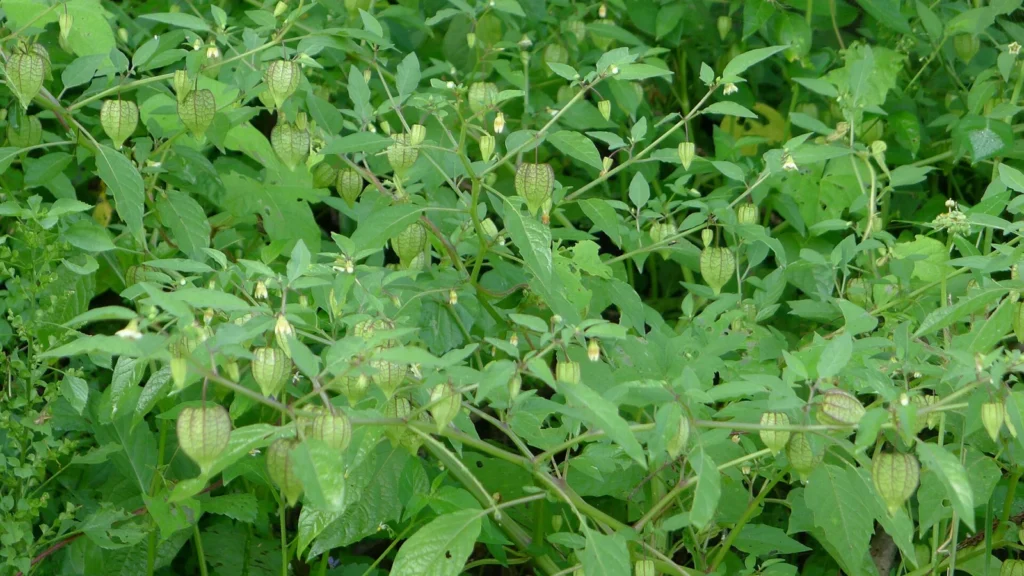
A gooseberry is the fruit of a thorny shrub in the genus Ribes, the same genus as currants. The berries range from green to yellow, pink, red and purple, and from pea-sized to about the size of a large grape. Green, unripe berries are very tart and are used for pies, fools and sauces. Fully ripe berries are sweeter and can be eaten fresh, with a grape-like flavor and a sour finish. Ohio State University Extension notes that gooseberries are used mainly in jams, jellies, pastries and compotes, and that bush-ripened fruit is also eaten fresh as a dessert.

European vs American gooseberries
| Type | Fruit | Mildew | Hardiness |
|---|---|---|---|
| European (Ribes uva-crispa) | Larger and sweeter | Prone to powdery mildew and leaf spot | Typically zones 3 to 8 |
| American (Ribes hirtellum) | Smaller and tarter | More resistant | Typically zones 3 to 7 |
Most modern varieties are crosses of the two. Penn State Extension’s guide to gooseberries and currants says today’s gooseberries are mostly hybrids that combine good flavor with mildew resistance, that shrubs reach about 3 to 6 feet tall, tolerate partial shade, survive winter temperatures of roughly −22 to −31°F and are self-fruitful, so one variety is enough for fruit.
Varieties worth growing
- Captivator: an American-European hybrid with large, sweet, pinkish-red fruit and mildew resistance.
- Pixwell: very productive and hardy but of fair quality, best picked slightly underripe, and mildew resistant.
- Poorman: large, flavorful red fruit, described by Ohio State as the best American type for home gardens, with fewer and smaller thorns and resistance to powdery mildew. The University of Idaho also rates Poorman as good for mildew and resistant to blister rust.
- Hinnonmaki Red: a tart skin with sweet, aromatic flesh and partial mildew resistance.
- Invicta: large, pale-green fruit with less flavor than most European types, plants with many spines and good mildew resistance.
Since few pesticides are registered for these crops, the University of Idaho Extension bulletin on currants and gooseberries advises choosing cultivars with strong disease resistance from the start. Ask your local nursery or extension office which ones perform best in your area.
The legal side: white pine blister rust
Gooseberries and currants can host white pine blister rust, a fungus that alternates between Ribes plants and five-needled pines such as white pine. Penn State Extension explains that a federal ban on growing Ribes lasted until 1966, and that a 1933 Pennsylvania law limited growing in certain areas, although the page says it is not enforced. Black currant is the most susceptible to rust, red and white currants less so, and gooseberries the least. Ohio State notes that Ohio’s regulation targets European black currant (Ribes nigrum) and most of its varieties, and that the state does not prohibit planting red currants or gooseberries. The University of Idaho adds that rust spores from pines can travel hundreds of miles, and recommends avoiding rust-susceptible cultivars within a mile of five-needled pines.
The practical advice: rules differ by state and country, and they change, so check with your state department of agriculture or extension office before planting, especially black currants, and especially if you have white pines nearby or live in a timber region. Gooseberries are low risk, but you should still ask.
Growing gooseberries
- Site: full sun in cool climates, and afternoon shade in hot ones. Choose a spot with good air flow to reduce mildew.
- Soil: well-drained, rich in organic matter. The University of Idaho gives an optimal pH of about 5.5 to 7.0, and says sulfur can lower the pH of moderately alkaline soils.
- Planting: plant well-rooted, dormant one- or two-year-old bushes in fall or early spring, with the tops cut back to about 6 to 10 inches. Space them 3 to 4 feet apart in rows 6 to 8 feet apart (Penn State), or 4 to 5 feet apart in rows about 10 feet apart for vigorous types (Idaho). The plant spacing calculator can plan the layout.
- Mulch: spread 2 to 3 inches to keep roots cool and moist. See the mulch calculator.
- Water: about an inch a week. The garden watering calculator can help.
- Feeding: Penn State suggests 6 to 8 ounces of 10-10-10 each year in an 18-inch ring around each bush in early spring.
- Pollination: gooseberries are self-fruitful, though Idaho notes that planting two or more cultivars improves fruit set.
Remove the blossoms in the first year to help establishment. Plants usually bear in the second or third year, produce about 5 to 7 pounds per mature bush by year three or four, and can keep fruiting for 10 to 15 years or more when well cared for.

Pruning gooseberries
Gooseberries fruit mainly on one-year-old wood, with the best production on two- and three-year-old spurs. Prune while the bushes are dormant, in late winter or early spring before growth resumes. Idaho also notes that pruning any time after leaves drop in fall improves air circulation and reduces disease. The steps:
- Remove dead, weak, damaged and crossing stems, and any canes lying near or touching the ground.
- After the first season keep six to eight of the strongest shoots (Penn State), and thereafter keep a balanced mix of one-, two- and three-year-old canes.
- Each year remove the oldest canes at ground level. Idaho suggests keeping three or four new canes a year and removing an equal number of the oldest, and removing all wood four years or older.
- Keep the center open so air and light reach the fruit.
Wear thick gloves and long sleeves, because the thorns are sharp. Thornless or low-thorn varieties such as Poorman are easier to prune and pick.
Pests and diseases
- Powdery mildew: the main disease. European gooseberries are most susceptible. Choose resistant varieties, thin the center and avoid overhead watering. See powdery mildew.
- Imported currantworm and gooseberry sawfly: green caterpillar-like larvae that can strip leaves quickly in spring. Check the undersides of the leaves weekly from leaf-out and remove larvae by hand when you find them.
- Currant borer and currant fruit fly (gooseberry maggot): prune out wilted canes, and discard infested fruit.
- Aphids: curled new leaves. See how to get rid of aphids.
- Birds: may take ripening fruit. Net the bushes if needed.
The University of Idaho advises scouting plants at least weekly and keeping the area clear of leaves and prunings to reduce new infections.
Harvest and storage
Pick fully colored fruit as it ripens, usually in late June or July in Pennsylvania, and pick berries individually. Green berries picked early are best for cooking, while fruit left on the bush to ripen has more sweetness for eating fresh. The University of Idaho says fruit can hang on the bush for two to four weeks without overripening. Gooseberries freeze well, so spread them on a tray, freeze, then bag them. You can pull off the dried flower end (the “top and tail”) with scissors before cooking. For preserving, see how to make jam and freezing basics, which apply to fruit as well.
Using gooseberries in the kitchen
- Jam and jelly: gooseberries are high in pectin, so they set easily.
- Fool, crumble and pie: tart green berries balance sweet cream and sugar.
- Sauce for fatty meats and fish: a classic pairing in British cooking.
- Fresh eating: choose fully ripe red or pink berries.
Gooseberries vs currants: what is the difference?
Gooseberries and currants are close relatives in the genus Ribes, and they are often grown, pruned and cooked in similar ways, but there are clear differences. Gooseberries are larger, grow singly or in small groups, and the bushes carry sharp thorns. Currants grow in hanging strings (called strigs), have no thorns and are smaller and rounder. Currants include red, white and black types, while gooseberries come in green, yellow, red and purple. Black currants are far more susceptible to white pine blister rust than gooseberries, which is why the legal rules focus on them. For gardeners, the practical difference is thorns: gooseberries are painful to pick without gloves, while currants are easy to handle.
Propagating gooseberries
Gooseberries are easy and cheap to multiply at home. Take hardwood cuttings in late fall or winter, using pencil-thick shoots about 8 to 10 inches long, with the lowest buds removed so the cutting does not sucker. Push them into well-drained soil, leaving only a few buds above the surface, and keep them moist. Most will root by the following spring. Another method is layering, where a low branch is bent to the ground and pinned under a mound of soil until it roots. Penn State notes that plants can also be grafted onto Ribes aureum to raise the fruiting height, producing a tree-like standard that is easier to pick. Propagating from your own healthy bushes is a good way to expand a planting, but only use plant material from bushes that have shown good disease resistance.
Growing gooseberries in containers
Gooseberries tolerate partial shade and cool conditions, so they adapt well to large pots on a patio. Use a container at least 16 to 18 inches wide and deep with drainage holes, filled with a loose, rich potting mix. Water regularly, because pots dry out fast, and feed lightly in spring. Container bushes need winter protection in cold climates because roots are more exposed to freezing than those in the ground. Move the pot to a sheltered spot or insulate it, and prune the bush in late winter as usual. Expect somewhat lower yields than from ground-planted bushes.
A yearly gooseberry calendar
- Late winter: prune out the oldest canes and clear debris. Apply fertilizer in early spring.
- Spring: mulch, watch for sawfly larvae from leaf-out and check for mildew.
- Early summer: thin crowded fruit if you want larger berries, and pick green fruit for cooking.
- Midsummer: harvest ripe berries, net against birds, and water through dry spells.
- Fall: clean up fallen leaves, which reduces disease carry-over, and take cuttings if you want more plants.
Troubleshooting
- White powder on leaves and berries: powdery mildew. Improve airflow, remove infected shoots and choose resistant varieties next time.
- Leaves stripped quickly in spring: sawfly or currantworm larvae. Hand-pick them early.
- Few berries: not enough sun, over-pruning or a late frost at bloom.
- Berries drop before ripening: drought stress or heavy pest pressure.
- Weak, spindly canes: too much shade or crowding. Thin the bush and give it more light.
Safety and legal note: Some jurisdictions restrict planting or shipping Ribes (currants and gooseberries) to protect white pines from blister rust, so check with your state or national agriculture authority before ordering plants. If you spray, follow the label, which is the law, and use only products approved in your country. Wear gloves when handling thorny canes, and wash berries before eating.
Interested in other berries? See our Heritage raspberry guide and boysenberry guide, or browse our guide to growing fruit at home.
Free printable: the Year-Round Garden & Preserving Planner
Planting dates for 24 crops, monthly tasks, blanching times, canning safety numbers and a winter storage chart in one 8-page PDF. Enter your email to download it instantly and get our seasonal garden newsletter.
No spam. Unsubscribe any time. We never sell your email.
Frequently asked questions
Are gooseberries self-fertile?
Yes. One bush will fruit, though planting two or more cultivars can improve fruit set.
Do gooseberries need full sun?
They tolerate partial shade, and in hot climates they benefit from afternoon shade.
Are gooseberries illegal to grow?
Gooseberries are generally allowed, but rules about Ribes plants (mainly black currants) exist in some regions because of white pine blister rust. Check with your local agricultural authority.
When do gooseberries ripen?
Usually late June to July in temperate climates, depending on variety and region.
How many years until gooseberries fruit?
Typically the second or third year, with full production around years four to five.
Which gooseberry is best for mildew resistance?
Poorman, Captivator, Pixwell and Invicta are described as resistant by extension sources.
Reviewed October 2026. Rules and ripening vary by region.