Seasonal Tasks
January Garden Tasks: What to Do in the Garden by Region
January is the planning month in most gardens and a planting month in the South. In cold climates (USDA zones 3 to 5), order seeds, plan your beds, check stored…
Practical, well-tested advice for home gardeners: soil, planting, watering and planning, with the numbers to back it up.
Seasonal Tasks
January is the planning month in most gardens and a planting month in the South. In cold climates (USDA zones 3 to 5), order seeds, plan your beds, check stored…
Seasonal Tasks
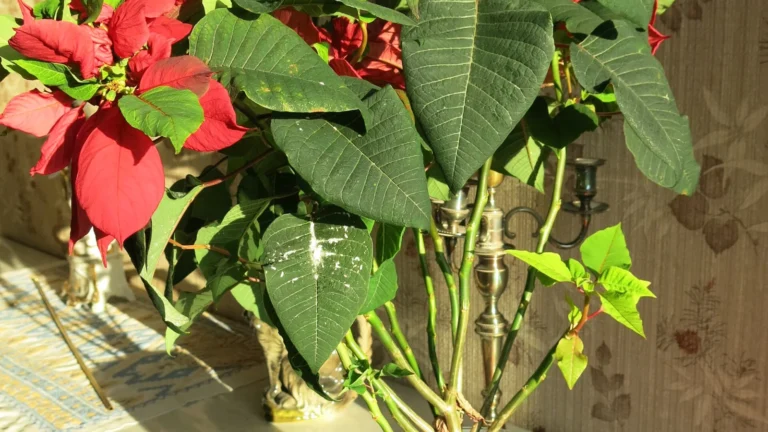
December is a planning and protection month in most gardens. In cold climates (USDA zones 3 to 5), check winter mulch, gently brush heavy snow off evergreens, use plant-safe de-icers,…
Soil and Mulch
When you are planning a landscape renovation or simply refreshing your garden beds, understanding the physical properties of your materials is crucial for logistics and structural integrity. One of the…
Soil and Mulch
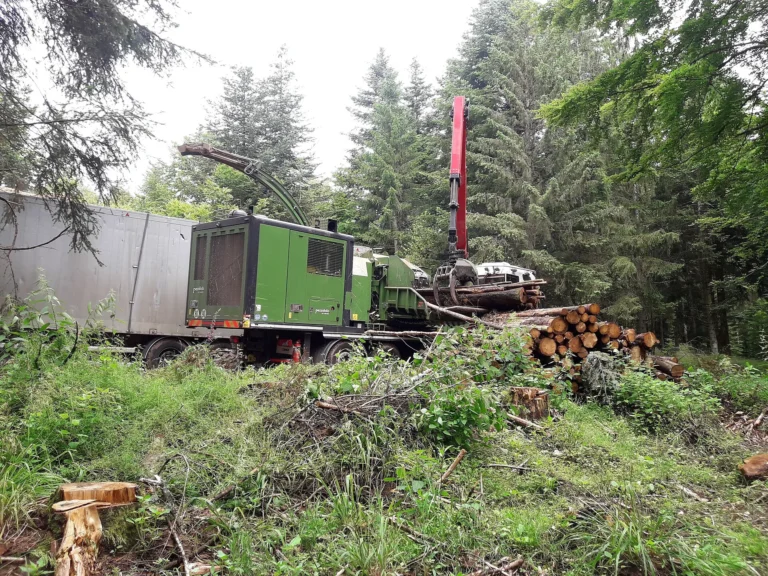
Mulch is made from either organic materials, such as bark, wood chips, pine needles, leaves, straw, compost and grass clippings, or inorganic ones, such as gravel, crushed stone, rubber, landscape…
Seasonal Tasks
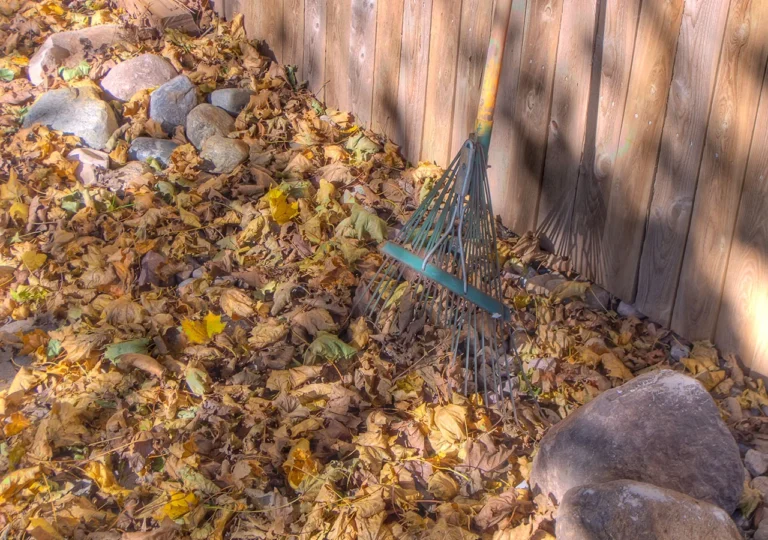
November is the month to put the garden to bed in cold regions and to plant in warm ones. In cold climates (USDA zones 3 to 5), finish planting garlic…
Food Preserving
Many garden vegetables keep for months without canning or freezing if you store them under the right conditions. Root crops such as carrots, beets, parsnips, turnips and rutabagas, along with…
Food Preserving
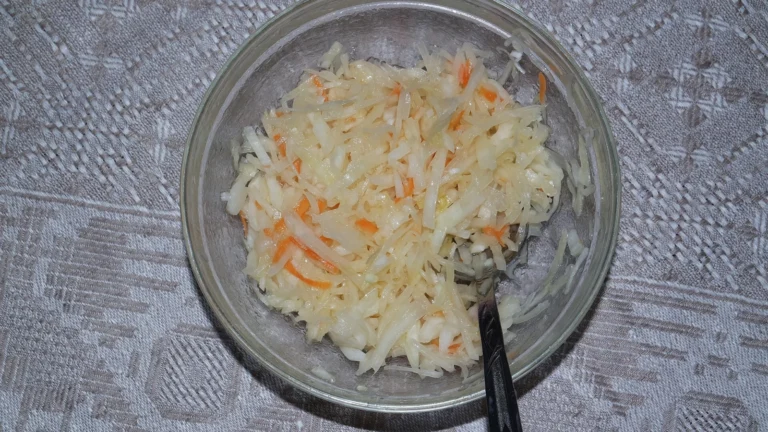
To make sauerkraut, finely shred fresh, firm cabbage, mix 5 pounds of cabbage with 3 tablespoons of canning or pickling salt (about a 2 to 2.5 percent salt-to-cabbage ratio by…
Food Preserving
To dehydrate fruits and vegetables, wash and slice them into thin, even pieces (1/4 to 1/2 inch), pretreat light-colored fruits such as apples, pears and peaches with an ascorbic acid…
Food Preserving
To freeze vegetables, harvest them at peak quality, wash and cut them, then blanch them, either in boiling water or steam, for the exact time each vegetable needs (for example…
Food Preserving
There are three main ways to make pickles at home. Quick refrigerator pickles are made by pouring a hot vinegar brine over fresh vegetables in a jar and refrigerating them;…
Food Preserving
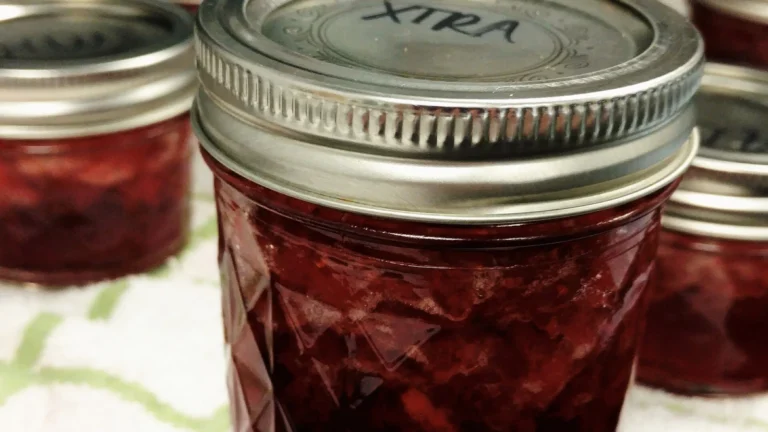
To make jam, crush or chop ripe fruit, combine it with sugar and usually pectin and acid in the exact amounts a tested recipe gives, and boil it hard, stirring,…
Food Preserving
To can tomatoes safely at home, always add acid to every jar, even for tomatoes labeled as high-acid: 1 tablespoon of bottled lemon juice or 1/4 teaspoon of citric acid…