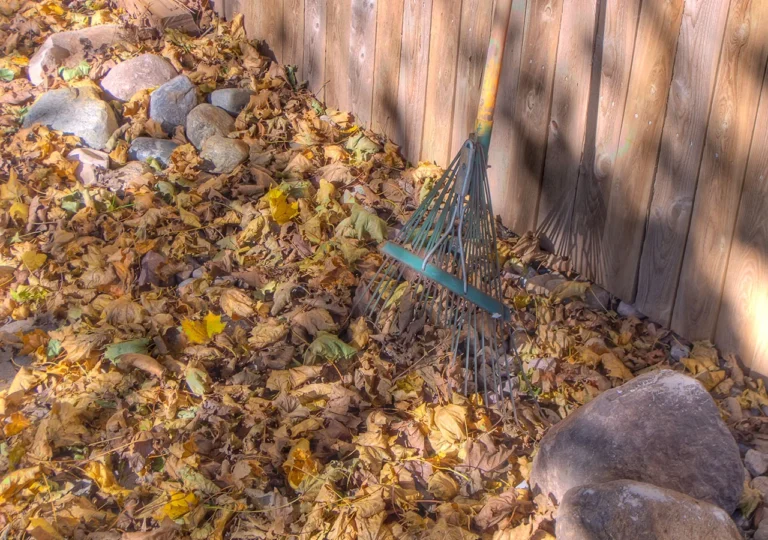
November is the month to put the garden to bed in cold regions and to plant in warm ones. In cold climates (USDA zones 3 to 5), finish planting garlic and bulbs before the ground freezes, mulch perennials and strawberries once the soil freezes, protect young trees from rodents, store root crops and winterize hoses and tools. In temperate zones 6 and 7, plant garlic and spring bulbs, apply a late-fall feeding to cool-season lawns, shred leaves for mulch, and harvest kale, leeks and Brussels sprouts. In warm zones 8 and 9, November is prime time to plant cool-season vegetables, strawberries, trees and shrubs, and to overseed warm-season lawns. In frost-free zones 10 and 11, it is the start of the main vegetable season, including tomatoes and peppers in south Florida.
November garden tasks by region
| Region | Typical areas | Top November tasks |
|---|---|---|
| Cold (zones 3 to 5) | Upper Midwest, northern Plains, northern New England, Rockies | Finish garlic and bulbs before freeze-up; mulch after soil freezes; tree guards; drain hoses; store crops |
| Temperate (zones 6 to 7) | Mid-Atlantic, Ohio Valley, lower Midwest, southern New England, inland Pacific Northwest | Plant garlic and bulbs; late-fall lawn feeding; shred leaves; harvest hardy greens; plant trees |
| Warm (zones 8 to 9) | Southeast, Gulf Coast, Texas, California valleys, coastal Pacific Northwest | Plant cool-season vegetables, strawberries, pansies; plant trees and shrubs; overseed lawns; frost covers ready |
| Frost-free (zones 10 to 11) | South Florida, coastal Southern California, Hawaii, low deserts | Plant tomatoes, peppers, beans, lettuce and herbs; annual flowers; irrigation for the dry season |
Not sure of your zone? The USDA Plant Hardiness Zone Map shows your zone by zip code, and our frost dates by zip code tool gives your average first and last frost dates. Local conditions vary, so use these lists as a guide and adjust for your own garden. Our interactive gardening calendar builds a task list from your own frost dates.

What to do in cold-climate gardens (zones 3 to 5)
In the north, November usually brings hard freezes and the first lasting snow. The aim is to finish fall planting, protect perennials and trees, and store the harvest.
- Finish planting garlic and spring bulbs as soon as possible, while the soil can still be dug. Garlic needs a few weeks to grow roots before the ground freezes. See how to plant garlic in fall and use the garlic planting calculator.
- Mulch after the ground freezes: once the top inch or two of soil is frozen, cover strawberries with 3 to 4 inches of straw, and mulch perennials, garlic beds and newly planted shrubs. Mulching after freeze-up keeps the soil frozen and prevents heaving from freeze-thaw cycles, and discourages voles from nesting.
- Protect young trees with hardware cloth or plastic tree guards around the trunk to stop rabbits and voles from girdling bark under the snow, and wrap thin-barked young trees to reduce sunscald.
- Water evergreens deeply before the ground freezes, especially those planted this year, to reduce winter burn.
- Winterize hoses, rain barrels and irrigation: drain and store hoses, empty rain barrels, and blow out drip lines and sprinkler systems.
- Store root crops and squash in cool, suitable spots and check stored produce regularly. See how to store vegetables for winter.
- Check stored tender bulbs such as dahlias, cannas and gladiolus for rot or shriveling.
- Clean and oil tools, and store fertilizers and chemicals where they will not freeze.
What to do in temperate gardens (zones 6 to 7)
In mid-latitude gardens, November is cool and often pleasant, with the first hard frosts and the ground still workable. It is one of the busiest planting and cleanup months.
- Plant garlic in early to mid-November, and spring bulbs such as tulips, daffodils, crocus and alliums until the ground freezes. Use the spring bulb calculator to work out how many bulbs fill a bed.
- Feed cool-season lawns such as fescue, Kentucky bluegrass and ryegrass with a late-fall fertilizer application while grass is still green; see the fall lawn fertilizer calculator. Keep mowing at normal height until growth stops.
- Shred fallen leaves with a mower and use them as mulch on beds or in compost. The leaf mulch calculator estimates how much you need.
- Harvest hardy crops: kale, collards, Brussels sprouts, leeks, carrots, parsnips and cabbage often taste sweeter after frost.
- Use row covers and cold frames to extend harvests of lettuce, spinach and other greens; the row cover fabric calculator helps you size covers.
- Plant trees and shrubs while the soil is still warm enough for root growth; water them well until the ground freezes.
- Clean up diseased plant material: remove leaves of roses with black spot, tomato and potato debris, and fallen fruit to reduce next year’s disease. See black spot on roses and late blight.
- Leave healthy seed heads and stems of perennials such as coneflowers and grasses for winter interest, birds and overwintering insects.
What to do in warm-climate gardens (zones 8 to 9)
In the South, Gulf Coast, Texas and California valleys, November is mild and one of the best planting months of the year. Light frosts are possible late in the month in many areas.
- Plant cool-season vegetables: transplant broccoli, cabbage, cauliflower, kale and collards, and sow lettuce, spinach, radishes, carrots, beets, turnips and peas. In many southern areas onion sets and transplants go in from November through January.
- Plant strawberries for spring harvest; fall planting gives the best yields in the South.
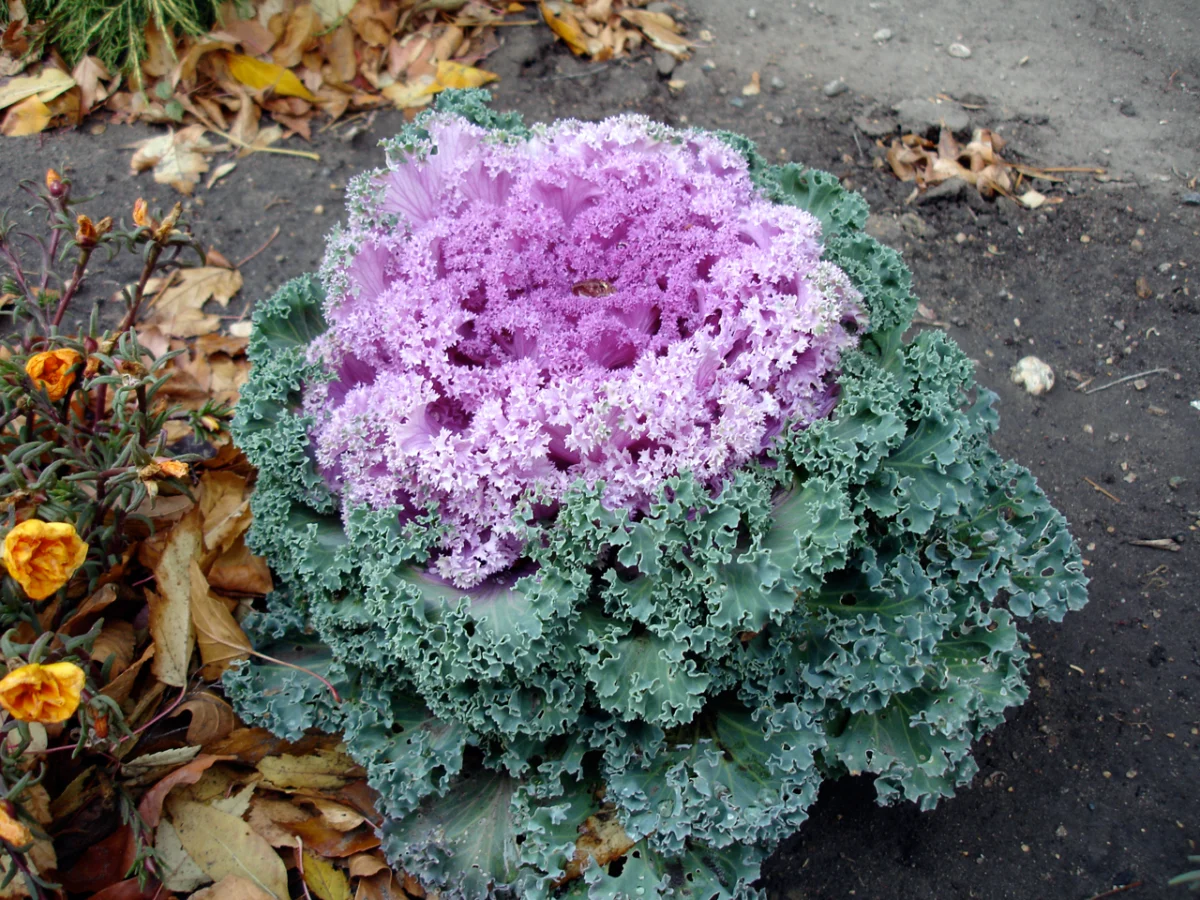
- Plant cool-season flowers: pansies, violas, snapdragons, calendula, dianthus and ornamental kale.
- Plant trees, shrubs and perennials: fall planting lets roots establish through the mild winter before summer heat.
- Pre-chill tulips and hyacinths in the refrigerator for 6 to 8 weeks (away from fruit) for planting in December or January, since southern winters are too mild to provide the cold they need.
- Overseed warm-season lawns such as Bermuda with annual ryegrass for winter color if desired, and stop fertilizing warm-season grasses that are going dormant.
- Have frost protection ready: keep row covers, sheets and buckets on hand for tender plants, citrus and late tomatoes when frost is forecast.
- Reduce watering as temperatures cool, but keep new plantings moist.
What to do in frost-free gardens (zones 10 to 11)
In south Florida, coastal Southern California, Hawaii and the low deserts, November marks the start of the main gardening season, when heat and humidity ease. The University of Florida IFAS guide to what to plant in November lists crops for each part of Florida.
- Plant warm-season vegetables in south Florida: tomatoes, peppers, eggplant, beans, squash and cucumbers grow best in the cooler, drier months.
- Plant cool-season crops: lettuce, kale, broccoli, carrots, radishes, beets and herbs such as cilantro, parsley and dill.
- Plant annual flowers such as petunias, impatiens, snapdragons, alyssum and marigolds.
- Adjust irrigation for the dry season and check drip systems.
- Feed citrus and tropical fruit according to local recommendations, and watch for scale insects and sooty mold; see scale insects and sooty mold.
- Watch for caterpillars on brassicas and tomatoes; see cabbage worms and tomato hornworm.
What about the Pacific Northwest and other mild, wet regions?
In maritime climates such as western Oregon and Washington, November brings steady rain and mild temperatures. Focus on drainage and cleanup: avoid working wet soil, cover bare beds with leaf mulch or tarps to prevent nutrient leaching, plant garlic and bulbs, and keep harvesting kale, leeks and other hardy greens. Watch for slugs on winter crops. The Oregon State University Extension monthly garden calendars give detailed monthly tasks for the region.
Safety note: Wear gloves and eye protection when using leaf shredders, mowers and blowers, and never clear a clogged machine while it is running. Use ladders on firm, level ground when wrapping trees or cleaning gutters. Store fertilizers, pesticides and fuel in their original containers, out of reach of children and pets, and away from freezing temperatures. Choose rodent guards rather than poison baits, which can harm pets, owls and other wildlife.
November tasks for every garden
Vegetable garden
- Clear spent crops, composting healthy material and bagging diseased plants.
- Spread compost or shredded leaves over empty beds to protect the soil over winter.
- Take a soil test, since fall is a good time to correct pH with lime or sulfur before spring.
- Note what grew well and what did not, while it is still fresh in your mind.
- Preserve late harvests: make sauerkraut from fall cabbage, freeze greens, and store root crops.
Fruit trees and berries
- Rake and remove fallen fruit and leaves from under apple, pear and stone fruit trees to reduce apple scab and brown rot.
- Remove mummified fruit still hanging on trees.
- Install trunk guards against rodents in cold areas.
- Wait until late winter for most pruning, when trees are fully dormant. See our fruit trees guide.
Lawn
- Keep leaves off the lawn; mulch-mow light layers or rake heavy ones.
- Make the final mow at normal height for your grass type.
- Apply late-fall fertilizer to cool-season lawns in temperate zones.
Flowers, shrubs and perennials
- Cut back perennials with diseased foliage, such as peonies and bee balm with mildew, and leave healthy ones standing for winter interest. See how to grow peonies and hosta care.
- Protect roses in cold areas after several hard frosts by mounding soil or compost 8 to 12 inches over the base.
- Dig and store tender bulbs and tubers, such as dahlias, cannas and gladiolus, after frost blackens the foliage.
- Do not prune spring-flowering shrubs such as lilacs, forsythia and old-wood hydrangeas now, or you will remove next year’s flowers. See hydrangea care.
- In zones 5 and 6, protect bigleaf hydrangea buds with a cage of chicken wire filled with dry leaves.
Houseplants and indoor growing
- Water houseplants less often as light and growth decline, and stop fertilizing most of them until spring.
- Move plants closer to bright windows, but away from cold glass and heating vents.
- Raise humidity for tropical plants with a humidifier or plant grouping.
- Check plants brought in from outdoors for pests such as spider mites, mealybugs and scale.
- Watch for fungus gnats in damp potting mix.
- See our guides to snake plant, pothos, peace lily and monstera care.
Tools, soil and compost
- Clean, sharpen and oil tools before storing them.
- Turn the compost pile and add shredded leaves as carbon-rich browns.
- Empty and clean pots and seed trays so they are ready for spring.
- Store leftover seed in a cool, dry, airtight container.
Wildlife
- Leave some leaf litter and hollow stems in out-of-the-way corners for overwintering pollinators.
- Clean and fill bird feeders and provide unfrozen water if you can.
- Protect vulnerable plants from deer, which browse more heavily as other food disappears.
What can you plant in November?
| Region | Vegetables and herbs | Flowers, bulbs and other plants |
|---|---|---|
| Zones 3 to 5 | Garlic (early, before freeze); nothing else outdoors | Last spring bulbs if soil is workable |
| Zones 6 to 7 | Garlic, shallots; greens in cold frames | Tulips, daffodils and other spring bulbs; trees and shrubs |
| Zones 8 to 9 | Lettuce, spinach, kale, broccoli, cabbage, carrots, beets, radishes, peas, onions, garlic, strawberries | Pansies, violas, snapdragons, trees, shrubs, pre-chilled bulbs later |
| Zones 10 to 11 | Tomatoes, peppers, eggplant, beans, squash, cucumbers, lettuce, herbs | Petunias, impatiens, marigolds, alyssum, tropical shrubs |
For exact sowing dates based on your frost dates, use our planting calendar.
Common November garden mistakes
- Mulching too early in cold regions, before the ground freezes, which invites voles and keeps crowns too warm and wet.
- Pruning spring-flowering shrubs, which removes next year’s blooms.
- Leaving hoses connected to outdoor faucets, which can crack pipes in a hard freeze.
- Composting diseased plants, which carries problems into next year.
- Overwatering houseplants as growth slows; see root rot.
- Forgetting tender plants outdoors when the first frost is forecast.
Looking ahead to December
December is a quieter month in most gardens: a time to protect plants from extreme cold, keep an eye on stored produce, care for houseplants and holiday plants, order seed catalogs and plan next year. In warm regions, planting continues. Our free printable garden planner has a month-by-month task list and planting chart to help you plan the year ahead.
Garden tasks by month: January | February | March | April | May | June | July | August | September | October | November | December. For a task list built from your own frost dates, use our gardening calendar.
Free printable: the Year-Round Garden & Preserving Planner
Planting dates for 24 crops, monthly tasks, blanching times, canning safety numbers and a winter storage chart in one 8-page PDF. Enter your email to download it instantly and get our seasonal garden newsletter.
No spam. Unsubscribe any time. We never sell your email.
November garden FAQ
Is it too late to plant garlic in November?
Not in zones 6 and warmer; in colder zones, plant as soon as possible before the ground freezes.
Can I still plant tulip bulbs in November?
Yes, until the ground freezes; in the South, chill them first and plant in December or January.
Should I cut back perennials in November?
Cut back diseased or floppy ones; leave healthy stems and seed heads for birds and winter interest.
When should I mulch for winter?
In cold regions, after the top inch or two of soil has frozen.
Should I fertilize my lawn in November?
Cool-season lawns benefit from a late-fall feeding while still green; do not fertilize dormant warm-season grass.
What vegetables can I plant in November?
In warm zones, lettuce, spinach, kale, broccoli, carrots, peas and onions; in cold zones, only garlic.
References used in this guide: USDA Agricultural Research Service, Plant Hardiness Zone Map; University of Florida IFAS, What to Plant in November; Oregon State University Extension, Monthly Garden Calendars.