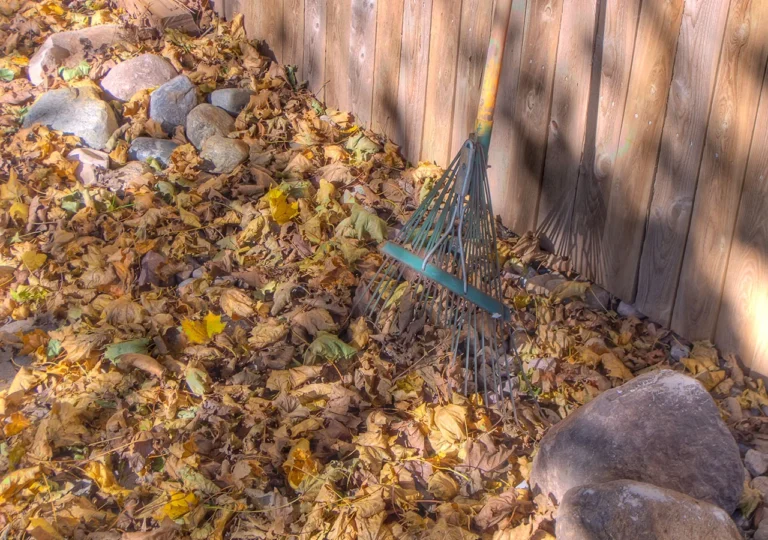
December is a planning and protection month in most gardens. In cold climates (USDA zones 3 to 5), check winter mulch, gently brush heavy snow off evergreens, use plant-safe de-icers, guard trees from rabbits and voles, and care for houseplants and holiday plants while you order seeds and plan next season. In temperate zones 6 and 7, finish leaf cleanup, mulch perennials once the ground freezes, plant any leftover bulbs while the soil can still be dug, and keep harvesting hardy greens under cover. In warm zones 8 and 9, keep planting cool-season vegetables, set out onion transplants and pre-chilled tulips, plant bare-root trees and roses, and protect citrus from freezes. In frost-free zones 10 and 11, December is peak harvest and planting season for vegetables and annual flowers.
December garden tasks by region
| Region | Typical areas | Top December tasks |
|---|---|---|
| Cold (zones 3 to 5) | Upper Midwest, northern Plains, northern New England, Rockies | Check mulch; snow care for evergreens; plant-safe de-icers; rodent guards; houseplants; seed planning |
| Temperate (zones 6 to 7) | Mid-Atlantic, Ohio Valley, lower Midwest, southern New England, inland Pacific Northwest | Finish cleanup; mulch after freeze-up; last bulbs; harvest greens under cover; holiday tree care |
| Warm (zones 8 to 9) | Southeast, Gulf Coast, Texas, California valleys, coastal Pacific Northwest | Plant cool-season crops, onions, pre-chilled tulips; bare-root trees and roses; freeze protection for citrus |
| Frost-free (zones 10 to 11) | South Florida, coastal Southern California, Hawaii, low deserts | Harvest and succession plant vegetables; annual flowers; dry-season watering; cold-snap covers |
Check your zone on the USDA Plant Hardiness Zone Map and your average frost dates with our frost dates by zip code tool, then adjust these lists for your own conditions. The interactive gardening calendar generates a task list from your frost dates.

What to do in cold-climate gardens (zones 3 to 5)
- Check winter mulch on strawberries, garlic, perennials and roses, and add more if wind or thaws have thinned it. If you have not mulched yet and the ground is now frozen, this is the right time.
- Brush heavy snow off evergreens and shrubs with an upward sweep of a broom to prevent breakage. Let ice melt naturally; knocking off ice breaks branches.
- Use plant-safe de-icers near beds and lawns, such as sand, calcium magnesium acetate or products labeled safe for plants, and shovel snow containing rock salt away from plants, since sodium chloride damages roots and foliage.
- Check tree guards and add hardware cloth around young fruit trees and shrubs if rabbit tracks appear.
- Check stored produce and bulbs regularly, removing anything soft or moldy. See how to store vegetables for winter.
- Plan next year’s garden: review notes, sketch beds and plan crop rotation, and start browsing seed catalogs before popular varieties sell out.
- Prepare for seed starting: in the coldest zones, onions and leeks are sown indoors from late January, so check lights, trays and heat mats now. Our seed starting calculator sets sowing dates from your frost date.
What to do in temperate gardens (zones 6 to 7)
- Finish fall cleanup: remove diseased foliage and fruit, rake leaves off lawns, and shred them for mulch or compost. Turn leftover leaves into leaf mold for next year.
- Mulch perennials and newly planted shrubs once the ground starts to freeze, using 2 to 4 inches of shredded leaves, straw or bark.
- Plant leftover spring bulbs as long as you can dig the soil; late-planted tulips and daffodils usually still bloom, just a little later.
- Harvest hardy crops such as kale, leeks, Brussels sprouts, parsnips and carrots, and keep greens going under row covers or in cold frames; see the cold frame sizing calculator.
- Protect roses and tender shrubs after several hard frosts with mounded soil or compost around the base.
- Water new plantings during dry spells when the ground is not frozen, especially evergreens planted this year.
- Delay pruning of most trees and shrubs until late winter; remove only broken or dangerous branches now.
What to do in warm-climate gardens (zones 8 to 9)
In the South, Texas, the Gulf Coast and California valleys, December brings cool days and the occasional freeze, but gardening continues.
- Keep planting cool-season vegetables: lettuce, spinach, kale, collards, mustard, radishes, carrots, beets and peas, plus broccoli and cabbage transplants in milder areas.
- Set out short-day onion transplants from December through January in the Gulf South and Texas.
- Plant pre-chilled tulips and hyacinths after 6 to 8 weeks in the refrigerator, from late December into January.
- Plant bare-root fruit trees, roses and grapes, which become available in winter in the South. See our fruit trees guide.
- Protect citrus and tender plants from freezes: water the soil a day before a freeze (moist soil holds more heat), cover plants to the ground with frost cloth or blankets, and remove covers when temperatures rise. Harvest ripe citrus before a hard freeze.
- Mow overseeded ryegrass lawns as needed, and leave dormant warm-season lawns alone.
What to do in frost-free gardens (zones 10 to 11)
- Harvest and replant lettuce, herbs, beans, tomatoes and peppers, sowing small successions every few weeks. The University of Florida IFAS guide to what to plant in December lists crops by region.
- Plant annual flowers such as petunias, snapdragons, impatiens, dianthus and alyssum for winter color.
- Water during the dry season, deeply and less often, and keep mulch around trees and beds.
- Watch for whiteflies, aphids and caterpillars on winter vegetables; see whiteflies and aphids.
- Cover tropical plants such as bananas, papayas and young mangoes during rare cold snaps.
What about the Pacific Northwest and other mild, wet regions?
In maritime climates, December is wet and cool with occasional freezes. Keep off soggy soil, cover bare beds with leaves or tarps, harvest kale, leeks and winter cabbage, and watch for slugs. Protect tender perennials such as fuchsias and rosemary in pots during cold spells. The Oregon State University Extension monthly garden calendars cover each month in detail.

Safety note: Use ladders only on firm ground and never near power lines when clearing snow or decorating trees. Keep cut Christmas trees watered and away from heat sources, and turn off lights when you are away or asleep. Store de-icers, fertilizers and lawn mower fuel out of reach of children and pets. Poinsettias, amaryllis, paperwhites and holly berries can upset pets’ stomachs; amaryllis and paperwhite bulbs are the most toxic, so keep them out of reach.
How do you care for holiday plants?
- Poinsettias: keep them in bright, indirect light at 60°F to 70°F, away from drafts and heat vents. Water when the soil surface feels dry, and poke holes in decorative foil so water drains. Poinsettias are only mildly irritating if chewed, not deadly as the old myth claims, but keep them away from pets.
- Christmas and Thanksgiving cactus: bright indirect light, water when the top inch of soil is dry, and avoid moving them while in bud, which can cause buds to drop.
- Amaryllis: plant bulbs with the top third above the soil in a pot just slightly wider than the bulb, water sparingly until growth starts, then keep it in bright light. Blooms appear six to eight weeks after planting.
- Paperwhites: grow them in pebbles and water; a little alcohol (such as diluted vodka) in the water keeps stems shorter and less floppy.
- Cut Christmas trees: make a fresh cut on the trunk and keep the stand full of water; a fresh tree can drink a quart or more a day. Keep it away from heaters and fireplaces.
- Living Christmas trees: keep them indoors no more than 7 to 10 days, in the coolest spot, and plant them in a hole dug before the ground froze.
How do you plan next year’s garden in December?
- Review your notes: what grew well, what failed, which varieties you loved and what you planted too much or too little of.
- Map your beds and plan crop rotation, so tomatoes, potatoes and brassicas do not return to the same spot for three years.
- Look up your frost dates and build a planting calendar with our planting calendar.
- Order seeds early, especially for onions, leeks, peppers and other early-start crops. Check leftover seed viability with the seed germination rate calculator.
- Plan quantities with the plants needed for a harvest goal calculator and the plant spacing calculator.
- Choose disease-resistant varieties for any problems you had this year, such as blight-resistant tomatoes or mildew-resistant squash. Our plant pests and diseases library lists resistant options for each problem.
December tasks for every garden
Houseplants
- Water less often, since short days slow growth; most houseplants need water only when the top inch or two of soil is dry.
- Move plants closer to windows for more light, but keep leaves off cold glass.
- Raise humidity for tropical plants with a humidifier or grouping, and keep plants away from heat vents.
- Skip fertilizer until spring for most plants.
- Check for pests every week or two, especially spider mites in dry air. See our guides to fiddle leaf fig, spider plant, aloe vera and snake plant care.
Tools and equipment
- Clean, sharpen and oil pruners, loppers and shovels, and sand and oil wooden handles.
- Service the lawn mower: drain or stabilize fuel, change oil and sharpen the blade.
- Check grow lights, heat mats and seed-starting supplies for spring.
Compost, soil and mulch
- Keep adding kitchen scraps to compost, balancing them with shredded leaves; piles slow down in cold weather but resume in spring.
- Save fall leaves in bags or a bin for mulch and compost browns next year.
- Spread compost on empty beds in mild areas so worms incorporate it over winter.
Preserving and storage
- Check stored potatoes, onions, squash, apples and root crops monthly and use anything with soft spots first.
- Use winter months for canning soups and stocks or making marmalade; see our food preserving guides.
Wildlife
- Feed birds and provide water; evergreen shrubs and leftover seed heads offer shelter and food.
- Check for vole runs under snow and mulch around young trees.
What can you plant in December?
| Region | Outdoors | Indoors |
|---|---|---|
| Zones 3 to 5 | Nothing; ground is frozen | Microgreens, sprouts, herbs on a sunny sill; amaryllis and paperwhites |
| Zones 6 to 7 | Last spring bulbs if soil is workable; garlic only in mild spells | Microgreens, herbs; plan seed starting for late winter |
| Zones 8 to 9 | Lettuce, spinach, kale, radishes, carrots, peas, onion transplants, pre-chilled tulips, bare-root trees and roses | Start onions and leeks for spring in cooler parts |
| Zones 10 to 11 | Tomatoes, peppers, beans, squash, lettuce, herbs, annual flowers | Not usually needed |
Common December garden mistakes
- Using rock salt near plants, which damages roots and foliage.
- Knocking ice off branches, which breaks them; let it melt.
- Overwatering houseplants in low winter light; see root rot.
- Pruning too early, which can stimulate growth that is damaged by cold.
- Leaving potted perennials exposed, since roots in containers freeze more easily than in the ground.
- Waiting too long to order seeds for popular varieties.
Looking ahead to January
January is for seed catalogs, garden planning, checking stored crops and, in the coldest regions, sowing onions and leeks indoors late in the month. In the South, it is time to plant bare-root trees, onions and cool-season crops. Our free printable garden planner includes a month-by-month task list and planting timing chart for the year ahead.
Garden tasks by month: January | February | March | April | May | June | July | August | September | October | November | December. For a task list built from your own frost dates, use our gardening calendar.
Free printable: the Year-Round Garden & Preserving Planner
Planting dates for 24 crops, monthly tasks, blanching times, canning safety numbers and a winter storage chart in one 8-page PDF. Enter your email to download it instantly and get our seasonal garden newsletter.
No spam. Unsubscribe any time. We never sell your email.
December garden FAQ
What should I do in the garden in December?
Protect plants from cold, check mulch and stored crops, care for houseplants, clean tools and plan next year; in warm zones, keep planting cool-season crops.
Can I still plant bulbs in December?
Yes, if you can dig the soil; late-planted bulbs usually bloom a little later.
How do I protect plants from a hard freeze?
Water the soil beforehand, cover plants to the ground with frost cloth or blankets, and remove covers when it warms.
Is it safe to use salt near plants?
Avoid rock salt; use sand or plant-safe de-icers such as calcium magnesium acetate.
How do I keep a poinsettia alive?
Bright indirect light, 60°F to 70°F, no drafts, and water when the soil surface is dry.
When should I start ordering seeds?
December and January, before popular varieties sell out.
References used in this guide: USDA Agricultural Research Service, Plant Hardiness Zone Map; University of Florida IFAS, What to Plant in December; Oregon State University Extension, Monthly Garden Calendars.