October is planting and putting-away time. In cold climates (USDA zones 3 to 5), plant garlic and spring bulbs early in the month, harvest and store the last root crops and cabbages, dig tender bulbs after frost, clean up diseased plants, drain hoses and get ready to mulch once the ground freezes. In temperate zones 6 and 7, plant garlic, bulbs, trees and shrubs, harvest sweet potatoes and fall crops before hard frost, shred leaves for mulch, give cool-season lawns their fall feeding, and keep greens going under covers. In warm zones 8 and 9, it is prime planting time: strawberries, garlic, cool-season vegetables, pansies and trees, plus pre-chilling tulips. In frost-free zones 10 and 11, the main vegetable season is in full swing.
October garden tasks by region
| Region | Typical areas | Top October tasks |
|---|---|---|
| Cold (zones 3 to 5) | Upper Midwest, northern Plains, northern New England, Rockies | Plant garlic and bulbs early; store crops; dig tender bulbs; cleanup; winterize water lines |
| Temperate (zones 6 to 7) | Mid-Atlantic, Ohio Valley, lower Midwest, southern New England, inland Pacific Northwest | Plant garlic, bulbs, trees; harvest sweet potatoes and fall crops; shred leaves; feed lawns; cold frames |
| Warm (zones 8 to 9) | Southeast, Gulf Coast, Texas, California valleys | Plant strawberries, garlic, cool-season vegetables, pansies, trees; pre-chill tulips; overseed lawns |
| Frost-free (zones 10 to 11) | South Florida, coastal Southern California, Hawaii, low deserts | Plant tomatoes, peppers, beans, lettuce, herbs, annuals; dry-season irrigation |
Check your first fall frost with our frost dates by zip code tool and your zone on the USDA Plant Hardiness Zone Map. Our interactive gardening calendar builds a task list from your frost dates.

What to do in cold-climate gardens (zones 3 to 5)
- Plant garlic early in the month, four to six weeks before the ground freezes, setting cloves 2 inches deep and 6 inches apart. See how to plant garlic in fall and the garlic planting calculator.
- Plant tulips, daffodils, crocus and alliums while the soil is still workable; see the spring bulb calculator.
- Harvest and store carrots, beets, parsnips, cabbage and late apples before hard freezes. See how to store vegetables for winter.
- Dig dahlias, cannas, gladiolus and tuberous begonias after frost blackens their foliage, and store them in a cool, frost-free place.
- Clean up diseased foliage from roses, peonies, tomatoes and fruit trees; leave healthy perennials standing for wildlife and winter interest.
- Drain and store hoses, empty rain barrels, and blow out irrigation lines.
- Water evergreens and new plantings deeply before the ground freezes.
- Prepare tree guards against rabbits and voles for young trees.
What to do in temperate gardens (zones 6 to 7)
- Plant garlic from mid-October into November.
- Plant spring bulbs, trees, shrubs and perennials; fall is ideal for root growth.
- Harvest sweet potatoes before the first frost and cure them warm for a week; harvest winter squash and pumpkins and cure them.
- Keep harvesting fall crops: kale, collards, Brussels sprouts, cabbage, carrots, beets, lettuce and spinach, protecting them with row covers or cold frames on cold nights. See the cold frame sizing calculator.
- Dig tender bulbs after the first frost.
- Shred fallen leaves for mulch and compost; the leaf mulch calculator shows how much you can use.
- Feed cool-season lawns in fall and keep mowing until growth stops.
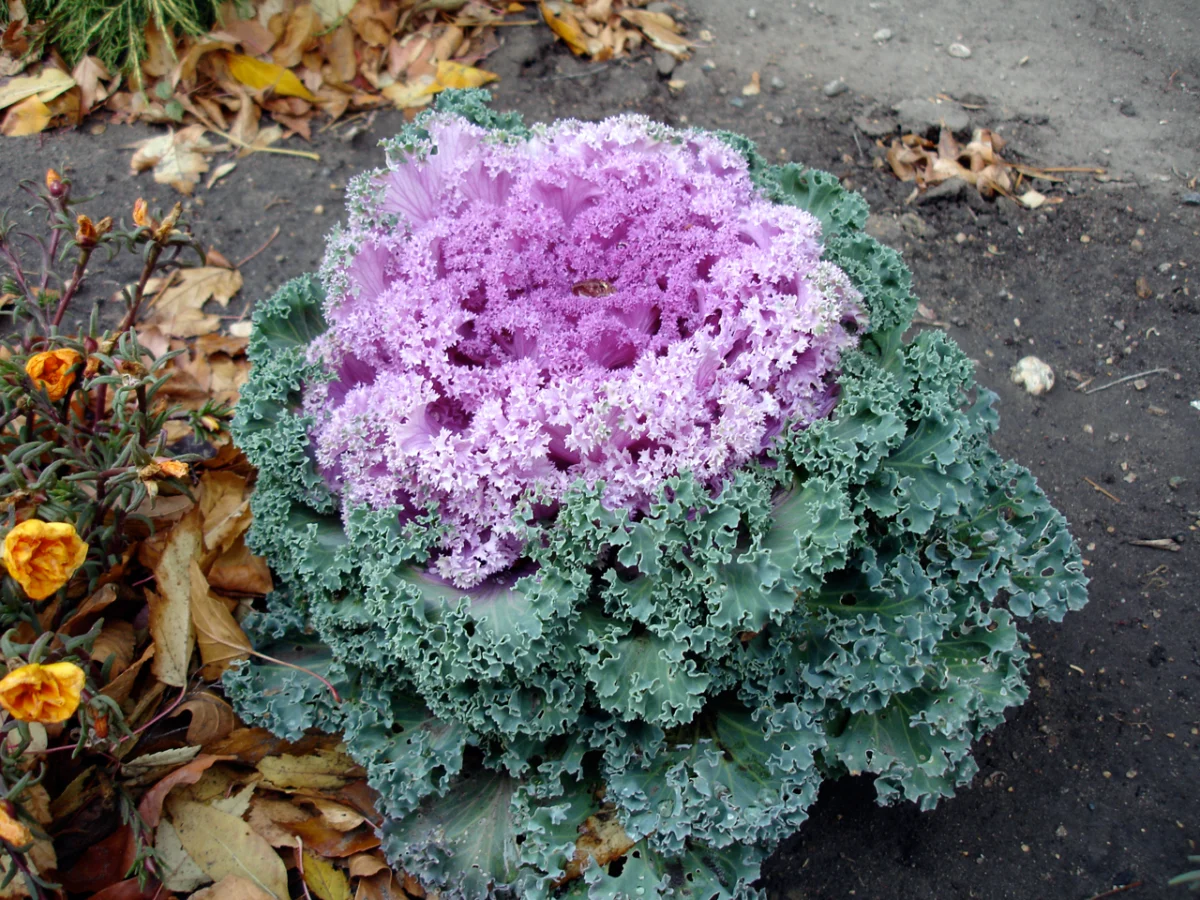
- Plant pansies, violas and ornamental kale for fall and early spring color.
What to do in warm-climate gardens (zones 8 to 9)
- Plant strawberries for spring harvest; fall planting gives the best yields in the South.
- Plant garlic and shallots, and sow short-day onion seed for transplants in winter.
- Sow and transplant cool-season vegetables: lettuce, spinach, kale, collards, broccoli, cabbage, carrots, beets, turnips, radishes and peas.
- Plant pansies, violas, snapdragons, calendulas and dianthus for winter color.
- Plant trees and shrubs: October to December is the best planting window in the South.
- Pre-chill tulips and hyacinths in the refrigerator for 6 to 8 weeks, away from fruit, for planting in December or January.
- Overseed warm-season lawns with annual ryegrass late in the month if you want winter green.
- Harvest fall tomatoes, peppers and squash before the first frost in late October or November.
What to do in frost-free gardens (zones 10 to 11)
- Plant the main vegetable season: tomatoes, peppers, eggplant, beans, cucumbers, squash, lettuce, kale, broccoli, carrots and herbs.
- Plant annual flowers such as petunias, impatiens and snapdragons.
- Set up irrigation for the dry season and mulch beds.
- Watch for caterpillars and whiteflies on new plantings; see whiteflies.
The University of Florida IFAS guide to what to plant in October lists crops for each Florida region.
What about the Pacific Northwest?
In maritime climates, October brings the return of rain. Plant garlic and bulbs, sow cover crops, harvest the last summer crops and squash, and protect overwintering greens. Clean up fallen fruit and leaves to reduce disease. The Oregon State University Extension monthly garden calendars cover October tasks in detail.
Safety note: Wear eye and hearing protection with leaf blowers, shredders and chippers, and never clear a jam with the engine running. Call 811 (in the US) before digging holes for trees. Bulbs such as daffodils, tulips and hyacinths are toxic to pets if eaten; store and plant them out of reach of dogs. Use ladders on firm ground when cleaning gutters or picking fruit.
October tasks for every garden
Fall cleanup: what to remove and what to leave
- Remove: diseased plants and leaves (tomatoes with blight, roses with black spot, peonies with botrytis, squash with mildew), fallen and mummified fruit, and spent annuals.
- Leave: healthy perennial stems and seed heads such as coneflowers, black-eyed Susans, sedum and ornamental grasses, which feed birds, shelter beneficial insects and add winter interest.
- Compost healthy plant material and shredded leaves; bag diseased material for the trash.
Vegetables and soil
- Spread compost or shredded leaves over empty beds, or sow cover crops early in the month.
- Test soil and apply lime in fall if needed.
- Make sauerkraut and store root crops and squash.
- Clean and store stakes, cages and trellises.
Fruit
- Harvest late apples and pears and store them cool; see how to store apples.
- Rake up leaves under apple trees to reduce apple scab next spring.
- Plant container-grown fruit trees and berries in mild areas.
- Wait until late winter for most pruning.
Houseplants
- Finish bringing plants indoors before frost, after checking for pests.
- Reduce watering and feeding as light decreases.
- Place plants in the brightest windows; see snake plant and pothos care for low-light options.
What can you plant in October?
| Region | Outdoors |
|---|---|
| Zones 3 to 5 | Garlic, shallots, spring bulbs (early); trees and shrubs if soil is workable |
| Zones 6 to 7 | Garlic, spring bulbs, trees, shrubs, perennials, pansies; spinach and greens in cold frames |
| Zones 8 to 9 | Strawberries, garlic, onion seed, lettuce, spinach, kale, broccoli, cabbage, carrots, beets, peas, pansies, trees |
| Zones 10 to 11 | Tomatoes, peppers, eggplant, beans, cucumbers, squash, lettuce, broccoli, herbs, annuals |
How do you plant spring bulbs?
Plant spring bulbs once soil temperatures fall below about 60°F, from late September in the North to November in the mid-South. Choose firm, heavy bulbs without mold. Plant them in well-drained soil in sun, at a depth of about three times the bulb’s height: roughly 6 to 8 inches for tulips and daffodils and 3 to 4 inches for small bulbs such as crocus and grape hyacinths, pointed end up. Plant in groups or drifts rather than single rows for a natural look, water after planting, and mulch in cold areas. Daffodils, alliums and fritillaries resist deer and rodents; tulips and crocus are favorites of squirrels and voles, so protect them with wire mesh or plant them among daffodils.
Common October garden mistakes
- Waiting too long to plant garlic and bulbs in cold regions.
- Cutting back every perennial, removing food and shelter for birds and beneficial insects.
- Leaving diseased leaves and fruit in the garden over winter.
- Letting sweet potatoes and squash get frosted.
- Pruning trees and shrubs heavily in fall.
- Forgetting to drain hoses and irrigation before a hard freeze.
Looking ahead to November
November finishes the season in cold regions with mulching after the ground freezes, tree protection and storage checks, while temperate gardeners plant the last bulbs and garlic and southern gardeners keep planting cool-season crops. See our November garden tasks guide and our September guide. Our free printable garden planner includes a month-by-month task list and storage chart.
Garden tasks by month: January | February | March | April | May | June | July | August | September | October | November | December. For a task list built from your own frost dates, use our gardening calendar.
Free printable: the Year-Round Garden & Preserving Planner
Planting dates for 24 crops, monthly tasks, blanching times, canning safety numbers and a winter storage chart in one 8-page PDF. Enter your email to download it instantly and get our seasonal garden newsletter.
No spam. Unsubscribe any time. We never sell your email.
October garden FAQ
What should I plant in October?
Garlic and spring bulbs in most areas, plus trees and shrubs; in warm zones, strawberries and cool-season vegetables.
When should I plant tulip bulbs?
When soil falls below about 60°F, from late September to November; in the South, chill bulbs first.
Should I cut back perennials in October?
Cut back diseased plants; leave healthy stems and seed heads for wildlife.
When should I dig dahlias?
After the first frost blackens the foliage.
Should I fertilize my lawn in October?
Cool-season lawns benefit from fall feeding; do not feed dormant warm-season grass.
How deep should I plant garlic?
About 2 inches deep, pointed end up, 6 inches apart.
How do you use fallen leaves in the garden?
Fall leaves are one of the most valuable free resources a gardener has. Rather than bagging them for the trash, run over them with a mulching mower to shred them, then use them in three ways. First, as mulch: spread 2 to 3 inches of shredded leaves over vegetable beds, around perennials and under shrubs, where they protect the soil from erosion and break down into organic matter by spring. Second, as compost: shredded leaves are the ideal carbon-rich brown material to balance green kitchen scraps and grass clippings; store extra bags to add to the compost through the year. Third, as leaf mold: pile moist shredded leaves in a wire bin or perforated bags, and in one to two years they become dark, crumbly leaf mold, an excellent soil conditioner and potting mix ingredient. Avoid using leaves from diseased trees around susceptible plants, and do not leave thick, unshredded leaves on lawns, where they smother the grass.
Getting the garden ready for winter
- Clean, sharpen and oil tools before storing them.
- Empty and store clay and ceramic pots indoors, since they can crack in freezes.
- Drain and store fuel-powered equipment or add fuel stabilizer.
- Note where bulbs and perennials are planted so you do not dig into them in spring.
- Record what grew well this year while the details are fresh, and start a wish list for next year.
Planning for a longer season next year
If frost cut your harvest short this year, plan season extenders now: low tunnels with row cover or plastic, a cold frame or two, and frost-tolerant fall crops sown on time. Many gardeners in temperate zones harvest kale, spinach, carrots and leeks all winter with simple protection. The planting calendar helps you time fall crops so they mature before the coldest weather.
Helping wildlife through the cold months
October is a good time to make the garden friendlier to wildlife over winter. Leave a brush pile or a corner of leaf litter for overwintering insects, toads and birds, keep seed heads standing, clean bird feeders and nest boxes, and plant native shrubs with berries, such as viburnum, winterberry and serviceberry, which feed birds through the colder months.
References used in this guide: USDA Agricultural Research Service, Plant Hardiness Zone Map; University of Florida IFAS, What to Plant in October; Oregon State University Extension, Monthly Garden Calendars.