April is one of the busiest months of the gardening year. In cold climates (USDA zones 3 to 5), sow peas, spinach, lettuce and radishes, plant onions and potatoes as the soil dries, start tomatoes indoors early in the month and squash later, and uncover strawberries and perennials. In temperate zones 6 and 7, transplant broccoli, cabbage and lettuce, sow carrots and beets, harden off tomatoes and peppers, and plant beans, corn and tomatoes once the last frost has passed, usually from mid-April in zone 7 to early May in zone 6. In warm zones 8 and 9, summer crops go in fast: beans, corn, squash, cucumbers, melons and sweet potato slips. In frost-free zones 10 and 11, plant heat-tolerant crops and prepare for the rainy season.
April garden tasks by region
| Region | Typical areas | Top April tasks |
|---|---|---|
| Cold (zones 3 to 5) | Upper Midwest, northern Plains, northern New England, Rockies | Sow peas, spinach, lettuce, radishes; plant onions, potatoes; start tomatoes, squash indoors; uncover beds |
| Temperate (zones 6 to 7) | Mid-Atlantic, Ohio Valley, lower Midwest, southern New England, inland Pacific Northwest | Transplant brassicas; sow carrots, beets; harden off tomatoes; plant warm crops after last frost; seed lawns |
| Warm (zones 8 to 9) | Southeast, Gulf Coast, Texas, California valleys | Plant beans, corn, squash, cucumbers, melons, sweet potatoes; feed lawns; mulch; pest patrol |
| Frost-free (zones 10 to 11) | South Florida, coastal Southern California, Hawaii, low deserts | Okra, sweet potatoes, southern peas; tropical fruit care; prepare for rains and heat |
Whether tender crops can go out in April depends on your last frost date; check it with our frost dates by zip code tool and the USDA Plant Hardiness Zone Map. Our safe transplant date calculator tells you when tomatoes and peppers can safely be planted, and the planting calendar gives a full schedule.

When is it safe to plant tomatoes and peppers?
Tomatoes, peppers, eggplant, basil and other warm-season crops are killed by frost and stunted by cold nights below about 50°F. Plant them one to three weeks after your average last frost date, when nights stay above 50°F and the soil is at least 60°F a few inches down. Planting too early rarely gains time: cold-stressed plants sit still while later plantings catch up. Harden seedlings off over 7 to 10 days first, using the hardening off schedule calculator, and keep frost cloth handy for unexpected cold nights. Beans, corn, cucumbers and squash can be sown directly once the soil reaches 60°F. See our guides to tomatoes, peppers and bush beans.
What to do in cold-climate gardens (zones 3 to 5)
- Sow cool-season crops as soon as the soil is workable: peas, spinach, lettuce, radishes, arugula, and later carrots and beets.
- Plant onion sets and transplants and seed potatoes late in the month, two to four weeks before your last frost.
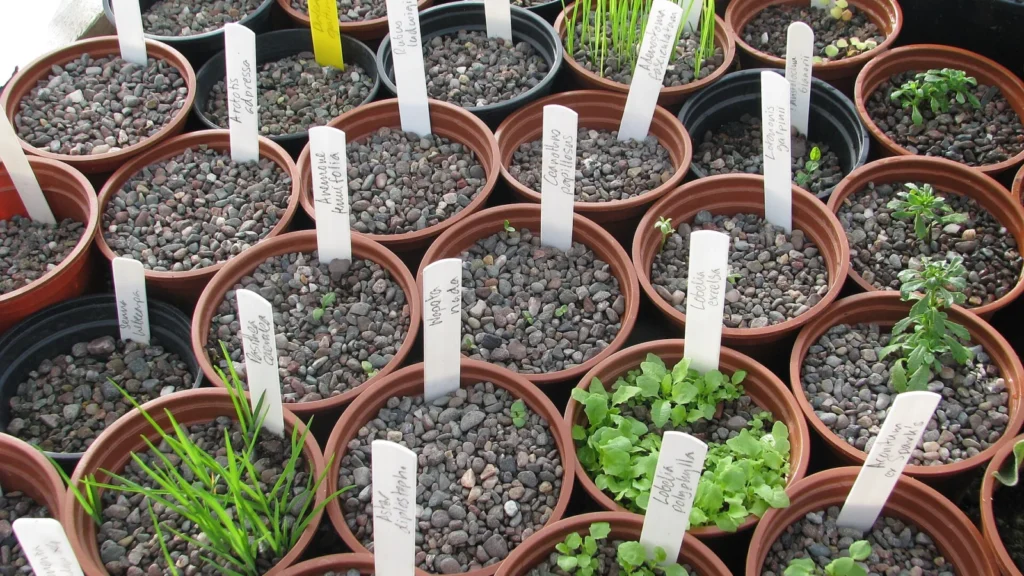
- Start tomatoes and peppers indoors early in the month if not already started, and cucumbers, squash and melons in late April for June planting.
- Transplant broccoli and cabbage late in the month under row covers.
- Uncover strawberries when new leaves appear, keeping straw nearby for frost nights.
- Prune roses and cut back perennials as growth begins; divide summer-blooming perennials.
- Plant bare-root trees and shrubs as soon as the ground thaws.
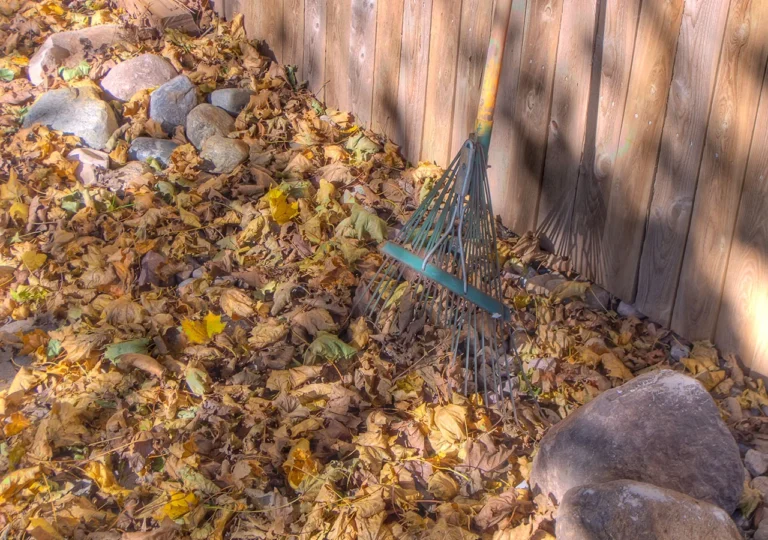
- Rake lawns and reseed bare patches as the soil warms.
What to do in temperate gardens (zones 6 to 7)
- Transplant cool-season crops: broccoli, cabbage, cauliflower, kale and lettuce, covering brassicas with insect netting to stop cabbage worms and flea beetles.
- Sow carrots, beets, chard, parsnips and more lettuce, and thin earlier sowings.
- Harden off tomatoes, peppers and basil, and plant them after your last frost: mid- to late April in zone 7, early to mid-May in zone 6.
- Sow beans and corn once the soil reaches 60°F, usually late April in zone 7.
- Plant perennials, shrubs and trees, and divide crowded perennials such as hostas and daylilies as they emerge. See hosta care.
- Let bulb foliage die back naturally for six weeks after bloom; deadhead tulips and daffodils but do not cut the leaves.
- Seed or overseed thin lawn areas early in the month, and mow when grass reaches about a third above its target height.
- Mulch beds after the soil warms, and start slug patrol in damp weather.
- Watch fruit trees for apple scab, cedar-apple rust and fire blight during wet bloom periods.
What to do in warm-climate gardens (zones 8 to 9)
- Plant summer crops: beans, sweet corn, cucumbers, summer and winter squash, melons, southern peas, and okra and sweet potato slips late in the month as soil warms above 65°F.
- Side-dress tomatoes and peppers planted in March, and stake or cage them.
- Fertilize warm-season lawns such as Bermuda, St. Augustine and zoysia once fully green.
- Mulch and set up drip irrigation before heat arrives; the drip irrigation calculator helps plan lines and emitters.
- Patrol for pests: aphids, cucumber beetles, squash vine borers, squash bugs and hornworms.
- Prune spring-flowering shrubs such as azaleas right after they bloom.
- Harvest the last cool-season crops before they bolt.
What to do in frost-free gardens (zones 10 to 11)
- Plant heat-tolerant crops: okra, sweet potatoes, southern peas, yard-long beans, Malabar spinach, peppers and eggplant.
- Pull spent tomatoes and cool-season crops as heat rises.
- Feed and mulch tropical fruit trees, and thin fruit on heavily loaded trees.
- Plan for summer: many south Florida gardeners rest beds over summer, using cover crops or soil solarization.
The University of Florida IFAS guide to what to plant in April lists crops by Florida region.
What about the Pacific Northwest?
In maritime climates, April is cool and showery. Transplant brassicas and lettuce, sow carrots, beets and peas, plant potatoes and onions, and wait until May for tomatoes, beans and squash. Slugs are at their worst, so hand-pick at night and use iron phosphate bait if needed. The Oregon State University Extension monthly garden calendars cover April tasks in detail.

Safety note: Call 811 (in the US) before digging new beds or planting trees. Wear gloves when handling soil, compost and manure, and wash hands afterward. Follow label directions for lawn products and slug baits; iron phosphate slug bait is far safer for pets than metaldehyde. Lift heavy bags with your legs and use a wheelbarrow.
April tasks for every garden
Vegetable garden
- Thin seedlings to the spacing on the packet; crowded plants grow poorly. The plant spacing calculator shows how many plants fit a bed.
- Install trellises and cages before plants need them.
- Use row covers to protect early crops from frost and insects.
- Watch for cutworms cutting off transplants, and use collars around stems.
- Keep notes of planting dates for next year’s calendar.
Fruit trees and berries
- Protect blossoms from frost where possible, and avoid spraying insecticides during bloom to protect pollinators.
- Fertilize blueberries and strawberries lightly as growth begins; see the best soil for blueberries.
- Plant container-grown fruit trees and berries; see when to plant fruit trees.
- Thin grape shoots and tie in new canes.
Flowers and shrubs
- Plant summer bulbs such as gladiolus and dahlias after the last frost, and start cannas and begonias indoors in cold areas.
- Prune spring-flowering shrubs right after they bloom.
- Plant hardy annuals such as pansies, snapdragons and sweet alyssum; wait for frost-free weather for tender annuals.
- Feed roses as new growth starts and watch for aphids and black spot.
Lawn
- Mow at the right height for your grass, never removing more than a third of the blade at once; see the mowing height calculator.
- Seed bare patches of cool-season lawns early in the month; the lawn seed rate calculator helps with quantities.
- Fertilize warm-season lawns after green-up, not before.
Houseplants
- Repot root-bound plants and divide crowded ones, such as snake plants and spider plants.
- Increase watering and feeding as growth picks up.
- Begin moving houseplants outdoors only once nights stay above 55°F, in shade first.
What can you plant in April?
| Region | Outdoors | Indoors |
|---|---|---|
| Zones 3 to 5 | Peas, spinach, lettuce, radishes, onions, potatoes; brassica transplants late; bare-root trees | Tomatoes, peppers (early); cucumbers, squash, melons (late) |
| Zones 6 to 7 | Brassica and lettuce transplants, carrots, beets, chard; tomatoes, peppers, beans, corn after last frost | Cucumbers, squash, melons for May planting |
| Zones 8 to 9 | Beans, corn, cucumbers, squash, melons, okra, sweet potatoes, southern peas | Not needed |
| Zones 10 to 11 | Okra, sweet potatoes, southern peas, yard-long beans, Malabar spinach | Not needed |
Common April garden mistakes
- Planting tomatoes and peppers into cold soil right after a warm spell.
- Skipping hardening off.
- Cutting back daffodil and tulip leaves too early, which weakens next year’s bulbs.
- Overwatering seedlings and transplants in cool weather.
- Spraying fruit trees in bloom, which harms bees.
- Fertilizing warm-season lawns before green-up.
Looking ahead to May
May is the main planting month for warm-season crops in the North, the time to harvest early greens and peas in temperate zones, and the month when pests and summer heat arrive in the South. Mulching, watering and pest scouting become weekly jobs. Our free printable garden planner has a planting chart and monthly checklist. Catch up on our March and February guides.
Garden tasks by month: January | February | March | April | May | June | July | August | September | October | November | December. For a task list built from your own frost dates, use our gardening calendar.
Planning new beds? Use one of our free garden plans as a starting point.
Free printable: the Year-Round Garden & Preserving Planner
Planting dates for 24 crops, monthly tasks, blanching times, canning safety numbers and a winter storage chart in one 8-page PDF. Enter your email to download it instantly and get our seasonal garden newsletter.
No spam. Unsubscribe any time. We never sell your email.
April garden FAQ
What should I plant in April?
Cool-season crops in cold zones; brassica transplants and, after the last frost, tomatoes and beans in temperate zones; summer crops in warm zones.
Is April too early to plant tomatoes?
It depends on your last frost date; plant 1 to 3 weeks after it, when nights stay above 50°F.
When should I plant potatoes?
Two to four weeks before your last frost date.
Can I cut back daffodil leaves after flowering?
Wait about six weeks, until leaves yellow, so bulbs store energy for next year.
When should I seed my lawn in spring?
Early spring for cool-season grass, late spring for warm-season grass.
When can houseplants go outside?
When nights stay above 55°F, starting in shade.
How do you prepare beds for planting in April?
Good bed preparation pays off all season. Wait until the soil is dry enough to crumble, then pull weeds while they are small, before they set seed. Spread 1 to 2 inches of finished compost over the surface and work it lightly into the top few inches, or simply leave it on top in no-dig beds, where worms will mix it in. Avoid deep tilling, which brings weed seeds to the surface and breaks down soil structure. Rake the surface smooth for small seeds such as carrots and lettuce, and water beds a day or two before sowing so the soil is evenly moist. If a soil test showed low pH or nutrients, add lime, sulfur or fertilizer according to the results rather than guessing. The raised bed soil calculator and compost calculator estimate how much material to buy.
Making the most of April rain
Spring rain is free irrigation, but it also brings slugs, soggy soil and fungal diseases. Install rain barrels to capture runoff from roofs for dry summer weeks; the rain barrel calculator estimates how much water your roof can collect. Avoid walking on wet beds, which compacts soil, and use boards or stepping stones between rows. Space plants well and water at the base rather than overhead to keep leaves dry. On fruit trees, wet weather during bloom favors fire blight and apple scab, so remove infected shoots promptly and clean up fallen leaves.
References used in this guide: USDA Agricultural Research Service, Plant Hardiness Zone Map; University of Florida IFAS, What to Plant in April; Oregon State University Extension, Monthly Garden Calendars.