May is the main planting month for warm-season crops in most of the country. In cold climates (USDA zones 3 to 5), plant tomatoes, peppers and basil after your last frost in mid- to late May, sow beans, corn, squash and cucumbers once the soil warms, and keep frost covers handy. In temperate zones 6 and 7, finish planting all summer crops, harvest asparagus, rhubarb, peas and early greens, mulch and stake, and start weekly pest checks for Colorado potato beetles, cucumber beetles and squash vine borers. In warm zones 8 and 9, heat arrives: water deeply, mulch heavily, harvest early summer crops and plant heat-lovers like okra, southern peas and sweet potatoes. In frost-free zones 10 and 11, the rainy season begins, and many gardeners switch to tropical crops, cover crops or a summer rest.
May garden tasks by region
| Region | Typical areas | Top May tasks |
|---|---|---|
| Cold (zones 3 to 5) | Upper Midwest, northern Plains, northern New England, Rockies | Plant tomatoes and peppers after last frost; sow beans, corn, squash; hill potatoes; annual flowers |
| Temperate (zones 6 to 7) | Mid-Atlantic, Ohio Valley, lower Midwest, southern New England, inland Pacific Northwest | Finish summer planting; harvest spring crops; mulch, stake, water; weekly pest checks |
| Warm (zones 8 to 9) | Southeast, Gulf Coast, Texas, California valleys | Deep watering; mulch; harvest; plant okra, southern peas, sweet potatoes; heat and pest management |
| Frost-free (zones 10 to 11) | South Florida, coastal Southern California, Hawaii, low deserts | Tropical crops; cover crops or solarization; rainy-season drainage; fruit tree care |
Confirm your last frost date with our frost dates by zip code tool and your zone on the USDA Plant Hardiness Zone Map, then use the safe transplant date calculator to time tender transplants. The harvest date calculator shows when each planting will be ready.

What to do in cold-climate gardens (zones 3 to 5)
- Plant tomatoes, peppers, eggplant and basil after your last frost, when nights stay above 50°F; in the coldest areas this may be early June. Black plastic mulch or walls of water warm the soil and speed growth.
- Sow beans, sweet corn, cucumbers, squash and melons once the soil reaches 60°F, or transplant indoor-started cucurbits carefully, without disturbing roots.
- Transplant broccoli, cabbage and cauliflower if not done, and keep sowing lettuce, radishes and carrots in succession.
- Hill potatoes as shoots reach 6 to 8 inches, covering the stems with soil to protect tubers from light.
- Plant tender annual flowers and summer bulbs after the last frost.
- Prune lilacs, forsythia and other spring-flowering shrubs right after they bloom.
- Keep frost cloth ready; late frosts are common in May in the North.
What to do in temperate gardens (zones 6 to 7)
- Finish planting warm-season crops: tomatoes, peppers, eggplant, basil, beans, corn, cucumbers, squash, melons and sweet potato slips. See our guides to cucumbers, zucchini and sweet potatoes.
- Harvest spring crops: asparagus (stop when spears become pencil-thin), rhubarb, peas, lettuce, spinach and radishes.
- Mulch around vegetables and perennials once the soil is warm, to save water and suppress weeds; the mulch calculator estimates quantities.
- Stake and cage tomatoes at planting, and set up trellises for cucumbers and pole beans.
- Water deeply, about 1 inch a week from rain and irrigation combined, preferably in the morning at the base of plants. The garden watering calculator turns that into gallons for your beds.
- Scout for pests weekly: Colorado potato beetles, cucumber beetles, flea beetles, aphids and, from late May, squash vine borer moths.
- Succession sow beans, lettuce (in shade) and carrots every two to three weeks.
What to do in warm-climate gardens (zones 8 to 9)
- Water deeply and less often, soaking the root zone two or three times a week rather than sprinkling daily; drip irrigation and soaker hoses save water.
- Mulch heavily, 3 inches of straw, shredded leaves or bark, to keep roots cool.
- Harvest regularly: squash, cucumbers and beans produce more when picked often.
- Plant heat-lovers: okra, southern peas, sweet potatoes, peppers, eggplant, Malabar spinach and amaranth.
- Expect tomatoes to slow down: most varieties stop setting fruit when days exceed about 90°F and nights stay above 75°F. Shade cloth in the afternoon helps; heat-set varieties perform better.
- Manage pests early: squash bugs, stink bugs, hornworms, spider mites and whiteflies build up fast in heat.
- Watch for blossom end rot on early tomatoes, a sign of uneven watering.
What to do in frost-free gardens (zones 10 to 11)
- Grow tropical summer crops: okra, sweet potatoes, cassava, taro, southern peas, yard-long beans and tropical greens.
- Rest or solarize beds: cover moist, weeded soil with clear plastic for four to six weeks in the hottest months to reduce weeds, nematodes and soil diseases, or sow a cover crop such as cowpeas or sunn hemp.
- Prepare for heavy rains: check drainage, raise beds and stake tall plants.
- Care for fruit trees: mangoes, avocados and lychees ripen in early summer; harvest promptly and clean up dropped fruit.
The University of Florida IFAS guide to what to plant in May lists crops by Florida region.
What about the Pacific Northwest?
In maritime climates, warm-season crops go in from mid- to late May, once soils warm. Use black plastic or cloches for tomatoes and peppers, sow beans and squash late in the month, and keep harvesting peas, lettuce and radishes. Keep up slug control. The Oregon State University Extension monthly garden calendars cover May tasks in detail.
Safety note: Garden in the cooler parts of the day as temperatures rise, drink plenty of water, and wear sunscreen and a hat. Check for ticks after working in tall grass or woodland edges. Follow labels for any pest control products, never spray open flowers when bees are active, and keep products away from children and pets. Use a mower only on dry grass and keep children away while mowing.
May tasks for every garden
Vegetable garden
- Thin carrots, beets and lettuce, and weed weekly while weeds are small.
- Side-dress heavy feeders such as corn and tomatoes with compost or balanced fertilizer about a month after planting.
- Cover brassicas and young cucurbits with insect netting until flowering.
- Hand-pick beetles and egg masses in the morning, and encourage beneficial insects with flowers such as alyssum, dill and calendula.
- Harvest herbs often to keep them bushy; see growing basil.
Fruit trees and berries
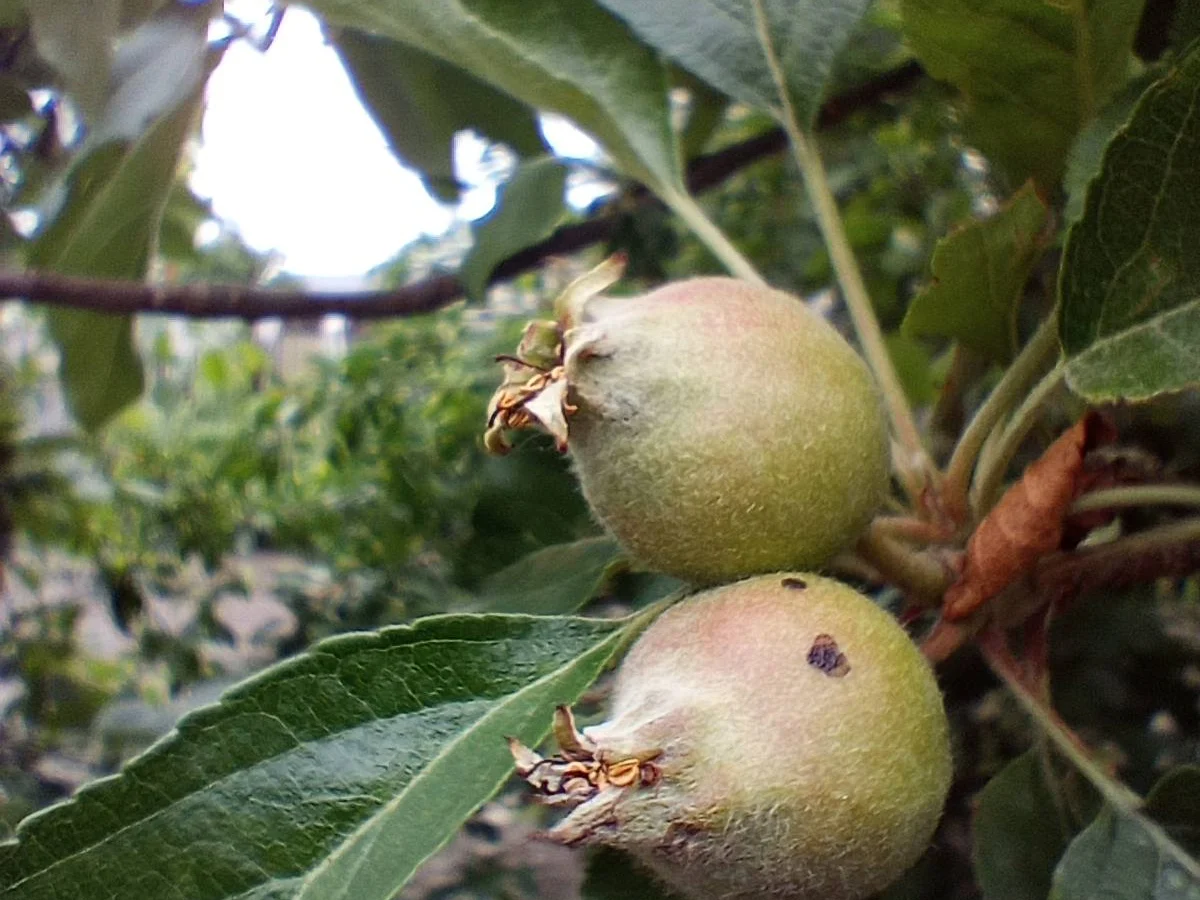
- Thin apples, pears and peaches to one fruit every 6 to 8 inches after the natural June drop begins, for larger, healthier fruit.
- Net strawberries and cherries against birds; see bird scare tape.
- Watch for apple scab, cedar-apple rust and brown rot in wet weather.
- Mulch blueberries with pine bark or needles and water during dry spells.
Flowers, shrubs and lawn
- Plant annuals, perennials and summer bulbs; pinch mums and asters for bushier plants.
- Deadhead spring perennials and stake tall plants such as peonies and delphiniums before they flop. See how to grow peonies.
- Mow cool-season lawns high, at 3 to 4 inches, and leave clippings on the lawn.
- Fertilize warm-season lawns during active growth.
Houseplants
- Move houseplants outdoors for summer once nights stay above 55°F, starting in shade to prevent sunburn.
- Feed regularly during active growth and repot if needed.
What can you plant in May?
| Region | Outdoors |
|---|---|
| Zones 3 to 5 | Tomatoes, peppers, eggplant, basil after last frost; beans, corn, cucumbers, squash, melons as soil warms; lettuce, carrots, beets in succession |
| Zones 6 to 7 | All warm-season crops: tomatoes, peppers, eggplant, beans, corn, cucumbers, squash, melons, sweet potatoes, basil; annual flowers |
| Zones 8 to 9 | Okra, southern peas, sweet potatoes, peppers, eggplant, Malabar spinach, amaranth, zinnias and other heat-loving flowers |
| Zones 10 to 11 | Okra, sweet potatoes, cassava, taro, southern peas, yard-long beans, cover crops |
How much should you water in May?
Most vegetables need about 1 inch of water a week, more in hot, windy weather and in sandy soil. Water deeply so moisture reaches 6 to 8 inches down, then let the surface dry slightly before watering again. Deep, infrequent watering encourages deep roots that tolerate summer heat better. Check moisture with your finger a few inches down rather than watering on a fixed schedule. Water early in the day at the base of plants to reduce leaf diseases such as powdery mildew and early blight. Consistent moisture prevents blossom end rot in tomatoes and peppers and bitterness in cucumbers. A rain gauge helps you know how much rain your garden actually received.
Common May garden mistakes
- Planting warm-season crops into cold, wet soil.
- Shallow, frequent watering, which produces shallow roots.
- Letting weeds get established while plants are small.
- Waiting to stake tomatoes until they sprawl.
- Ignoring the first pests; small infestations are much easier to control.
- Mowing lawns too short as weather warms.
Looking ahead to June
June brings the first big harvests, the start of summer heat in the North and peak pest season. Mulching, watering, pruning tomatoes, side-dressing and pest scouting are the main jobs, along with succession sowing and planning fall crops. Our free printable garden planner has a monthly checklist and planting chart. See also our April and March guides.
Garden tasks by month: January | February | March | April | May | June | July | August | September | October | November | December. For a task list built from your own frost dates, use our gardening calendar.
Free printable: the Year-Round Garden & Preserving Planner
Planting dates for 24 crops, monthly tasks, blanching times, canning safety numbers and a winter storage chart in one 8-page PDF. Enter your email to download it instantly and get our seasonal garden newsletter.
No spam. Unsubscribe any time. We never sell your email.
May garden FAQ
What should I plant in May?
Tomatoes, peppers, beans, corn, cucumbers, squash and basil in most areas once the last frost has passed; heat-lovers in the South.
Is it too late to start a garden in May?
No; May is ideal for warm-season crops in most regions.
When should I stop harvesting asparagus?
When most new spears are thinner than a pencil, usually after six to eight weeks.
How often should I water my garden in May?
Deeply once or twice a week, about 1 inch total including rain.
When should I thin fruit on my apple tree?
After bloom, once fruit is about the size of a marble, leaving one every 6 to 8 inches.
When can I move houseplants outdoors?
When nights stay above 55°F, starting in shade.
How do you plant transplants so they thrive?
Transplant on a cloudy day or in the late afternoon so plants settle in before facing full sun. Water seedlings in their pots an hour beforehand. Dig a hole slightly larger than the root ball, set the plant at the same depth it was growing, and firm the soil gently. Tomatoes are the exception: plant them deeper, burying the stem up to the first set of leaves, because tomato stems grow roots along their buried length, creating a stronger root system. Water each transplant thoroughly with a diluted starter fertilizer, and protect young plants from wind and strong sun for a few days with a shade cloth or an upturned box if needed. Place a cardboard or plastic collar around stems to keep cutworms away. Space plants properly from the start; crowded plants compete for light and water and are more prone to disease.
Encouraging pollinators in May
Squash, cucumbers, melons, beans and fruit trees all depend on bees and other pollinators. Plant flowers among vegetables, such as zinnias, borage, calendula, sunflowers, dill and alyssum, to attract them, and leave some clover in lawns. Avoid spraying insecticides when crops or weeds are in bloom, and if you must spray, use the least toxic option in the evening when bees are not foraging. If squash flowers fall off without setting fruit early in the season, it is often because the first flowers are all male; female flowers, with a tiny fruit at their base, follow within a week or two.
References used in this guide: USDA Agricultural Research Service, Plant Hardiness Zone Map; University of Florida IFAS, What to Plant in May; Oregon State University Extension, Monthly Garden Calendars.